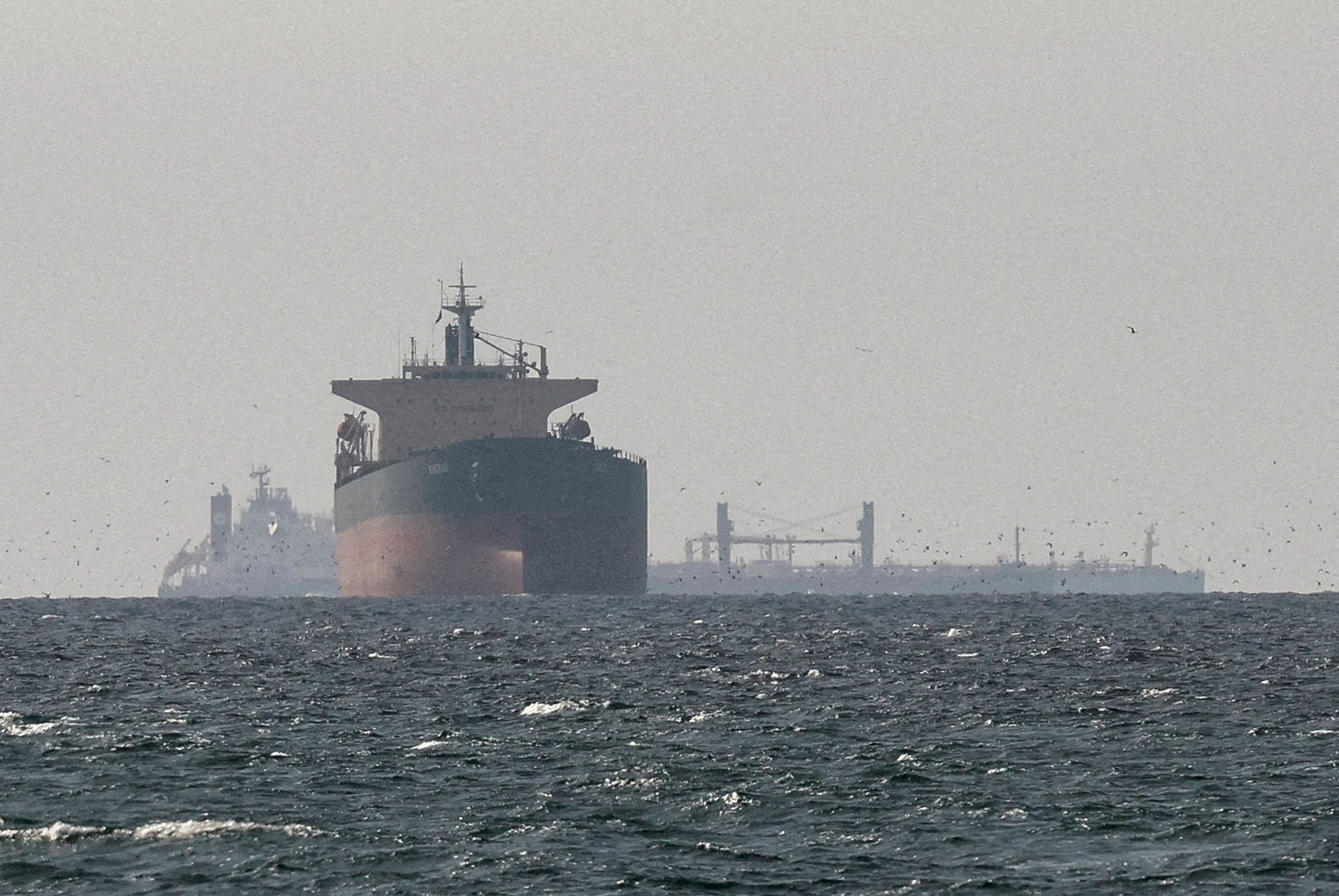
Iran is charging ships roughly $1 per barrel to transit the Strait of Hormuz, and it wants to be paid in Bitcoin or stablecoins. Welcome to 2026, where geopolitical chokepoints meet crypto wallets.
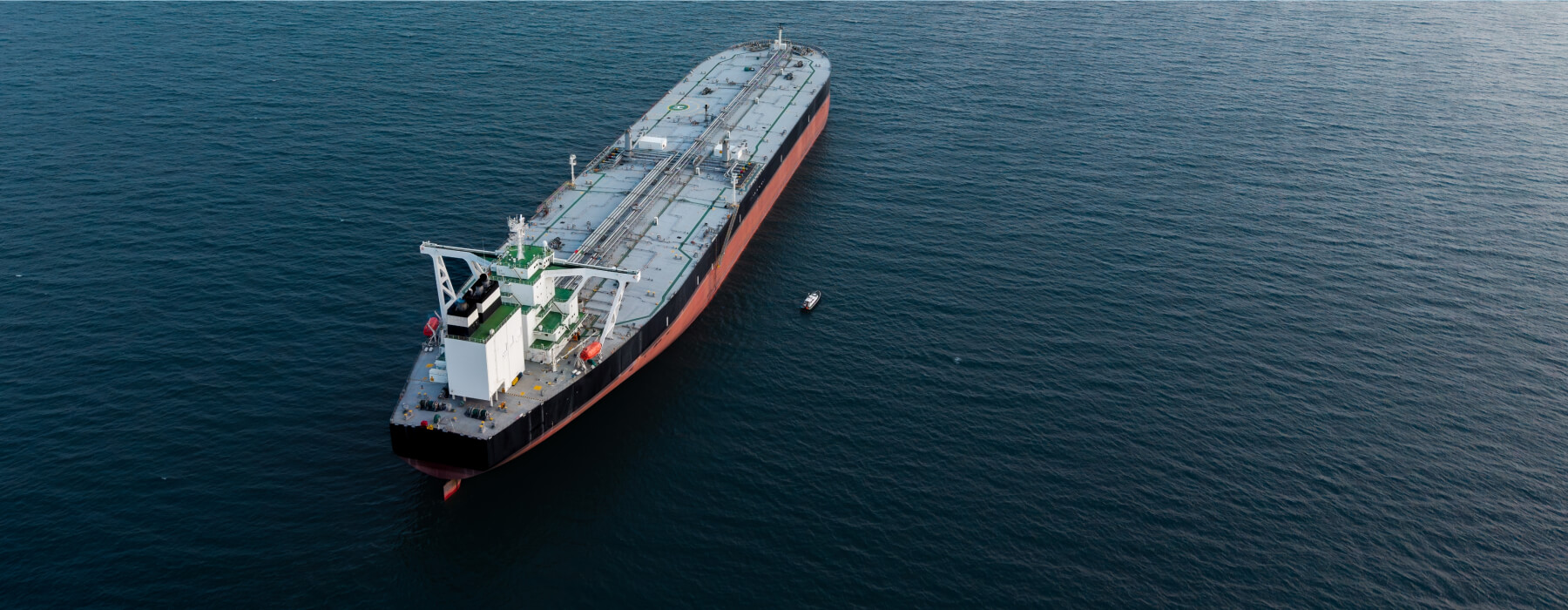
The arrangement, quietly facilitated with US knowledge, allows Qatari liquefied natural gas tankers to pass through Iranian-approved northern routes in exchange for tolls collected by IRGC intermediaries. Qatar, which holds around $6 billion in frozen Iranian assets, has emerged as the central player in a complex web connecting Washington, Tehran, Islamabad, and the global energy supply chain.
How the Hormuz crisis became a crypto story
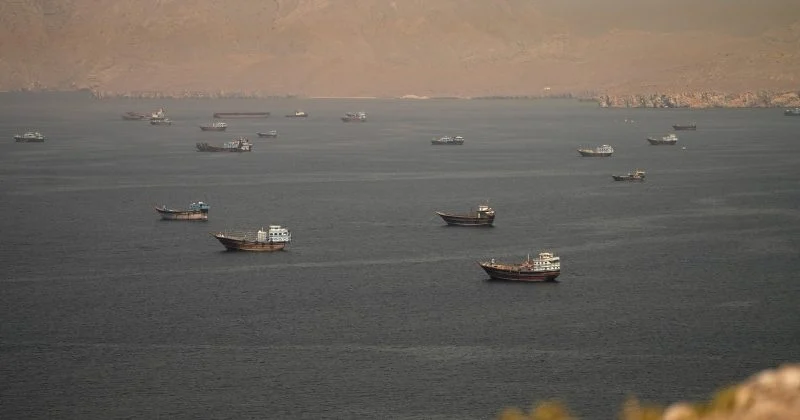
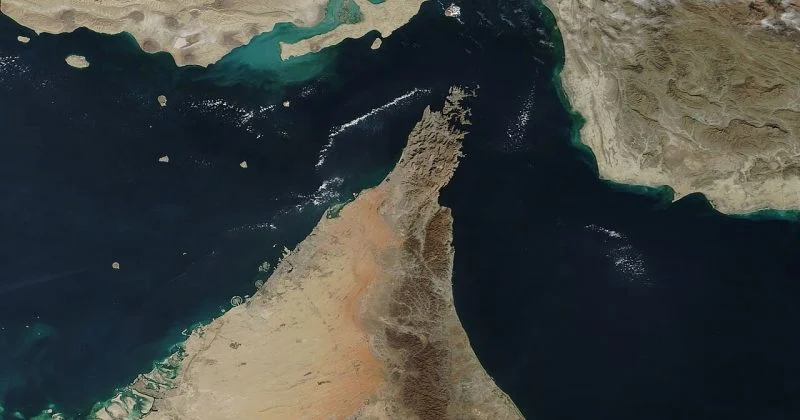
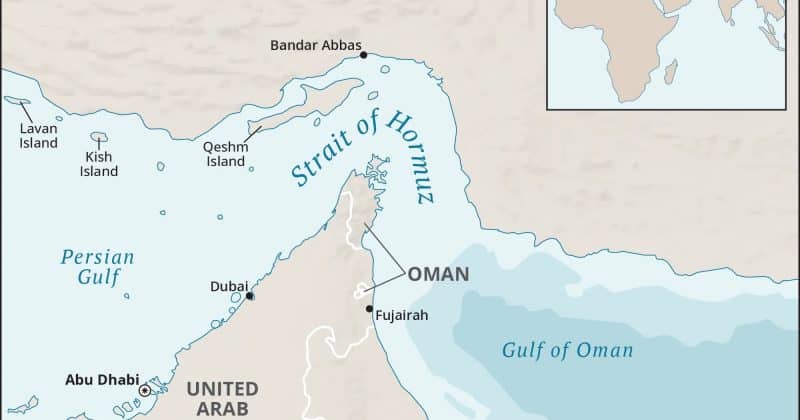
The crisis traces back to February 28, 2026, when Iran began blocking shipping lanes in the Strait of Hormuz. For context, roughly a fifth of the world’s petroleum passes through that 21-mile-wide bottleneck.
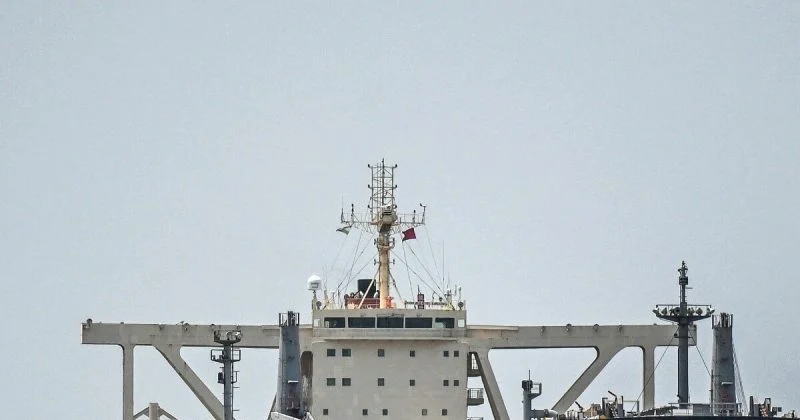
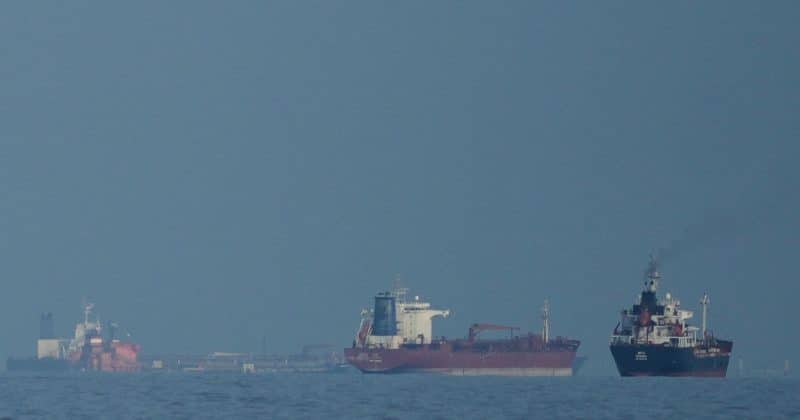
Rather than a complete standoff, what emerged was something more nuanced: a case-by-case transit approval system. Qatari LNG vessels, including the tanker Al Kharaitiyat, have been granted passage through Iran-approved northern routes. The approvals have been mediated by Pakistan, which has its own urgent reasons for keeping the gas flowing, namely a persistent energy crisis that has made securing LNG shipments a national priority.