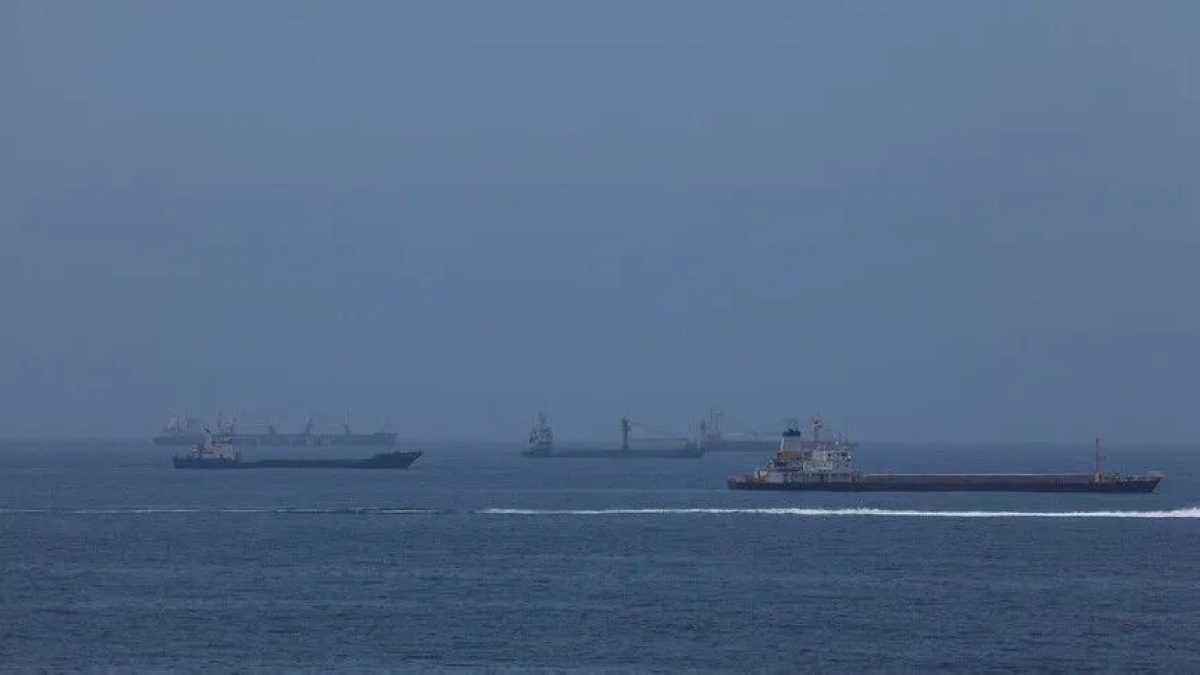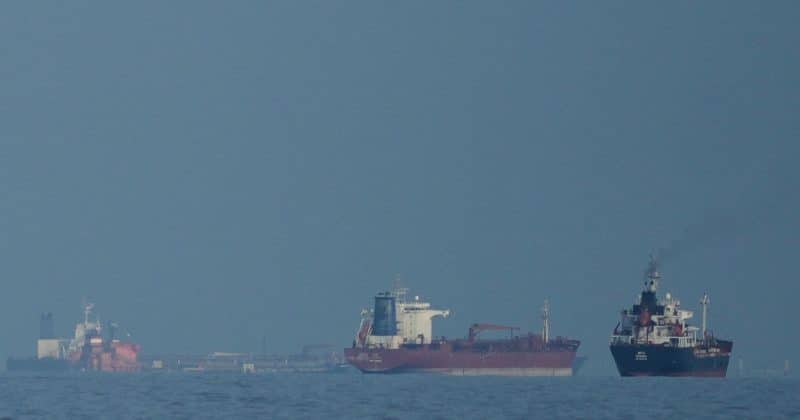
Qatari officials sat down with Iranian and Omani counterparts in Muscat on July 11 to discuss reopening the central passage through the Strait of Hormuz. The talks are focused on crafting a joint statement that would restore free shipping transit through the waterway responsible for roughly 20% of global seaborne oil trade.
Iran has been charging transit fees for passage through the strait during the 2026 crisis, and it’s accepting payment in Bitcoin and USDT alongside rials and yuan, at rates reportedly around $1 per barrel.
What happened to the Strait of Hormuz
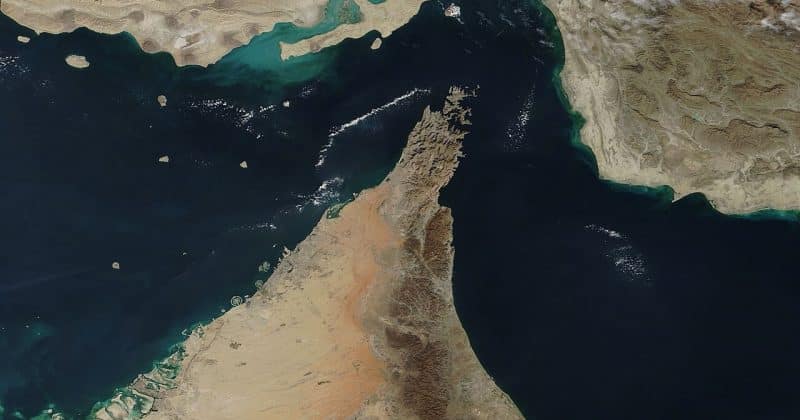
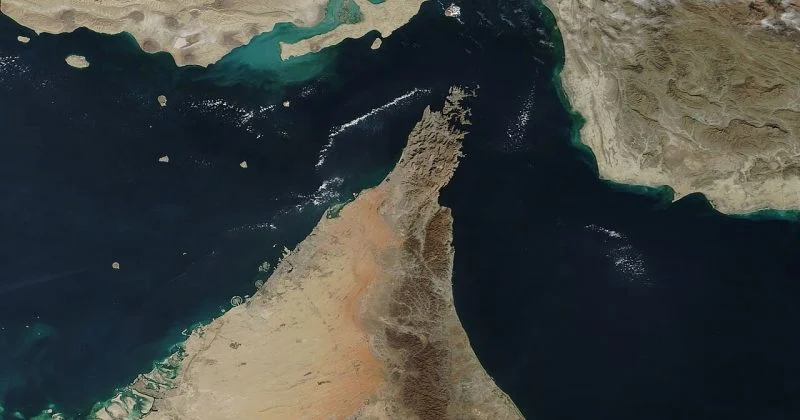
The Strait of Hormuz is a narrow waterway between Iran and Oman. Before the 2026 conflict, approximately 20 million barrels of oil per day flowed through it.
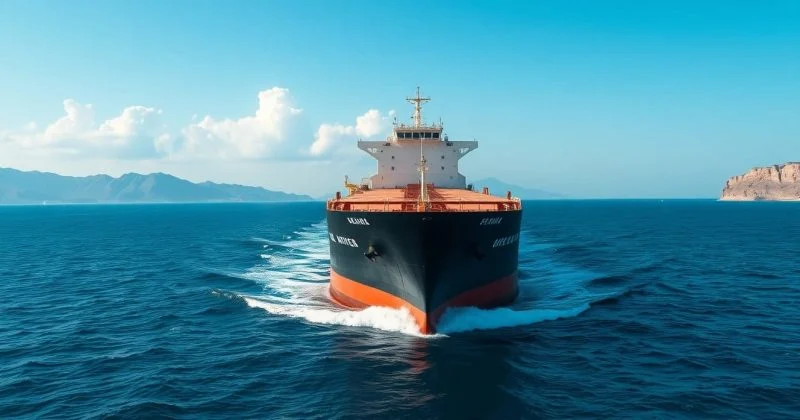
During the crisis, Iran imposed severe restrictions on shipping traffic and began levying transit fees on vessels passing through. Brent and WTI both spiked above $100 per barrel as traders priced in the possibility that a significant chunk of global supply could be bottlenecked indefinitely.