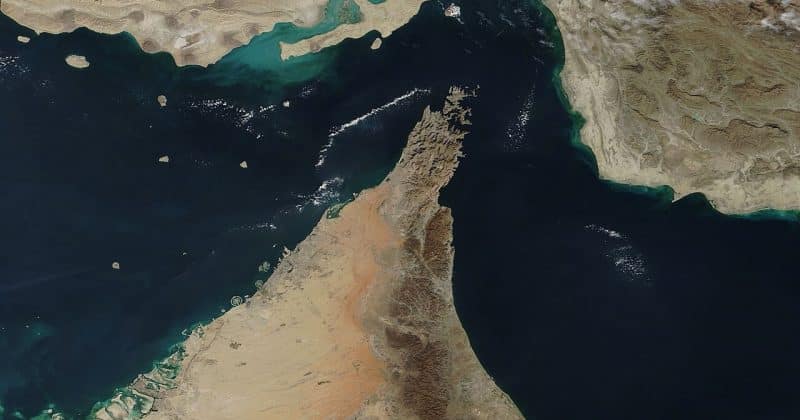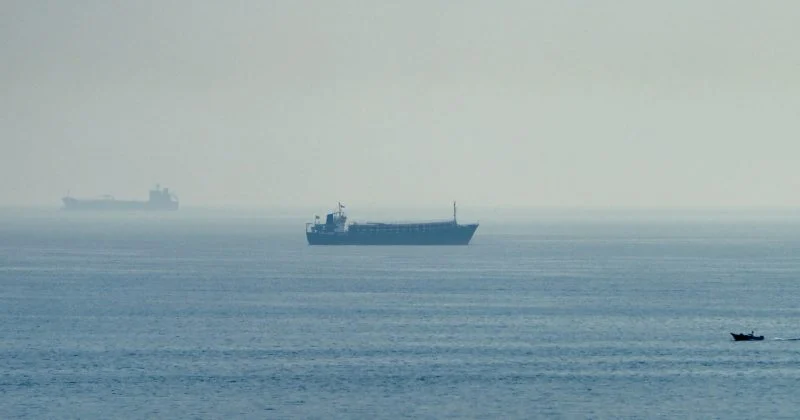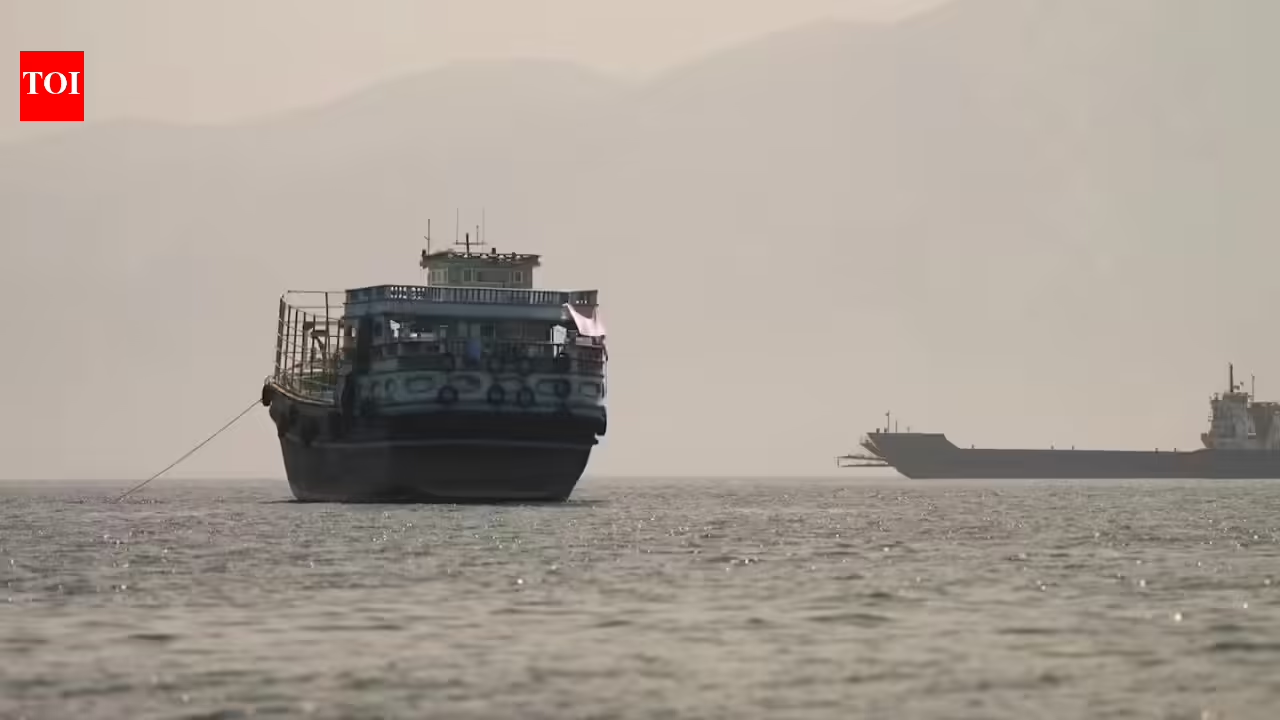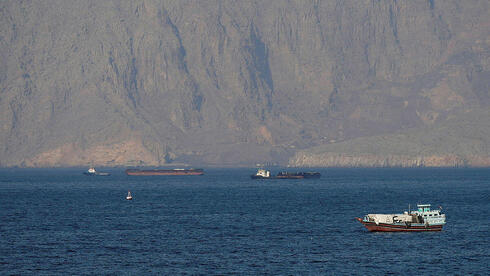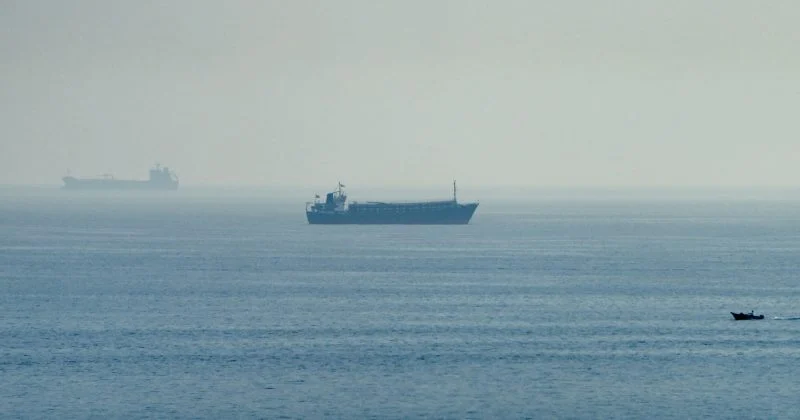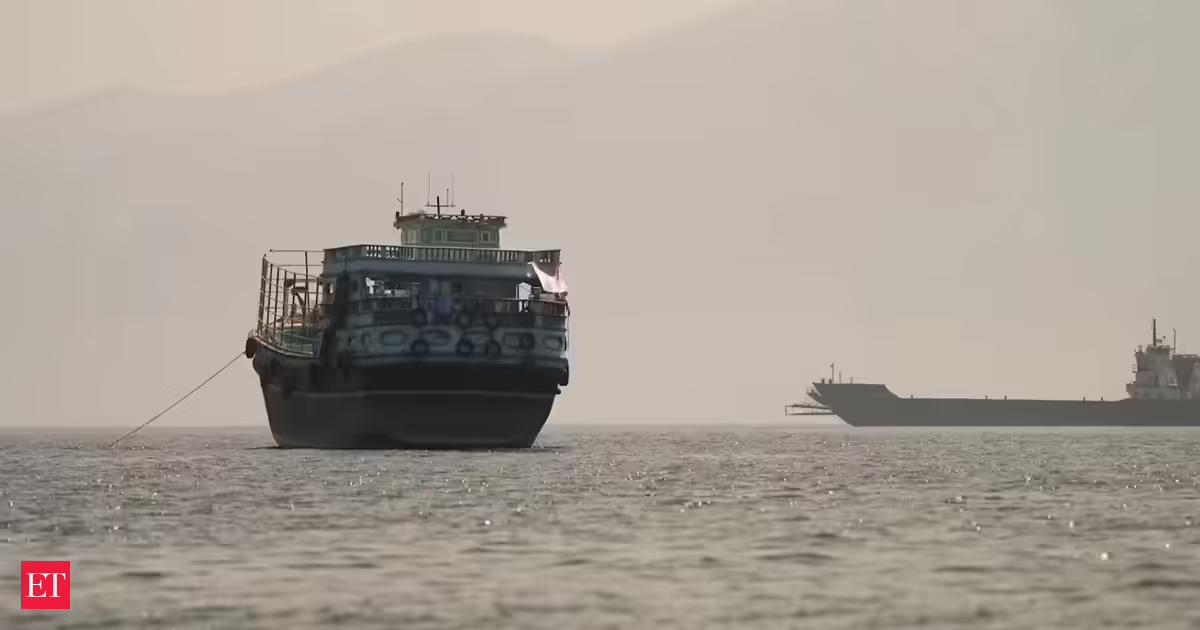
The US and Oman are working to neutralize Iran’s bid to charge fees on ships transiting the Strait of Hormuz, one of the most consequential chokepoints in global energy markets. Roughly a fifth of the world’s oil supply passes through this narrow waterway every day, and Iran wants to start collecting tolls for the privilege.
Reports from earlier this year indicated that Tehran has been exploring Bitcoin and other cryptocurrencies as payment mechanisms for tanker tolls, a move that would effectively weaponize digital assets to sidestep US sanctions.
What Iran is proposing
Iran and Oman have put forward plans to charge what they’re calling “voluntary” service fees for navigational assistance through the Strait. By labeling fees as voluntary contributions rather than mandatory tolls, both countries aim to sidestep international legal frameworks that protect freedom of navigation in strategic waterways.
Iran estimates potential annual revenues of around $40 billion from these fees. Oman formally submitted its proposal in June 2026, establishing a framework that mirrors fee structures already in place at the Straits of Malacca and Singapore.