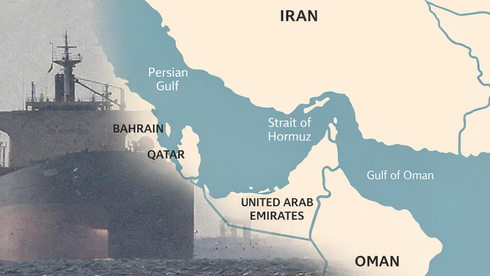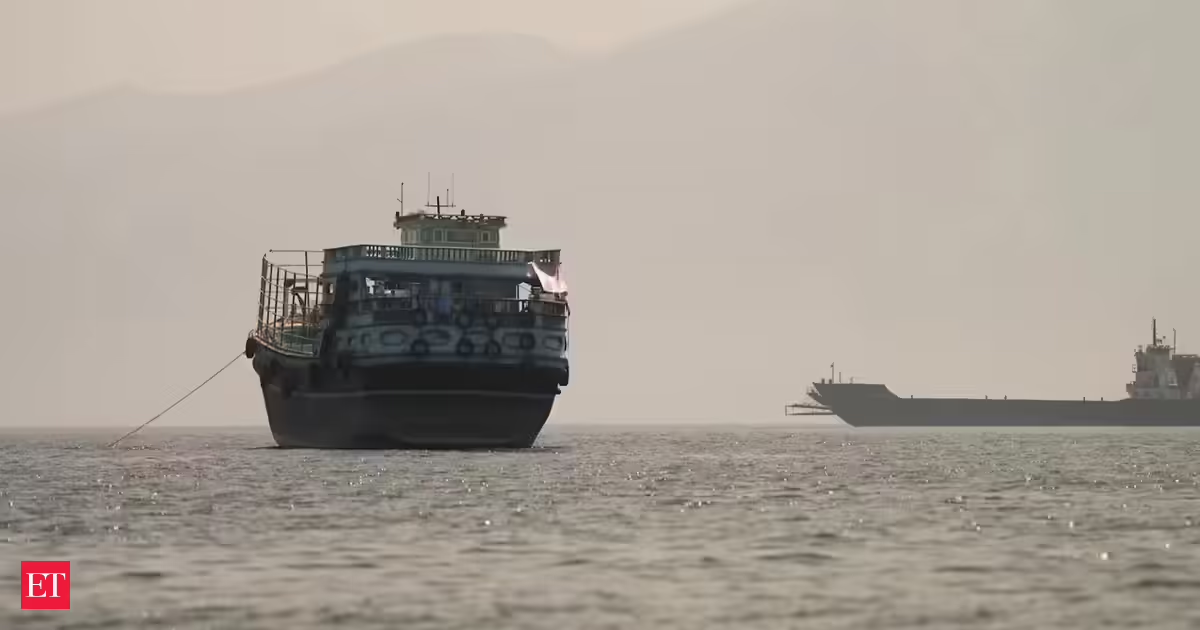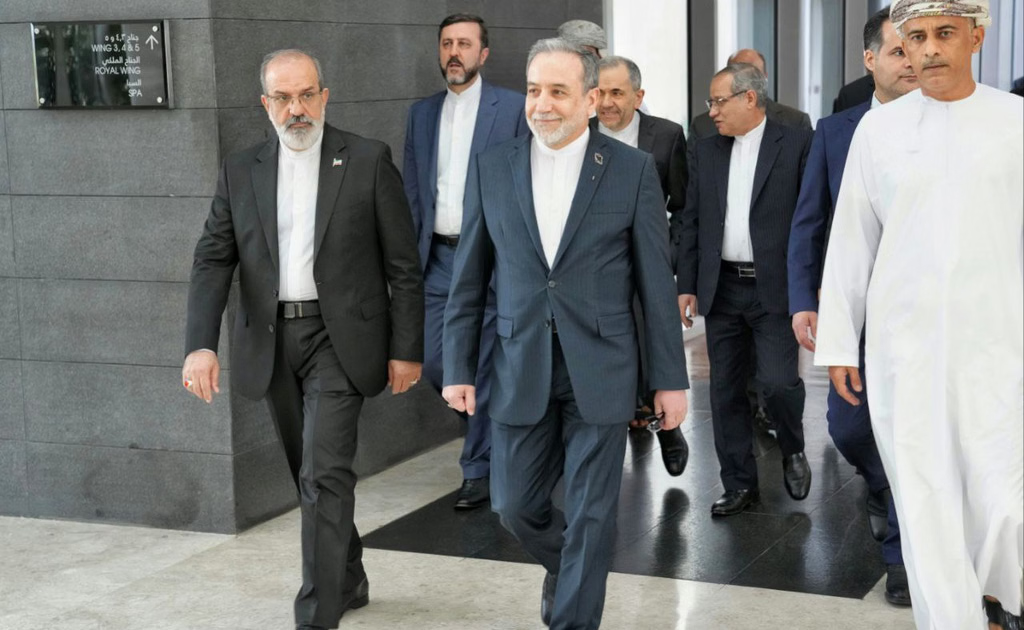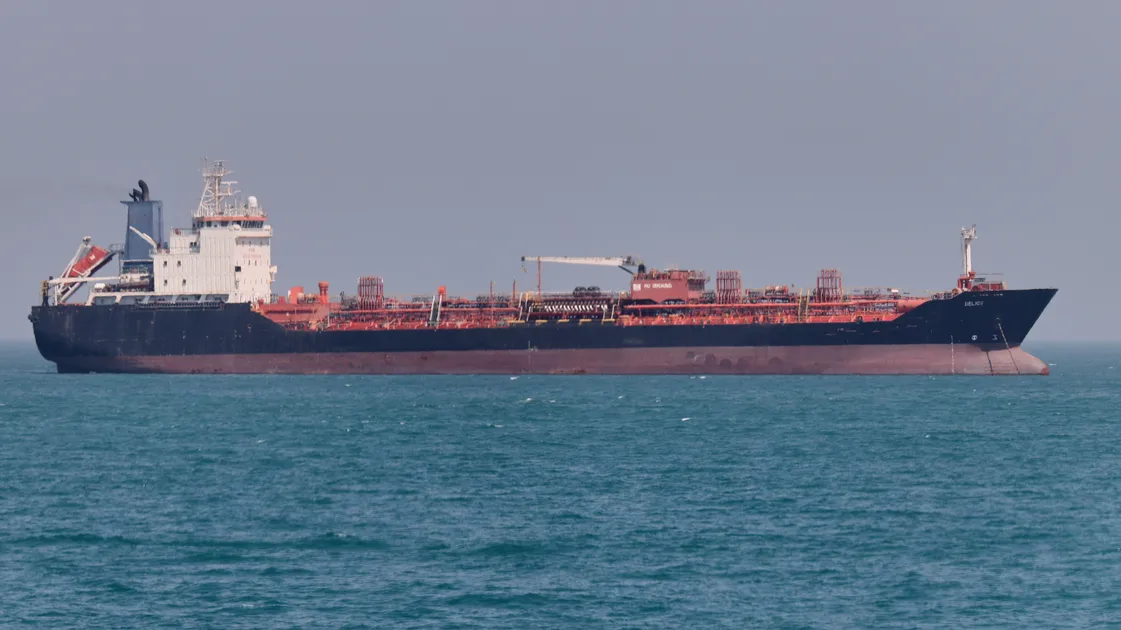
Talks over possible transit and service charges come despite US warnings, as Iran’s blockade disrupts shipping and Tehran seeks new ways to bypass sanctionsynet| Related TopicsIran has held talks with Oman on jointly collecting fees from ships passing through the Strait of Hormuz, The New York Times reported on Friday, despite Trump administration warnings against cooperating with Tehran’s demand for payment to transit the critical waterway.The strait has effectively been blocked since the start of U.S. and Israeli strikes on Iran in late February.2 View gallery The Strait of Hormuz (Photo: REUTERS/Stringer/File Photo)Two people familiar with the discussions told the Times that Iran is planning a fee system not only for passage through the strait but also for services provided to ships moving through the area. Oman initially rejected the idea of joint ownership of the strait with Iran, the report said, but is now discussing what share of revenue it could receive if the plan moves forward.The sources said Oman told Iran it was prepared to use its influence with Gulf neighbors, including Bahrain, Kuwait, Qatar, Saudi Arabia and the United Arab Emirates, as well as with the United States, to advance the proposal after recognizing its potential economic benefits. Oman has long served as a mediator between Washington and Tehran and has hosted both open and secret negotiations between the sides.It remains unclear whether Iran and Oman will reach an agreement, but the talks appear to indicate that the United States and Iran are not close to a deal to end the war. Iranian threats have continued. President Masoud Pezeshkian wrote Friday that Iran was prepared to make any sacrifice for its honor and glory and “will not surrender to any power.”The Times said Iran’s blockade of the strait has paralyzed international shipping and driven up gas and oil prices worldwide. Iran began promoting the idea of collecting fees from ships after a ceasefire took effect. Iranian officials have said in recent weeks they may demand payment for services, transit fees or environmental protection charges from vessels passing through Hormuz.2 View gallery US President Donald Trump (Photo: Kent NISHIMURA / AFP)U.S. President Donald Trump has repeatedly rejected the possibility of Iran collecting transit fees in the strait. At one point, he said the United States could collect fees because it had won the war. On Friday, however, he said in the Oval Office, “We want it open, we want it free. We don't want tolls. It's an international waterway.”Secretary of State Marco Rubio also rejected the Iranian proposal, saying, “It would be unacceptable. It would make a diplomatic deal unfeasible if they were to continue to pursue that.”Meanwhile, Iran is continuing efforts to raise resources to ensure the regime’s survival. The Wall Street Journal reported that a network run by Babak Zanjani, an Iranian who describes himself as an “anti-sanctions activist,” carried out $850 million in transactions over the past two years on the cryptocurrency exchange Binance.Experts identified additional money movements in accounts linked to Iran and assessed that the crypto exchange served as a major channel for the Revolutionary Guards to bypass economic sanctions, allowing large sums to flow to the Iranian regime and helping preserve its operations.Binance founder Changpeng Zhao was pardoned by Trump in October. In 2023, Zhao pleaded guilty to violating U.S. anti-money laundering laws and served four months in prison.Comments
Iran, Oman test toll plan in Hormuz showdown
Talks over possible transit and service charges come despite US warnings, as Iran’s blockade disrupts shipping and Tehran seeks new ways to bypass sanctions
557 words~3 min read