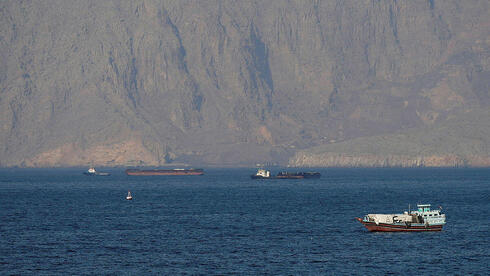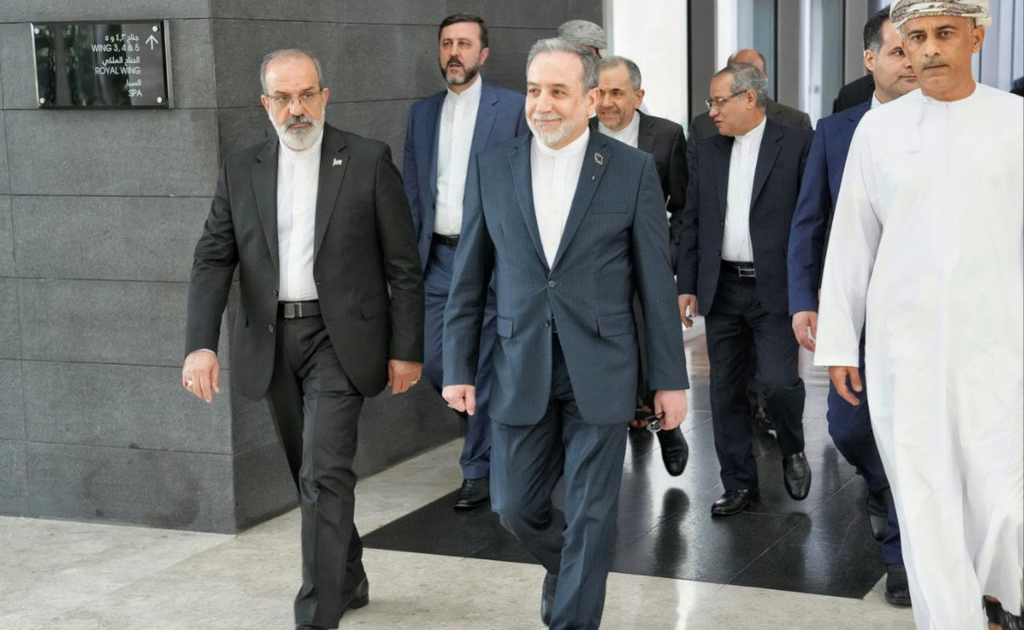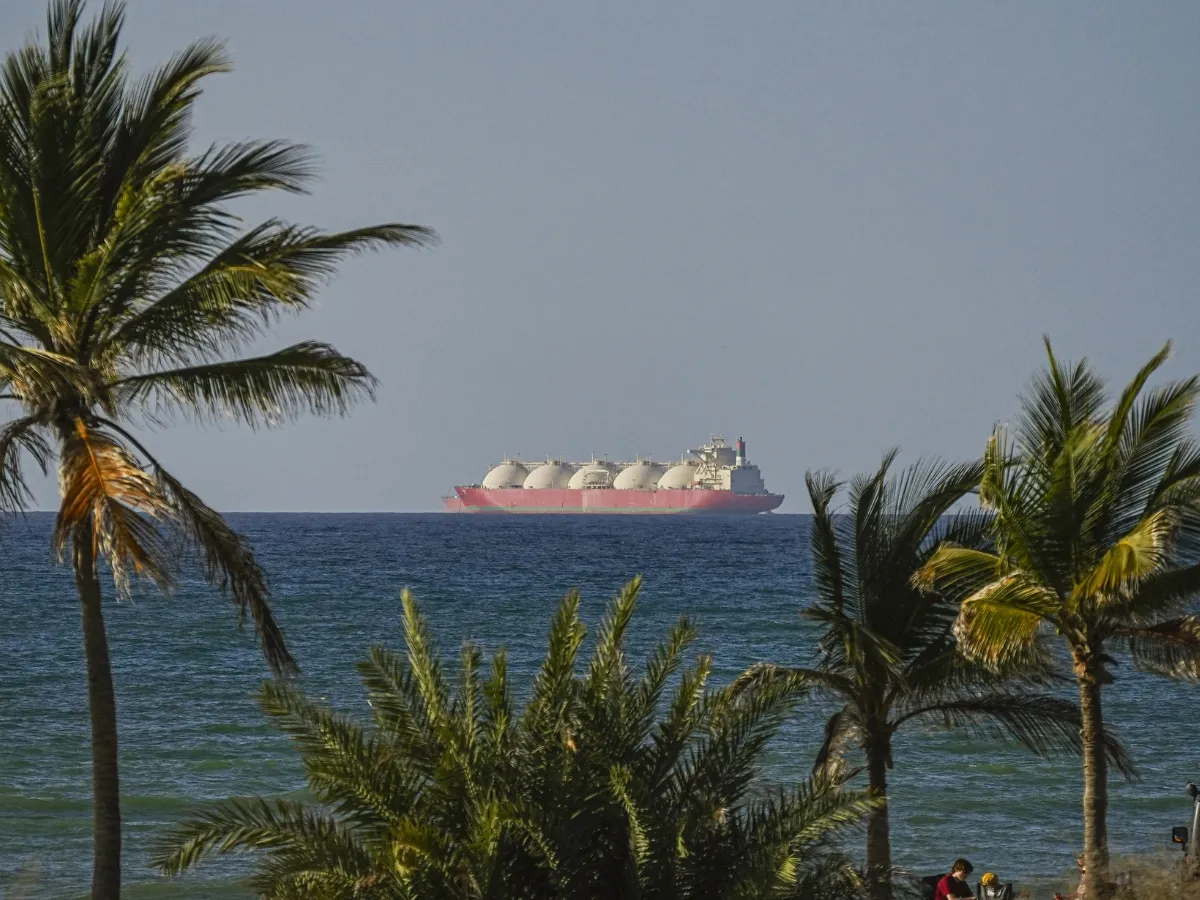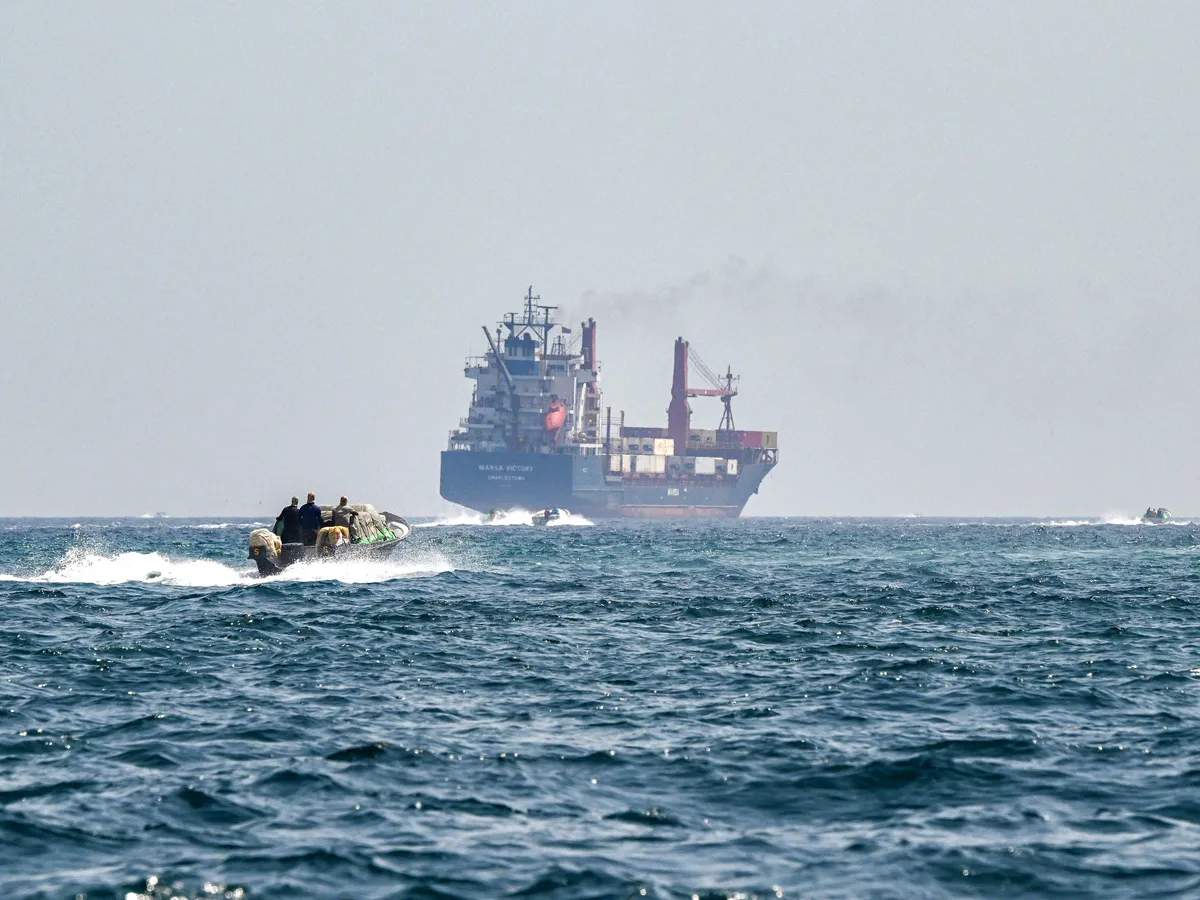
Skip to Content News Archives Economy Energy Oil & Gas Renewables Electric Vehicles Mining Commodities Agriculture Real Estate Mortgages Mortgage Rates Finance Banking Insurance Fintech Cryptocurrency Work Wealth Smart Money Wealth Management Investor Personal Finance Family Finance Retirement Taxes High Net Worth FP Comment Executive Women Puzzmo Newsletters Financial Times Business Essentials More Innovation Information Technology FP500 Podcasts Small Business Lives Told Tails Told Shopping Financial Post Store Obituaries Place a Notice Advertising Advertising With Us Advertising Solutions Postmedia Ad Manager Sponsorship Requests Classifieds Place a Classifieds ad Working Profile Settings My Subscriptions Saved Articles My Offers Newsletters Customer Service FAQ News Economy Energy Mining Real Estate Finance Work Wealth Investor FP Comment Executive Women Puzzmo Newsletters Financial Times Business Essentials HomeCommoditiesEconomyIran in talks with Oman over permanent Hormuz toll systemTehran has signalled it will keep control over Hormuz even after the war, to deter future attacks from the U.S. and IsraelAuthor of the article:Last updated 2 hours ago You can save this article by registering for free here. Or sign-in if you have an account.The Hormuz strait is a key sticking point, with Europe and Gulf Arab states such as Saudi Arabia also saying Iran cannot have control over a chokepoint that has always been treated like international waters. Photo by Giuseppe CACACE/AFP via Getty ImagesIran is discussing with Oman how to set up some form of a permanent toll system that will formalize its control of maritime traffic through the Strait of Hormuz.Subscribe now to read the latest news in your city and across Canada.Exclusive articles from Barbara Shecter, Joe O'Connor, Gabriel Friedman, and others.Daily content from Financial Times, the world's leading global business publication.Unlimited online access to read articles from Financial Post, National Post and 15 news sites across Canada with one account.National Post ePaper, an electronic replica of the print edition to view on any device, share and comment on.Daily puzzles, including the New York Times Crossword.Subscribe now to read the latest news in your city and across Canada.Exclusive articles from Barbara Shecter, Joe O'Connor, Gabriel Friedman and others.Daily content from Financial Times, the world's leading global business publication.Unlimited online access to read articles from Financial Post, National Post and 15 news sites across Canada with one account.National Post ePaper, an electronic replica of the print edition to view on any device, share and comment on.Daily puzzles, including the New York Times Crossword.Create an account or sign in to continue with your reading experience.Access articles from across Canada with one account.Share your thoughts and join the conversation in the comments.Enjoy additional articles per month.Get email updates from your favourite authors.Create an account or sign in to continue with your reading experience.Access articles from across Canada with one accountShare your thoughts and join the conversation in the commentsEnjoy additional articles per monthGet email updates from your favourite authorsSign In or Create an Accountor“Iran and Oman must mobilize all their resources both to provide security services and to manage navigation in the most appropriate manner,” the Iranian ambassador to France, Mohammad Amin-Nejad, said in an interview with Bloomberg in Paris on Wednesday.“This will entail costs, and it goes without saying that those who wish to benefit from this traffic must also pay their share,” he said in Farsi, through an interpreter, adding that the system will be transparent. “And if today there is any desire for the situation to improve, a solution must be found to tackle the root of the problem.”Asked about the plan, United States President Donald Trump rejected it.“We want it open, we want it free, we don’t want tolls,” Trump told reporters at the White House on Thursday, referring to the Strait of Hormuz. Oman’s government didn’t immediately respond to a request for comment.Iran effectively closed the waterway in response to U.S.-Israeli airstrikes that triggered the war in late February by firing missiles at Washington’s Arab allies across the energy-rich Persian Gulf.The subsequent security crisis has all but paralyzed shipping in one of the world’s most important trade routes. U.S.-Israeli attacks on Iran have killed thousands of people and caused significant damage to infrastructure.Situated between Iran to its north and Oman to the south, the strait connects the Persian Gulf to the Indian Ocean and normally handles a fifth of the world’s oil and liquefied natural gas supplies, as well as other commodities such as aluminum and fertilizers.Iran has been letting through few vessels while the U.S. navy has been blockading Iranian ports since April 13. That’s caused energy prices to soar and sparked a global selloff of government bonds as inflationary pressures mount.Amin-Nejad insisted that traffic hasn’t been completely interrupted and Iran has claimed, without giving evidence, that 26 tankers and other ships transited between Tuesday and Wednesday with the help of the Islamic Revolutionary Guard Corps.That would be an unusually high number for recent weeks, but still far below pre-war levels of roughly 135 ships a day.Amin-Nejad blamed exorbitant insurance costs for the decline, though shipping companies say the risk of missile and drone attacks, as well as hitting sea mines, is the main problem. Most say they won’t send vessels through the strait until the war’s over.Iran and the U.S. agreed to a fragile ceasefire on April 8 and are exchanging messages via Pakistan about a peace deal. The warring sides still seem far apart and have both said in recent days they’re prepared to resume hostilities.The Hormuz strait is a key sticking point, with Europe and Gulf Arab states such as Saudi Arabia also saying Iran cannot have control over a chokepoint that has always been treated like international waters.Now, Iran has expanded its claimed area of jurisdiction and set out new rules for vessels seeking to transit the waterway, which is roughly 24 miles (39 kilometres) wide at the narrowest point. That involves seafarers dealing with a new body called the Persian Gulf Strait Authority and sometimes getting payment requests of as much as US$2 million for safe passage.Iran says countries including China and South Korea have coordinated with the IRGC’s navy to get their vessels through. Neither country has confirmed that and Iran hasn’t said if they were charged.Tehran has signalled it will keep control over Hormuz even after the war, to deter future attacks from the U.S. and Israel. It could also be a means of raising revenue for the war-ravaged economy.Trump has gone from suggesting the U.S. itself could start charging fees to telling Iran it “better not be” thinking of tolls. At one point, he even said there could be a U.S.-Iran joint venture for the strait.The head of the United Arab Emirates’ main oil company underscored the concerns of Iran’s Arab neighbours when he said a “dangerous precedent” was being set with Hormuz.“Once you accept that a single country can hold the world’s most important waterway hostage, freedom of navigation as we know it is finished,” Sultan Al Jaber said on Wednesday. “If we do not defend this principle today, we will spend the next decade defending against the consequences.”Amin-Nejad downplayed tensions with the UAE and Saudi Arabia. The countries conducted separate, covert attacks against Iran before the ceasefire, Bloomberg reported. Those were in response to Iran firing thousands of drones and missiles at them and other states such as Qatar and Bahrain.“The most painful or difficult moments for us were those when we had no choice but to attack military bases located on the soil of those countries, from which Iranian territory was being attacked,” Amin-Nejad said, adding that “accumulated misunderstandings” could be easily solved once the war stops.Many of Iran’s projectiles targeted civilian areas and non-military sites such as ports and oil refineries.The ambassador said the U.S. underestimated Iran’s resilience.“Their analysis was based on the belief that by putting pressure on the Iranian people, through sanctions and a sort of total embargo, they would be able to completely resolve the issue within three or four days,” he said. “They imagined that Iran was a second Venezuela,” a reference to the capture of Venezuelan President Nicolas Maduro in January.—With assistance from Jeff Mason and Eric Martin. Join the Conversation This website uses cookies to personalize your content (including ads), and allows us to analyze our traffic. Read more about cookies here. By continuing to use our site, you agree to our Terms of Use and Privacy Policy.
Iran in talks with Oman over permanent Hormuz toll system
Iran is discussing with Oman how to set up a permanent toll system that will formalize its control of the Strait of Hormuz. Read here now
1,384 words~6 min read