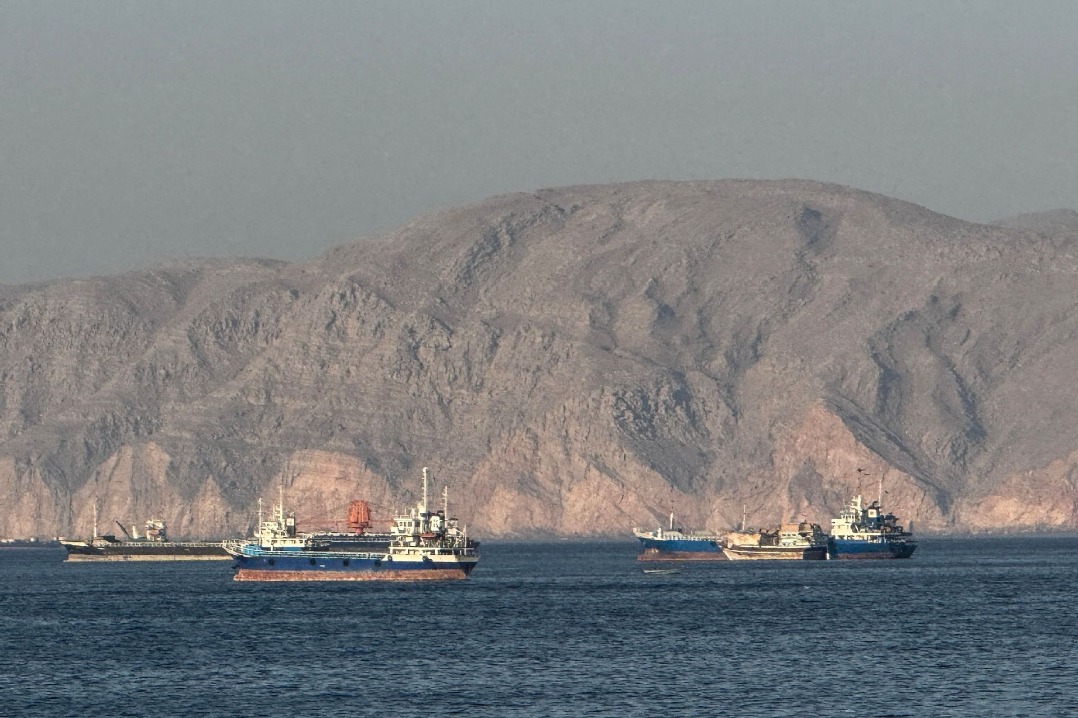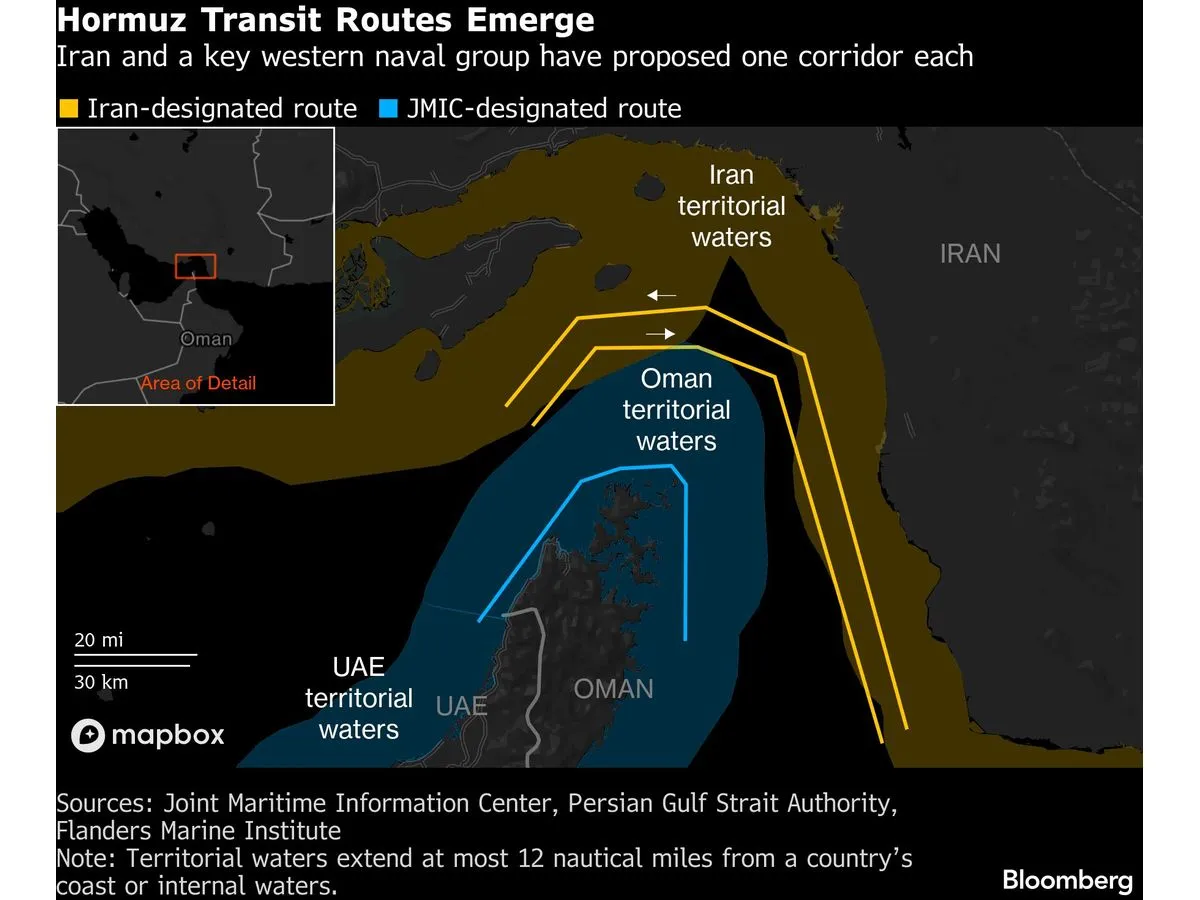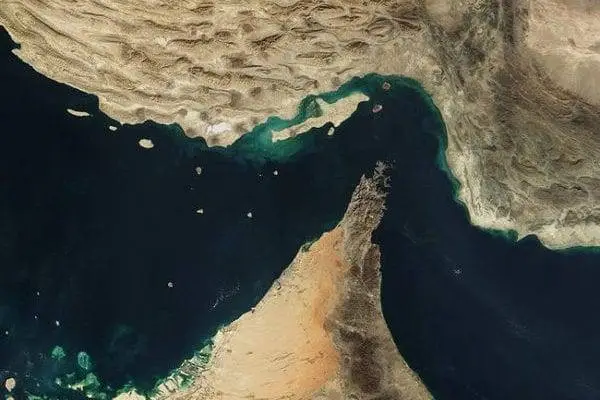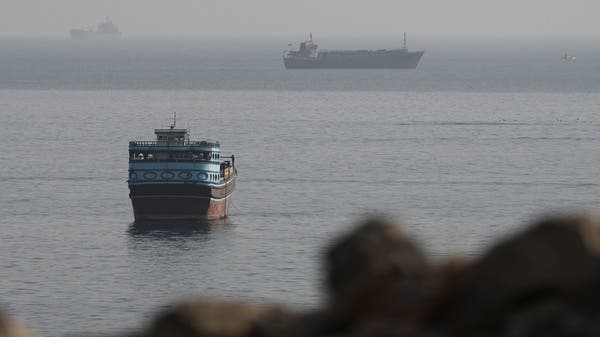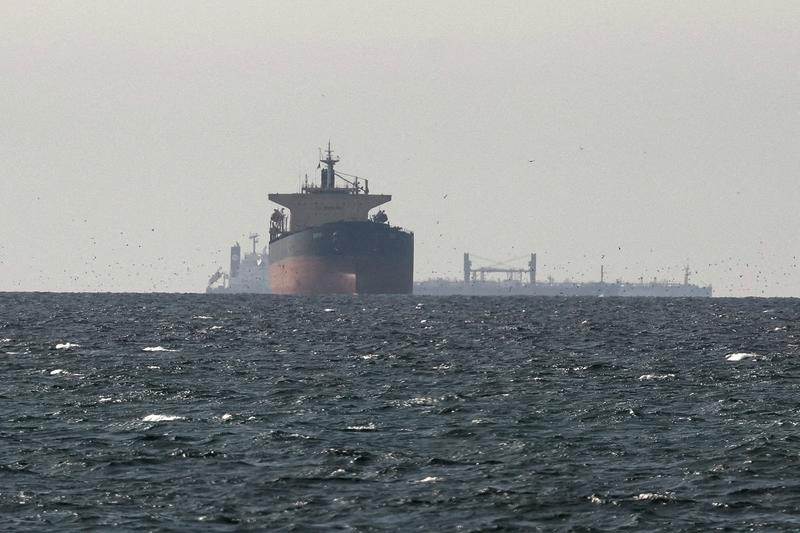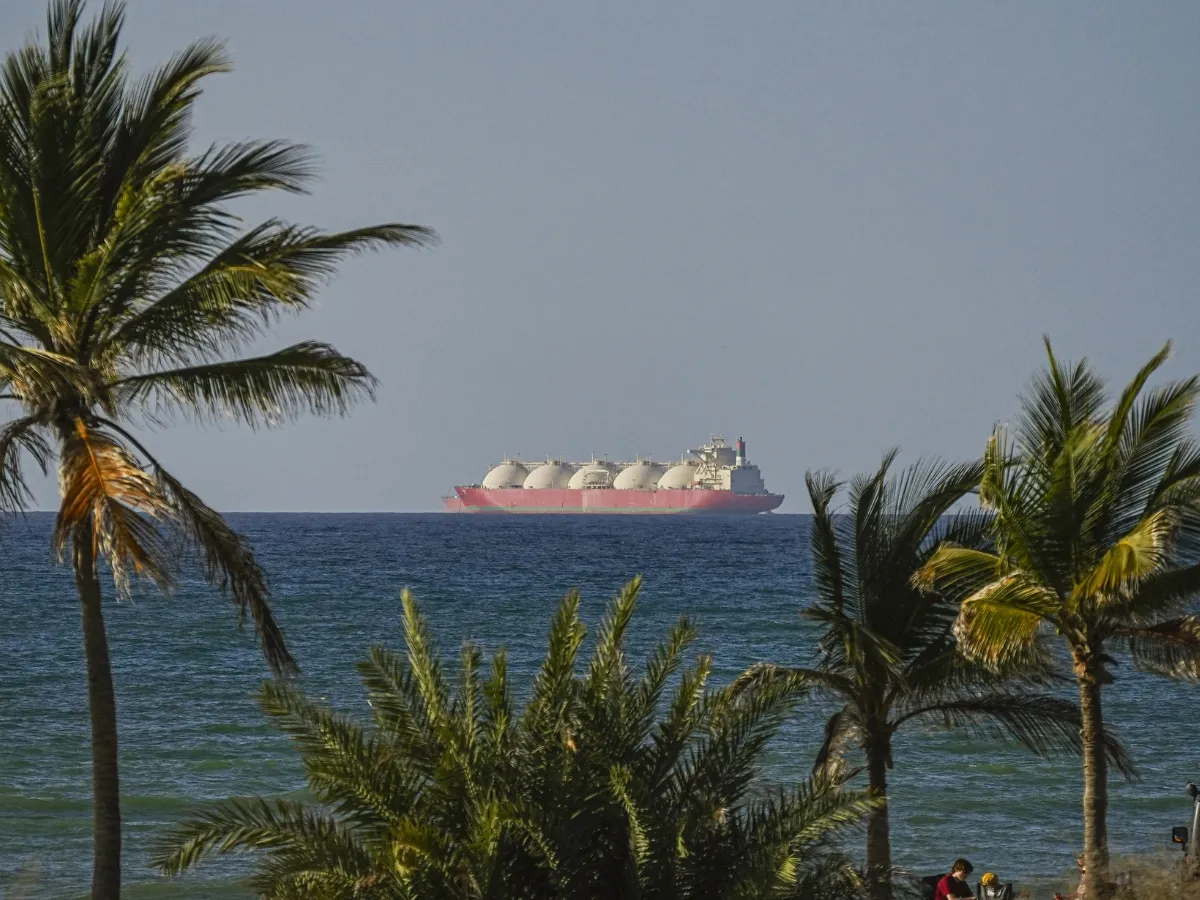
Skip to Content News Archives Economy Energy Oil & Gas Renewables Electric Vehicles Mining Commodities Agriculture Real Estate Mortgages Mortgage Rates Finance Banking Insurance Fintech Cryptocurrency Work Wealth Smart Money Wealth Management Investor Personal Finance Family Finance Retirement Taxes High Net Worth FP Comment Executive Women Puzzmo Newsletters Financial Times Business Essentials More Innovation Information Technology FP500 Podcasts Small Business Lives Told Tails Told Shopping Financial Post Store Obituaries Place a Notice Advertising Advertising With Us Advertising Solutions Postmedia Ad Manager Sponsorship Requests Classifieds Place a Classifieds ad Working Profile Settings My Subscriptions Saved Articles My Offers Newsletters Customer Service FAQ News Economy Energy Mining Real Estate Finance Work Wealth Investor FP Comment Executive Women Puzzmo Newsletters Financial Times Business Essentials HomeCommoditiesNewsIran says deal with Oman on Strait of Hormuz agreed in principleThe developments follow months of deadlock between Washington and Tehran over how to conclude the warAuthor of the article:Last updated 3 hours ago You can save this article by registering for free here. Or sign-in if you have an account.While visible traffic through the strait has been limited, a few millions of barrels a day have continued to cross the waterway even in recent weeks. Photo by Shady Alassar/Anadolu via Getty ImagesThe wait for an Iran–Oman deal that partially reopens the Strait of Hormuz continued into Thursday morning, after the Islamic Republic said an agreement on proposed shipping lanes was in the final stages.Subscribe now to read the latest news in your city and across Canada.Exclusive articles from Barbara Shecter, Joe O'Connor, Gabriel Friedman, and others.Daily content from Financial Times, the world's leading global business publication.Unlimited online access to read articles from Financial Post, National Post and 15 news sites across Canada with one account.National Post ePaper, an electronic replica of the print edition to view on any device, share and comment on.Daily puzzles, including the New York Times Crossword.Subscribe now to read the latest news in your city and across Canada.Exclusive articles from Barbara Shecter, Joe O'Connor, Gabriel Friedman and others.Daily content from Financial Times, the world's leading global business publication.Unlimited online access to read articles from Financial Post, National Post and 15 news sites across Canada with one account.National Post ePaper, an electronic replica of the print edition to view on any device, share and comment on.Daily puzzles, including the New York Times Crossword.Create an account or sign in to continue with your reading experience.Access articles from across Canada with one account.Share your thoughts and join the conversation in the comments.Enjoy additional articles per month.Get email updates from your favourite authors.Create an account or sign in to continue with your reading experience.Access articles from across Canada with one accountShare your thoughts and join the conversation in the commentsEnjoy additional articles per monthGet email updates from your favourite authorsSign In or Create an AccountorThe two countries that border the crucial waterway have been negotiating a plan for the management of maritime traffic through the strait since last month. In recent days, Iran and the United States have indicated a resolution is close.“An understanding in principle has been reached on almost all the raised issues, including the map for maritime traffic entry and exit routes,” Iran’s Deputy Foreign Minister Kazem Gharibabadi said to the Islamic Republic News Agency on Tuesday.Breaking business news, incisive views, must-reads and market signals. Weekdays by 9 a.m.By signing up you consent to receive the above newsletter from Postmedia Network Inc.A welcome email is on its way. If you don't see it, please check your junk folder.The next issue of Posthaste will soon be in your inbox.We encountered an issue signing you up. Please try againYet, he cautioned a bilateral deal with Muscat “does not mean the full reopening of the Strait of Hormuz.” Tehran has insisted the U.S. is not part of the agreement with Oman and hinted that a normalization of the strait will depend on Washington lifting its blockade on Iranian ports.U.S. President Donald Trump repeated late Tuesday that a deal regarding the strait is imminent and that his administration is in contact with Iran. “We are talking. Let’s see what happens,” he said at a rally in Las Vegas.The president has claimed diplomatic breakthroughs in the past, only for a lasting agreement to prove elusive.The waiting pattern was reflected in oil markets, where prices swung between small gains and losses as traders assessed the likelihood of a speedy increase in oil flows from the Persian Gulf. Brent crude traded up slightly to US$79.60 a barrel on Thursday.Any deal for the Strait of Hormuz would have to be approved by Iran’s Supreme Leader Mojtaba Khamenei, who has been in hiding since being injured in the initial attacks of the war by the U.S. and Israel, in February. It’s unclear if he’s given his consent yet and Iranian officials have said that communicating with him takes time.President Masoud Pezeshkian said in a televised interview on Wednesday that communication with Khamenei has become “very difficult at the moment.” Oil tankers and cargo vessels remain anchored off Port Sultan Qaboos on June 21, 2026 in Muscat, Oman. Photo by Elke Scholiers/Getty ImagesThe developments follow months of deadlock between Washington and Tehran over how to conclude the war, with control over shipping a particular sticking point. Tehran has demanded that vessels obtain its permission to cross and possibly pay fees of some kind. It has continued to attacked ships it deems to be in violation in recent weeks.Fighting between the sides has largely paused for now, but a number of other issues remain unresolved. The deal on Hormuz may enable them to get back to the negotiating table to address Iran’s nuclear program.While visible traffic through the strait has been limited, a few millions of barrels a day have continued to cross the waterway even in recent weeks.Middle Eastern producers have ferried cargoes out of the Gulf as part of a shuttle program involving help from the U.S. military and vessels turning off their transponders. Some, such as Saudi Arabia and the United Arab Emirates, are managing to bypass the strait by piping a significant amount of their oil to ports outside the Persian Gulf. Join the Conversation This website uses cookies to personalize your content (including ads), and allows us to analyze our traffic. Read more about cookies here. By continuing to use our site, you agree to our Terms of Use and Privacy Policy.
Iran says deal with Oman on Strait of Hormuz agreed in principle
The wait for an Iran-Oman deal that partially reopens the Strait of Hormuz continued into Thursday morning. Find out more here
1,061 words~5 min read