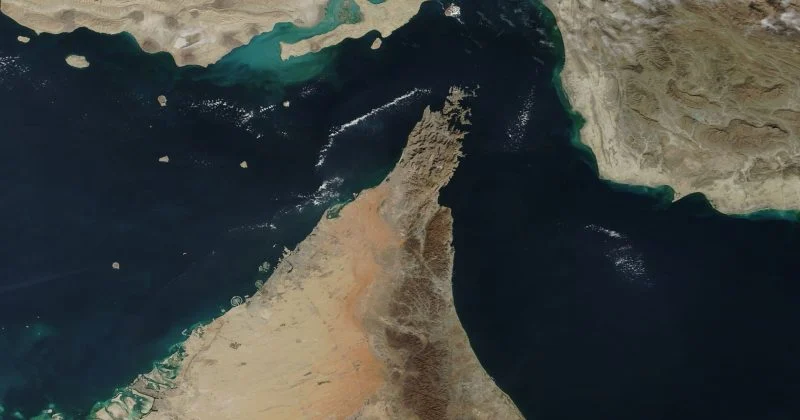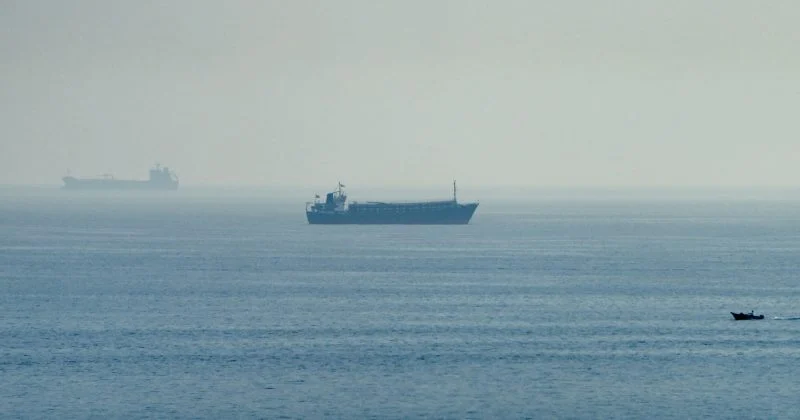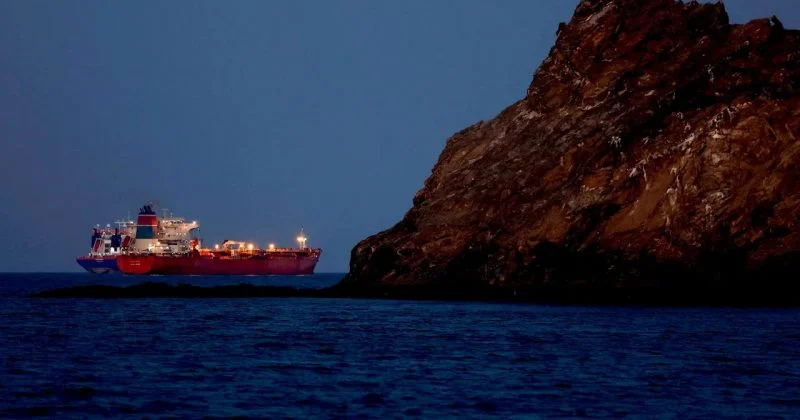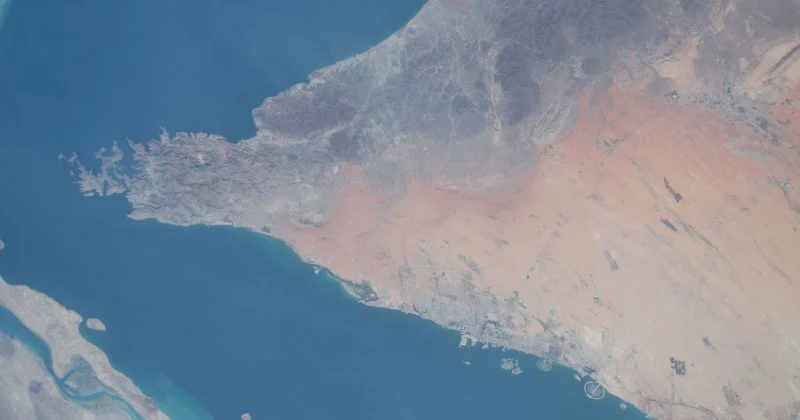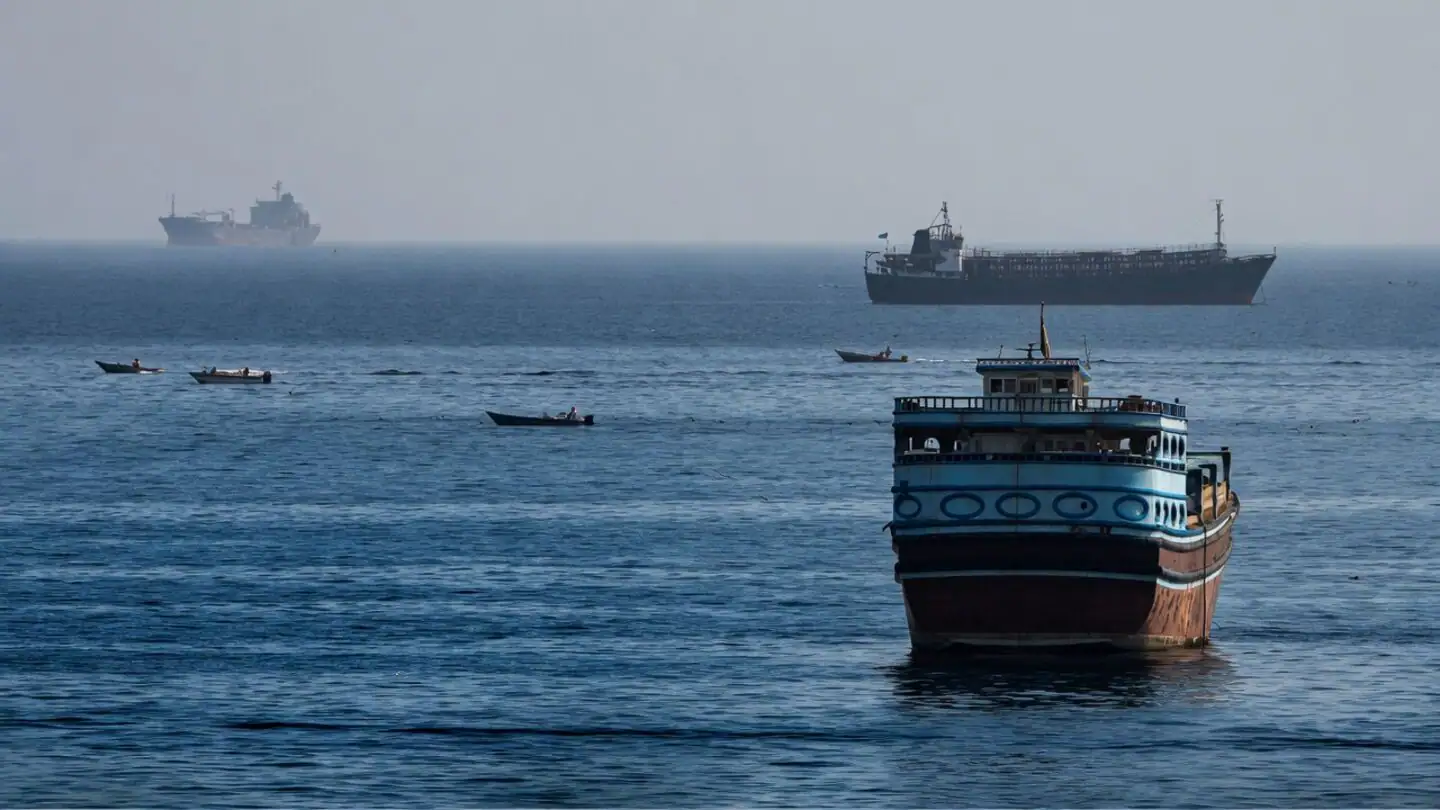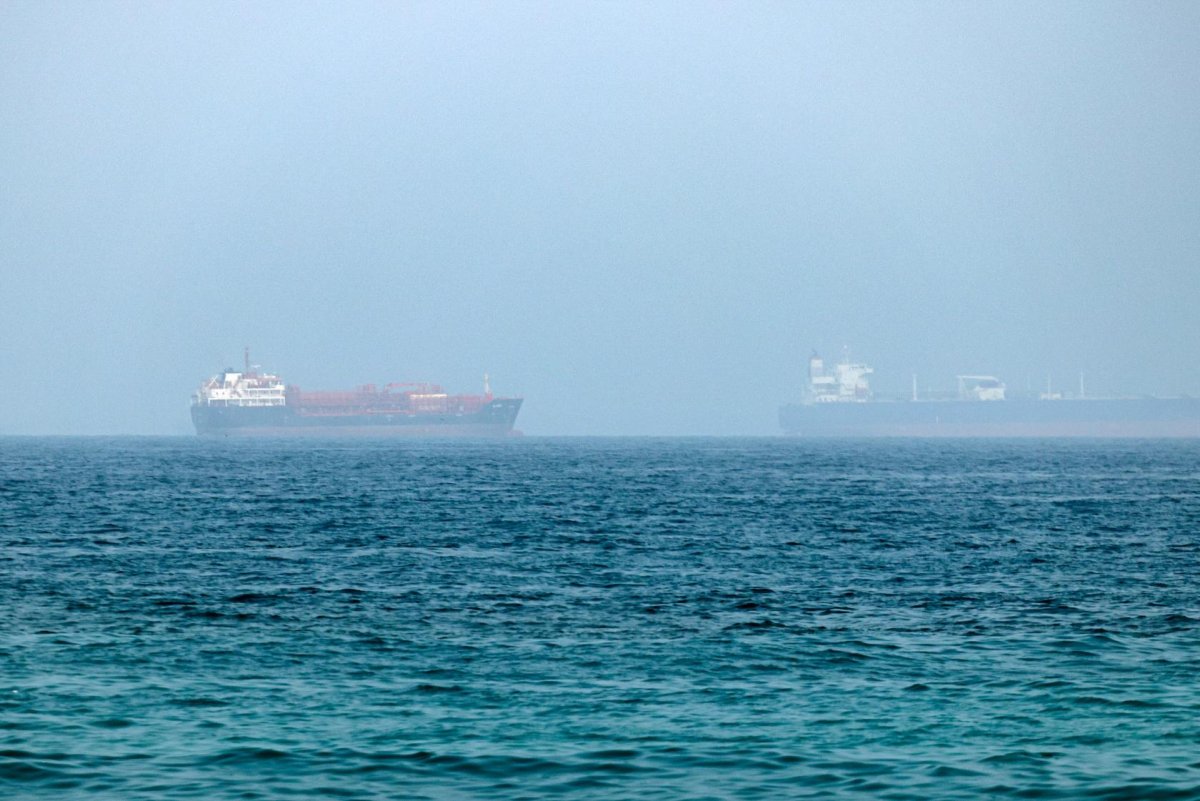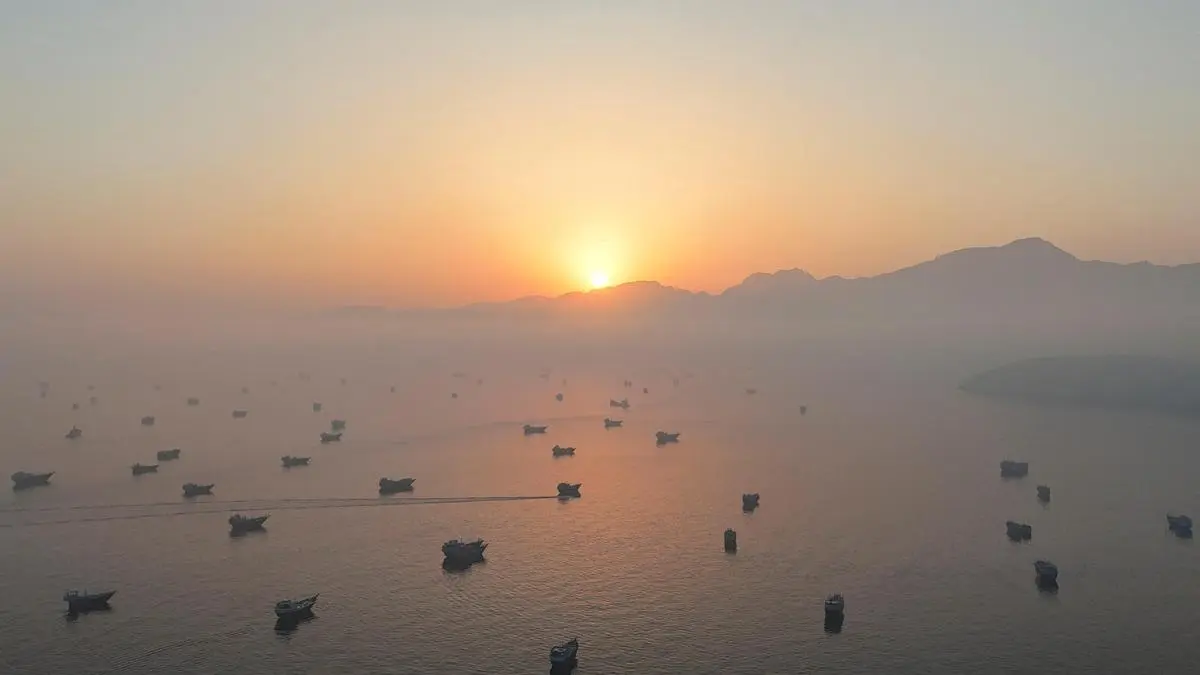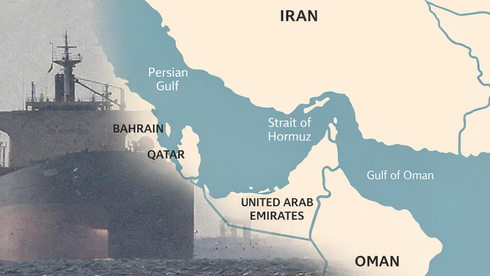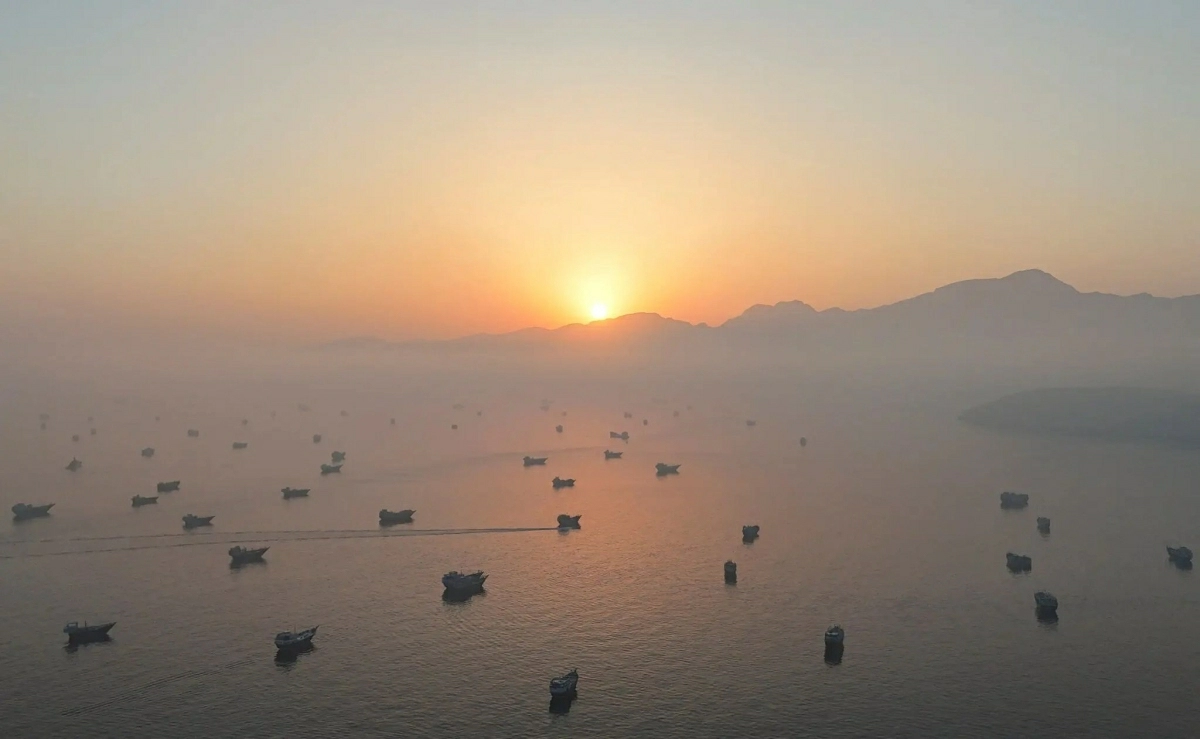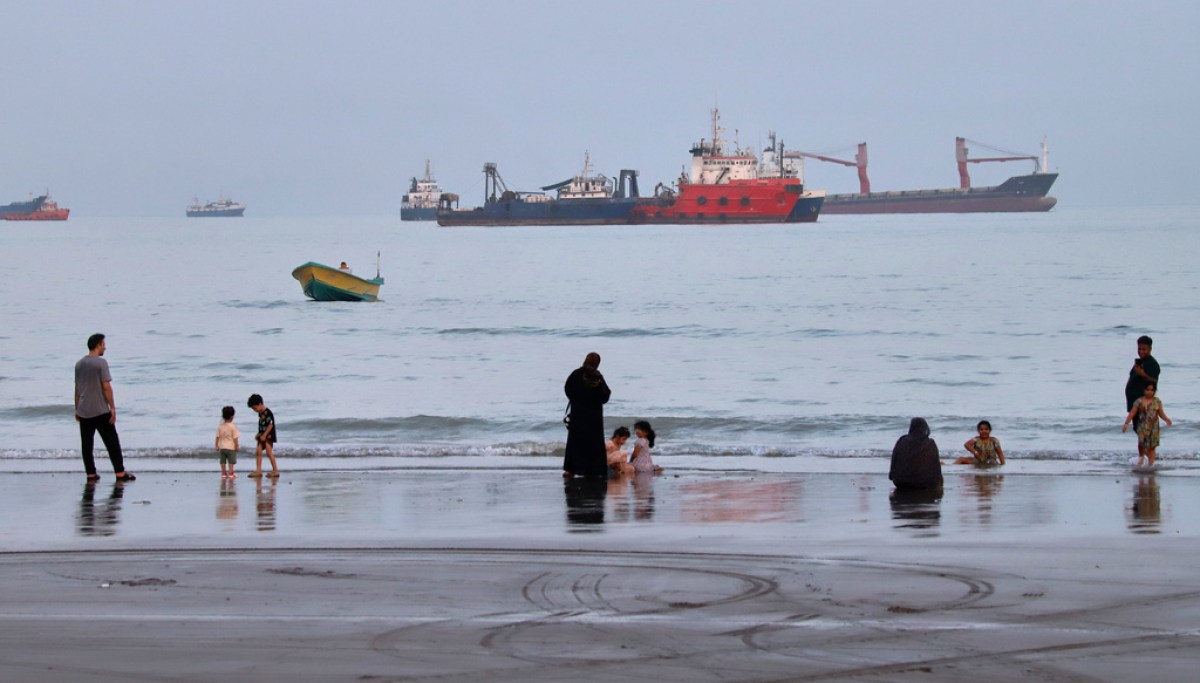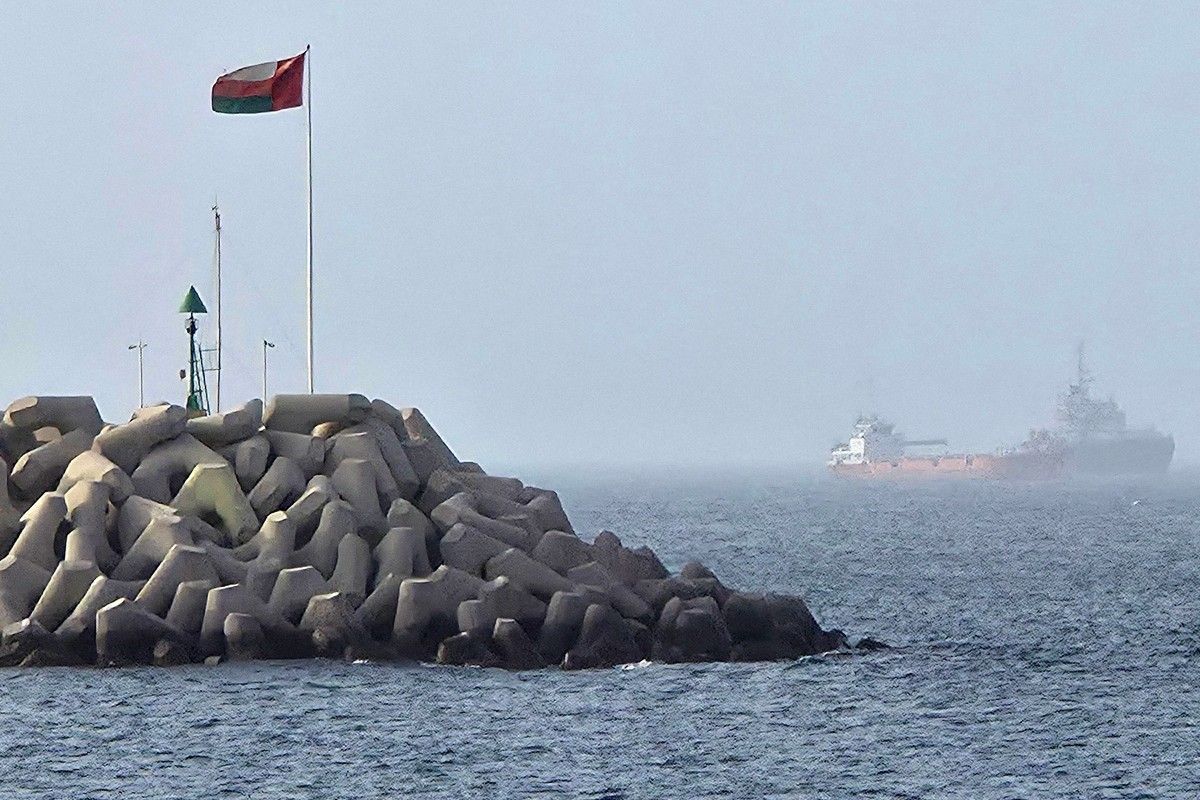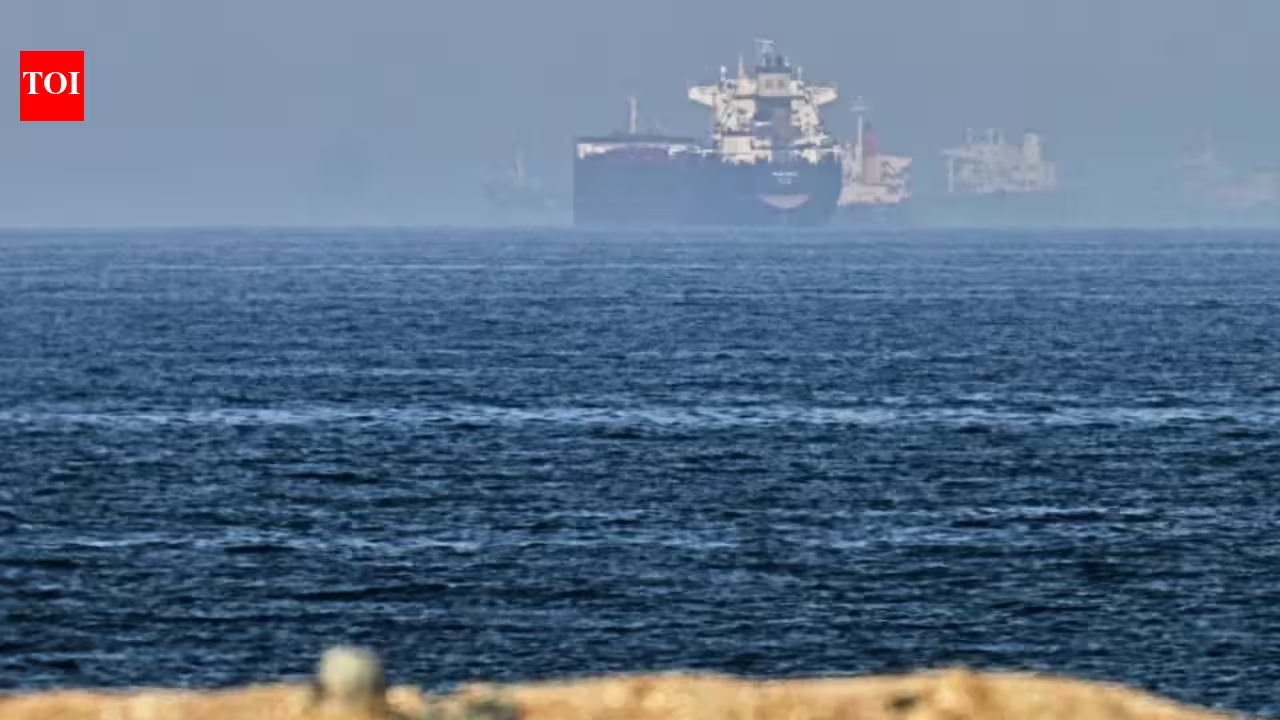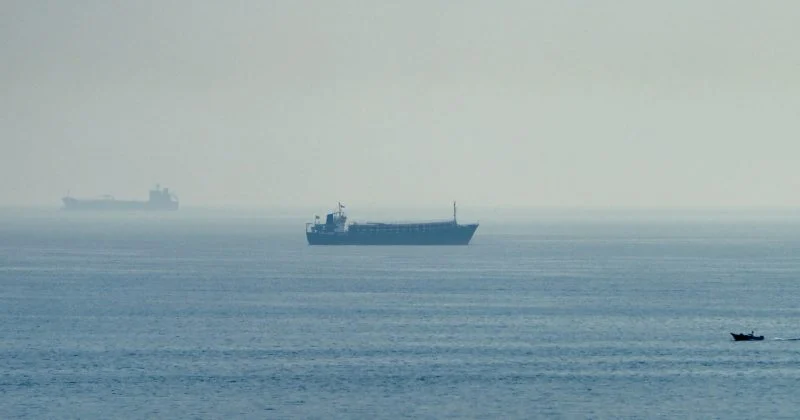
The Strait of Hormuz moves roughly a fifth of the world’s oil supply through a waterway so narrow you could almost wave at the other shore. Iran and Oman are now close to deciding who holds that lever, and how ships pay to pass through it.
Negotiations between Tehran and Muscat are in their final stages, according to Iranian officials, with both sides having already agreed on specific geographical coordinates for a new dual-lane routing system. The framework assigns Iran oversight of an inbound northern lane, while Oman would manage an outbound southern lane. That’s a meaningful structural shift from the arrangement that has governed the strait since before Iran’s 1979 revolution.
What’s actually being agreed to
Setting fixed coordinates isn’t administrative housework. It’s Iran formally asserting a supervisory role over inbound commercial traffic at one of the world’s most consequential chokepoints.
The deal would also give Tehran a revenue stream from that traffic. Under the framework being negotiated, Iran and Oman would share service fees tied to security and environmental management of the lanes.