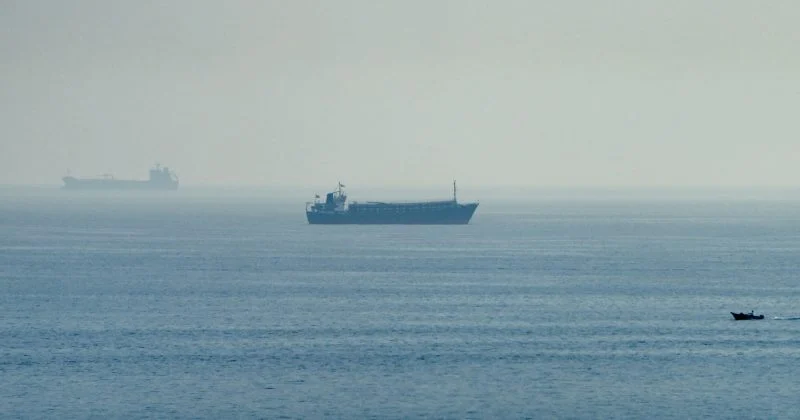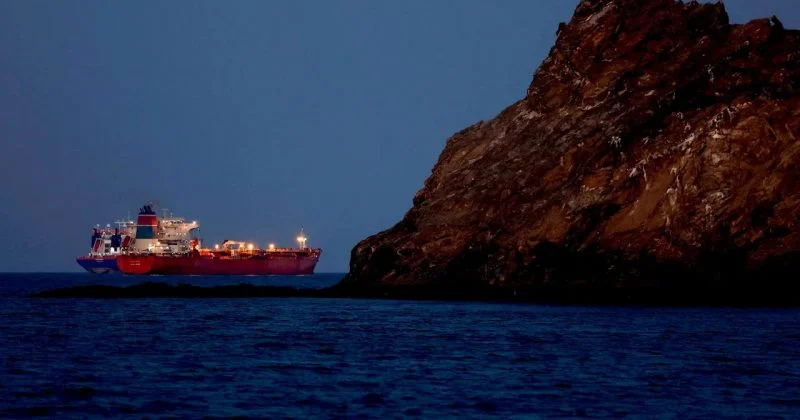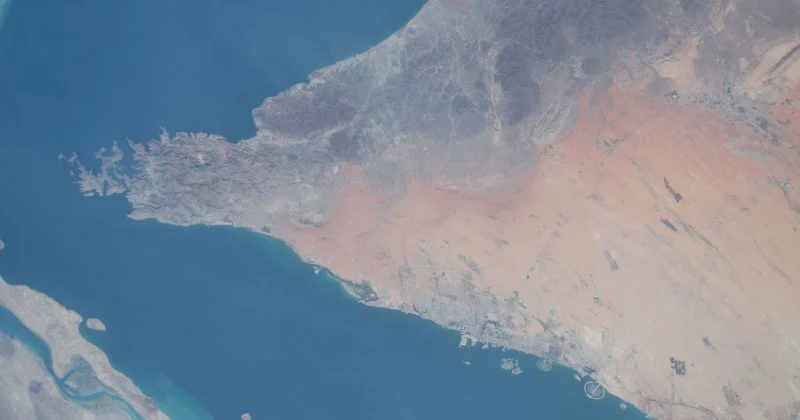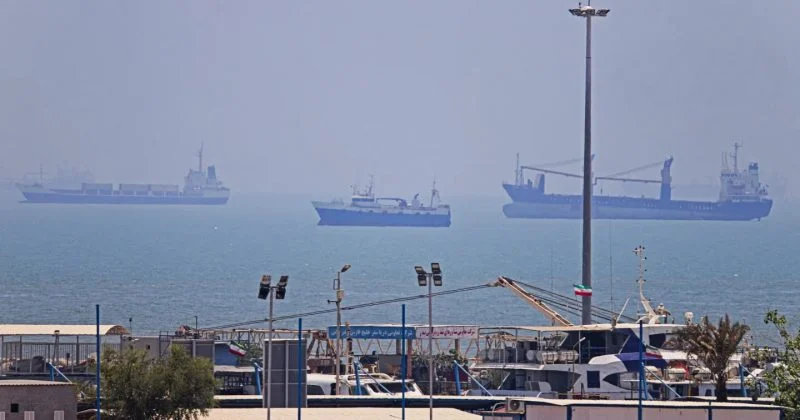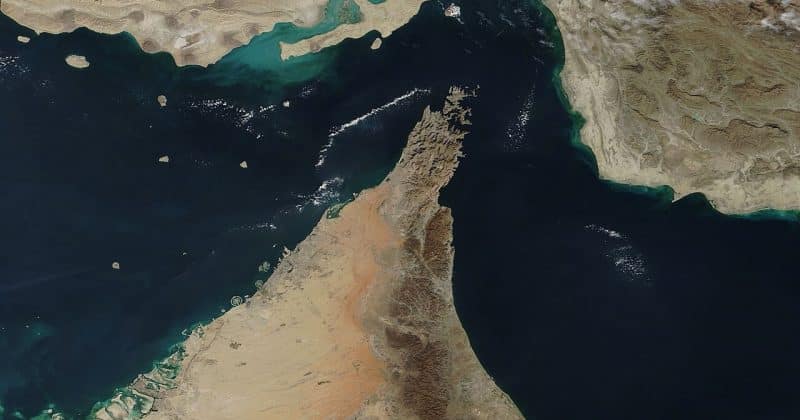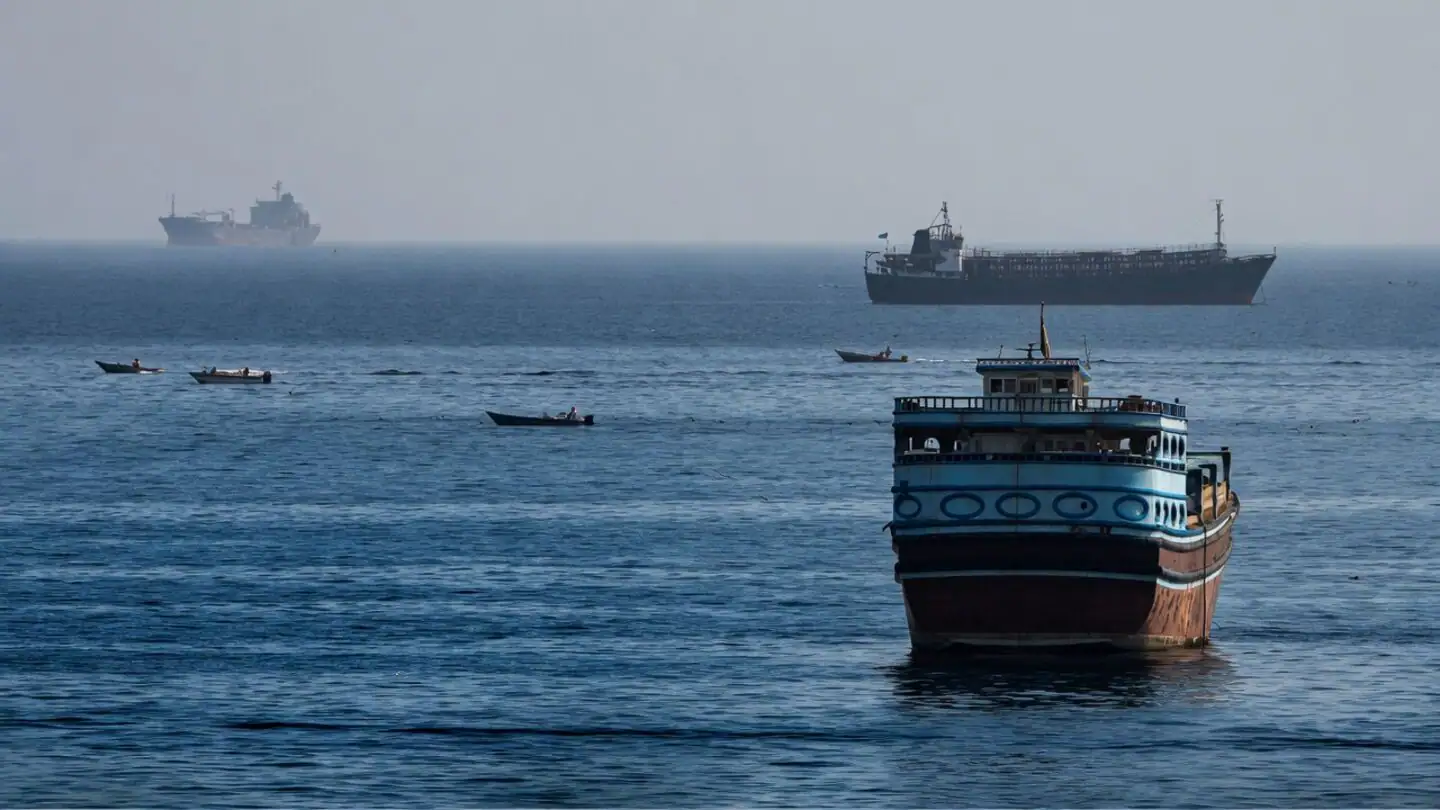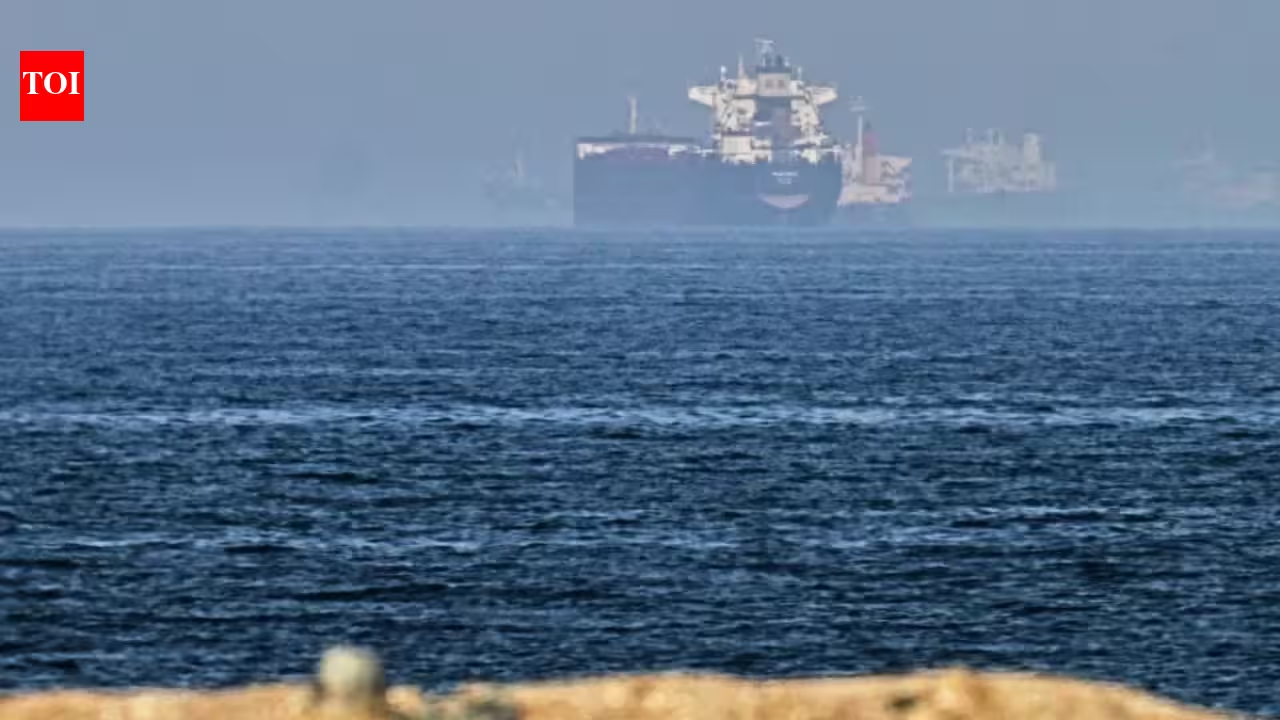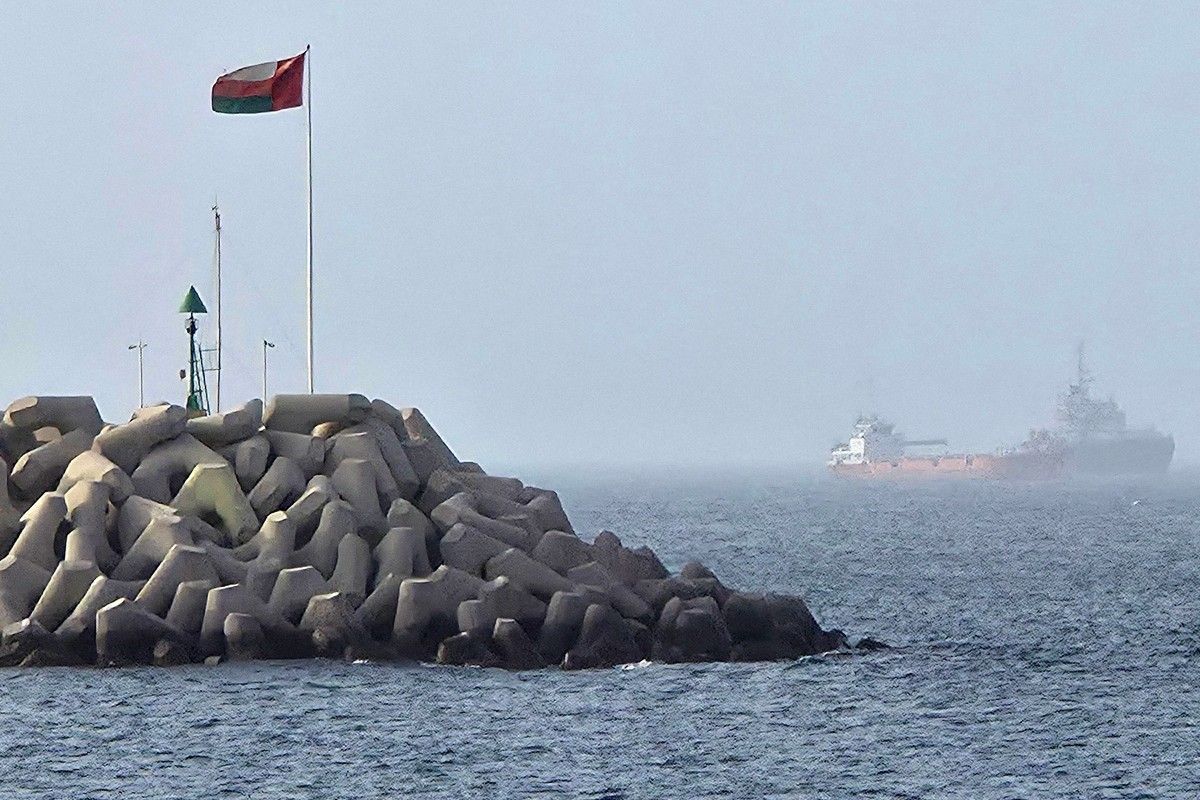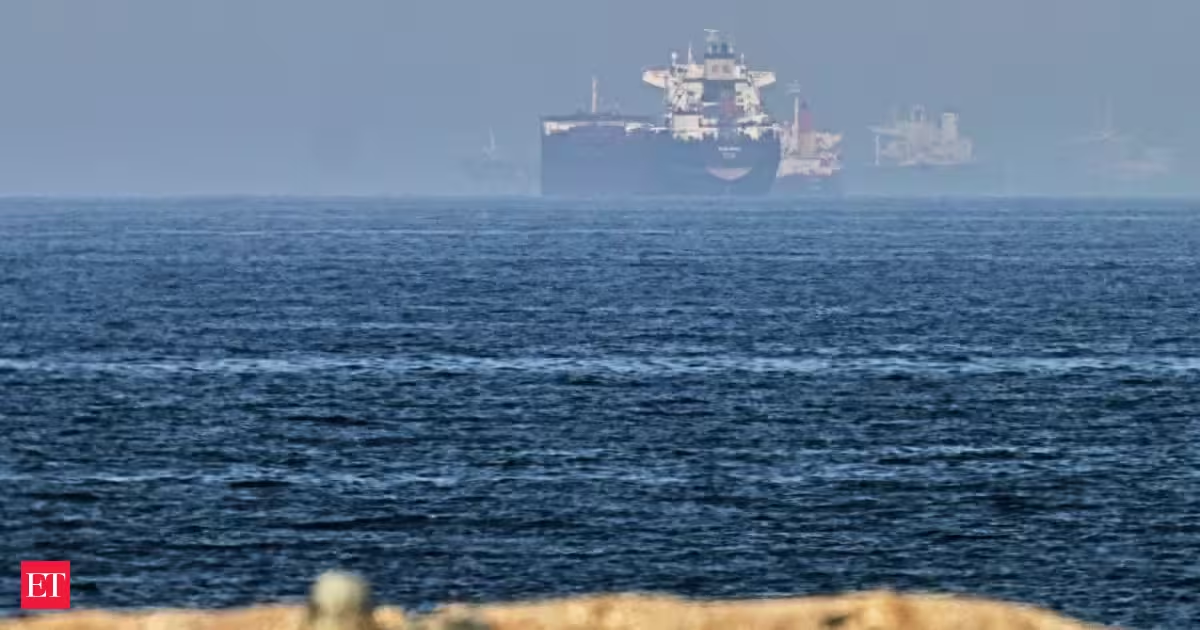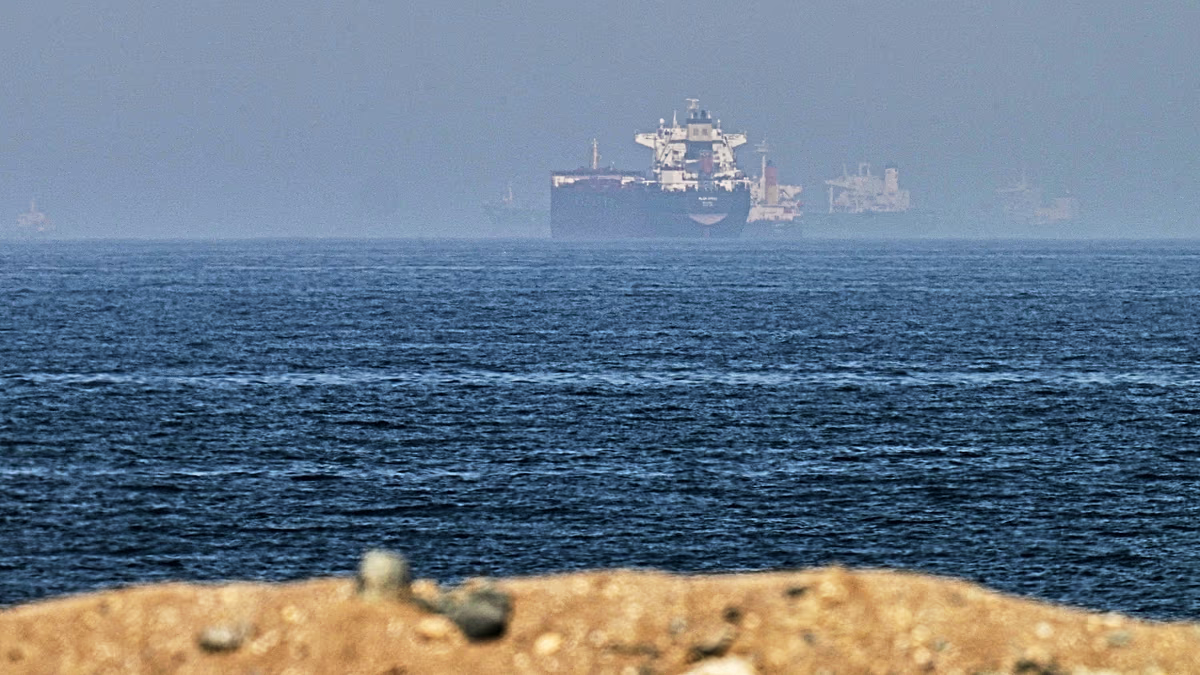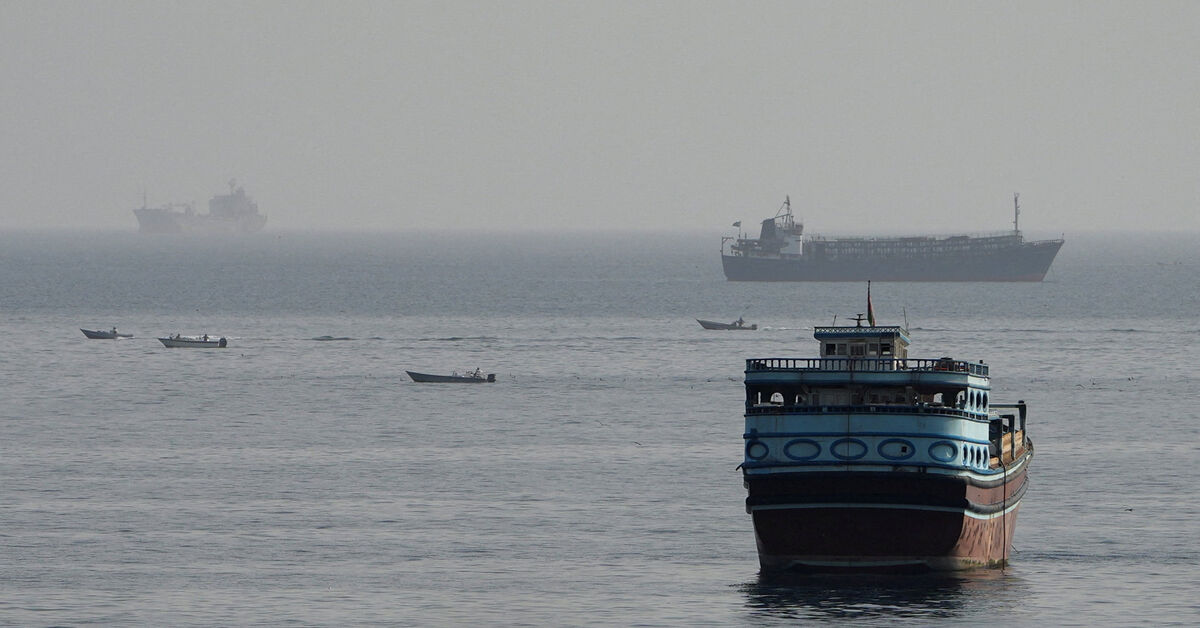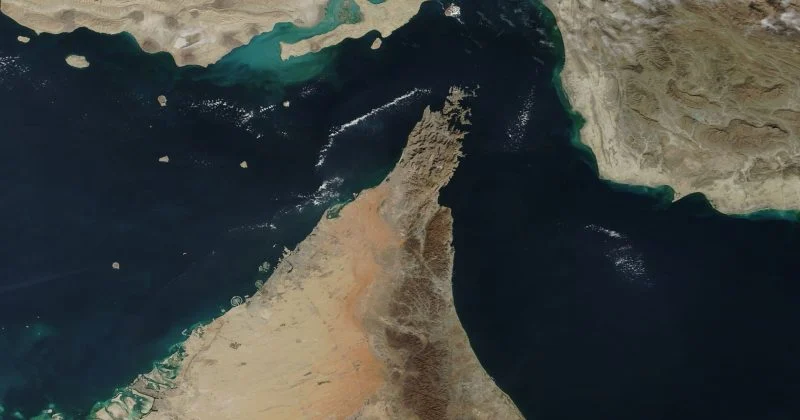
Iran has announced it reached an agreement with Oman on managing shipping through the Strait of Hormuz, the narrow waterway that serves as the world’s most important oil transit chokepoint. The strait typically handles around 20 million barrels of oil per day, meaning anything that disrupts or restructures traffic there ripples through every energy market on the planet.
The agreement appears to formalize a separation of commercial shipping lanes through the strait, which spans roughly 21 nautical miles at its narrowest point. The arrangement would route inbound vessels through Iranian waters and outbound vessels through Omani waters, creating a more structured traffic flow through a passage that has historically been a source of geopolitical tension.
The deal also reportedly includes the implementation of service fees designed to enhance maritime security and environmental safety measures.
A senior Gulf official had previously put the probability of reaching an agreement by August 8, 2026 at around 50%. US President Donald Trump had also signaled optimism about reopening and stabilizing these vital shipping lanes, adding diplomatic pressure to get something across the finish line.
In April 2026, draft versions of the shipping lane agreement included provisions for accepting cryptocurrency payments for transit tolls, specifically naming Bitcoin and stablecoins as viable payment options. No formal confirmation has emerged yet on whether the crypto payment provisions made it into the final agreement.