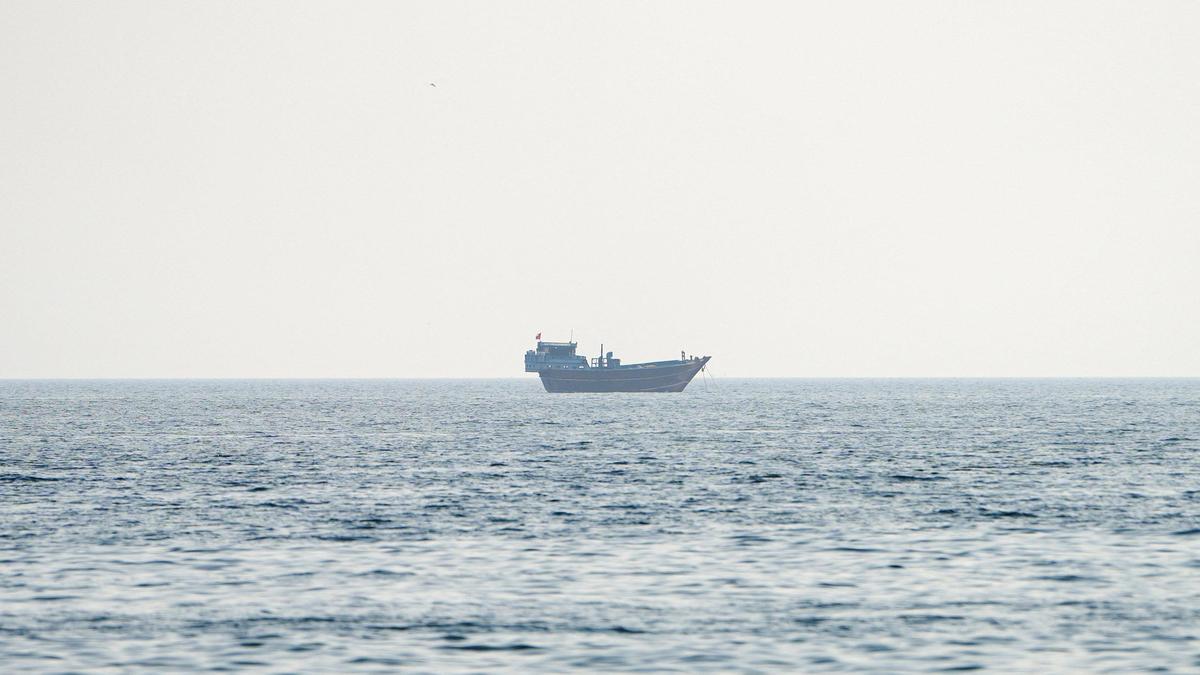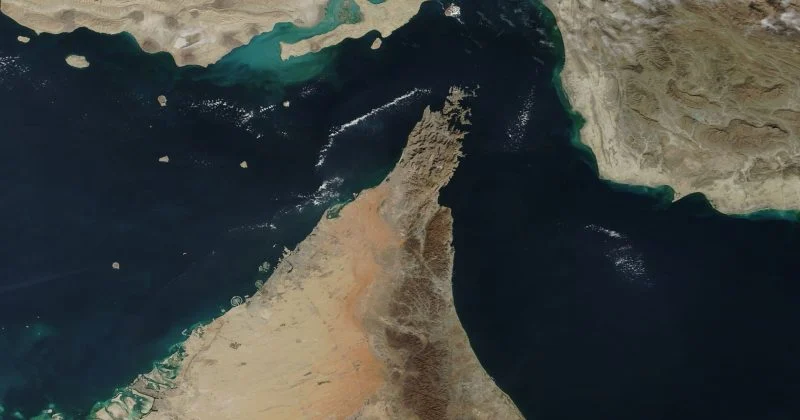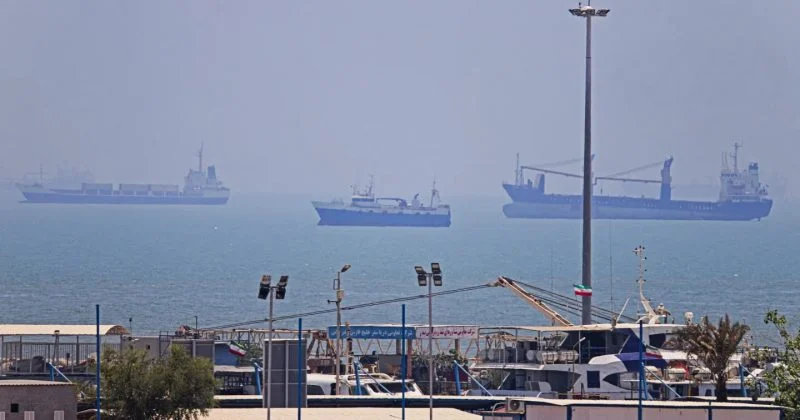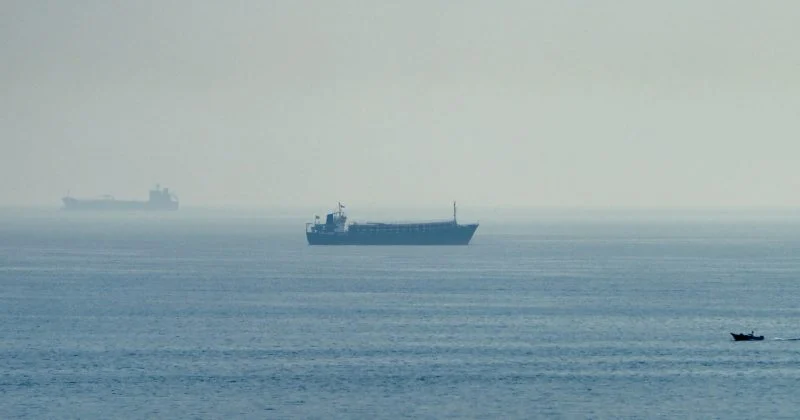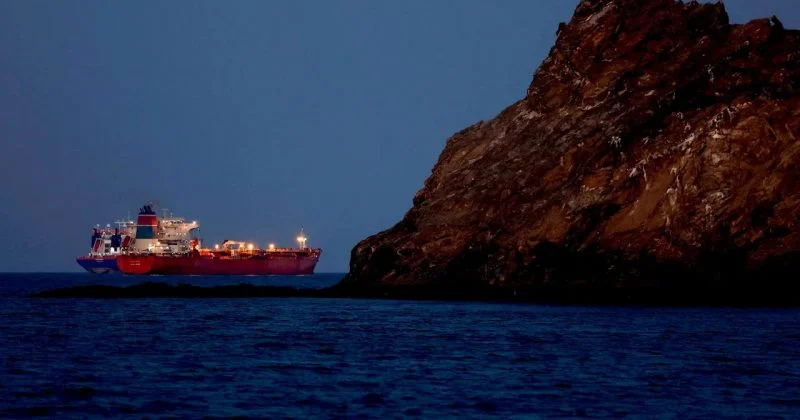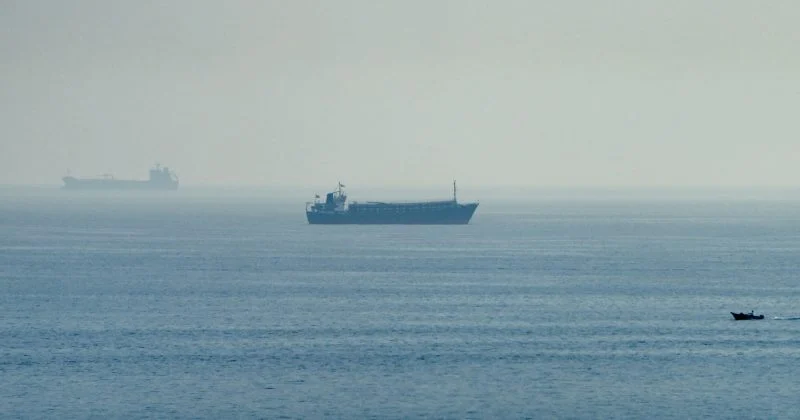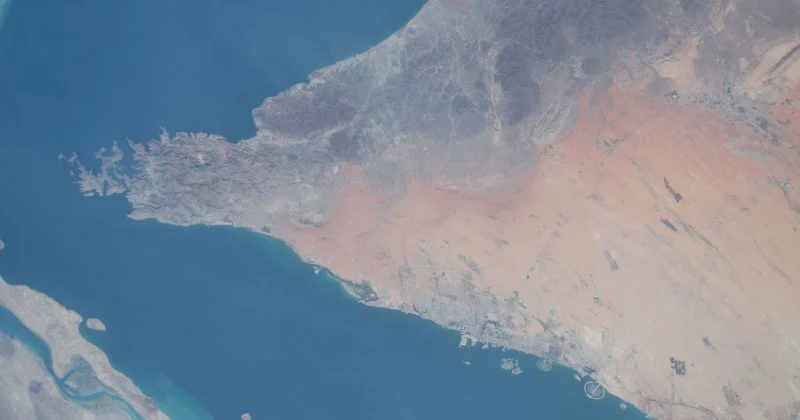
Iran and Oman are in active negotiations to restart commercial shipping through the Strait of Hormuz, the narrow waterway that historically carries roughly 20 million barrels of oil per day. That’s about a fifth of the world’s daily petroleum consumption flowing through a passage barely 21 miles wide at its narrowest point.
The talks are focused on establishing traffic management protocols and implementing transit fees categorized under navigational and environmental charges. Revenue from those fees would reportedly be directed toward local reconstruction efforts, giving both nations a financial incentive to keep the channel open and orderly.
Why a shipping lane matters to your Bitcoin portfolio
Bitcoin has increasingly behaved like a macro risk asset, and few macro variables move markets like energy supply disruptions. When shipping through Hormuz ground to a near-standstill earlier in 2026 due to escalating US-Iran hostilities, oil prices spiked and risk assets, Bitcoin included, took a beating.
The Iran-Oman coordination on traffic management has already helped calm some of those market fears. Bitcoin has recovered from its earlier losses in part because traders see diplomatic engagement as a signal that the worst-case scenario, a prolonged total blockade, is becoming less likely.