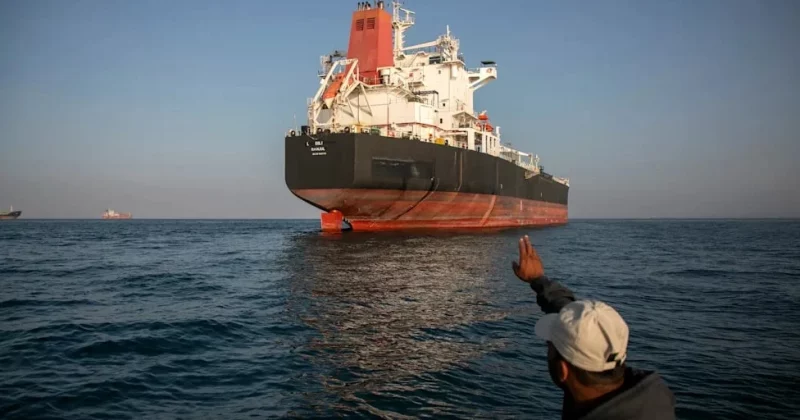
Iran just drew a line in the water, and its neighbors are not having it.
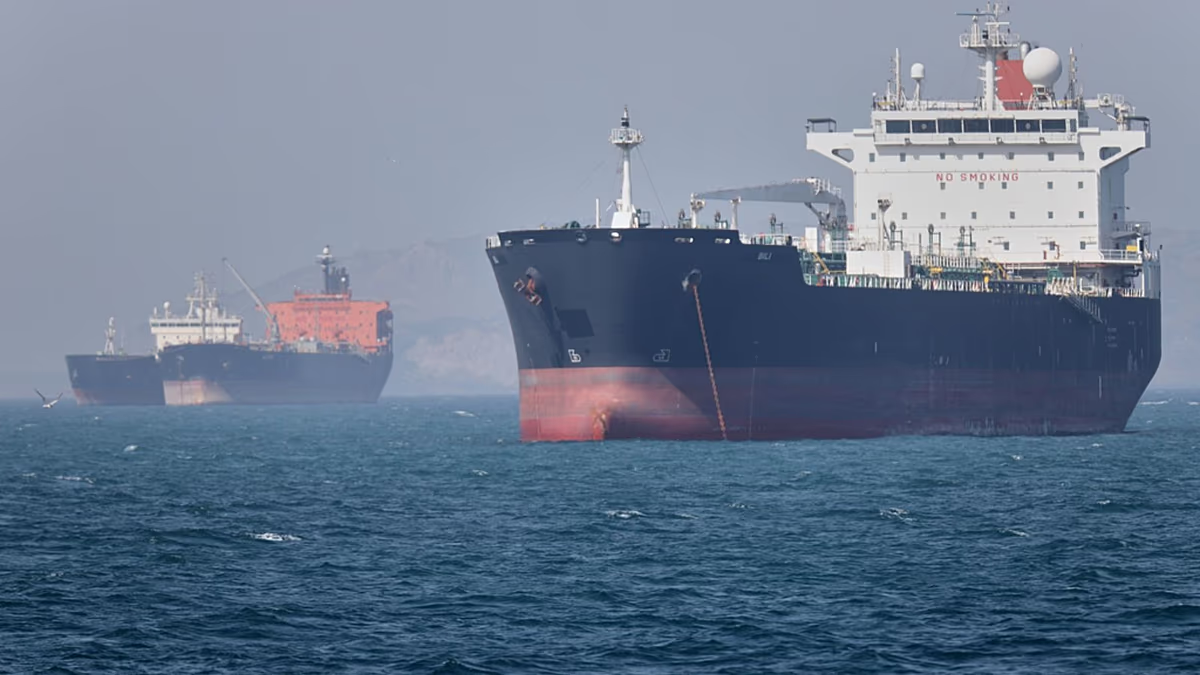
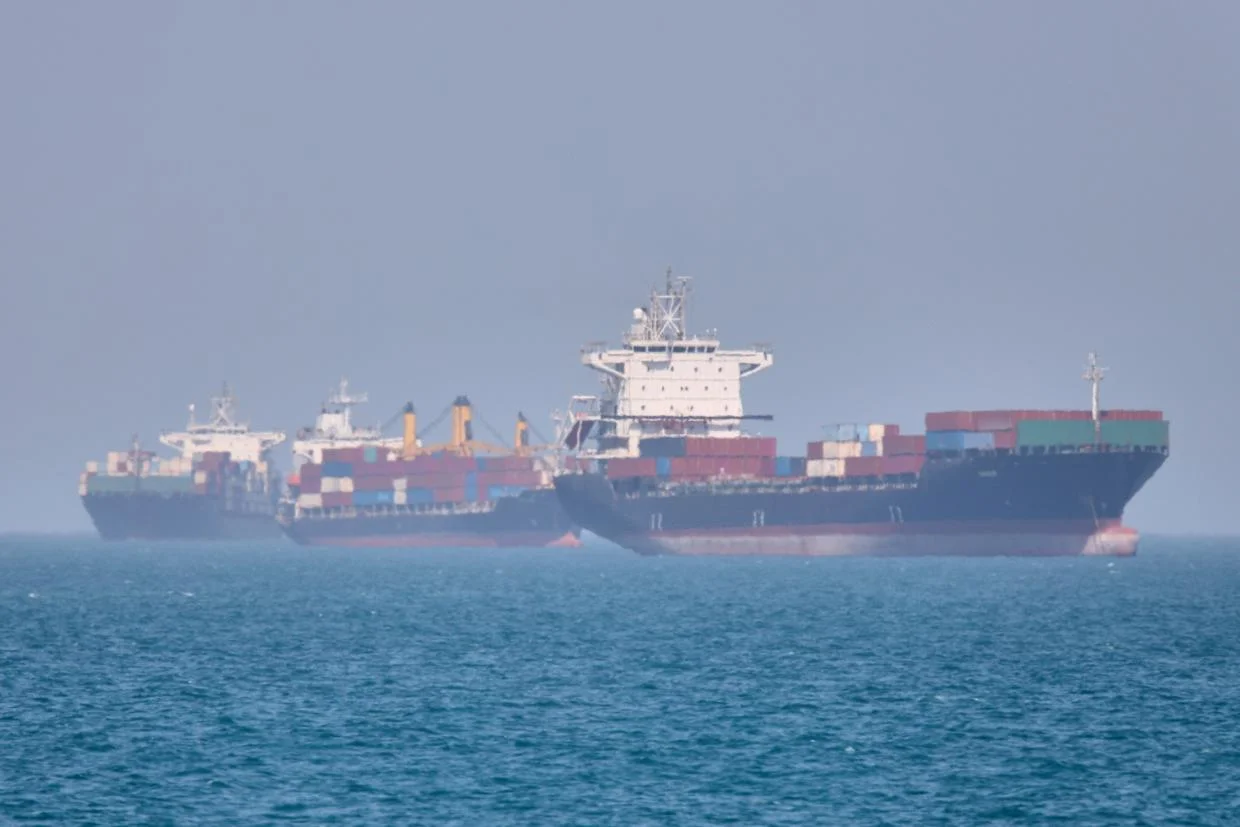
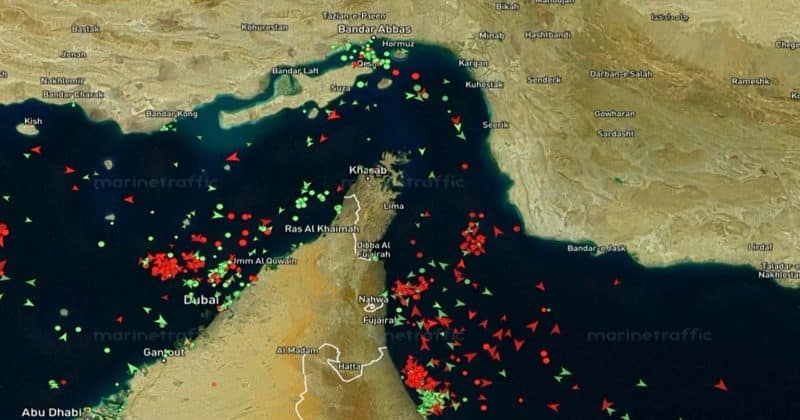
On May 20, 2026, Tehran’s newly established Persian Gulf Strait Authority (PGSA) published a map claiming expanded oversight across the Strait of Hormuz, one that stretches well into waters near UAE ports Fujairah and Umm Al-Quwain, and encroaches on Omani maritime territory. The authority declared that vessels transiting through the newly defined zone would need prior authorization from Iran. One day later, UAE presidential adviser Anwar Gargash publicly dismissed the claims as “pipe dreams” and a direct infringement on Emirati sovereignty.
That alone would be a significant geopolitical story. But here’s the part that crypto markets should be watching closely: Iran is simultaneously rolling out Bitcoin-denominated tolls and insurance through a platform called “Hormuz Safe,” designed to collect maritime transit fees in digital currency.
What Iran is actually claiming
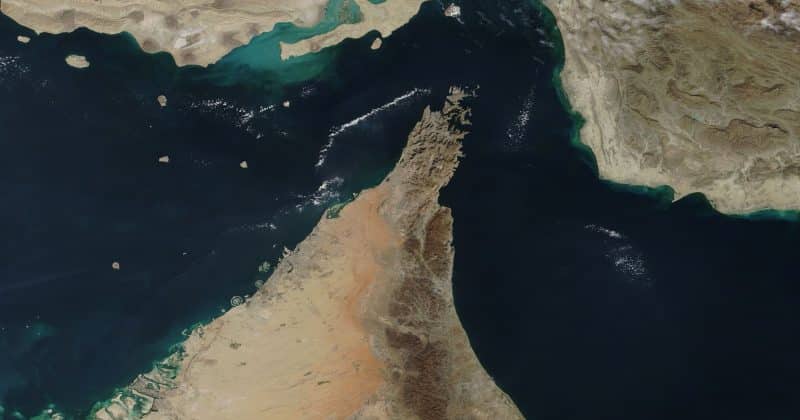
The PGSA map draws an oversight zone stretching from Kuh-e Mubarak on Iran’s coast to Fujairah on the UAE’s eastern seaboard, and from Qeshm Island to Umm Al-Quwain further south. Both Fujairah and Umm Al-Quwain function as vital oil-export terminals. The claimed zone overlaps directly with their access routes.