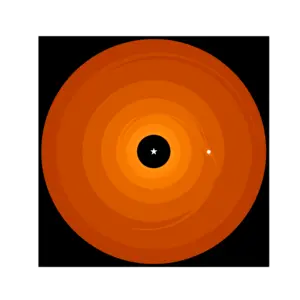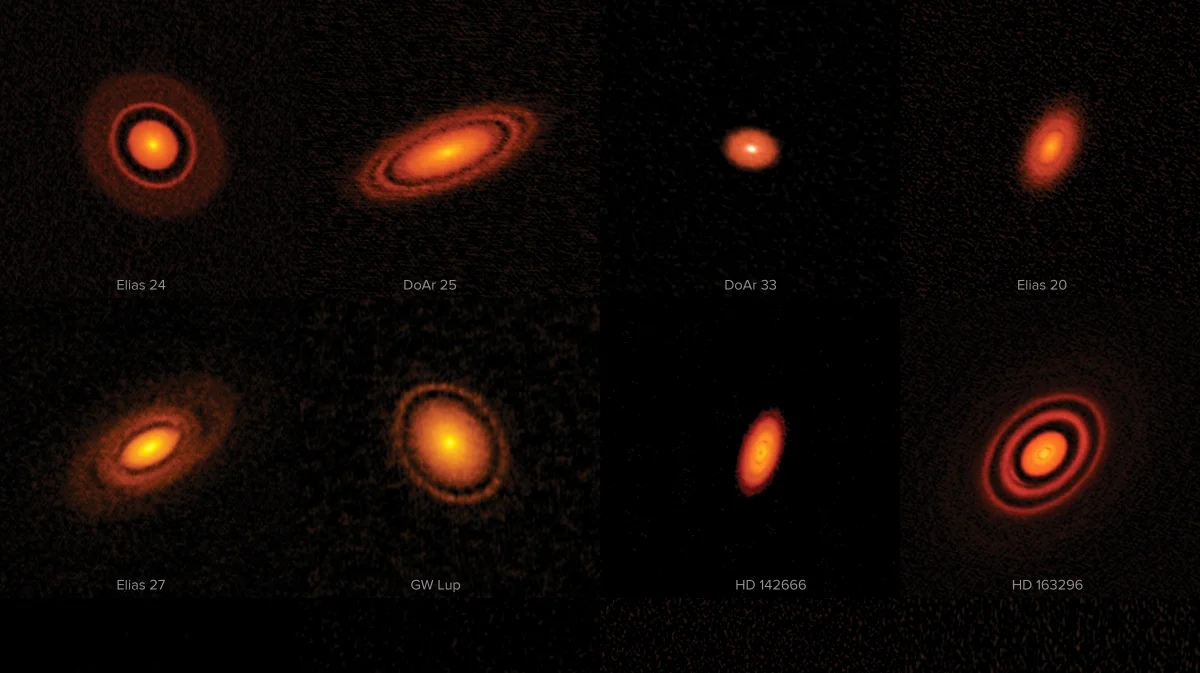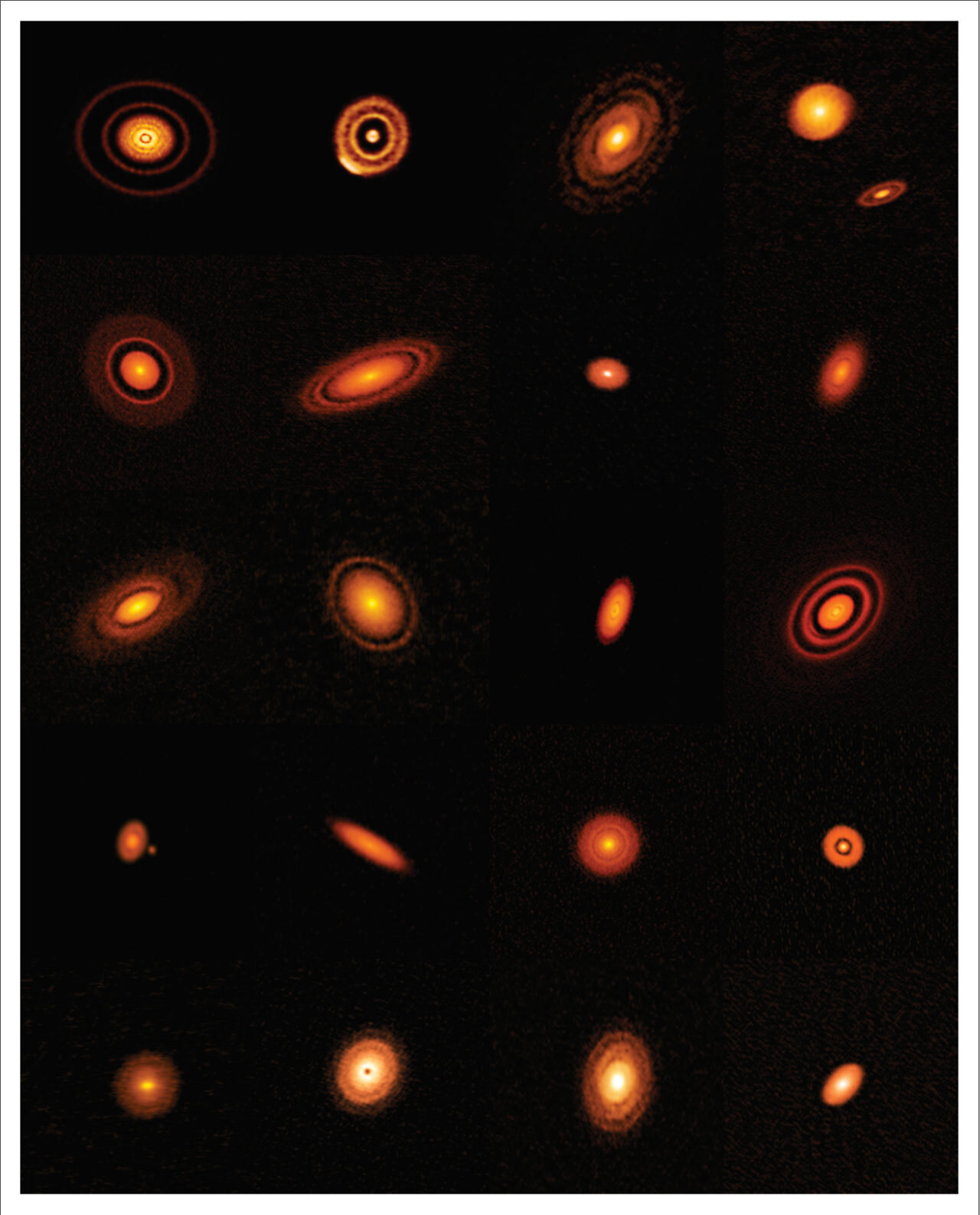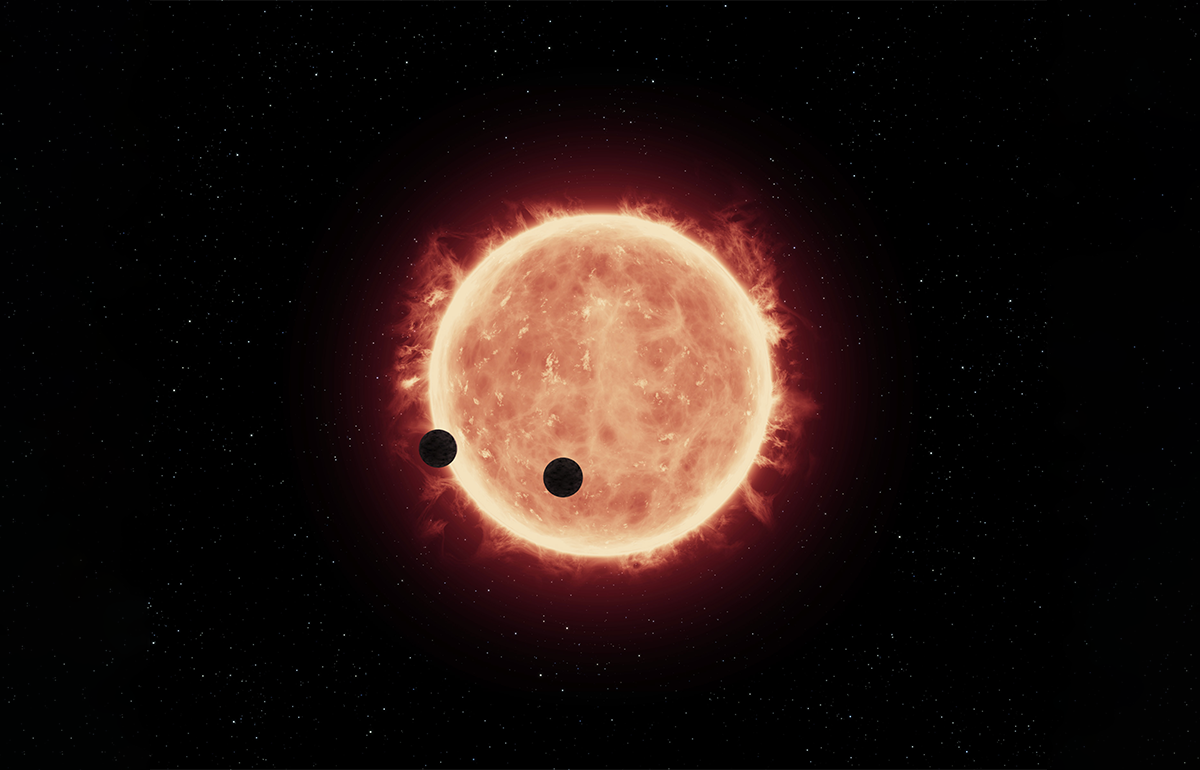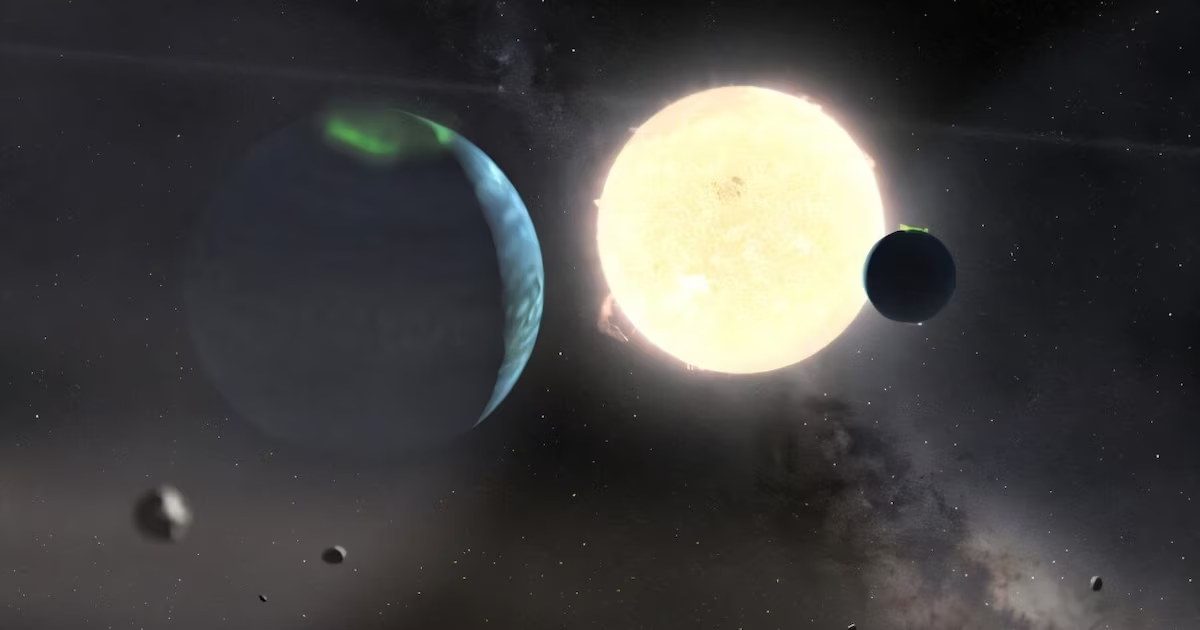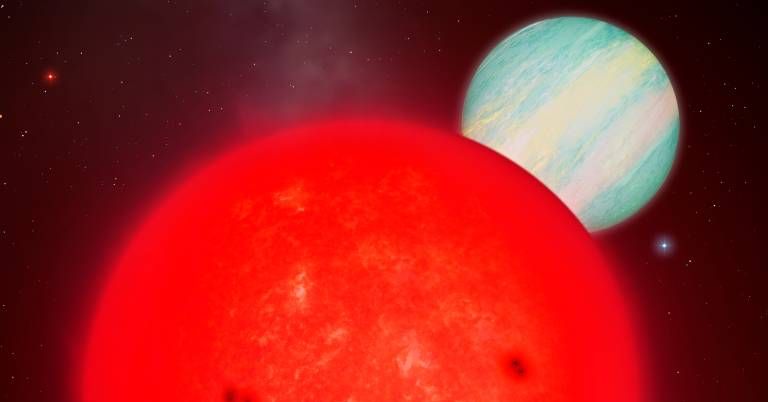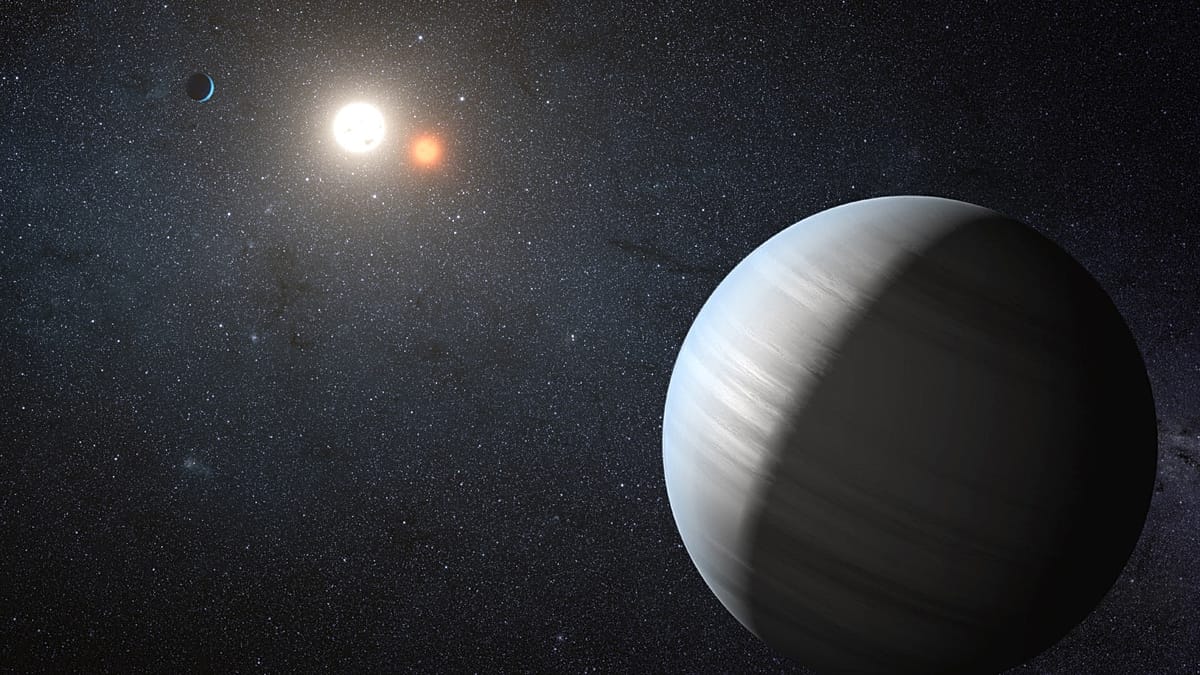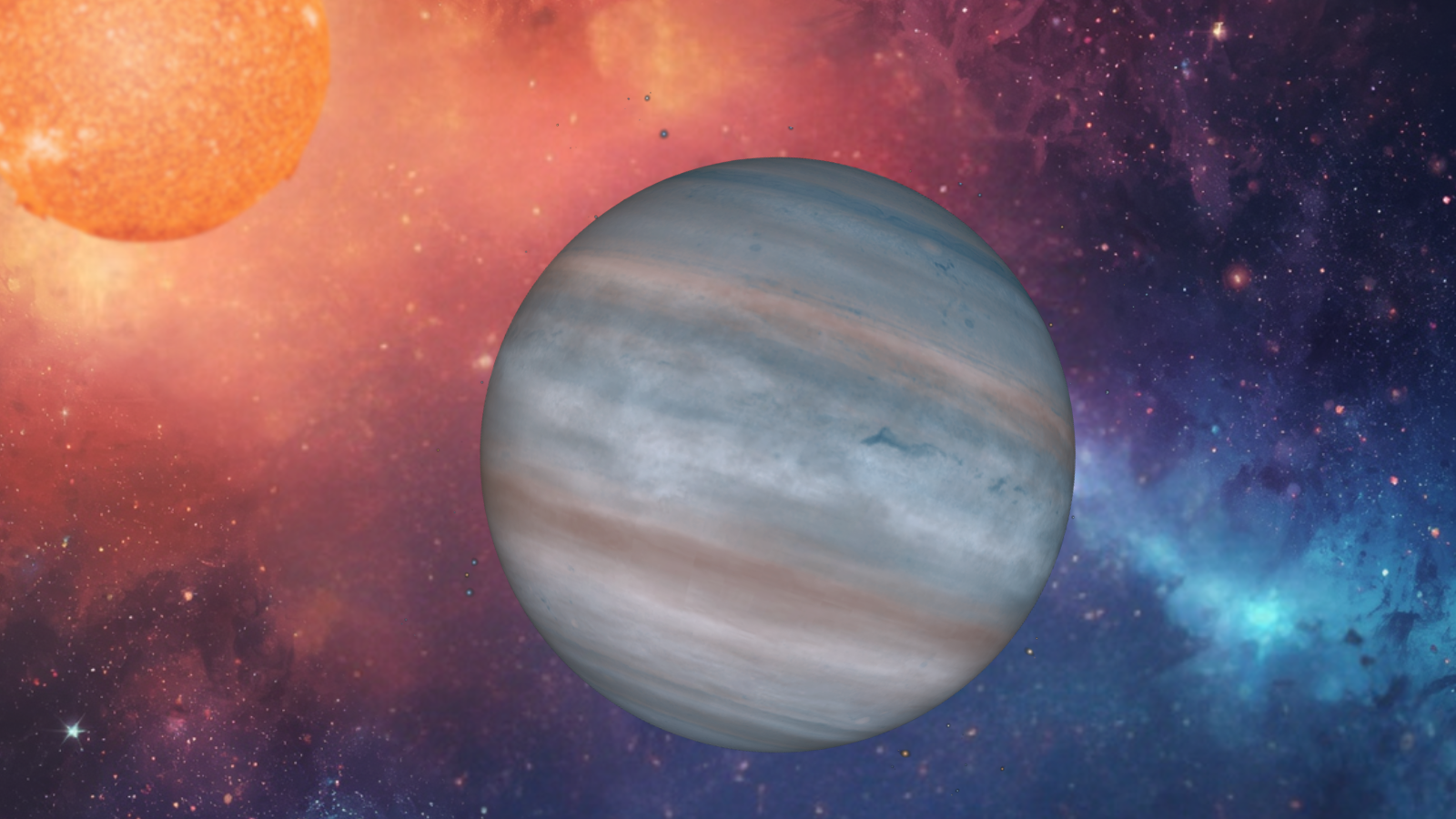
How do you weigh a planet you can't see from many light-years away? Astronomers may have the answer — and it involves "reading between the rings," aka the bright beautiful dusty structures that newborn exoplanets create around their young stars.Planets in general are born from the dust, gas and tiny fragments called "planetesimals," that surround young stars. As a result, in their relative youth, these worlds are found still embedded in this natal-material swirling around in plate-like structures called protoplanetary disks. However, recent observations have revealed that as these infant exoplanets orbit their parent stars, they also carve lanes in this disk of gas and dust.While such rings have been used to determine the presence of exoplanets around stars, this new research suggests a way to use those grooves to actually assess the characteristics of exoplanets, too."We've long understood that the rings could be created from concentrated dust that piles up just beyond the orbit of young, embedded planets, but we've been so far unable to link features of these rings to planet masses," team leader Amena Faruqi of the Astronomy and Astrophysics Group at the University of Warwick in the U.K, said in a statement. "By reading 'between the rings,' we have now found a way to reconstruct the masses of the planets that create the rings, even when those planets are too faint or too embedded to observe directly."These bright rings are not just beautiful structures — they are essentially planetary fingerprints."Investigating a dusty star systemThe first step taken by Faruqi and colleagues involved using computer simulations to assess how the masses of exoplanets would create distinct shapes for the rings in protoplanetary disks. They discovered that the width of dust rings and the location of the brightest point in that ring are key in assessing the characteristics of cloaked exoplanets.Excitingly, the relationship between a planet's mass and the peak brightness of the dust ring it creates holds regardless of what wavelength of light the system is imaged in — as well as regardless of the size of the dust grains in the ring. That means astronomers don't need to know the exact conditions around an infant star to assess the mass of its exoplanets.
How do you study an invisible exoplanet? Astronomers discover planetary 'fingerprints' in the rings around stars
You just have to read between the rings.
804 words~4 min read