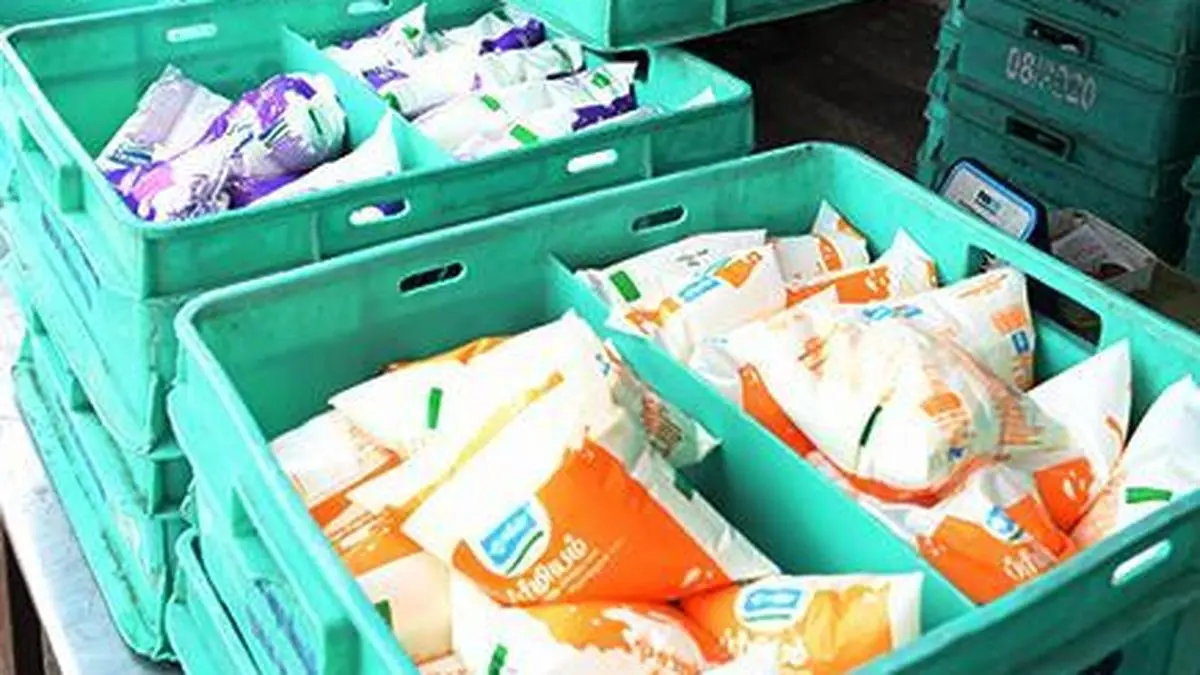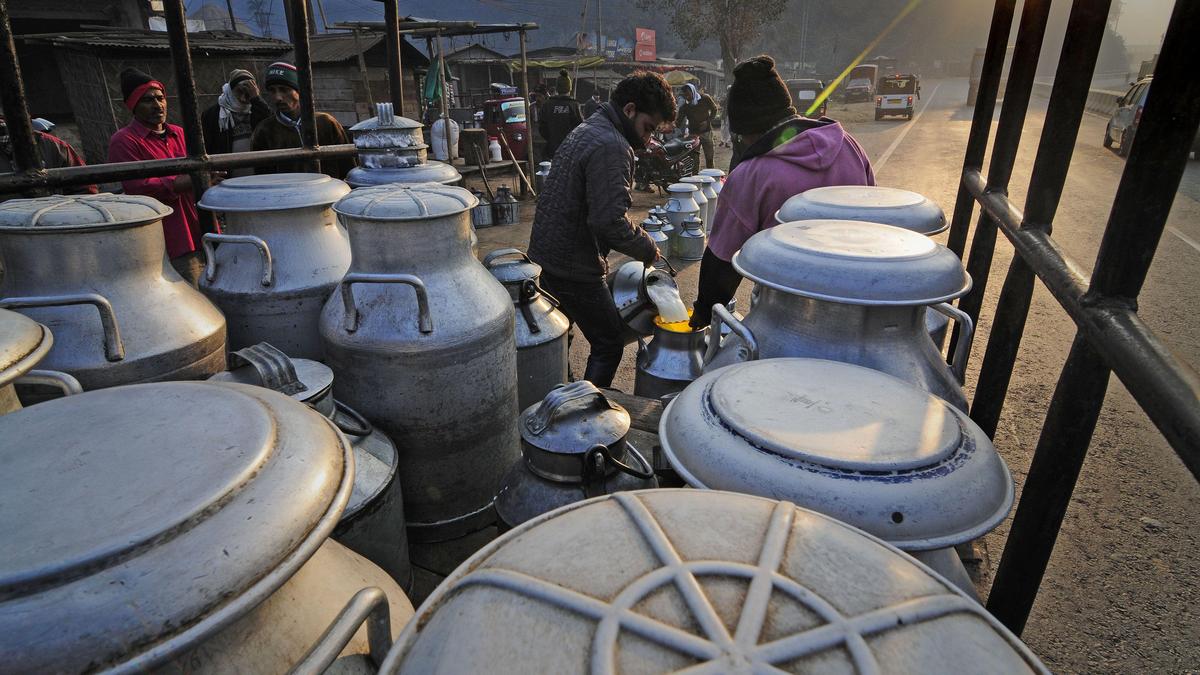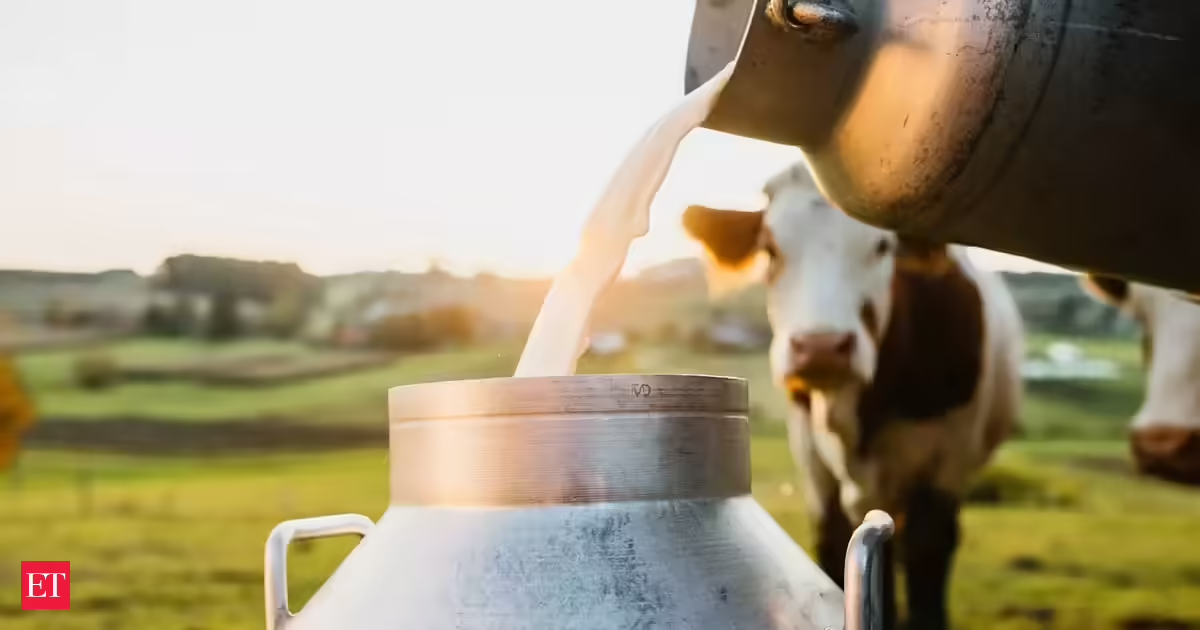
As the world marks World Milk Day on June 1, India has much to celebrate — and much to confront. The country has gone from a milk-deficient nation post-independence to the world’s largest producer and consumer of milk. But despite the success of the ‘White Revolution’ that scripted this transformation, the country faces the prospect of production falling short of its needs as rapidly growing demand threatens to outpace supply.India’s annual milk production stood at just 21 million tonnes at independence, with per capita milk availability a mere 124 grams a day in 1950-51. In stark contrast, the country today produces over 200 million tonnes of milk a year with per capita consumption soaring to 471 grams a day, well above the global daily average of 322 grams.How then is milk production at risk of falling short of demand, when even consumption, that too on a per capita basis, handily outstrips global averages? The answer is that the Indian consumer simply has an outsized and still growing appetite for milk. The growing mismatch between demand and supply has been precipitated by factors on the demand side rather than any supply-side failings. A booming economy is boosting incomes, driving demand not just for raw dairy products but also value-added options like flavoured milks, yoghurts, milkshakes and cheese. Fifty-eight percent of respondents in the India Lactograph Study 2025-26, conducted across eight major Indian cities, said they preferred flavoured varieties of milk — evidence of how rapidly consumption patterns are evolving.Regardless of what’s driving it, supply must chase demand. If Indians want to consume more milk, our country’s dairy sector must step up to meet consumption needs. The answer lies not in growing our population of cattle. The key to unleashing a second White Revolution is improving the productivity of the animals we already have. India is home to the largest cattle population in the world, yet our yields per animal are among the lowest globally — 4.87 kg of milk a day against a global average of 7.18 kg. This productivity problem is not insurmountable. Three levers can unlock it.The core bottleneck: feed and nutrition deficitNutrition is the bedrock of productivity and the lack of good quality feed is the most constraining bottleneck hampering productivity growth. India produces about 7.5 million tonnes of cattle feed — well short of the requirement of nearly 70 million tonnes. The country also faces serious shortages of both green and dry fodder.The right nutrition, combined with scientific feeding practices that adapt feed formulations to lactation stages, breed characteristics and local climatic conditions, not only unlocks productivity gains but also boosts animal immunity. Evidence already suggests that getting nutrition and feed practices right raises yields, lowers morbidity, improves reproductive performance, boosts animal longevity and even reduces methane emissions.Cattle genetics: A productivity opportunityGenetics sets the ceiling on what nutrition alone can achieve. Indigenous cows yield 3–4.2 kg of milk a day while exotic and crossbred varieties yield nearly double at 8.35–8.55 kg — yet indigenous breeds still account for 73.5 per cent of India’s cattle population. Rebalancing this mix is already underway, supported by the Rashtriya Gokul Mission covering 92 million cattle across 56 million farmers, and the National Artificial Insemination Programme which has carried out 12.2 crore inseminations to date. The direction is right and the momentum is building.Animal care pivotal to increasing yieldsA farmer can have the best-bred cows, but they won’t reach their full yield potential unless they are well cared for. Poor hygiene, inadequate housing, limited veterinary access and heat stress all suppress yields significantly. Health protocols, clean milking practices, and training farmers in modern farm management — through digital extension services or demonstration farms — can meaningfully close the gap between genetic potential and actual output.Heat stress is increasingly emerging as a major factor, with milk output noticeably lower during hot spells. Better-ventilated housing, scheduling feeding and milking during cooler parts of the day, and heat-mitigating supplements can all make a measurable difference.Surpassing the 300 markThis World Milk Day is, therefore, not just an occasion to celebrate how far India has come -it is a call to action for what must come next. India’s dairy transformation has been remarkable to say the least, and rightly hailed as a post-independence success story, it is proof of what national will backed by policy can achieve, even on a scale as vast as India demands.That is why I am confident that we can usher in a White Revolution 2.0. We’ve done it once. There’s no reason why we can’t do it again — and this time, take milk production past the 300 million tonne frontier.The author is CEO – Animal Nutrition Business, Godrej AgrovetPublished on May 31, 2026
Why productivity will be key to the sector’s next growth wave
Explore how productivity improvements in India's dairy sector can drive a new White Revolution and meet growing milk demand.
782 words~4 min read