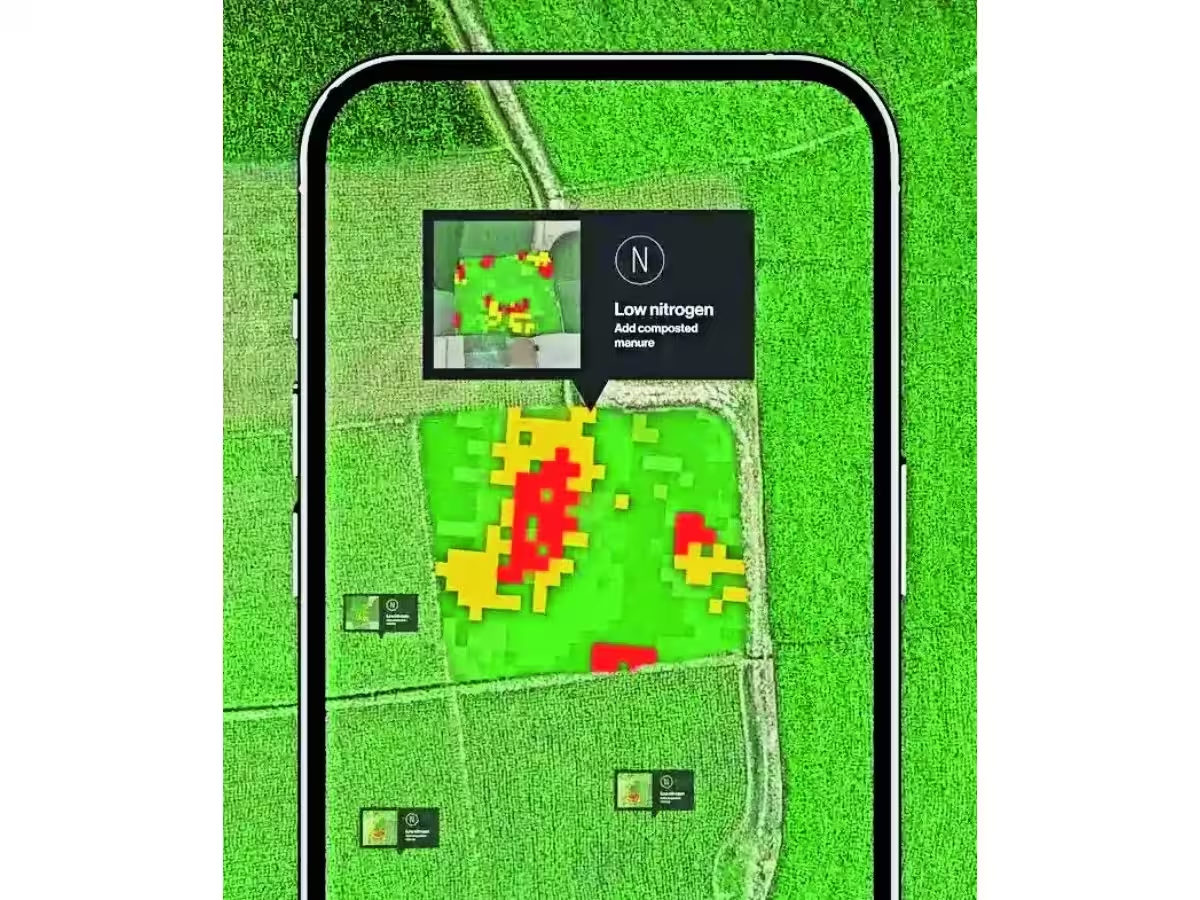
India’s dairy industry is on the cusp of another phase of growth. CRISIL estimates that the organised dairy sector will record a healthy revenue growth of 13 to 15 per cent in FY27, driven by rising consumer demand, increasing consumption of value-added dairy products, and steady improvements in pricing. While these projections paint an optimistic picture, the sector is also facing a reality that cannot be ignored. Climate change is beginning to leave a visible mark on dairy farming, making sustainability one of the most important conversations for the industry today.Across several parts of the country, rising temperatures, prolonged heatwaves, erratic rainfall, and declining fodder availability are affecting milk production. Dairy farming has always depended on favorable weather conditions, but changing climate patterns are making it increasingly difficult for farmers to maintain consistent productivity. The challenge is no longer seasonal. It is becoming a long-term concern that impacts everyone across the dairy value chain.Heat stress directly affects the health and well-being of cattle. During periods of extreme heat, animals tend to consume less feed and water, which lowers milk production and weakens their immunity. At the same time, irregular monsoons reduce the availability and quality of green fodder, increasing the cost of feed while reducing its nutritional value. Together, these factors make it harder for farmers to sustain milk yields and manage their operating costs.Small farmers feel the impactThe impact is felt most strongly by small dairy farmers, who form the backbone of India’s milk production. Many of them operate with limited resources and often lack access to scientific farming practices, quality veterinary care, climate-resilient infrastructure, or reliable weather information. As climate-related challenges become more frequent, these farmers are finding it increasingly difficult to maintain stable incomes and consistent production.The ripple effect extends far beyond the farm. Lower milk production puts pressure on procurement, processing, and distribution, making it more challenging for dairy companies to ensure a steady supply of quality milk. As demand continues to rise, building resilience across the supply chain has become just as important as expanding production capacity.This is where sustainability must move from being an aspiration to becoming a practical business strategy. Supporting farmers with better livestock management, climate-resilient fodder, improved nutrition, and efficient water use can help reduce the impact of changing weather conditions. Simple measures such as providing shaded shelters, improving ventilation in cattle sheds, and ensuring proper hydration can significantly improve animal health during periods of extreme heat.Technology a valuable partnerTechnology is also emerging as a valuable partner in building a stronger dairy ecosystem. Digital monitoring tools, weather-based advisory services, and data-driven farm management can help farmers make informed decisions and respond more effectively to changing climatic conditions. Collaboration between dairy companies, researchers, policymakers, and farming communities will be essential in accelerating the adoption of these solutions.Many dairy organisations are already recognizing that sustainability is closely linked to long-term business growth. Investments in renewable energy, responsible sourcing, resource-efficient processing, and farmer development programs not only reduce environmental impact but also strengthen the resilience of the entire value chain. Sterling Agro, through its Nova Dairy brand, has consistently focused on quality, innovation, and sustainable practices that support both farmers and consumers.Consumers are also becoming more conscious about where their food comes from and how it is produced. They increasingly value brands that demonstrate transparency, responsible sourcing, and a genuine commitment to environmental stewardship. As a result, sustainability is no longer just about protecting natural resources. It is also becoming an important factor in building consumer trust and strengthening brand value.India has built one of the world’s largest dairy industries through the dedication of millions of farmers and a strong cooperative ecosystem. As the sector moves towards its next phase of growth, its success will depend not only on increasing production but also on its ability to adapt to a changing climate. By investing in innovation, supporting farmers, and embracing sustainable practices, the dairy industry can create a future that is resilient, responsible, and capable of meeting the needs of generations to come.The author is Director, Sterling Agro Industries Ltd. (Nova Dairy)Published on July 5, 2026
Heatwaves, fodder stress, and milk supply: Rethinking dairy sustainability in India
As the sector moves towards its next phase of growth, its success will depend not only on increasing production but also on its ability to adapt to a changing climate
682 words~3 min read