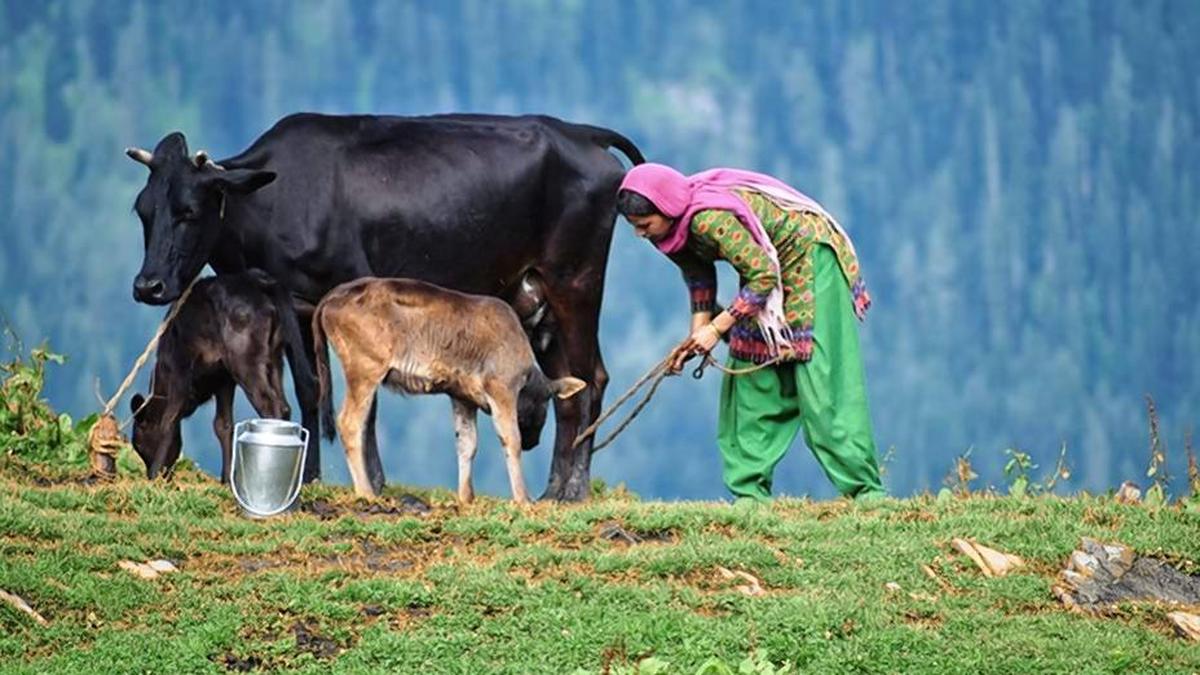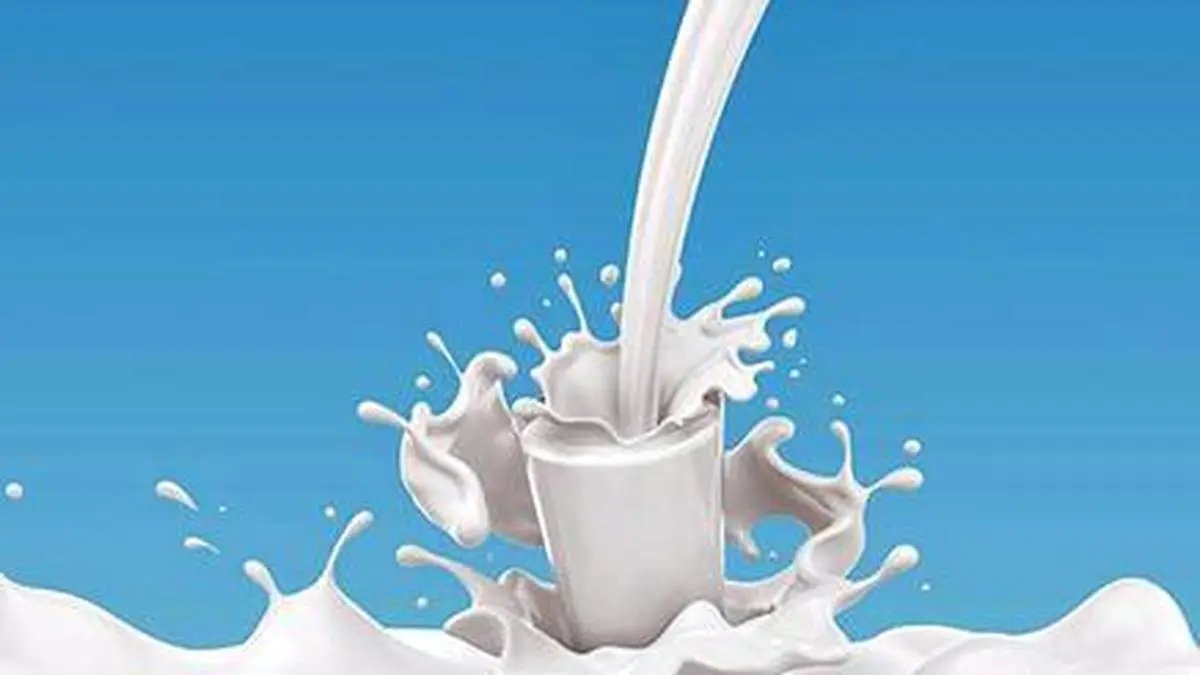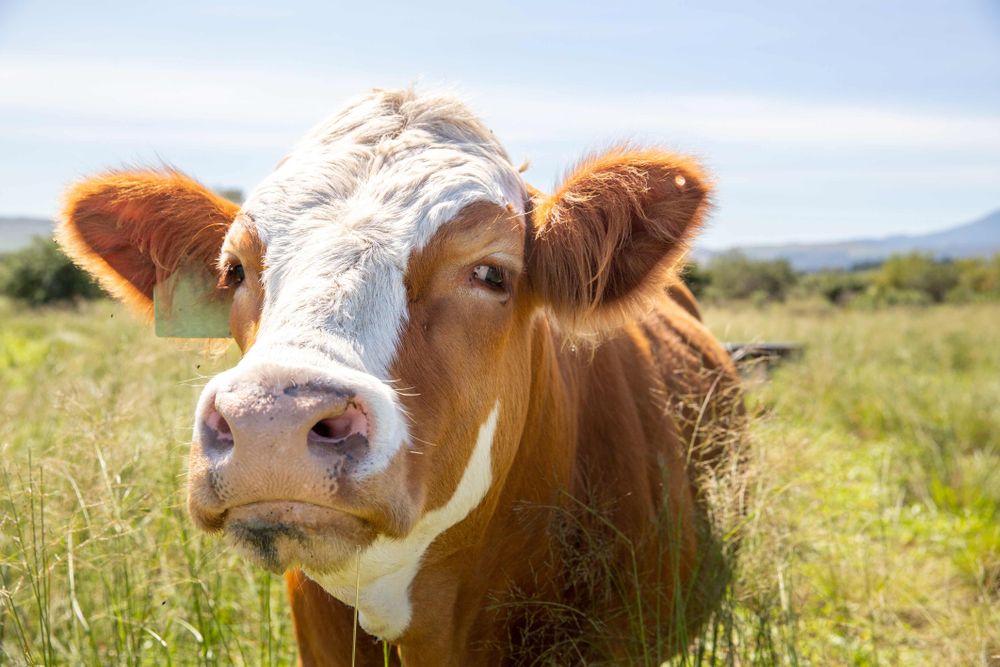
This World Milk Day, the global dairy sector finally turns its attention to the women who have always been at its heart yet rarely at its centre. The United Nations Food and Agriculture Organisation has chosen a pointed theme for this 25th anniversary: Celebrating Women Farmers. This acknowledgment arrives long overdue, given that women have always milked the cows, managed the sheds, and carried the canisters, while what is changing slowly, unevenly, but unmistakably is who controls the money that comes after the milk is sold.Milk (Representative image)In rural India, an estimated 70% of dairy labour is performed by women who feed the animals, clean the sheds, manage breeding cycles, and process milk for household consumption and sale. By every operational measure, they are the dairy farmer, yet for decades, income from that labour flowed past them, collected by male heads of household or absorbed into general family funds. Research from the International Livestock Research Institute studying dairy cooperatives in some states found that gender and caste norms actively restricted women's inclusion and limited their control over dairy income, even when women did the majority of the work. The exception was a woman-only cooperative, where researchers found genuine women-only leadership, cross-caste empowerment, and men operating as active supporters rather than gatekeepers.What makes dairy uniquely powerful as a pathway to women's financial independence is its rhythm. Unlike paddy or sugarcane, which pay out once or twice a year, milk generates income daily or weekly. A woman who sells to a procurement centre receives regular, predictable, traceable payments that build financial confidence, credit history, and bargaining power within the household. FAO-linked research on smallholder dairy systems shows that when women are the primary producers, dairy income often stays close to the woman managing the animals and is commonly reinvested in food, children’s education, and household health care. When women control their own income, they tend to plan more independently, invest more deliberately, and gain greater economic agency within the household.The shift from theory to practice depends on infrastructure. Digital payment systems that route money directly into women's registered bank accounts rather than via a male intermediary have been among the most consequential interventions of the past decade. As of 2025, more than 48,000 women-led dairy cooperative societies operate at the village level in India, within a much larger dairy cooperative network. Village-level procurement centres where milk is weighed and tested are increasingly run by women entrepreneurs, making quality measurement transparent and accountable to the producers she serves.There is something harder to quantify than income but just as consequential: social recognition. In communities where a woman's economic contribution has long been invisible, receiving a bank transfer in her own name is a statement. Researchers studying women dairy farmers in Andhra Pradesh observed that participation in formal dairy sales altered a woman's standing within the household and community, shifting decision-making around animal insurance, breeding, and farm investment. One Karnataka-based woman farmer put it plainly: She was not dependent on her husband or children because she earned with her own effort and was saving ₹25,000 annually from dairy income alone.This year’s theme is not a marketing slogan but a useful reminder that dairy works best when women are recognised as economic actors, not just as invisible labour. A sector that depends on women’s knowledge, care, and daily work while often excluding them from financial and institutional rewards is missing both fairness and efficiency. The larger point is to value the interconnected relationship between women, land, animals, and community, and to build systems that are more local, more equitable, and more sustainable. The glass of milk on every breakfast table in India is part of a much larger ecosystem of care, and this June 1, the least the sector can do is ensure that the women within that ecosystem are visible, paid fairly, and included in decision-making.(The views expressed are personal)This article is authored by Brahmani Nara, executive director at Heritage Foods Ltd.
How dairy is changing rural women's lives
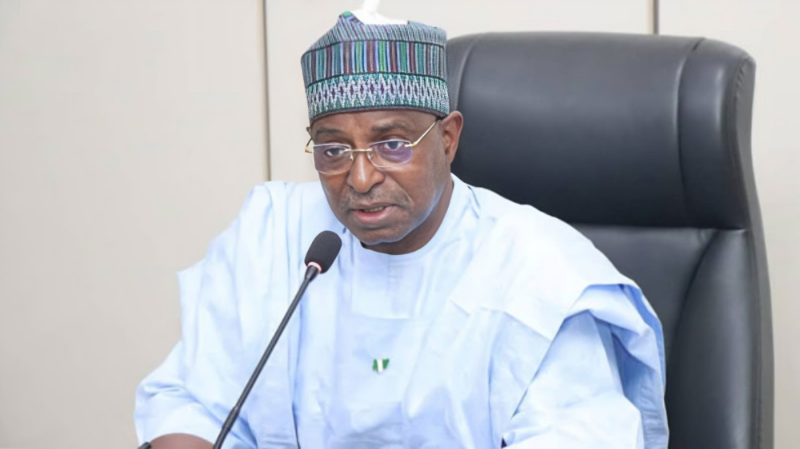
This article is authored by Brahmani Nara, executive director at Heritage Foods Ltd.
TL;DRAI
Women perform 70% of India's dairy labour but have long been excluded from the proceeds; 48,000+ women-led village cooperatives and direct digital payments to individual bank accounts are now shifting control. Dairy's daily payment cycle — unlike seasonal crops — builds credit history and financial agency faster than any other rural income mechanism, making cooperative access and account ownership the key policy levers.
657 words~3 min read