Women are not only the backbone of India’s dairy sector; they are its lifeblood
| Photo Credit:
Rohit Bhakar
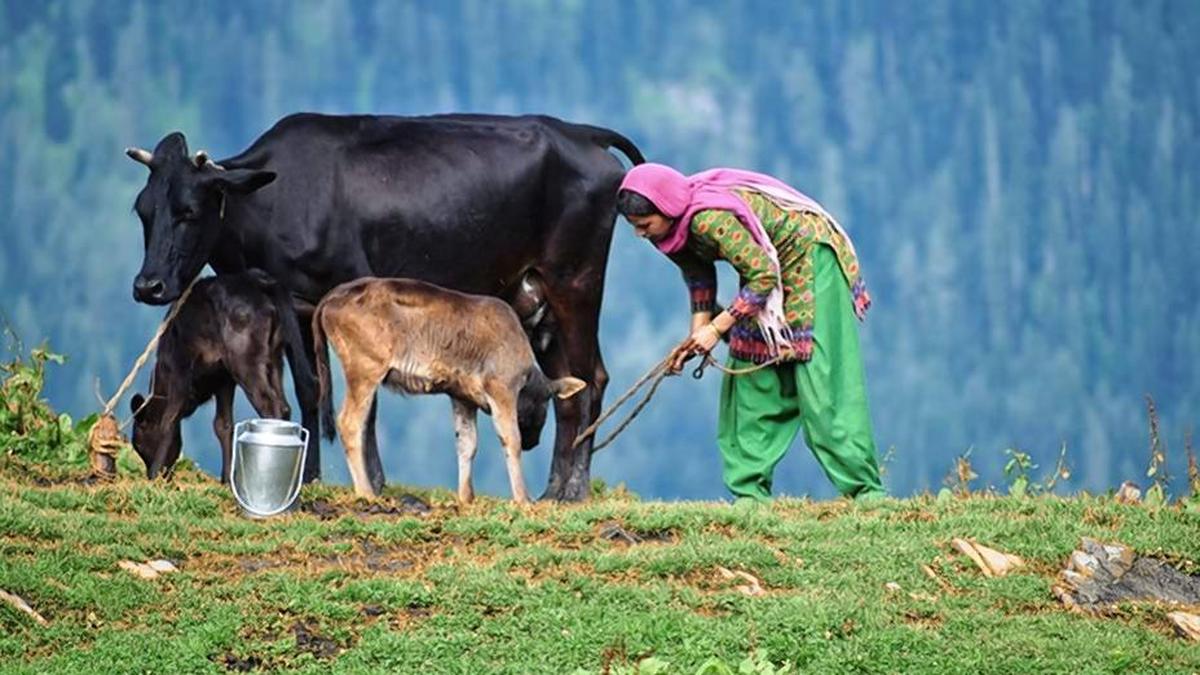
In India, where dairy underpins rural livelihoods and provides daily employment to millions of women, placing women at the centre of dairy policy is not only fair and legitimate but also essential to building economic resilience and inclusive growth.Reflecting this urgency, the United Nations has declared 2026 the “International Year of the Woman Farmer”, calling on governments and industries to address gender gaps in land rights, access to finance, and extension services.Why the theme matters in IndiaWomen are not only the backbone of India’s dairy sector; they are its lifeblood. They shoulder milking, animal care, fodder collection, and household nutrition, yet their contributions remain inadequately recognised in official records, markets, and ownership systems. When women are excluded from procurement lists or payment channels, their ability to negotiate, reinvest, and plan is diminished. Dairy is uniquely positioned to lead India’s gender-justice agenda because it is labour-intensive, village-based, and already heavily reliant on women’s work.Direct village-level sourcing removes intermediaries, bringing producers closer to markets and reducing avoidable costs. Registering women as producers would make their work visible, while direct payments into their bank accounts would strengthen their financial independence and help build creditworthiness. With easier access to loans, women would be better placed to invest in animal health and feed, improving both productivity and livelihoods. Together, these measures would also increase women’s earnings.Yet significant barriers remain. In many parts of India, men continue to own most land and livestock, limiting women’s ability to use assets as collateral for loans. Many women lack the legal documents required to access formal credit. Training programmes are often held at times or in locations that women cannot attend because of household responsibilities or exclusionary male-dominated forums.A gender-aware dairy policy frameworkA gender-responsive dairy policy will transform systems by eliminating barriers and empowering women. In particular, such a policy will officially register women in the documentation and payment systems, facilitate livestock ownership, and provide financial services and loans that cater to women’s needs. Some firms in India have already shown what this can look like in practice. One organisation, for instance, decentralised procurement so that women ran 40 per cent of village centres.By introducing easy-term loans to village entrepreneurs, with a substantial share reaching women dairy farmers, the organisation showed how targeted last-mile finance can unlock enterprise growth. Appointing women as procurement representatives and encouraging their participation in village meetings strengthened their voice, while continuous training and mentorship helped them build sustainable dairy enterprises. The model also extends beyond primary production: women-run franchise models can connect women entrepreneurs to downstream sales and distribution.Work aheadDairy firms can go further by formally registering women as producers and paying them directly. They can support women-led producer groups, offer tailored services such as fodder banks and insurance, and expand access to affordable credit through village institutions and digital platforms.Accountability and data matterMany companies are already taking meaningful steps to support women farmers. To deepen accountability and accelerate progress, they should regularly report the gender outcomes of these efforts. Such disclosures should track practical indicators, including the number of women engaged, payments made directly to women, access to credit, women’s representation in decision-making roles, changes in income, and time saved.India’s dairy future will be stronger, fairer, and more resilient if it embraces innovation and a gender-responsive approach. That means recognising women’s labour, expanding direct payments, improving access to credit, and supporting women-led enterprise at the village level. The author is the Executive Director of Heritage Foods Limited. Views expressed are personal.Published on June 1, 2026