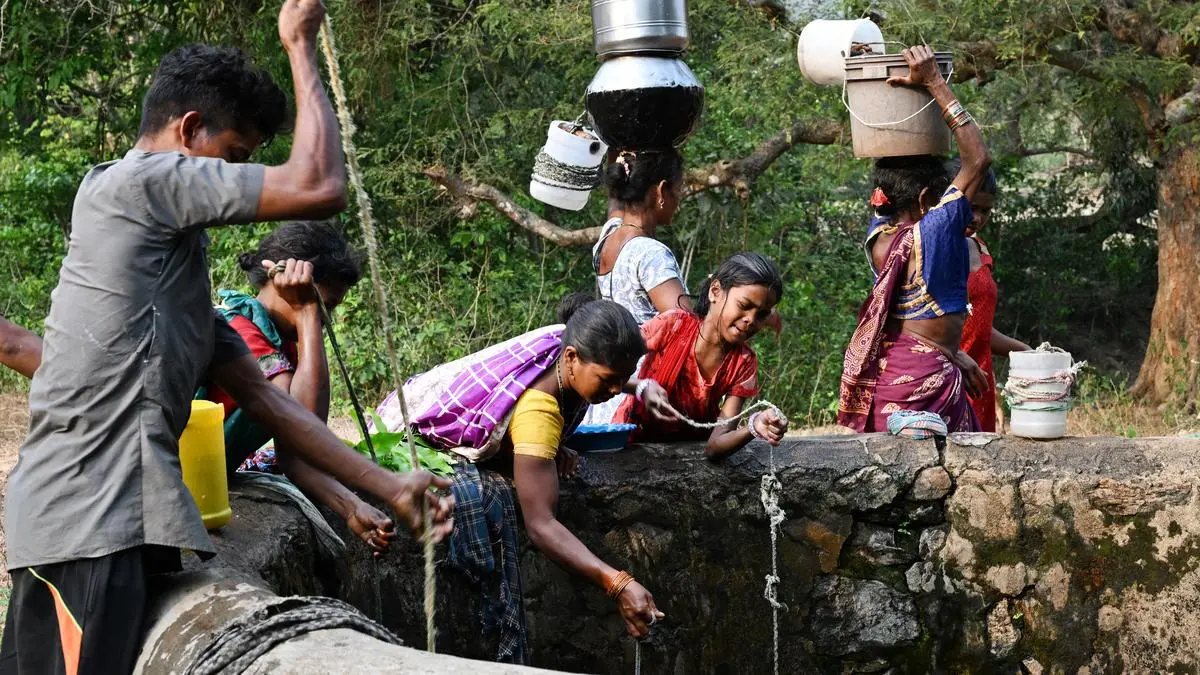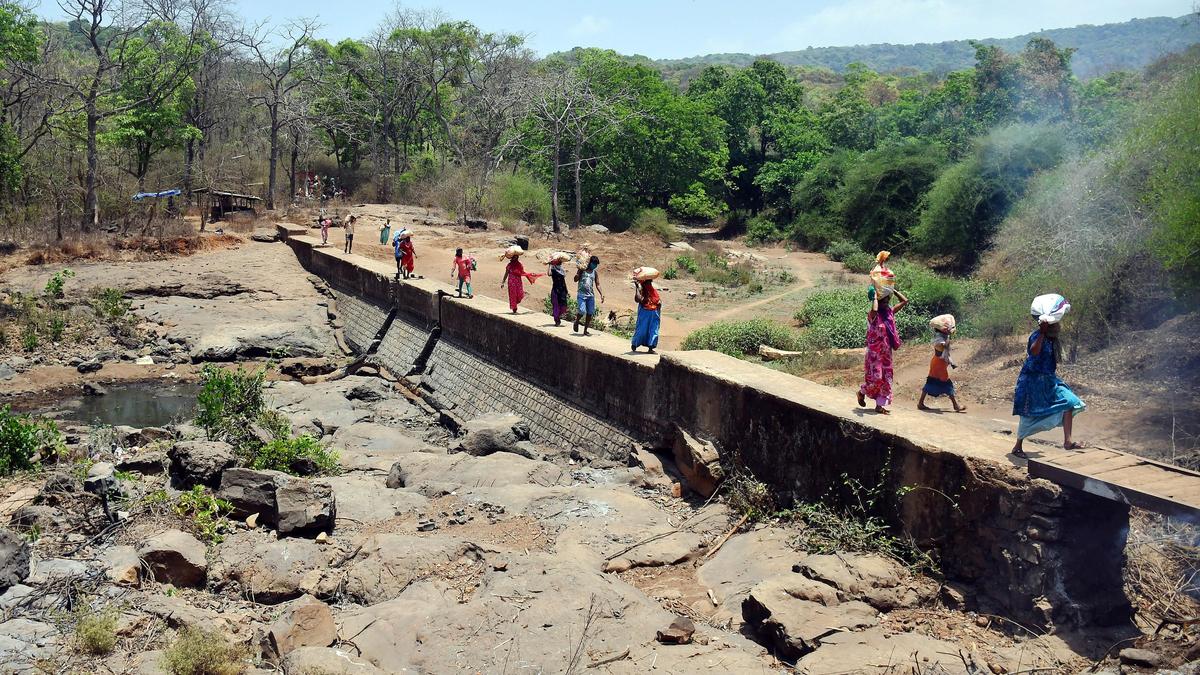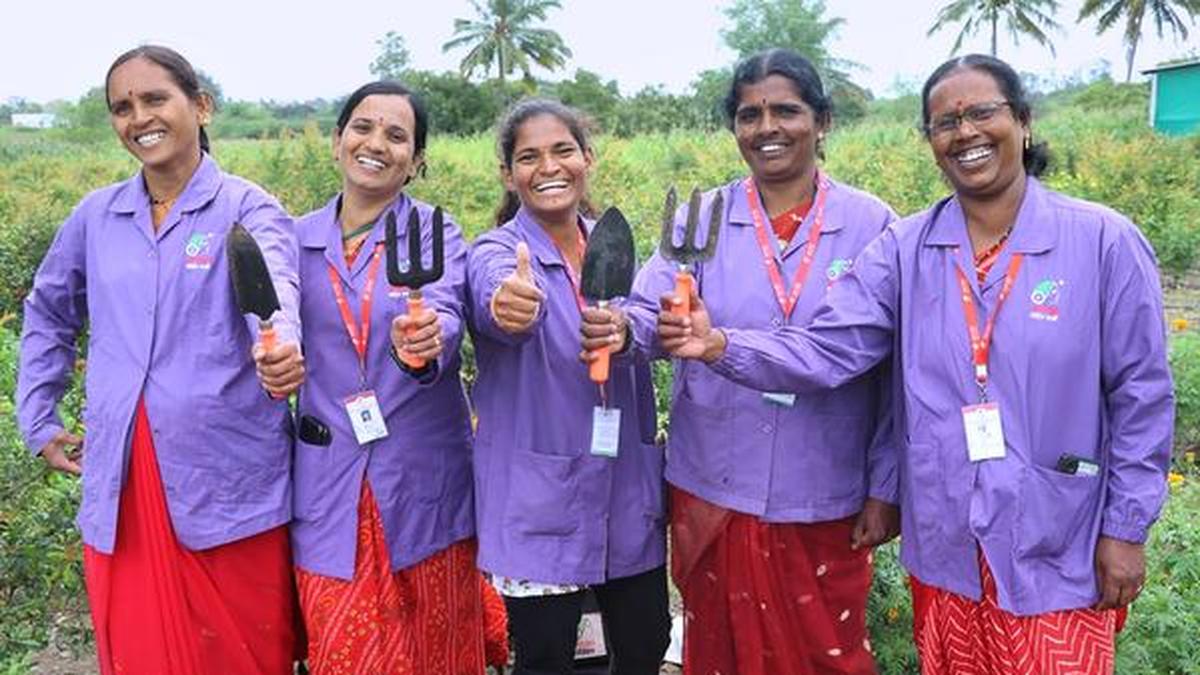
The fields in Bundelkhand are cracked and dry, their crops withered long before harvest. In Marathwada, wells have become gaping hollows, deep but empty, and farmers watch their borewells fail one after another. In western Rajasthan, grazing pastures turn to dust, forcing families to sell livestock at throwaway prices. This is the everyday reality in India’s drought-prone regions - a slow-moving emergency that is hollowing out rural life.Water (Representational Image/Pixabay)Water scarcity here is not a bad year or two; it is a relentless cycle. Nearly 68% of the country’s net sown area is now vulnerable to climate shocks, with recurring droughts and weather extremes crippling farm incomes, pushing millions into poverty, and shaving significant points off the GDP. Without water, crops fail, debts rise, and the rural economy - still the backbone of India’s food security - begins to fracture.This collapse is driven by erratic monsoons, rising temperatures, and fast-depleting groundwater. India is the world’s largest extractor of groundwater - almost a quarter of global use - yet its aquifers are drying faster than they can be replenished.According to WaterAid, 163 million Indians lack access to safe water near their homes. In farming regions, this doesn’t just mean longer walks for drinking water. It means no water for irrigation, livestock, or basic sanitation.The impacts cascade: loss of harvests means loss of income, livestock deaths further strip families of assets, and communities are left with little option but to migrate. Men often leave for distant cities as construction labourers, drivers, or factory workers, leaving behind women, children, and the elderly to shoulder the responsibility of sustaining what remains - the home, the land, and, most critically, the search for water.Water scarcity is not just an agricultural challenge; it dictates daily life. Families are forced to choose between buying water for drinking or investing in seeds for the next sowing season. Children’s education is disrupted as migration or household labour becomes necessary. In years of severe drought, entire villages may all but empty out, leaving behind only those too old or too poor to leave.And within this larger breakdown, one truth is inescapable: Scarcity has a gender.In a remote Bundelkhand hamlet, a 13-year-old girl begins her day before sunrise, walking four to six kilometres to fetch 20-30 litres of water. She will make this trip several times before dusk, shoulders straining under the load.Across rural India, women spend an estimated 150 million hours every single day collecting water - and, in more than 70% of unserved rural households, women carry this responsibility alone. The toll is relentless: spinal injuries, cervical spondylosis, uterine prolapse, and the constant risk of disease from unsafe water. More invisible still are the lost futures. Girls withdrawn from school to help carry water seldom return, setting off cycles of early marriage, reduced economic opportunity, and intergenerational poverty.When men migrate in search of work, women’s burdens multiply: Tending small farms or kitchen gardens, caring for children and elderly relatives, managing livestock - all while undertaking the physically punishing and often dangerous task of walking long distances for water. Many also face harassment and violence along the way, a risk almost entirely absent from climate adaptation strategies.National climate policy has so far treated water scarcity primarily as an efficiency problem, solvable with technology: Solar pumps, drip irrigation, rainwater harvesting. These are necessary but insufficient. Women’s “participation” in water committees is often tokenistic, without authority. Adaptation budgets and loss and damage frameworks rarely acknowledge the millions of hours of unpaid labour rural women contribute. And without gender-disaggregated data, the reality of who sustains survival stays invisible.Efficiency alone won’t solve the inequity of who pays the price for scarcity - in time, health, and opportunity. Without redistribution, technology can entrench rather than dismantle inequality.Rural water scarcity must be reframed as both an agricultural and social crisis. Solutions must:Embed women in water governance with full authority over resources.Invest in gender-sensitive WASH infrastructure to provide safe, proximate, and reliable access to water.Tie water access to education policy to prevent school dropout among girls.Account for unpaid water labour in climate adaptation metrics and financing.Support household-scale, climate-resilient farming like kitchen gardens and micro-orchards to improve incomes and nutrition despite drought.Initiatives like PWABHI in Bundelkhand prove these approaches work - equitable water governance has improved access, kept girls in school, and bolstered household health. Women-led small farming projects have helped families survive crop failures and reduce malnutrition.If women’s labour and household struggles remain unmeasured, they will remain unaddressed. Climate resilience must begin with recognising and redistributing the burdens of scarcity, so the costs don’t fall on the most disadvantaged - and least visible - shoulders. (The views expressed are personal)This article is authored by Aneesha Dalmia, chairperson, Rotary International Programme of Scale, Partners for Water Access and Better Harvests in India (PWABHI).
Water scarcity: Rural collapse with a hidden gender cost
Authored by - Aneesha Dalmia, chairperson, Rotary International Programme of Scale, Partners for Water Access and Better Harvests in India (PWABHI).
795 words~4 min read