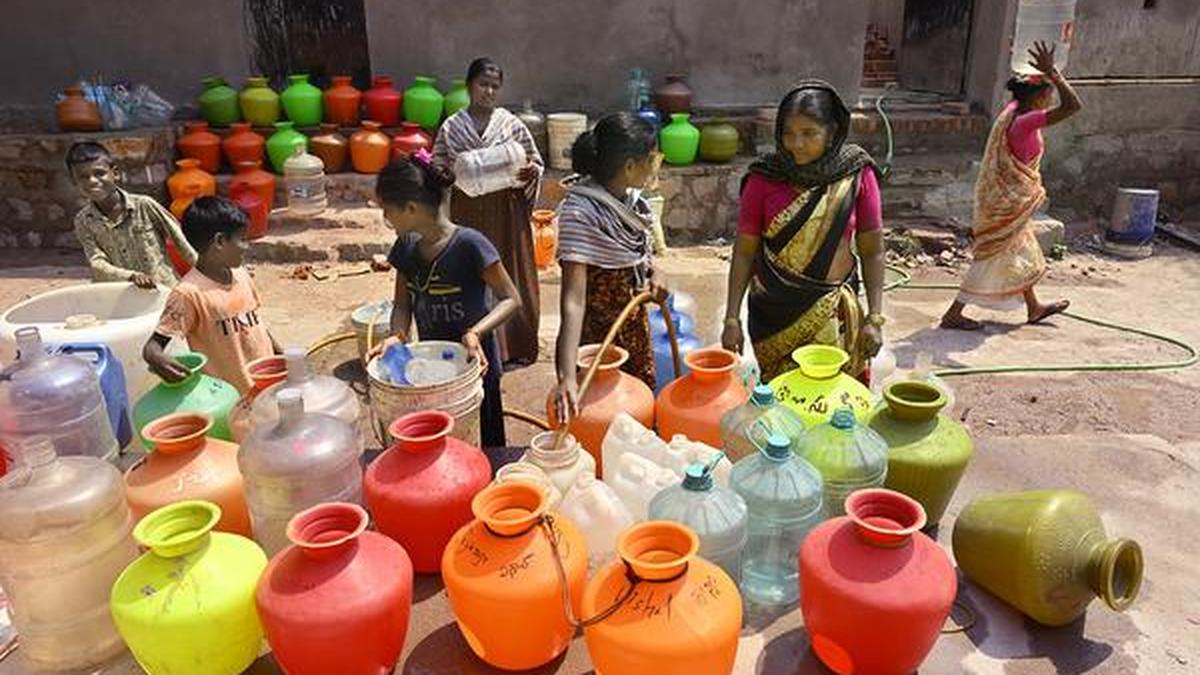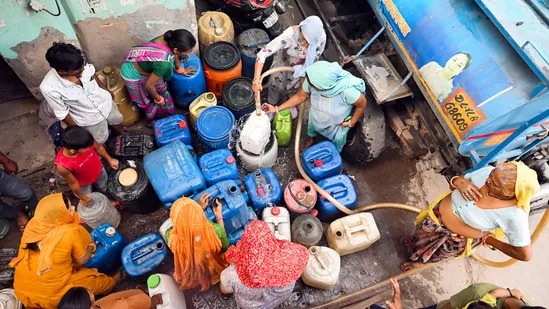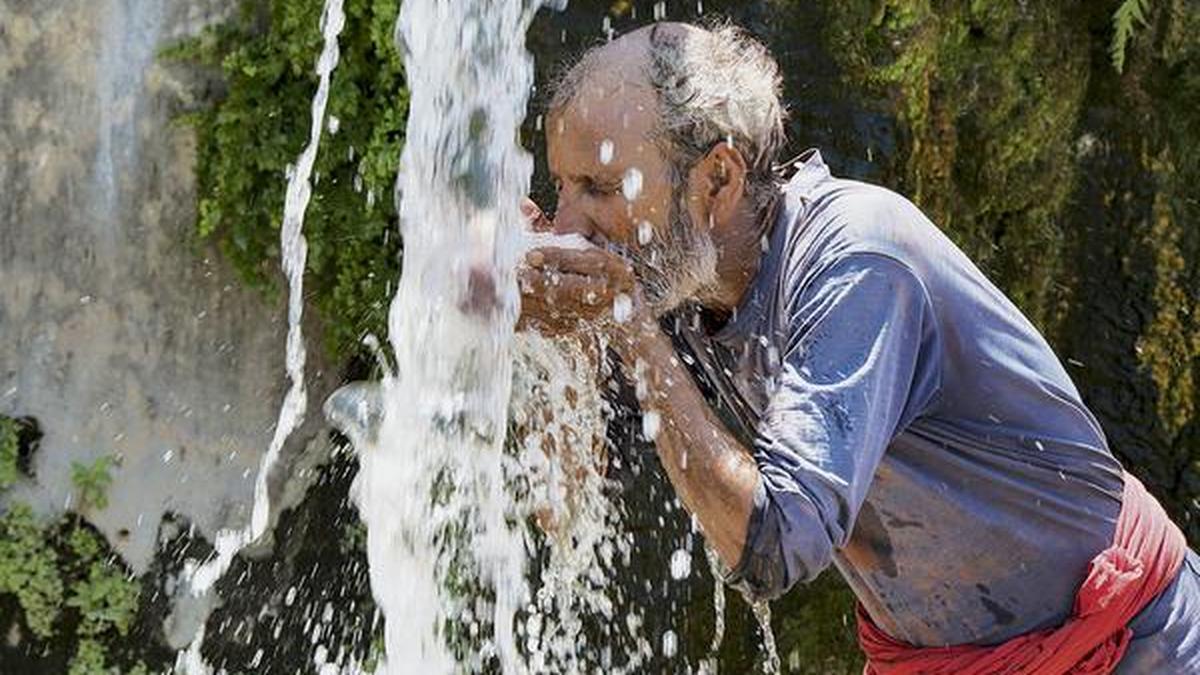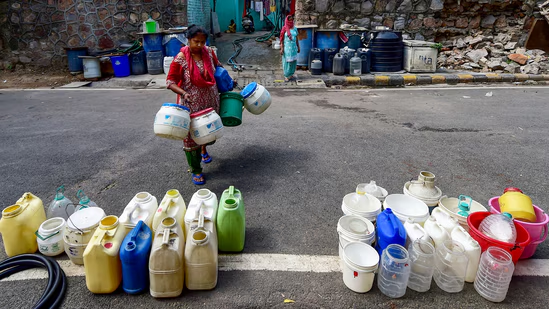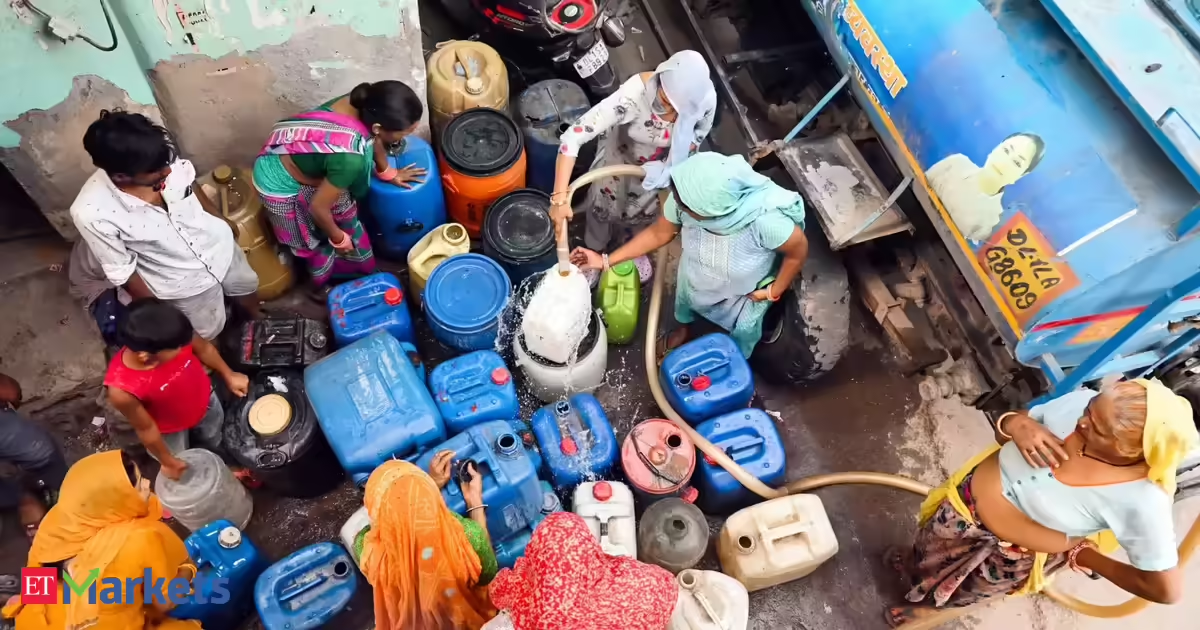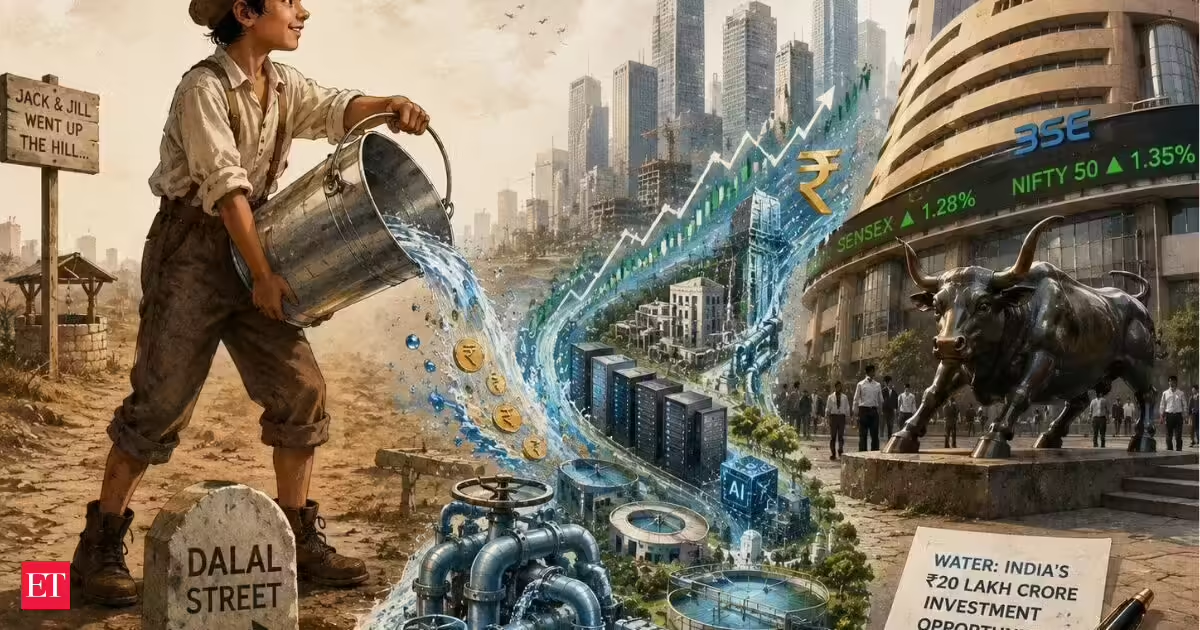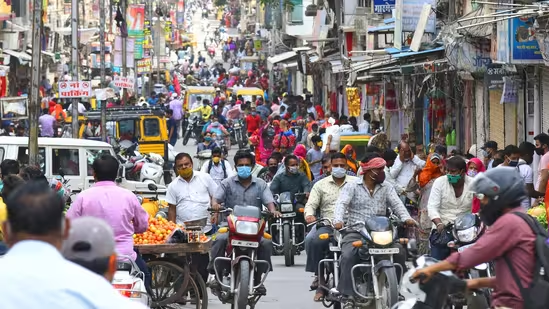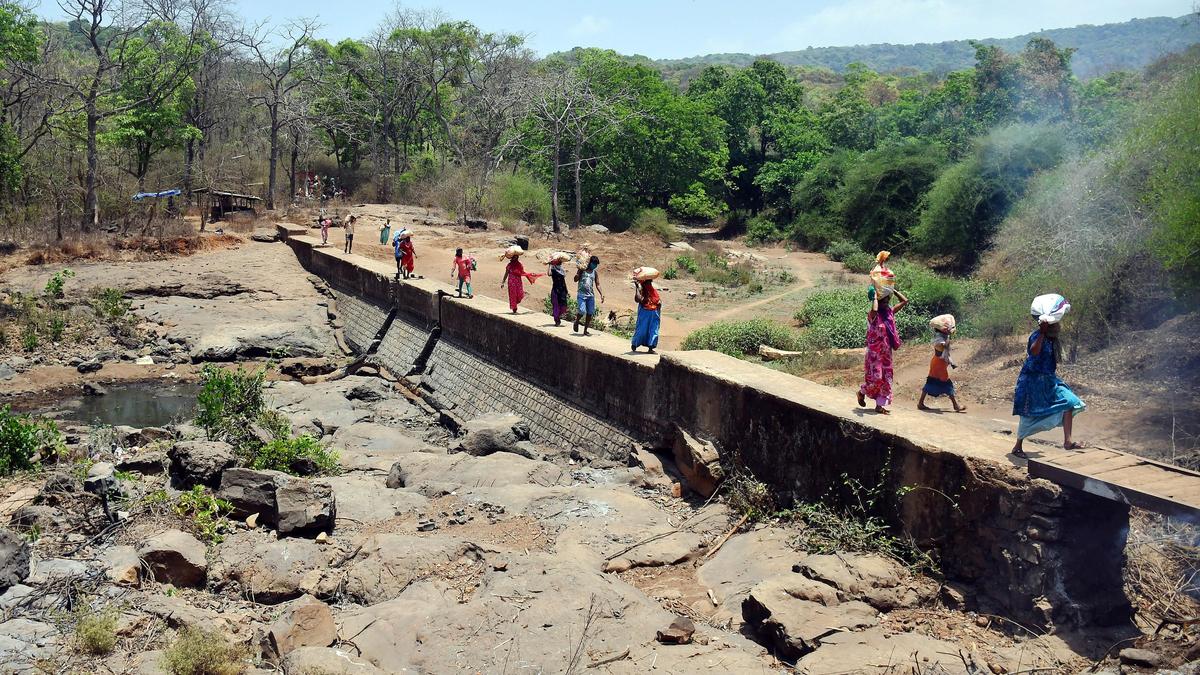
Indian cities — from Bengaluru to Mussoorie (Uttarakhand) — are reeling under severe water stress. June saw a monsoon rainfall deficit of over 40%. Delhi is facing a severe shortage, and water supply has plummeted to about 70% of the total demand of 1,250 million gallons per day. Research by the Council on Energy, Environment and Water (CEEW) further finds that 11 out of 15 major river basins in India are experiencing water stress, with annual water availability below 1,700 m3 per person. Several of them, including the Krishna, Cauvery, Mahi, and Tapi basins, are below the water scarcity threshold of 1,000 m3 per person.A recent report by the United Nations University Institute for Water, Environment and Health (UNU-INWEH) warns of global water bankruptcy. Several river basins are polluted and closed, with no outflow to the sea. Aquifers are being depleted beyond safe limits. Nearly three-quarters of the global population lives in water-insecure countries, with four billion people facing severe water scarcity for at least one month a year.Water infrastructure gapsIndia has an uneven distribution of water resources. With 4% of the world’s water resources supporting 18% of the population, historically, the country has lived and grown with water uncertainty. While schemes such as the Jal Jeevan Mission and Pradhan Mantri Krishi Sinchayee Yojana have helped develop water supply infrastructure, concerns remain regarding the poor upkeep of existing infrastructure, inadequate wastewater treatment facilities, substantial conveyance losses, high levels of water pollution, and low cost recovery.There are four interrelated actions that can help India navigate the ‘state of bankruptcy’ to become water secure.First, invest in climate-proofing water systems through granular climate risk assessments of water infrastructure and services. The CEEW’s analysis of India’s urban flood risk management shows that such assessments help prioritise investments in high to very high-risk locations, including coastal and low-lying areas such as Thane (Maharashtra) and Navsari (Gujarat), or areas with critical infrastructure such as schools, hospitals, and electricity grids, as seen in Ahmedabad. These assessments are especially important for cash-strapped urban local bodies and panchayats. Cities should leverage existing mechanisms like the Urban Challenge Fund (UCF) to finance them—for instance, Visakhapatnam (Andhra Pradesh) recently secured ₹1,501 crore under the UCF for water supply and drainage, part of which could support water risk assessments.Second, enable water reuse for non-potable purposes in urban areas. Shifting from a linear to a circular approach to water use is essential to reduce pressure on freshwater resources. Used water can be treated and reused for activities such as car washing, landscaping, and cooling data centres. City-level reuse planning is key to achieving this. The Thane Municipal Corporation is adopting a scientific approach to scale up treated wastewater reuse, including for construction, to reduce its annual freshwater deficit of 53 million litres per day and generate revenue. According to CEEW analysis, the economic opportunity from the sale of treated wastewater could reach ₹3 lakh crore and generate 1,00,000 additional jobs by 2047.Third, scale up micro-irrigation systems, including drip and sprinkler technologies that deliver water to crops more efficiently than flood irrigation. Expanding these systems beyond the current 20% coverage of India’s potential 72 million hectares of irrigated area requires large-scale interventions. First, the CEEW’s Gujarat research shows that micro-irrigation subsidies should be redesigned for small and marginal farmers by using 0.4 hectares instead of one hectare as the base unit. Second, farmers need support to shift to low-water, higher-value crops such as horticulture and oilseeds to recover costs, as seen in Andhra Pradesh’s Rayalaseema region. Third, low-cost insurance with faster claims, including through a strengthened Pradhan Mantri Fasal Bima Yojana, can help smallholders manage climate and crop risks.Close water data gapsFinally, generate data at the river basin level to improve decision-making. India has good data on water availability, but limited data on withdrawals, losses, and consumption at the basin scale. This makes it difficult to assess actual water use, gauge efficiency gains, or allocate water judiciously — often leading one sector to gain at the expense of others, while the lack of data encourages “free riding”, with users extracting as much as the source allows. Artificial Intelligence-based monitoring of water conveyance infrastructure can help detect and measure losses and also generate data. Cities such as Delhi and Bhubaneswar (Odisha) are installing smart bulk water meters to identify and reduce physical losses during distribution. Equally important is analysing end-user consumption by scaling up smart metering and using advanced water accounting tools. India’s rollout of over 4.93 crore smart electricity meters can serve as a model for the water sector.Water is an economic resource — it powers lives, livelihoods, and ecosystems. Reversing water bankruptcy will be the foundation of social welfare. Political will, transparent governance, and societal trust are the levers. Pull them, and India can still turn the tide toward a water-secure future.Nitin Bassi is Fellow at the Council on Energy, Environment and Water (CEEW). The views expressed are personal
Building water security in a rapidly drying India
Reversing water bankruptcy will be the foundation of social welfare in India
816 words~4 min read