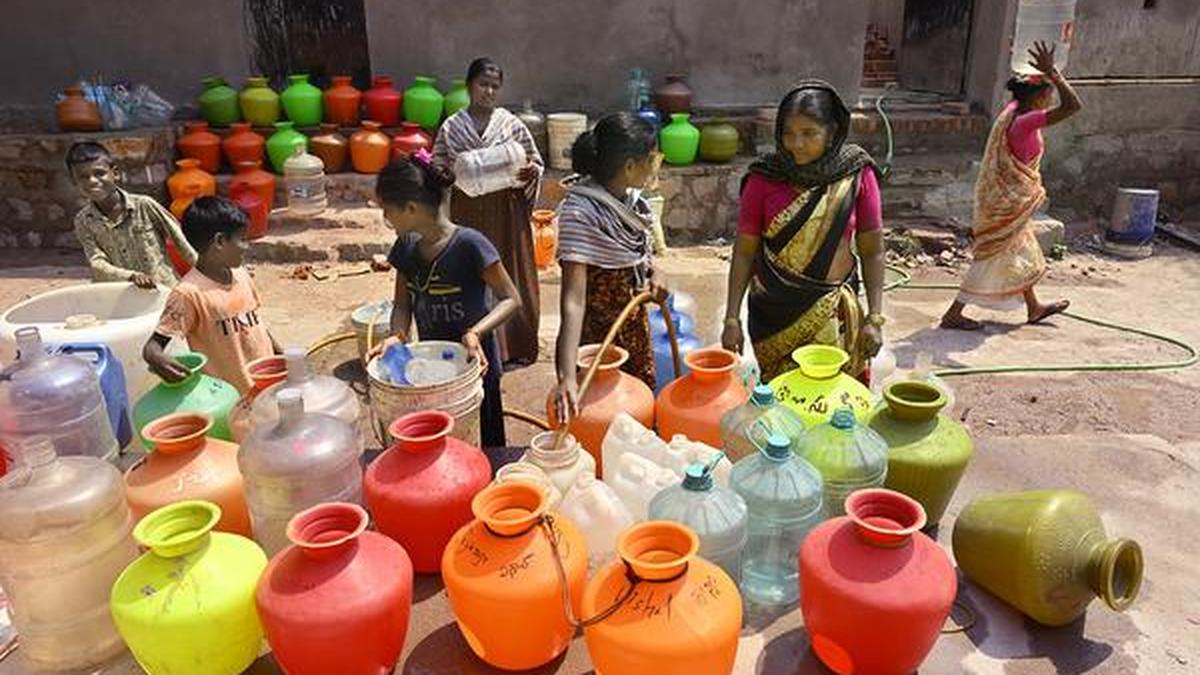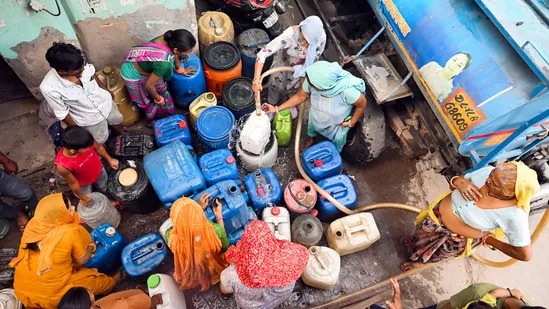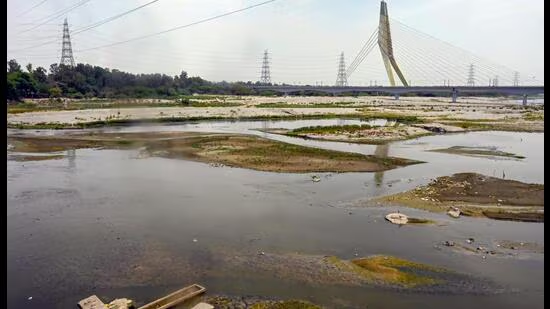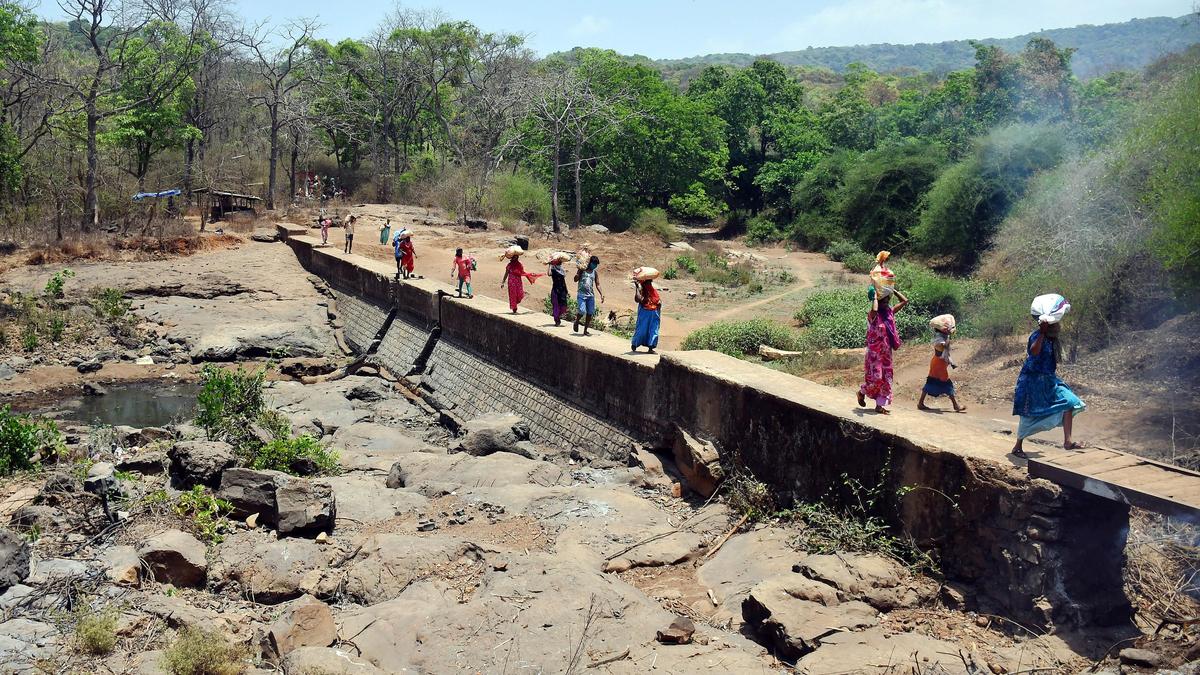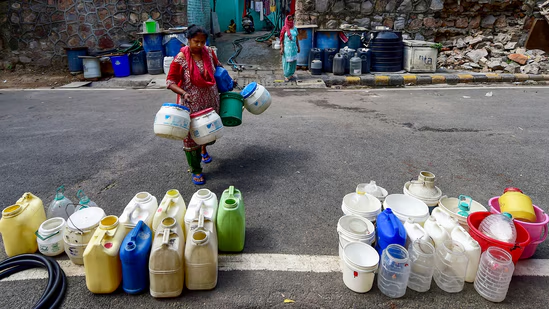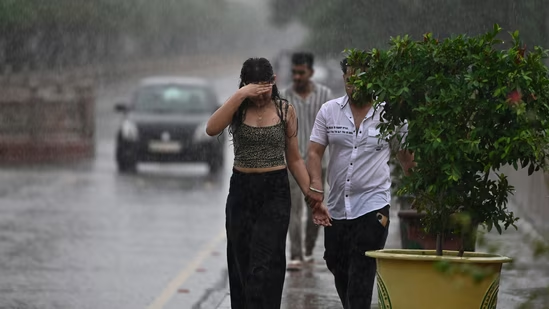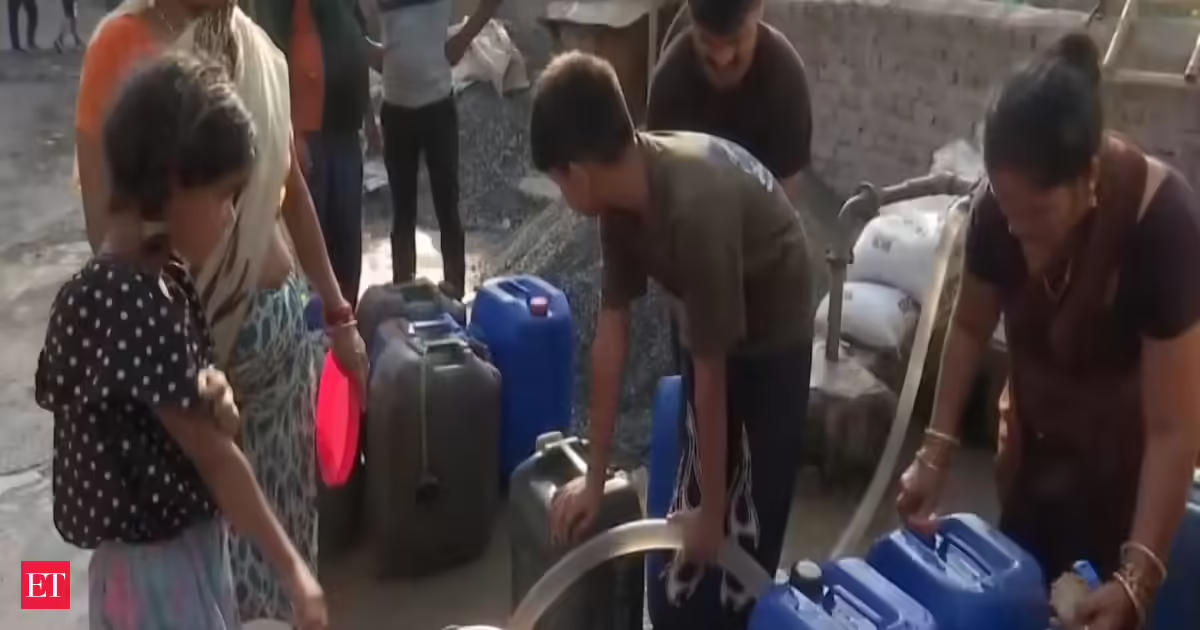
Urban India’s water emergency is no longer a future risk. It has become the normal of our summers. From high-rises anxiously tracking tanker schedules to informal settlements queuing at a single standpost, every year brings the same mix of dry taps, frayed tempers, and quiet resignation.This summer, residents in parts of New Delhi have already faced days without piped water supply and large families have had to make do with just one 20-litre water can for a day. The Delhi Jal Board has reportedly planned to deploy more than 1,000 tankers to manage the crisis. Similar scenes have played out in other major cities, including Chennai, Bengaluru, and Hyderabad, over the last few summers.Unfortunately, India still treats this as a seasonal inconvenience to endure until the clouds arrive.Most cities source their water from reservoirs, groundwater or a combination of both. The annual summer water shortage however is the result of choices made over years. Cities have grown faster than their systems. Lakes and tanks have been built over. People are consuming groundwater faster than it can be replenished.Cities often focus on finding new water sources instead of fixing and maintaining existing networks. Choices around development planning and control, enforcement of groundwater regulations, water use and wastewater management, made by all — from every individual to service providers to policymakers — shape the experience each summer.Many cities have moved from nearby rivers and lakes to distant sources and rapidly depleting groundwater, sinking more borewells and laying longer pipelines. What looks like a sudden shortage is often the result of this slow erosion of local buffers. At the same time, lakes, tanks, ponds and stormwater channels that once softened both floods and droughts have been encroached upon or converted, so a few hours of intense rain can flood streets and, a few weeks later, the same city is again queuing for tankers.Beyond short-term copingFor many residents, especially in poorer settlements and smaller towns, the crisis is also about quality. Intermittent supply, leaky pipes, and unsafe storage mean that even when water arrives, it may not be safe to drink. The familiar scenes of tankers, angry protests, and frantic borewell drilling are therefore not one-offs. They are symptoms of a chronic condition that shows up in illness, lost workdays and mounting bills.If we accept this, we will also realise that coping from week to week is no longer enough.First, every city needs an honest and public emergency water plan. Residents should not have to rely on rumours to know what is happening. A basic plan would identify the most vulnerable wards and critical facilities, set simple rules for how water will be prioritised when supplies are tight such as duration and frequency of supply to enable better tail end distribution, and commit to regular public updates on storage levels and expected supply. Where such information is shared clearly, it manages expectations and reduces grievances; this is less about technology than about treating information as part of the service.Second, a concerted effort must be made to recover water that is already in the system but never reaches the taps. Instead of announcing distant, expensive new sources, cities can launch a time-bound ‘leak hunt’ in the worst-affected zones: walk key stretches of the network, fix visible leaks quickly, use simple tools to detect hidden ones, and set a short-term target for cutting losses. In systems where a large share — nearly 30% — of water is lost before it reaches users, even modest reductions in a few high-loss areas is equivalent to creating a new local source without building a new pipeline.Third, government buildings, big campuses and commercial complexes are among the steadiest consumers of water. And a quick internal audit, basic leak repairs, and simple efficiency measures over the next month can free up meaningful volumes and set an example. Neighbourhoods and resident groups can agree on clear norms for peak months, limiting non-essential uses, tracking weekly consumption and asking tanker suppliers where they draw their water from — while local leaders in low-income areas help authorities see how supply actually reaches their lanes.Fourth, any emergency response must include water quality: rapid testing in high-risk neighbourhoods and tanker water supply, temporary support for basic treatment where problems are found, and simple communication about safe storage.Finally, water security cannot be achieved without improving how we manage used-water. Measures to reduce leaks in water pipelines should also be used on sewer networks to identify and stop major sewage exfiltration and prevent contamination.Not a single solutionQuick, low-cost upgrades to used-water treatment plants such as, optimising aeration, de-weeding, and desludging, can further reduce pollution and help augment available surface- and ground-water resources.No single measure will pull Indian cities out of their water emergency. Together, however, they can directly address the summer’s pain points: unpredictability, waste, inequity, and illness.Manish Dubey is Dean & Rahul Bajaj Chair, School of Governance, Indian Institute for Human Settlements (IIHS). K.V. Santhosh Ragavan is Adjunct Faculty, IIHS.
Five solutions Indian cities need, to stop fighting for water week after week
Discover five essential strategies for Indian cities to tackle their ongoing water crisis and ensure sustainable access to clean water.
823 words~4 min read