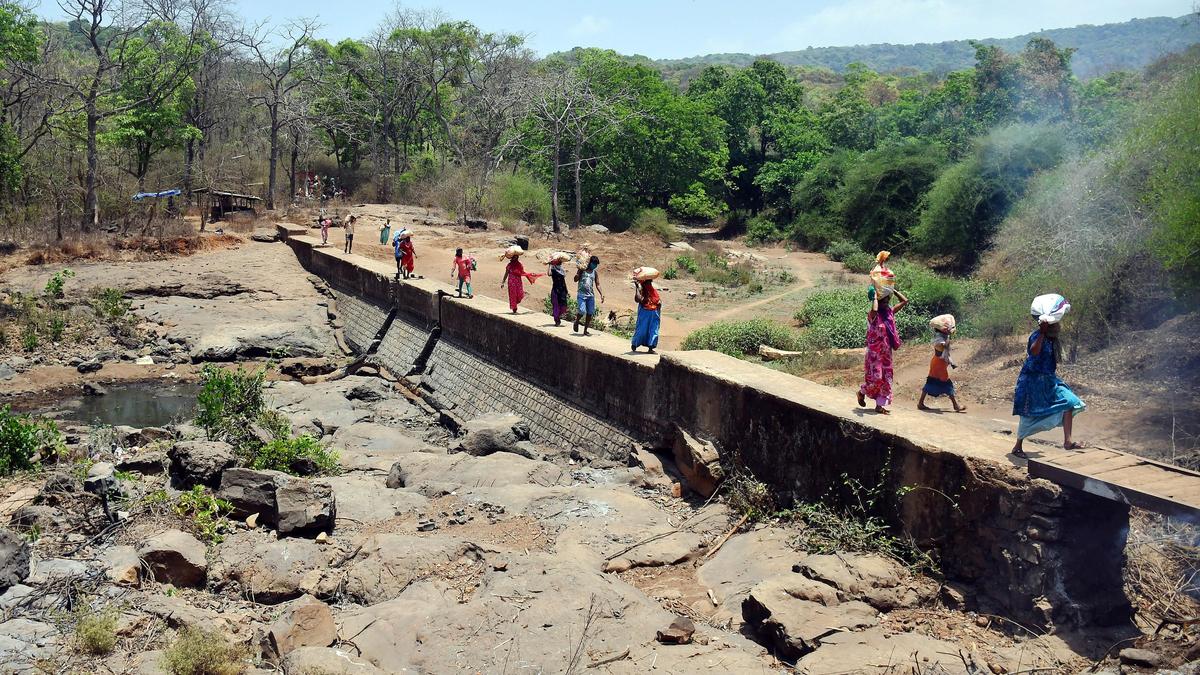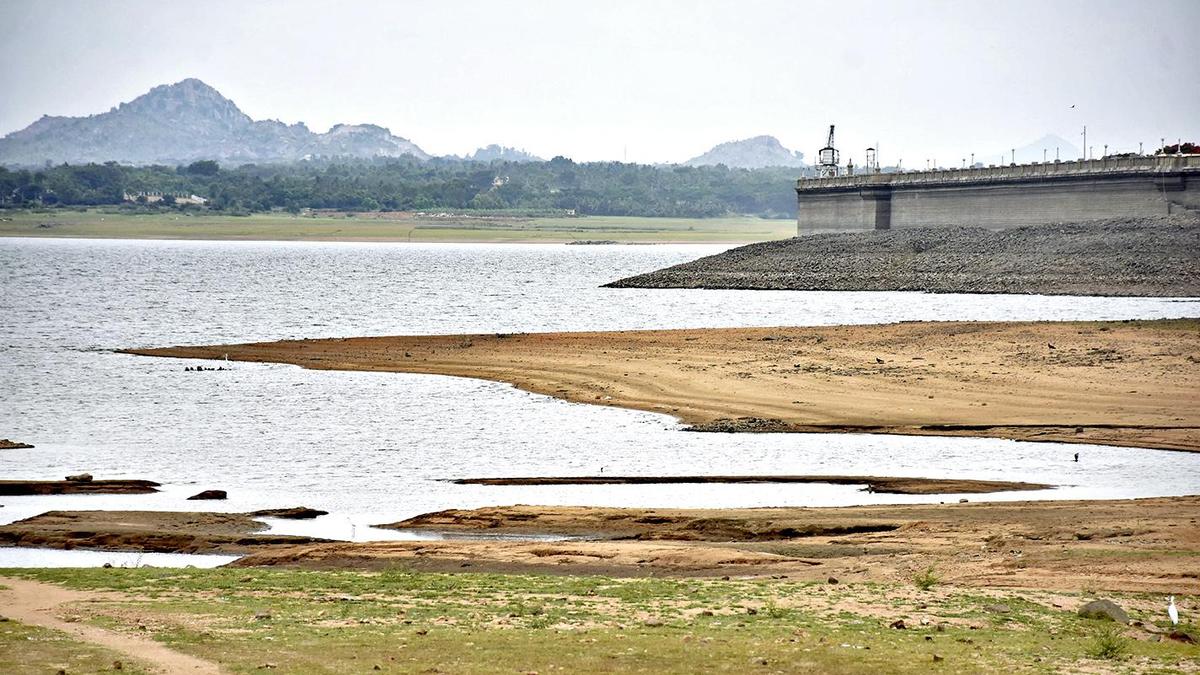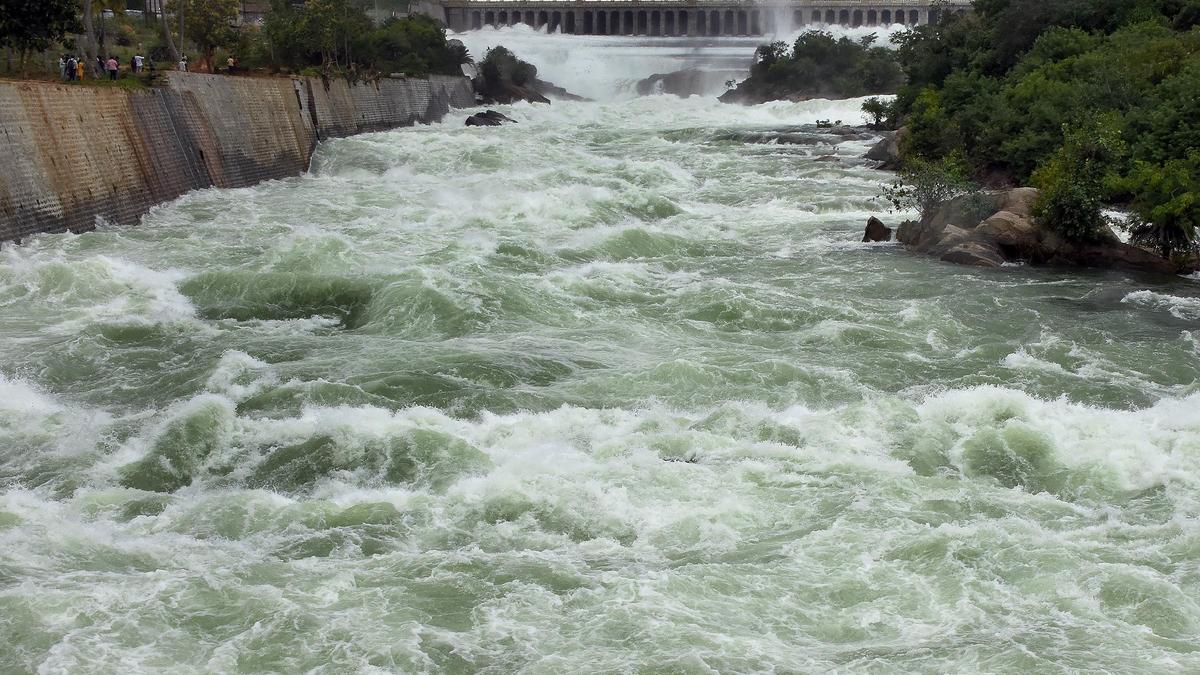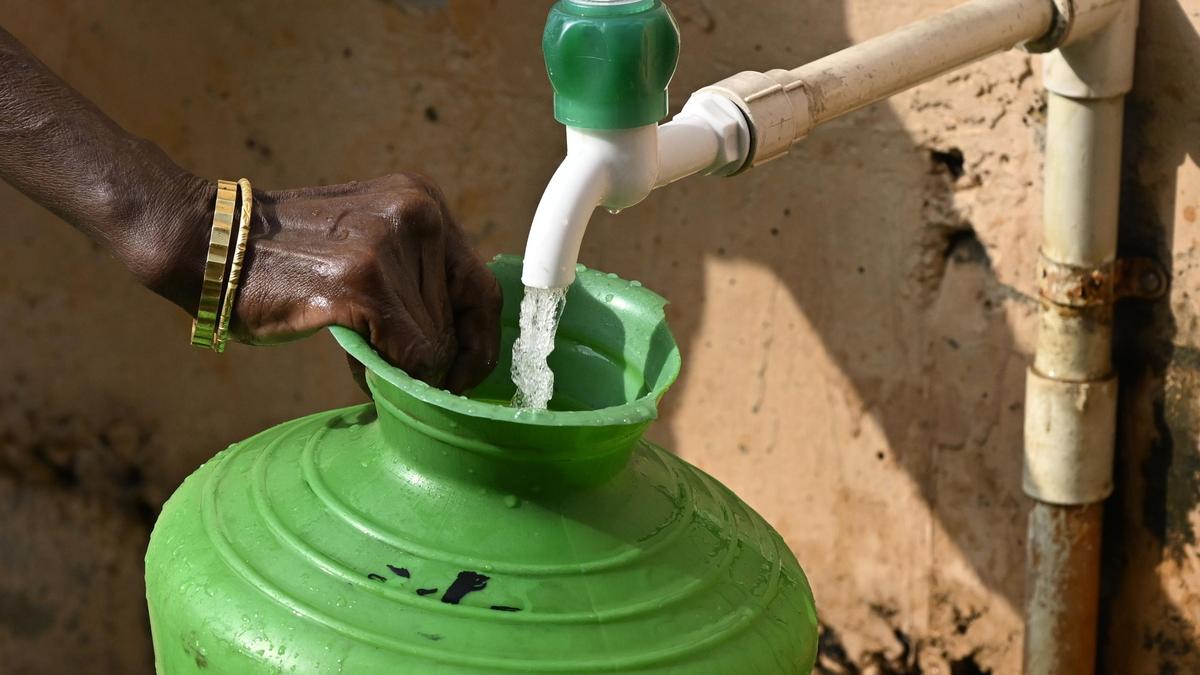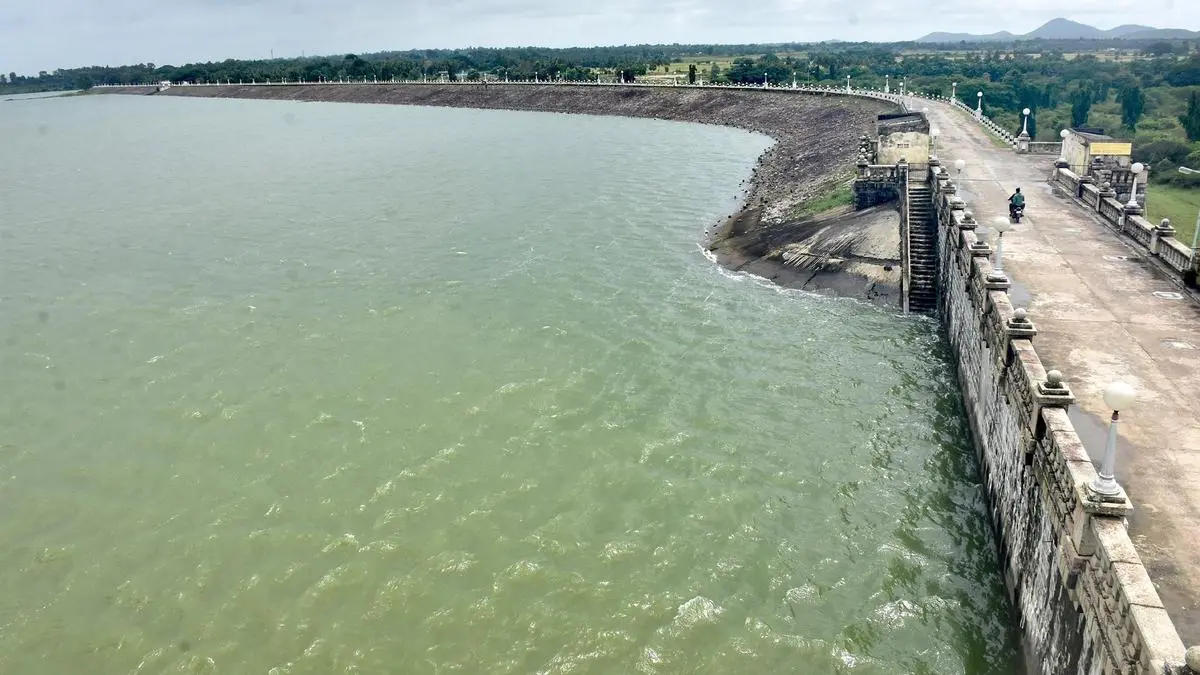
(file phto) With reservoir inflows dropping to nearly 20 per cent %, the BWSSB has begun using the Krishna Raja Sagara (KRS) and Kabini reservoirs as one of their main water sources, with upstream sources being Hemavati and Harangi.
| Photo Credit:
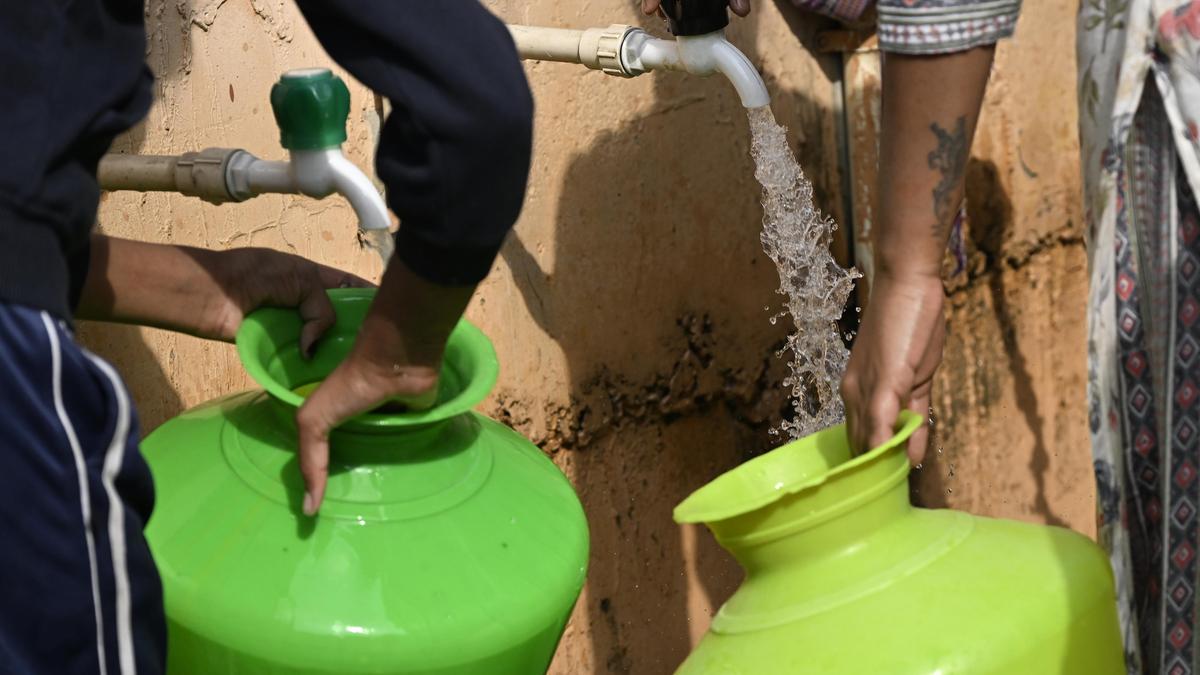
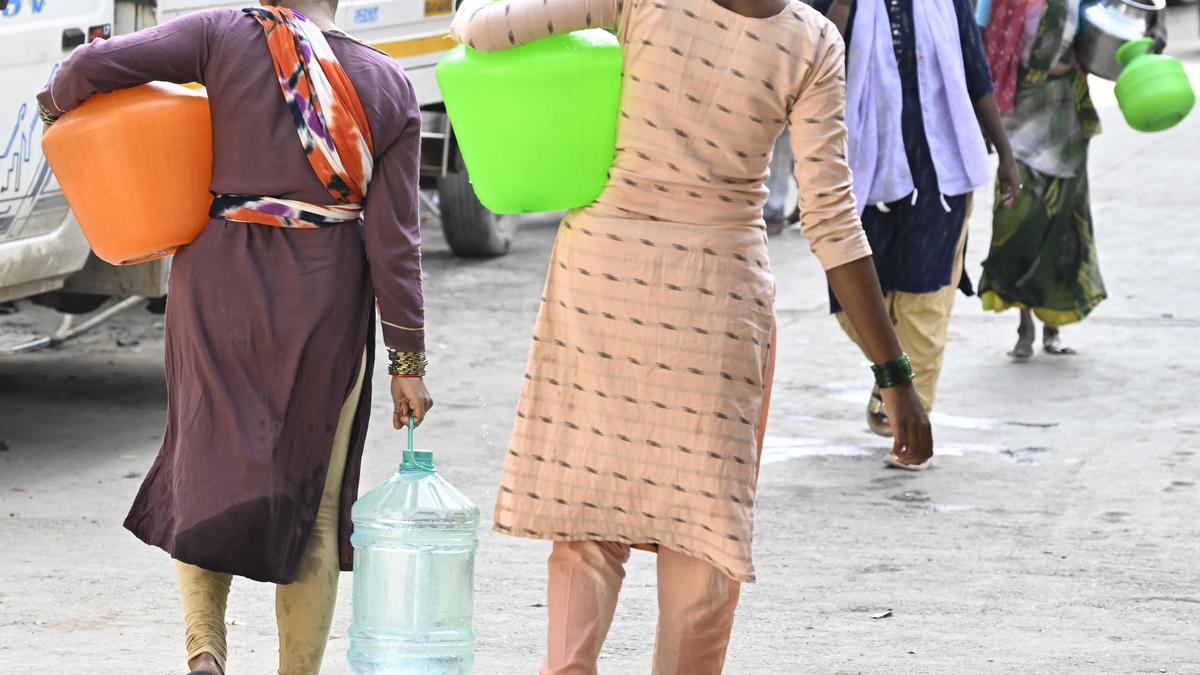
Triggered by an El Niño monsoon failure, Bengaluru is executing an infrastructure pivot to survive as the Bengaluru Water Supply and Sewerage Board (BWSSB) is aggressively scaling wastewater recycling and tightening consumption controls to keep the city functioning.With reservoir inflows dropping to nearly 20 per cent , the BWSSB has begun using the Krishna Raja Sagara (KRS) and Kabini reservoirs as one of their main water sources, with upstream sources being Hemavati and Harangi. To provide additional water, the BWSSB has drawn water from underground aquifers with approximately 15,000 borewells in the city. The borewells and the reservoirs together are managing 2,700 to 2,800 MLD (Millions of Litres per Day). For water treatment, approximately 1,300 MLD is being treated, where 700 MLD goes to the tanks in the Kolar and Chikkaballapur areas, and about 300-400 MLD is diverted into local tanks.Manjula N, chairperson, BWSSB said “We have approximately enough water for about five months. We are slowly seeing some improvement because it is raining on the coast and partly in the Western Ghats. We are seeing a marginal improvement.”Differing perspectivesWater tanker suppliers on the other hand, have differing perspectives on the water deficit. Neethina, a primary water tanker provider, has said that recently 80 per cent of his own borewells are dry. Bound by prior agreements, he still charges ₹500 for 6000L, but has raised prices by an additional ₹30–50 for secondary tankers supplying private residences.To restrict water consumption during the crisis, the BWSSB is pushing for the use of aerators, which are devices that can restrict water volume by up to 20 per cent . The BWSSB, moreover, has requested the public from using water for non-essential purposes. Manjula claimed in the future the BWSSB “may impose penalties if people divert water for these uses.”The board is also deploying IoT sensors to monitor critical borewells and plans to supply commercial sectors with treated wastewater. This includes routing secondary treated water to construction sites and possibly implementing tertiary treatment at STPs near data centers to ensure a consistent, dual-source pipeline.Manjula also shared that the BWSSB is planning for the next stage of the Cauvery project to secure an additional 60 MLD. “The project has been approved by the cabinet office and details are underway,” said Manjula. Acknowledging the finiteness of its primary water source, the board has put heavy emphasis on recycling its water supply to feed India’s third largest city.(The writers are interns)Published on July 7, 2026