Extreme weather events are changing the rules of water planning
| Photo Credit:
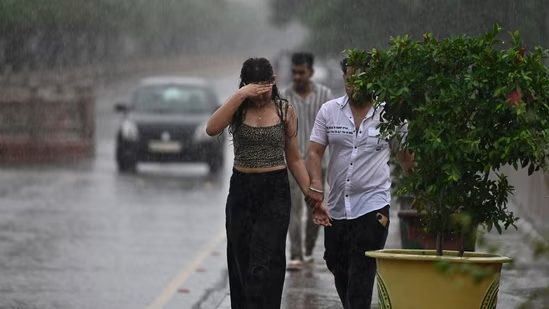
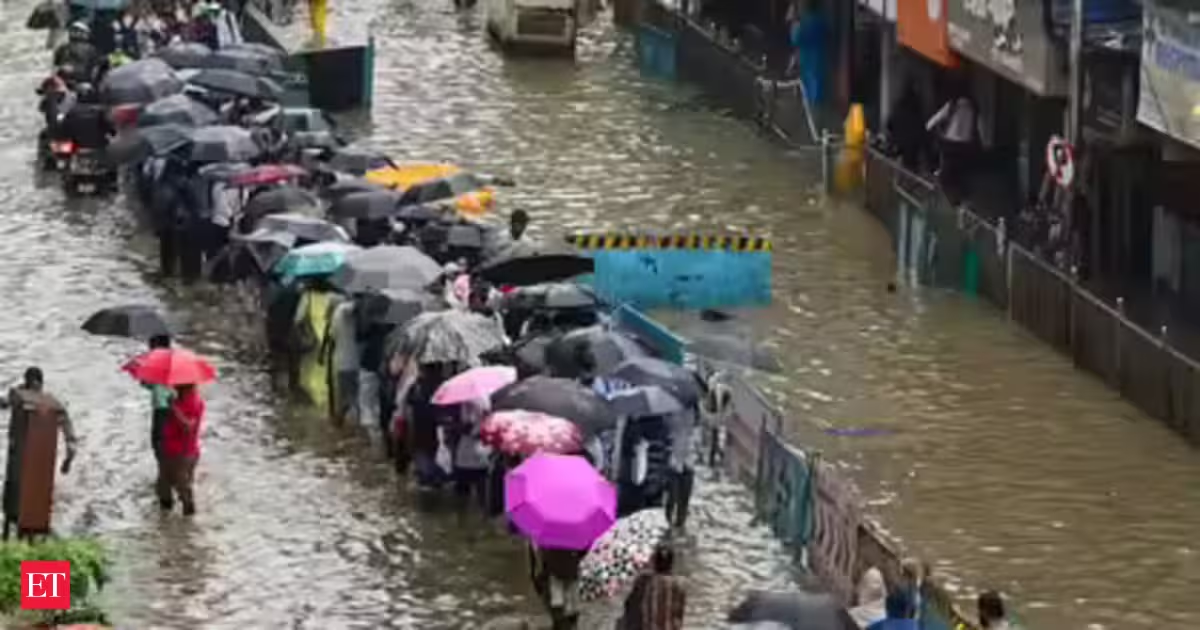
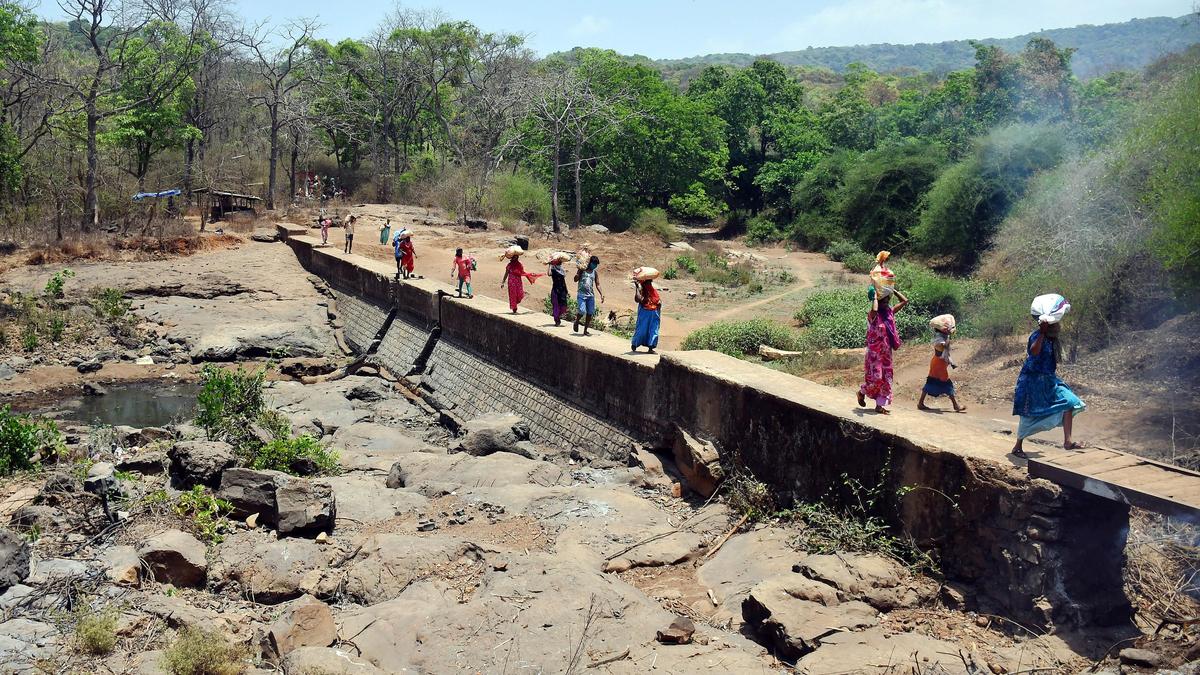
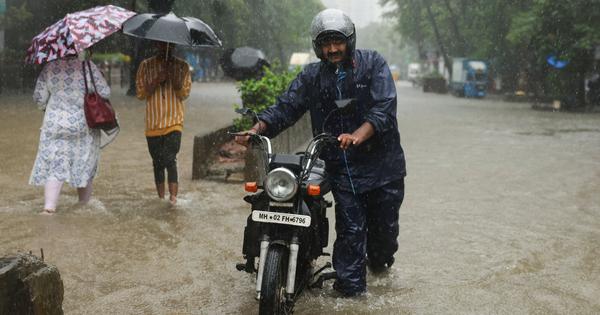
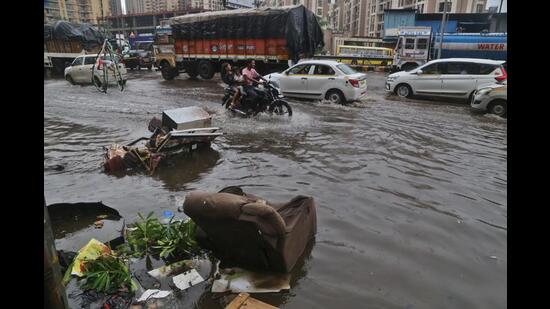
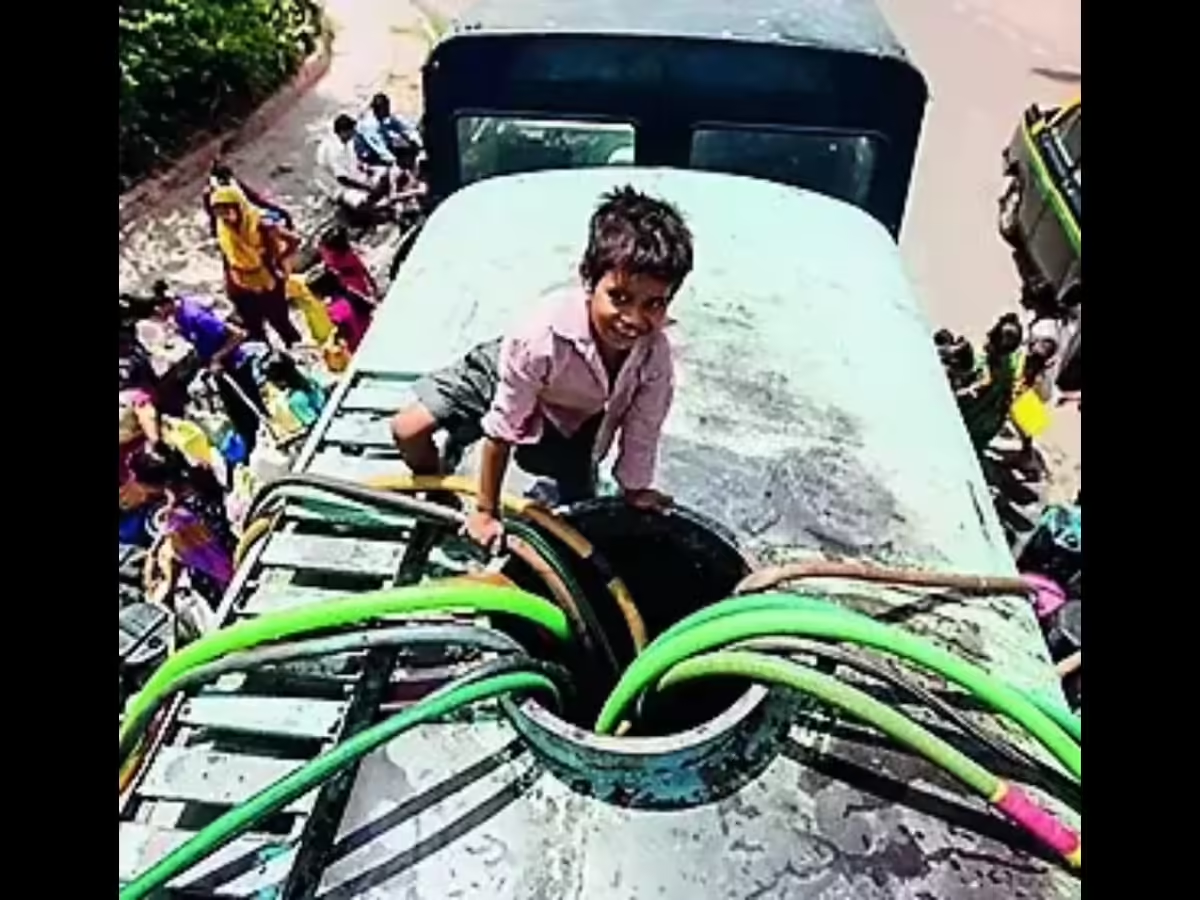
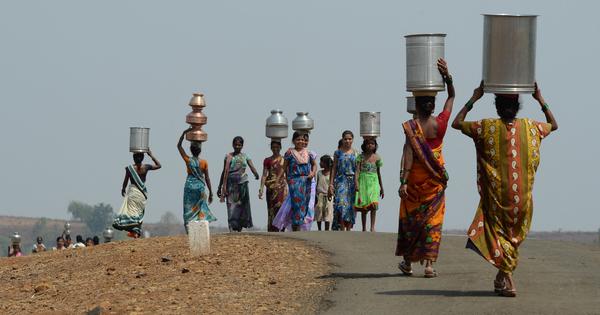
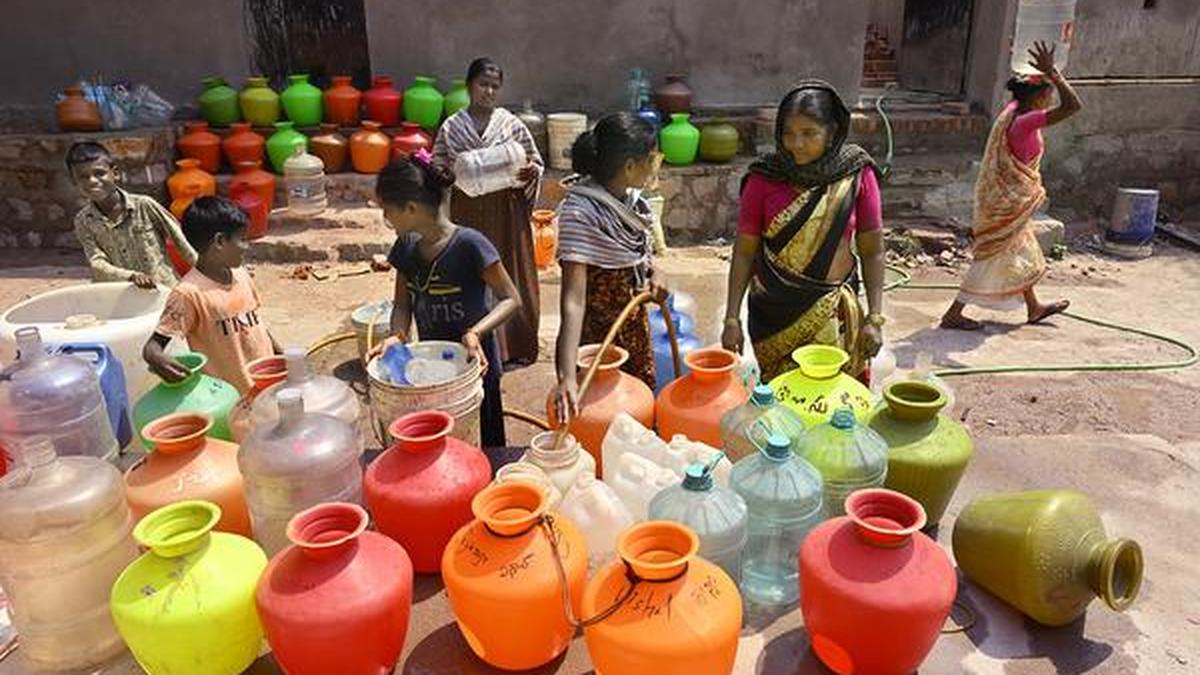
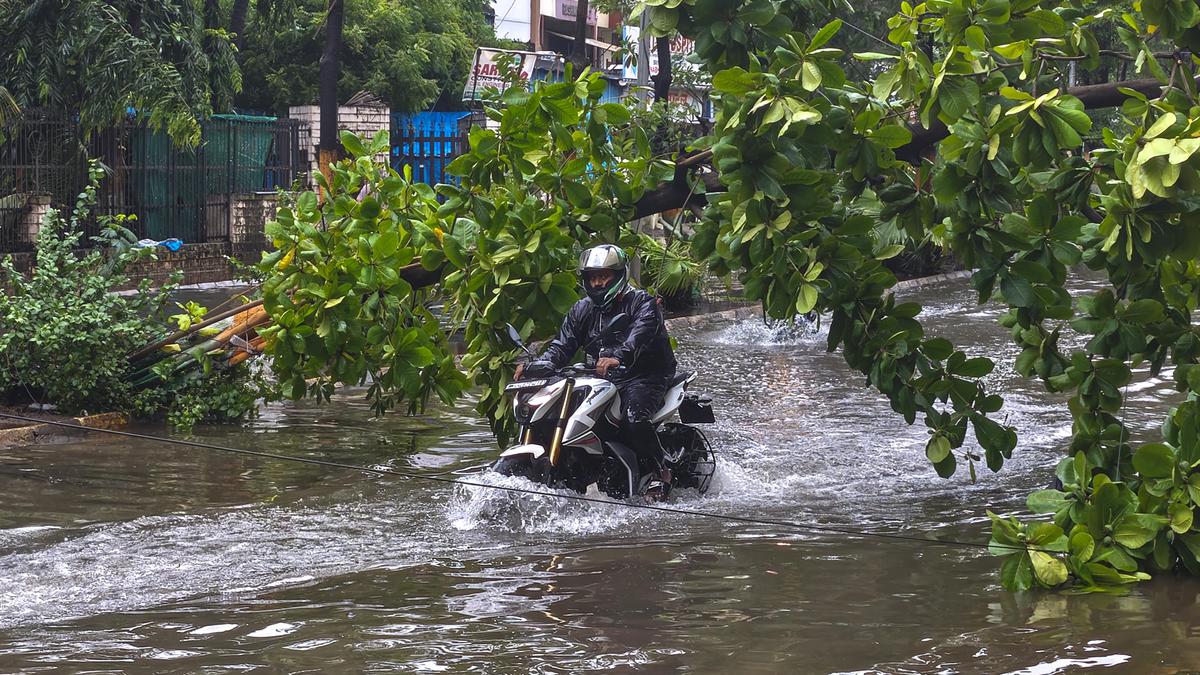
As Mumbai is dealing with heavy monsoon rains and flood alerts, India is staring at a paradox that defines its water economy. Each year, there is a flood of news about clogged roads, transport paralysis and overflowing sewerage systems. Yet, the public discourse will soon change to issues of falling reservoir levels, groundwater depletion and water shortages. India’s problem is not only a matter of water availability but also water management — capturing, storing, allocating and reusing water efficiently in different seasons and regions.Extreme weather events are changing the rules of water planning. Mumbai for example, and other urban centres, are unable to cope with sporadic bouts of massive deluge, since its drainage infrastructure is unequipped, while other parts of the country are unable to cope with long droughts.These changes clearly demonstrate that floods, droughts and groundwater depletion are connected aspects of the same governance issues.The key issue is how to make sure water is stored, distributed and utilised in a proper way over both space and time.Since Independence, India’s water strategy was mostly geared towards increasing supply through the building of dams, reservoirs and irrigation systems. Future planning should accord equal importance to demand management and water productivity. Adoption of the local water budgets, community-based ground water management system, reuse of waste water, rain-water harvesting, crop substitution and micro-irrigation will help ease the stress on fresh water resources.Policymakers’ challengeIn view of the ongoing floods in Mumbai and droughts elsewhere, the challenge before policymakers is not just about how to quickly manage scarcity when reservoirs run dry, but also about how to manage in abundance when the monsoon arrives. When talking about a climate-constrained future, managing abundance before scarcity may become a defining feature of Indian development. The two are linked.The overwhelming reality, amidst floods, is one of scarcity. India gets an average annual inflow of roughly 2116 billion cubic metres (bcm) of water, but due to topographical, hydrological changes and lack of technology, only about 1137 bcm of water can be effectively used (Central Water Commission, 2025). And close to 600 million Indians are experiencing moderate to extreme water stress and if the current situation is maintained, the water demand will outstrip supply by 2030 (NITI Aayog, 2018). These statistics emphasise that India’s water problem is not really a matter of how much rain falls. The significant challenge is how to make sure water is always at the readiness of the point of use.Lack of water can lower industrial production, raise the cost of providing urban services, decrease agricultural yield and even change investment decisions.Unbridled water scarcity may lower India’s GDP by up to six per cent in 2030, per the estimates of NITI Aayog (2018). The World Bank forecasts that by 2036, about 40 per cent of India’s population will be residing in urban areas, thereby making water management an equally crucial factor as water supply.Meanwhile, agriculture is central to the water stress debate in India, as it consumes almost 80 per cent of the country’s freshwater (FAO AQUASTAT, 2023). But the choice of water-intensive farms is not only the farmers’ decision; they get influenced by government procurement, market incentives and food security policies as well.The policy system for food security has to be in a position to accommodate the impacts of water scarcity. Promoting the use of micro-irrigation, agricultural services and market incentives for water conserving crops such as millets, pulses and oilseeds can enhance water use efficiency without being detrimental to farmers’ income. Protecting aquifers becomes absolutely necessary for the well-being of all sectors.The writer is Associate Professor at VIT Chennai. Views are personalPublished on July 8, 2026