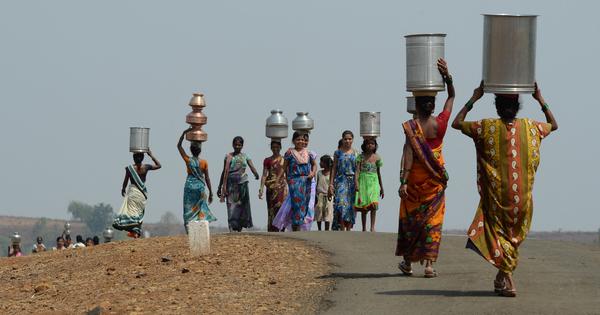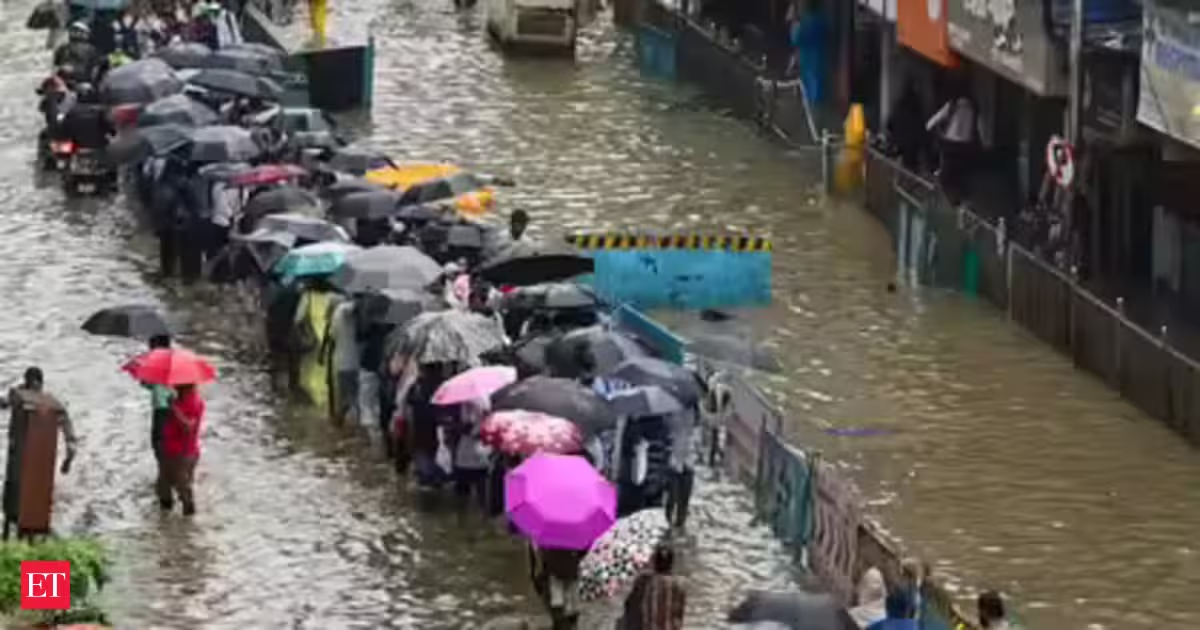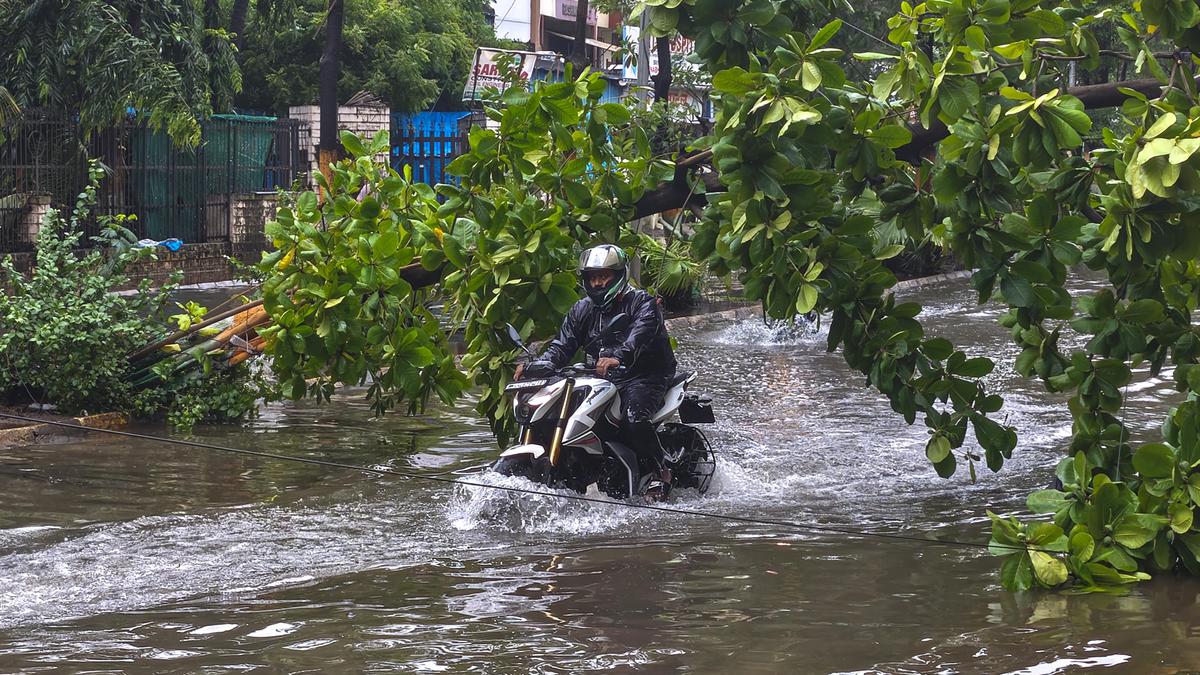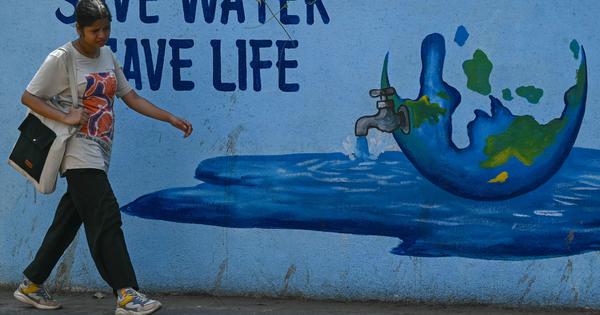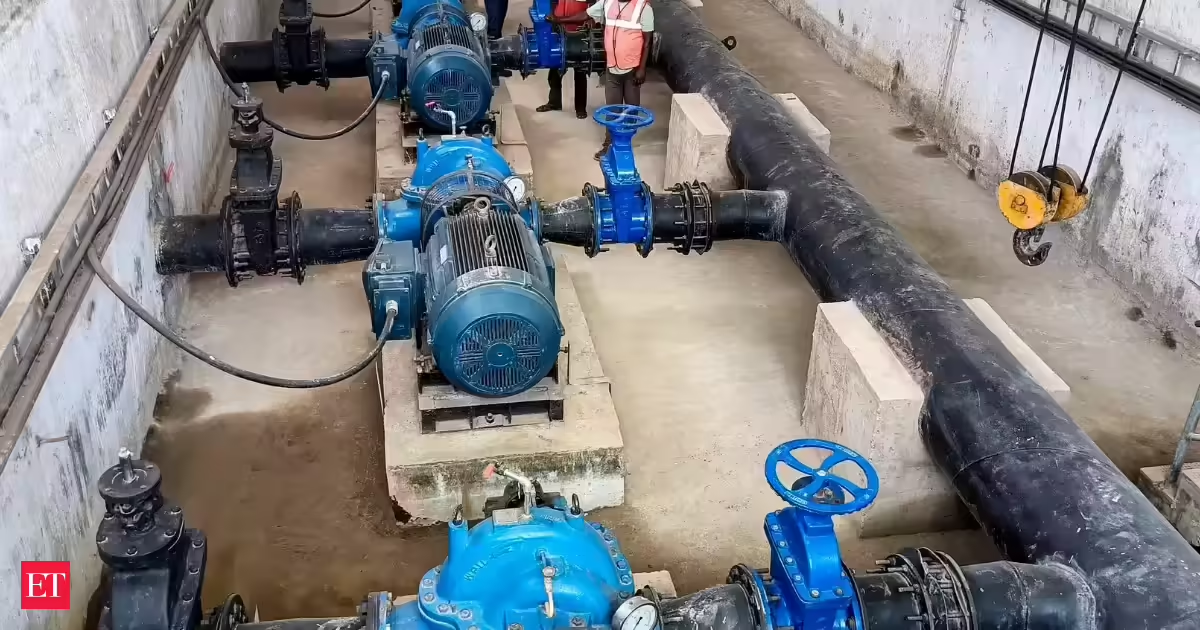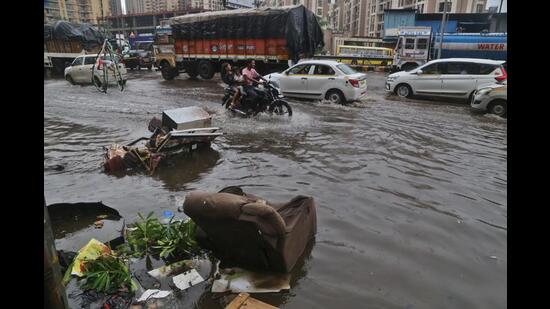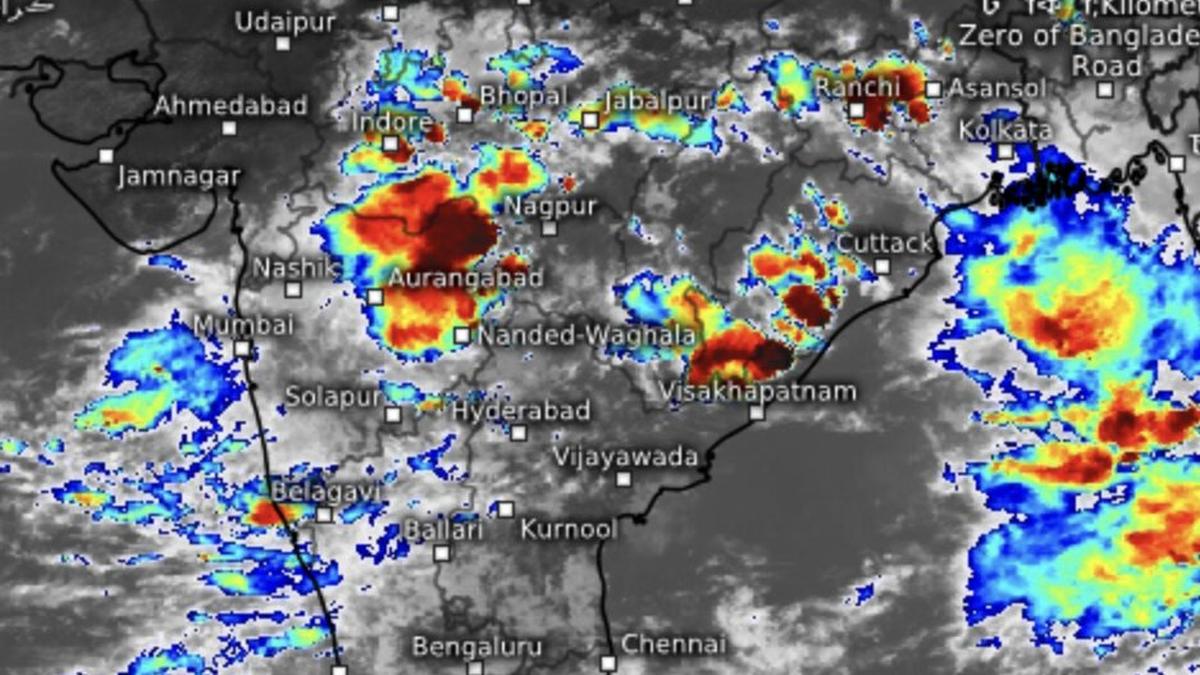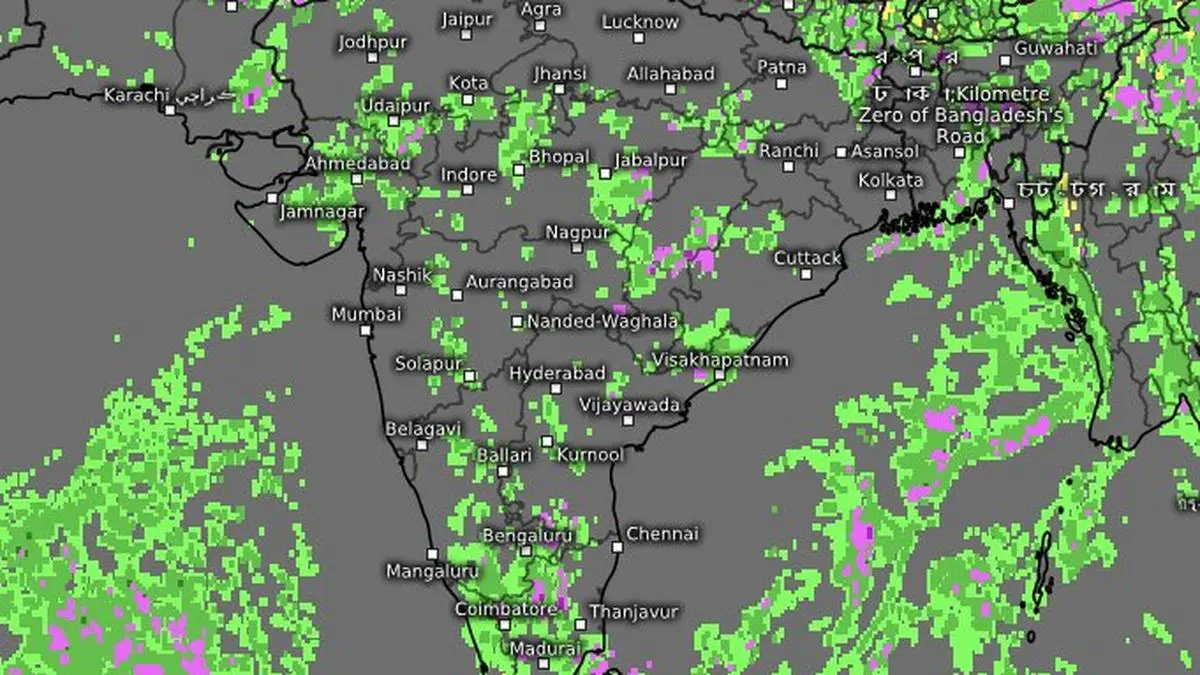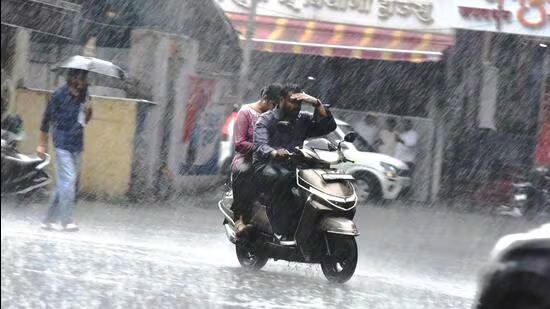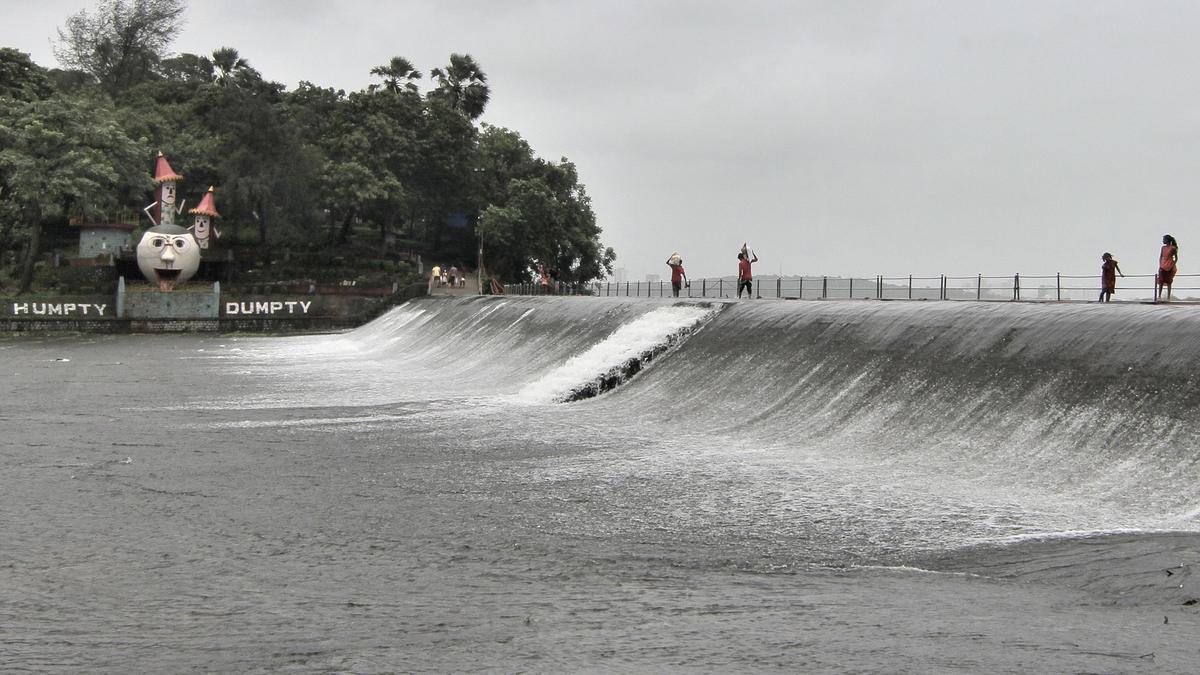
SynopsisMumbai's recent rainfall was a welcome but fleeting relief for its struggling reservoirs. However, true water security in the city depends more on governance and infrastructure resilience than on just the strength of the monsoon. The continual urban sprawl, pollution of water bodies, and dependence on distant sources reveal significant vulnerabilities.On Monday, heavy rain brought reprieve to Mumbai just as reservoir levels were sliding towards dangerously low levels. While climate variability will increasingly shape rainfall patterns and trigger shortages, intensity and duration of such crises will be determined by governance and preparedness. In that sense, Mumbai's situation highlights a gap in water-management capacity, signalling a need for stronger institutional response and long-term planning.Mumbai depends on a network of 7 reservoirs - Tulsi and Vihar within the city, and Tansa, Bhatsa, Modak Sagar, Middle Vaitarna and Upper Vaitarna located far beyond its limits. This makes the city's water system heavily dependent on monsoon-fed catchments and long-distance transmission infrastructure, which is vulnerable to leakages. Rapid urban expansion has reduced permeable surfaces, weakening groundwater recharge and natural storage. Encroachment and degradation of lakes, wetlands and stormwater systems have eroded the city's ecological buffering capacity.Similar patterns were visible in Chennai in 2018-19 and Bengaluru in 2025, both driven less by rainfall than by the loss of lakes, groundwater depletion and poor urban planning. Neither city invested in restoring wetlands, protecting remaining water bodies, scaling wastewater recycling, or integrating land-use planning with watershed management - measures central to resilience. Mumbai shows comparable vulnerabilities and limited progress on these fronts. Without aligning urban growth with hydrological limits, rainfall will continue to offer only temporary relief while deeper structural vulnerabilities persist. The real challenge is not the absence of rain but absence of systems capable of capturing, storing and reusing it effectively. ...moreElevate your knowledge and leadership skills at a cost cheaper than your daily tea.Subscribe Now
Don't leave Mumbai high and dry - The Economic Times
Mumbai's recent rainfall was a welcome but fleeting relief for its struggling reservoirs. However, true water security in the city depends more on governance and infrastructure resilience than on just the strength of the monsoon. The continual urban sprawl, pollution of water bodies, and dependence on distant sources reveal significant vulnerabilities.
TL;DRAI
Mumbai's 7 reservoirs supply millions but collapse from sprawl and transmission loss, not rainfall—a pattern seen in Bengaluru and Chennai. For IT infrastructure leads: resilience demands integrated governance, monitoring systems, and resource recycling cycles to survive long-term uncertainty.
310 words~1 min read