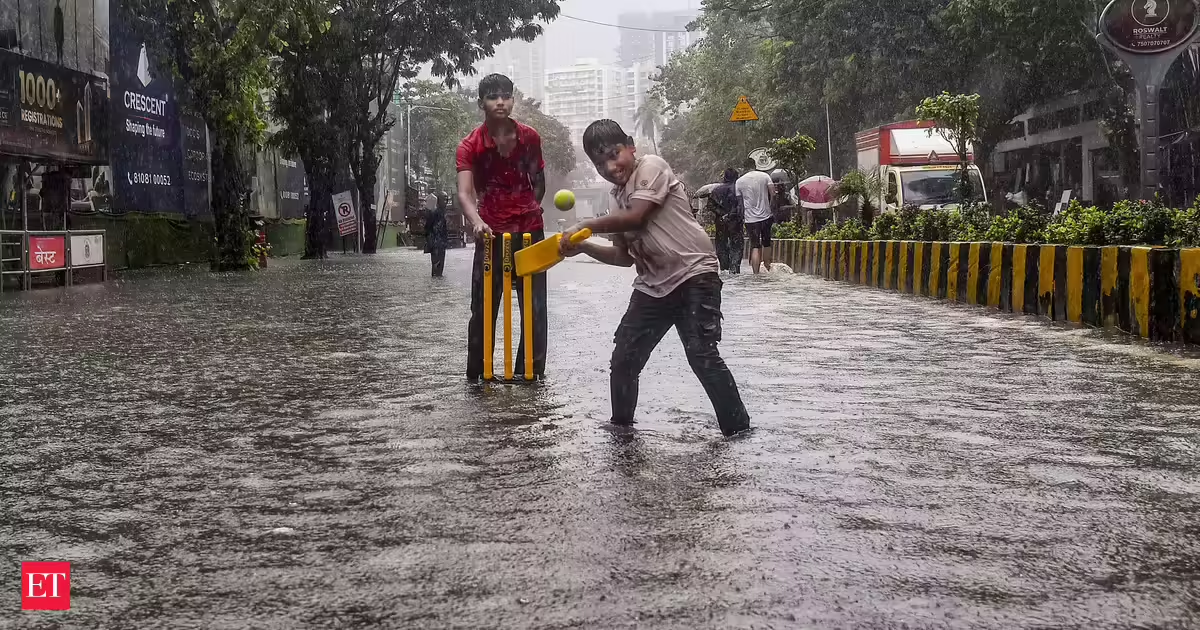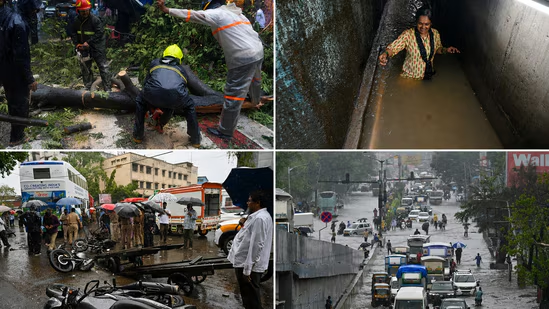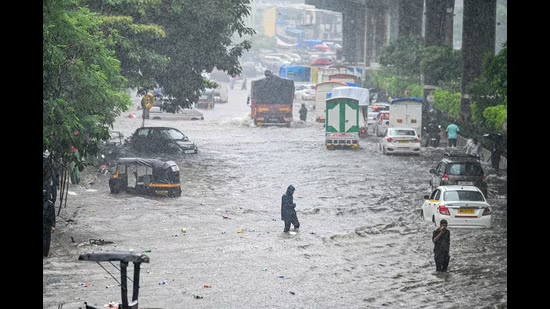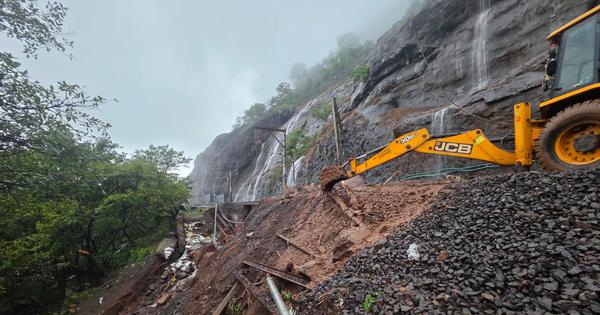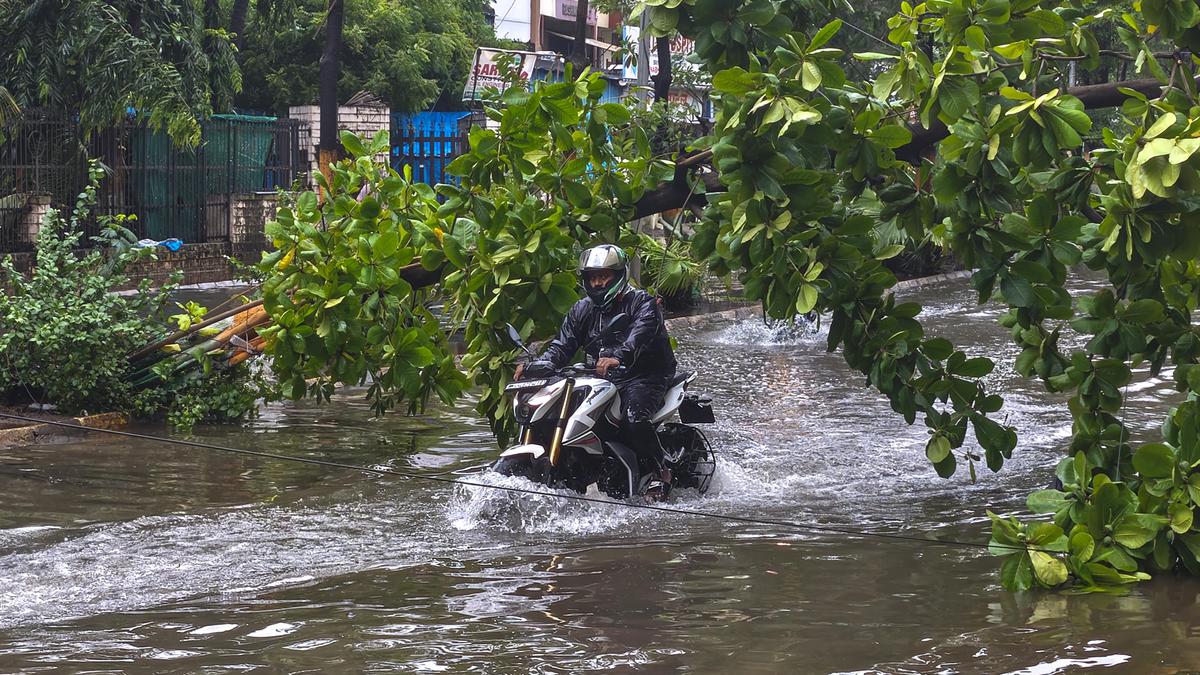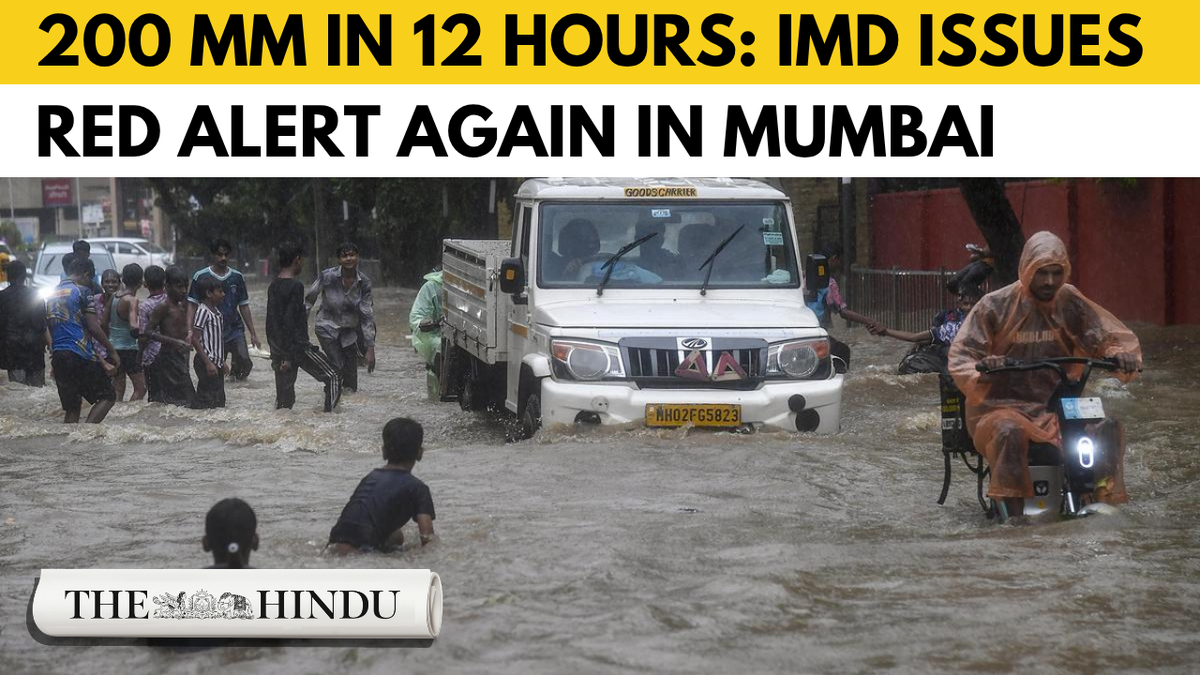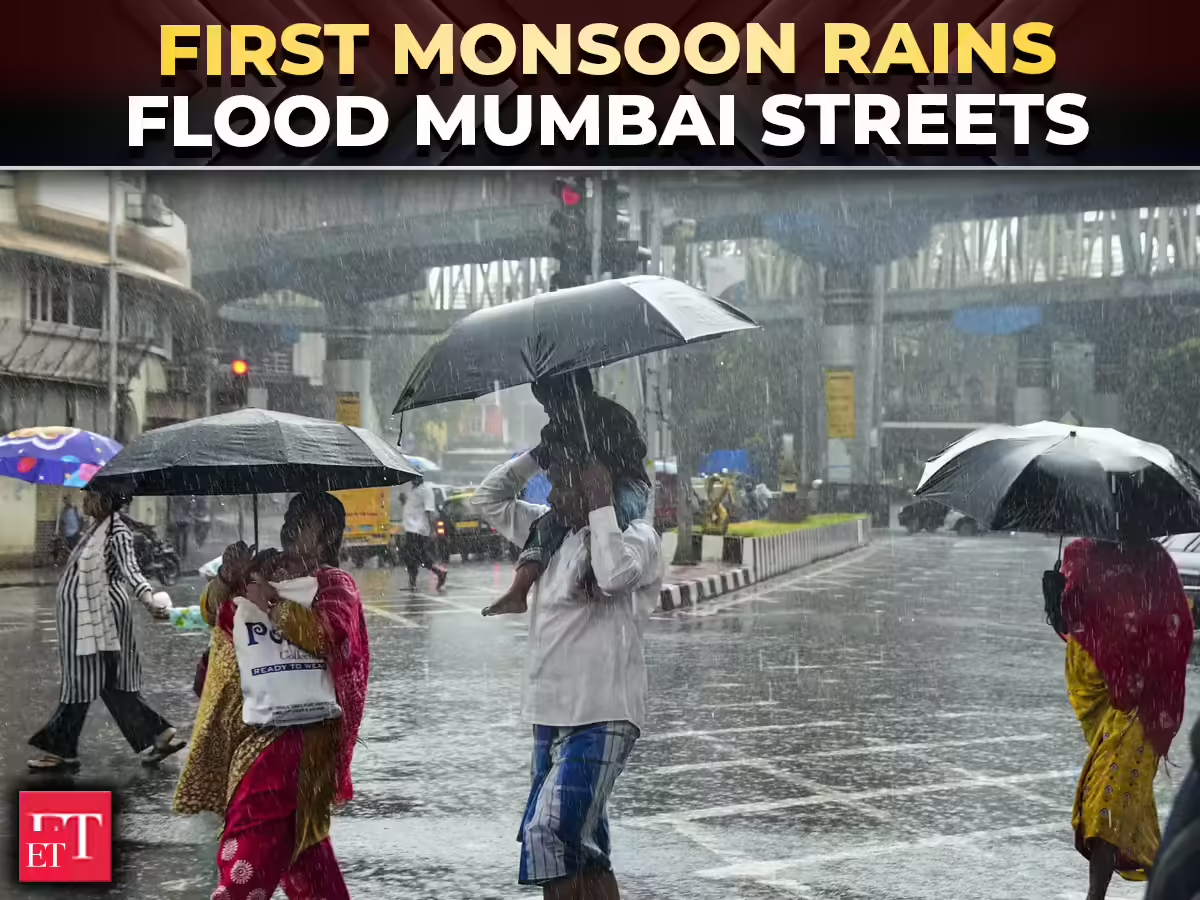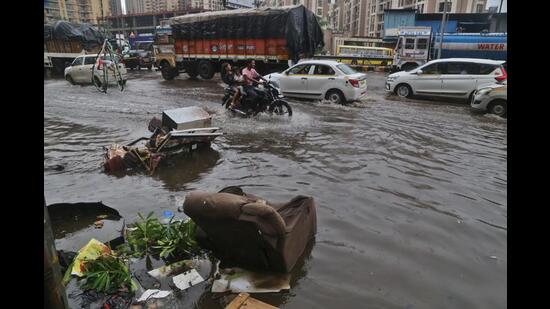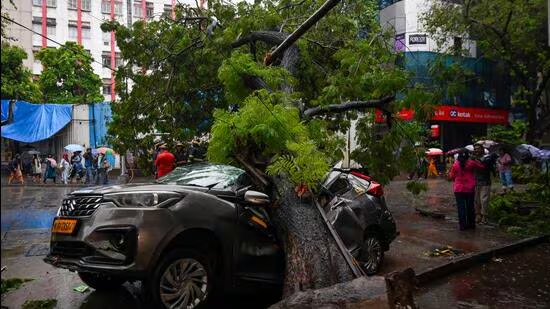
Monsoons have always defined life in Mumbai, but the rainfall seen over the past week has gone far beyond what is considered “normal” for the city. Between June 30 and July 6, two key observatories of the India Meteorological Department (IMD) recorded exceptionally high rainfall levels. Colaba received nearly 883 mm during this period, while Santacruz recorded close to 989 mm. Updated figures for early July pushed Santacruz’s total past 1,000 mm, already exceeding what the station recorded during the entire month of July last year.Rainfall That Rivals Annual Totals of Major CitiesThe scale of rainfall becomes even more striking when compared with annual figures across India. In just one week, Mumbai received more rain than Delhi typically does in a year, came close to Bengaluru’s yearly average, and even surpassed the annual rainfall of several major cities.Beyond Flooded Streets: A Climate SignalThis trend points to more than just temporary disruptions like waterlogged roads or delayed trains. It highlights a broader shift, climate change is increasingly reshaping rainfall patterns across the country.Record Rainfall Within DaysMumbai usually records an annual rainfall of 2,200–2,500 mm, with July being its wettest month. However, in just six days, the city had already received over 60% of its seasonal average rainfall. In several areas, rainfall crossed the typical July average before the first week of the month even ended.Why Extreme Rainfall Is IncreasingClimate scientists emphasize not just total rainfall but its intensity. Warmer air holds more moisture, and "For every one degree Celsius increase in temperature, the atmosphere can hold about 7 % more water vapor." This excess moisture is then released rapidly, resulting in short bursts of extremely heavy rainfall when weather systems align.Role of the Arabian Sea and Western GhatsMonsoon systems are now carrying more moisture toward India’s west coast due to rising sea surface temperatures, which increase evaporation. These moisture-heavy winds hit the Western Ghats, rise quickly, cool down, and release intense rainfall over Mumbai and nearby regions.Experts note that not every heavy rainfall event can be directly attributed to climate change, but it significantly intensifies already favorable weather conditions.Persistent Question: Why Does Mumbai Still Flood?"What every great flood asks: Why does a little rain still bring Mumbai to a standstill?" Despite massive investments since the devastating 2005 floods, including widened stormwater drains, pumping stations, floodgates, and improvements to the Mithi River, many areas continue to face waterlogging.Infrastructure Struggles to Keep UpA major issue lies in the limits of urban infrastructure. Drainage systems are typically designed using historical rainfall data. When rainfall intensity exceeds those assumptions, even upgraded systems struggle to cope. For instance, when 200–300 mm of rain falls within a few hours, drainage systems cannot clear water quickly enough.Urbanisation Has Reduced Natural AbsorptionFlooding is not driven by climate change alone. Rapid urban development has reduced the city’s natural ability to absorb water. Wetlands, mangroves, marshes, and open land have been replaced by concrete surfaces, forcing rainwater to run off directly into streets instead of soaking into the ground.Blocked Drains Worsen the CrisisAdditionally, construction debris, silt, and plastic waste often clog drainage systems during the monsoon. This further reduces their capacity, leading to immediate flooding even after infrastructure upgrades.[With TOI inputs]
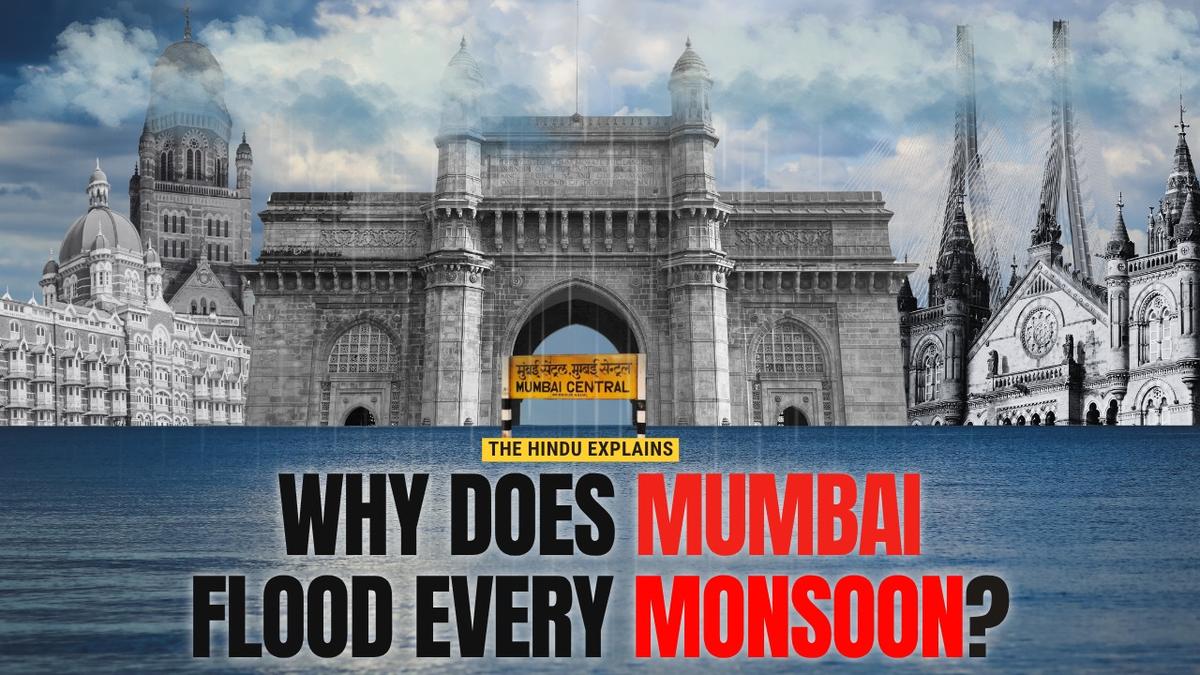
Why Mumbai still floods despite upgraded infrastructure; and why even light rain disrupts the city
Mumbai recorded exceptionally high rainfall, exceeding normal monsoon levels significantly. This extreme weather event surpassed annual averages of many major Indian cities. Climate change is increasingly reshaping rainfall patterns across the country. Urban development has reduced natural water absorption, worsening flooding issues. Blocked drains and infrastructure limits further contribute to the persistent waterlogging crisis.
530 words~2 min read