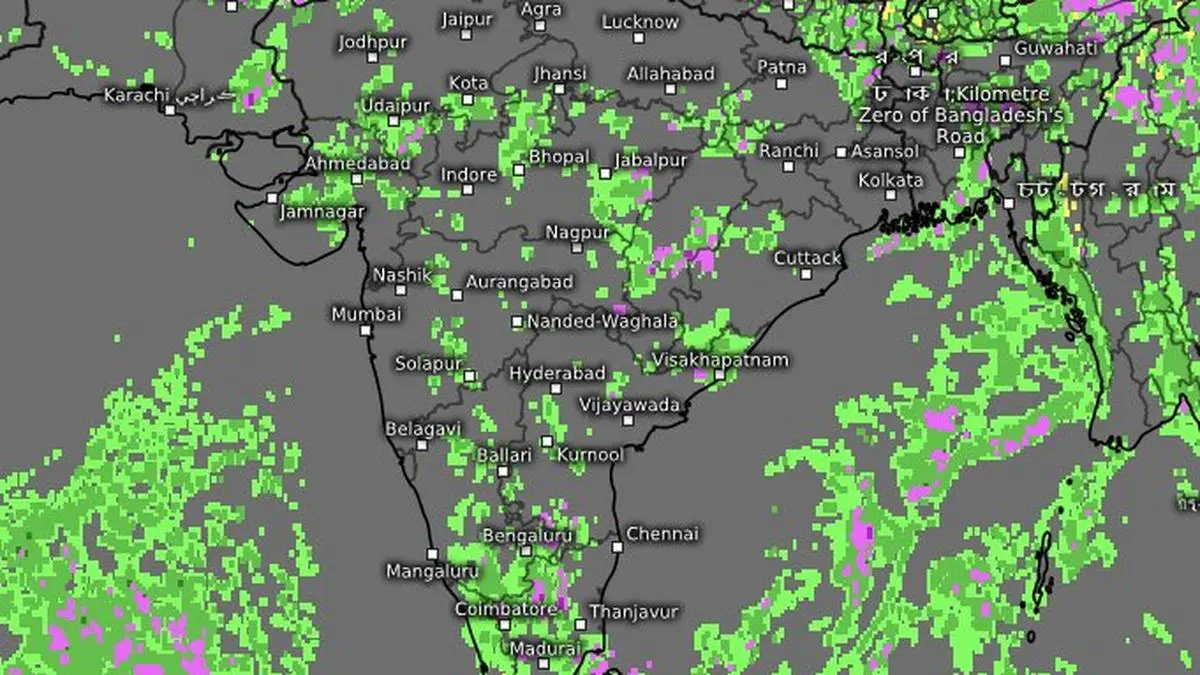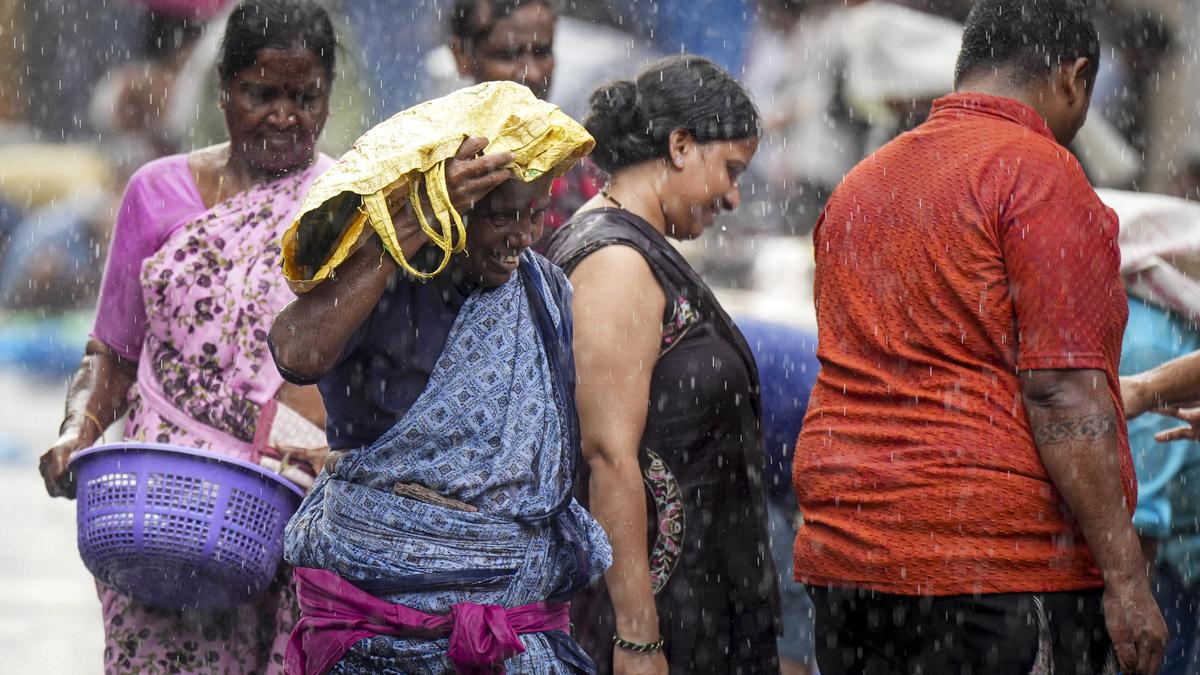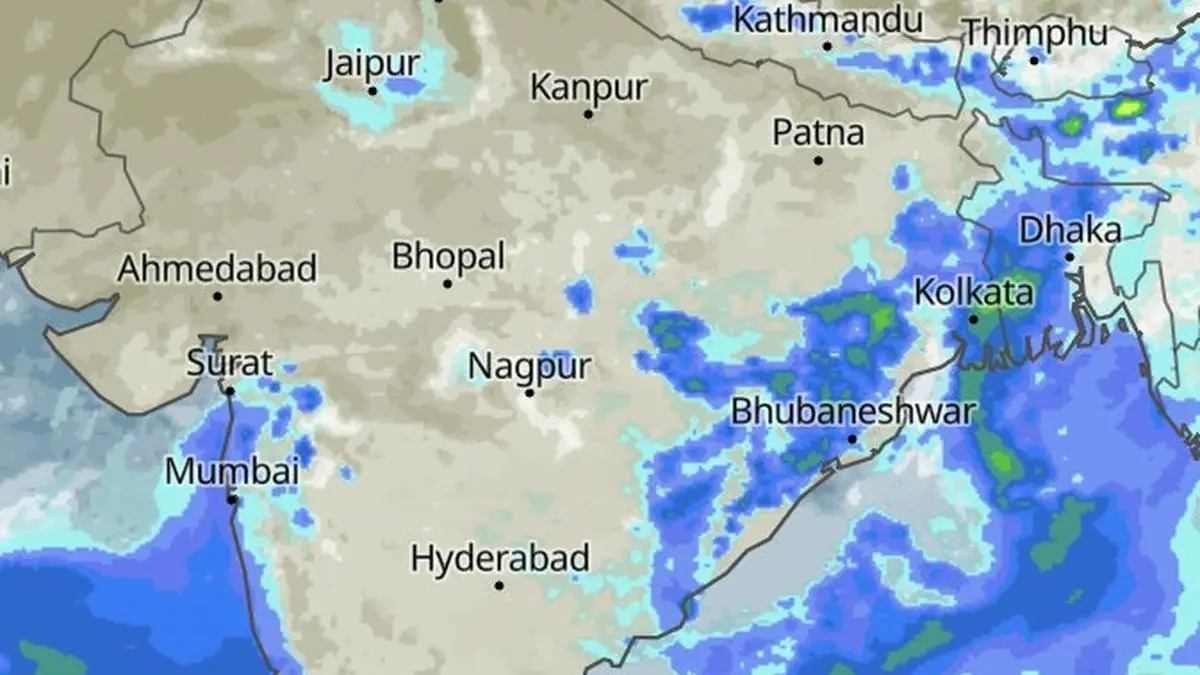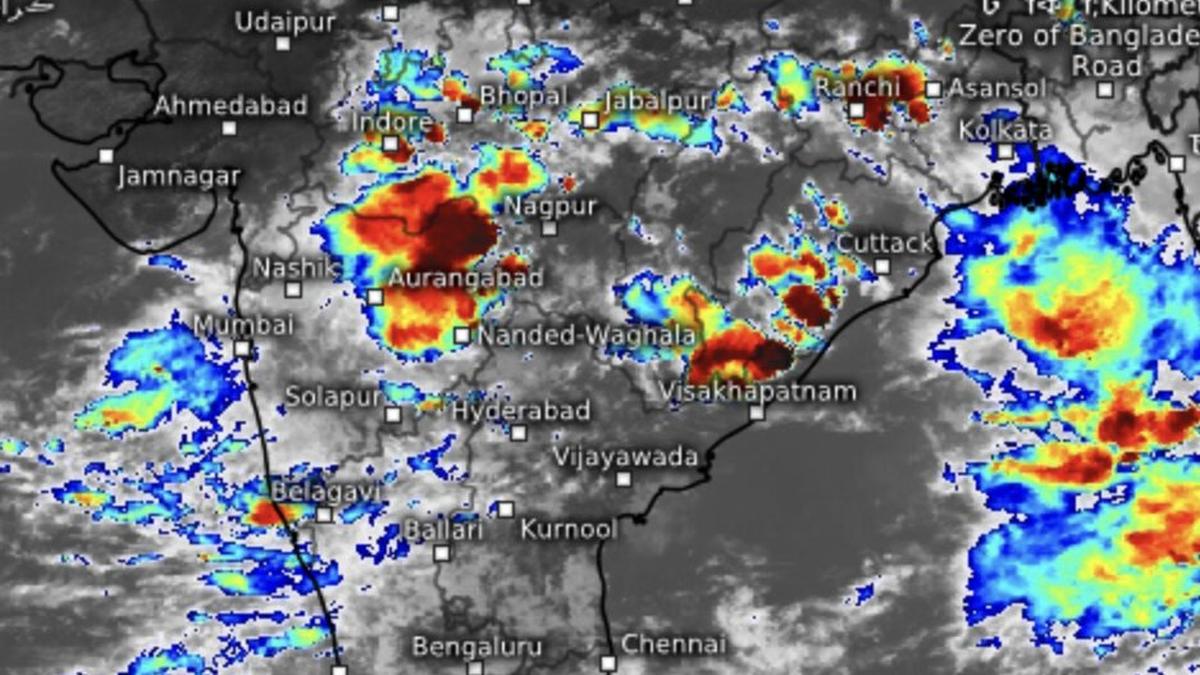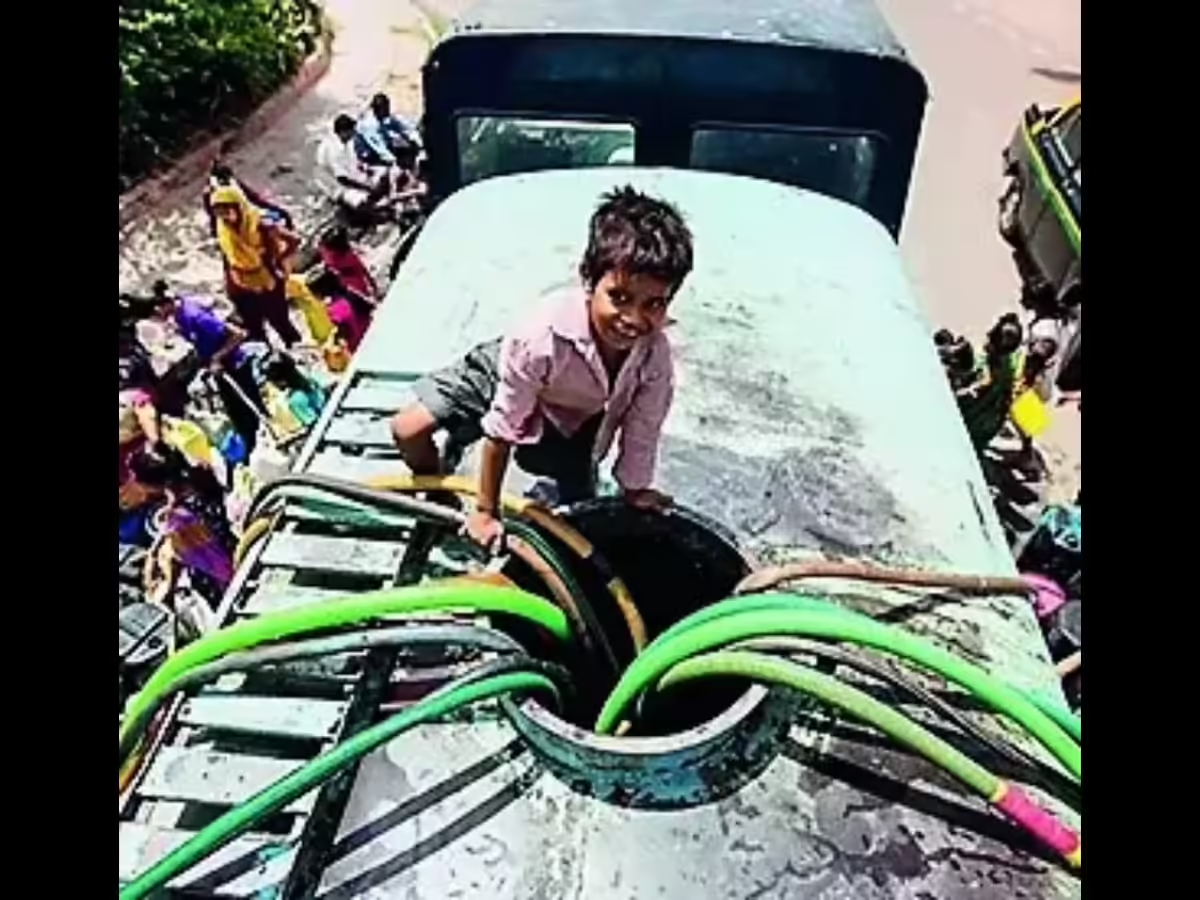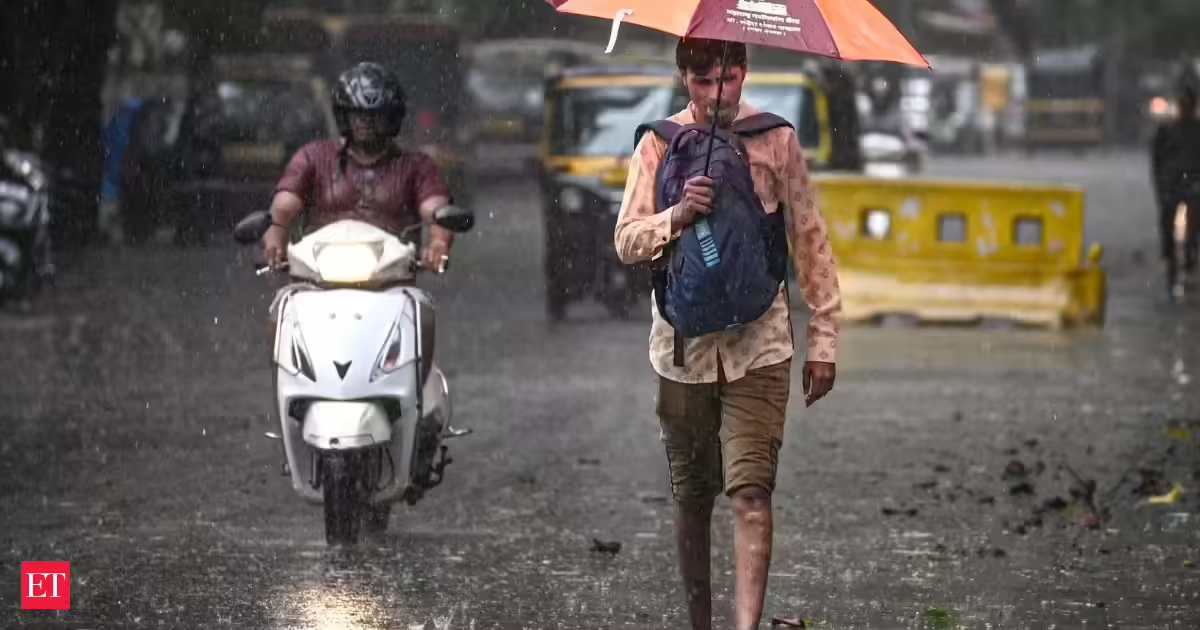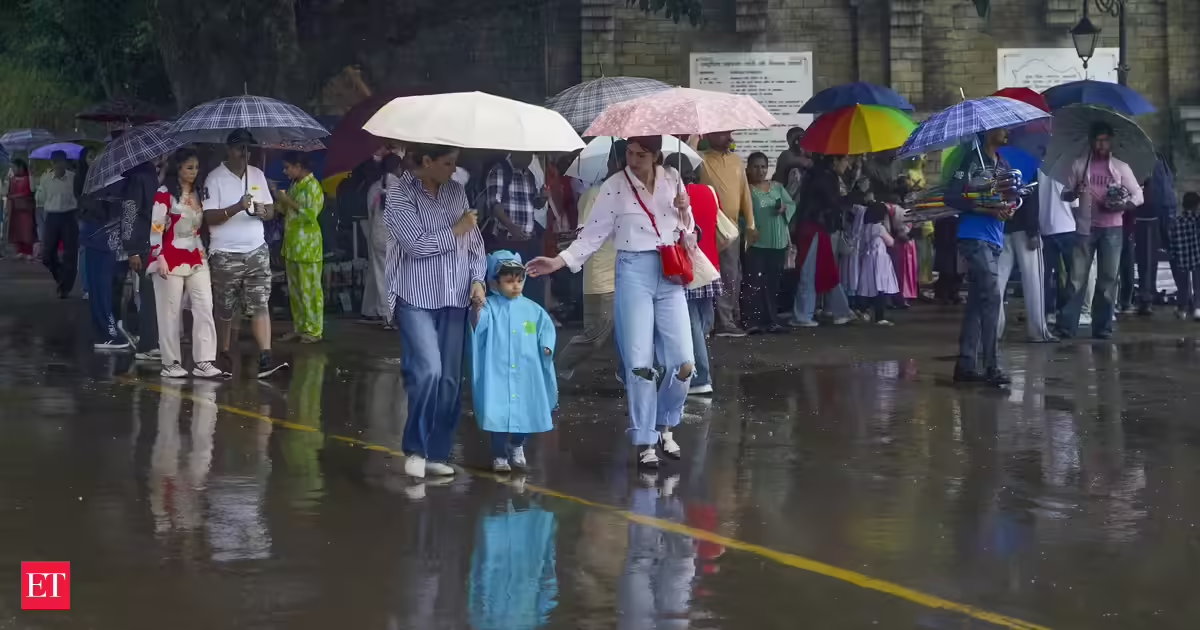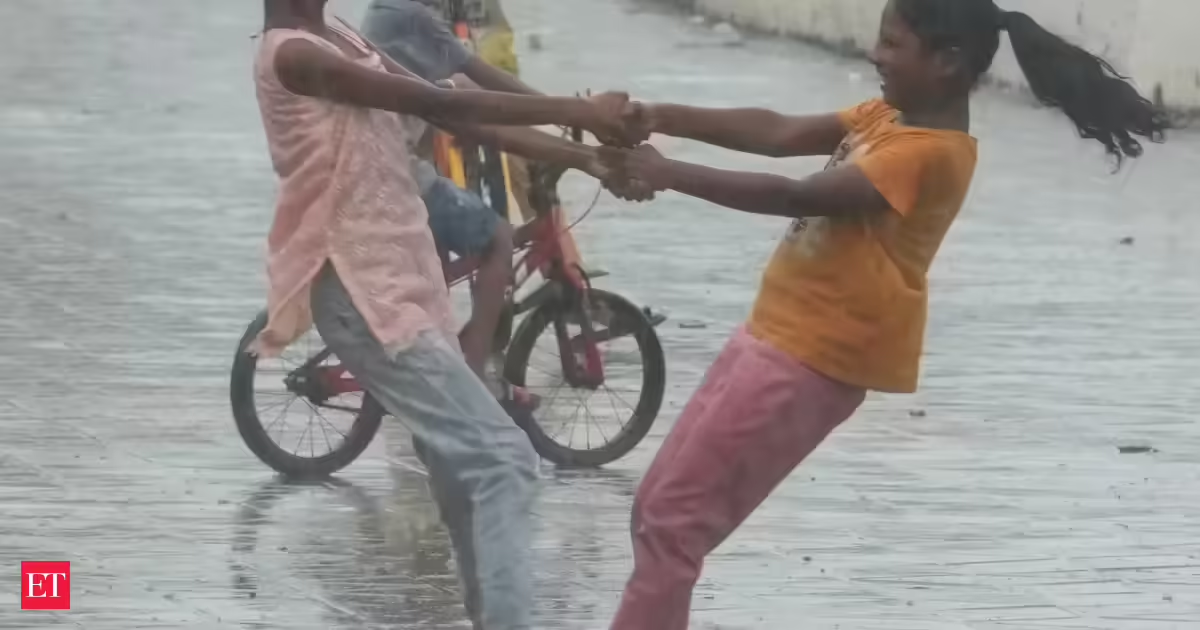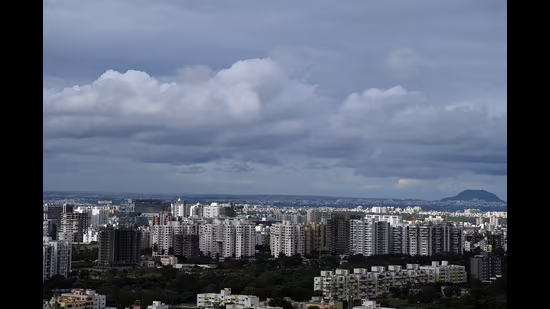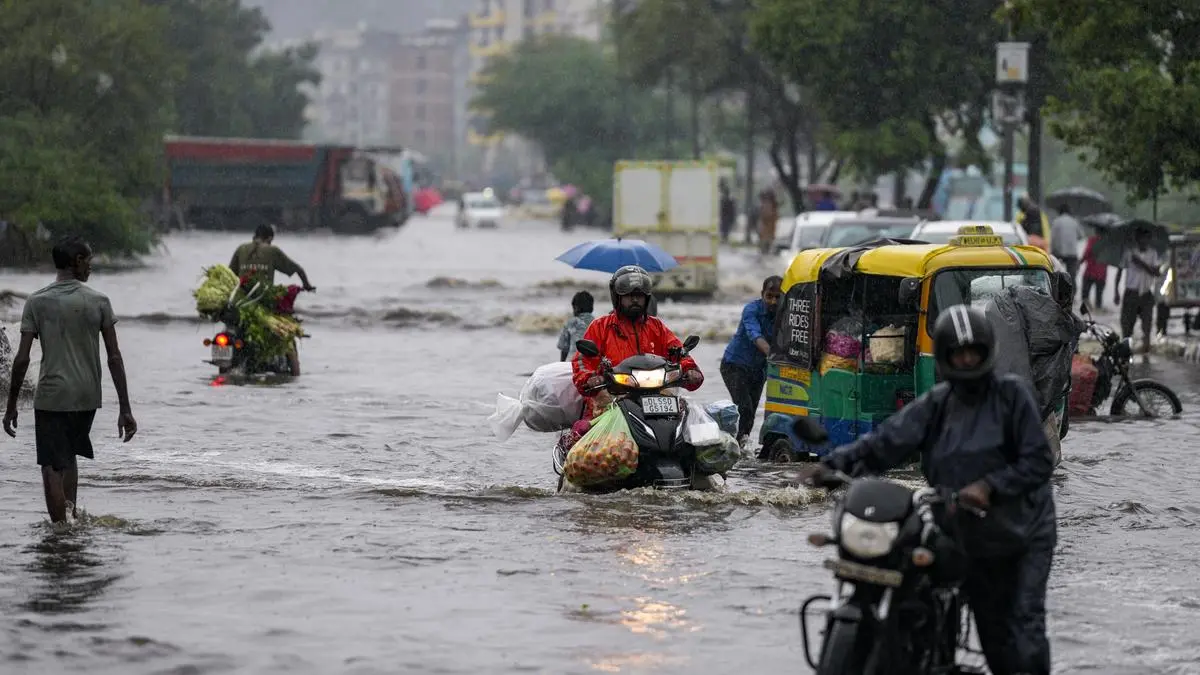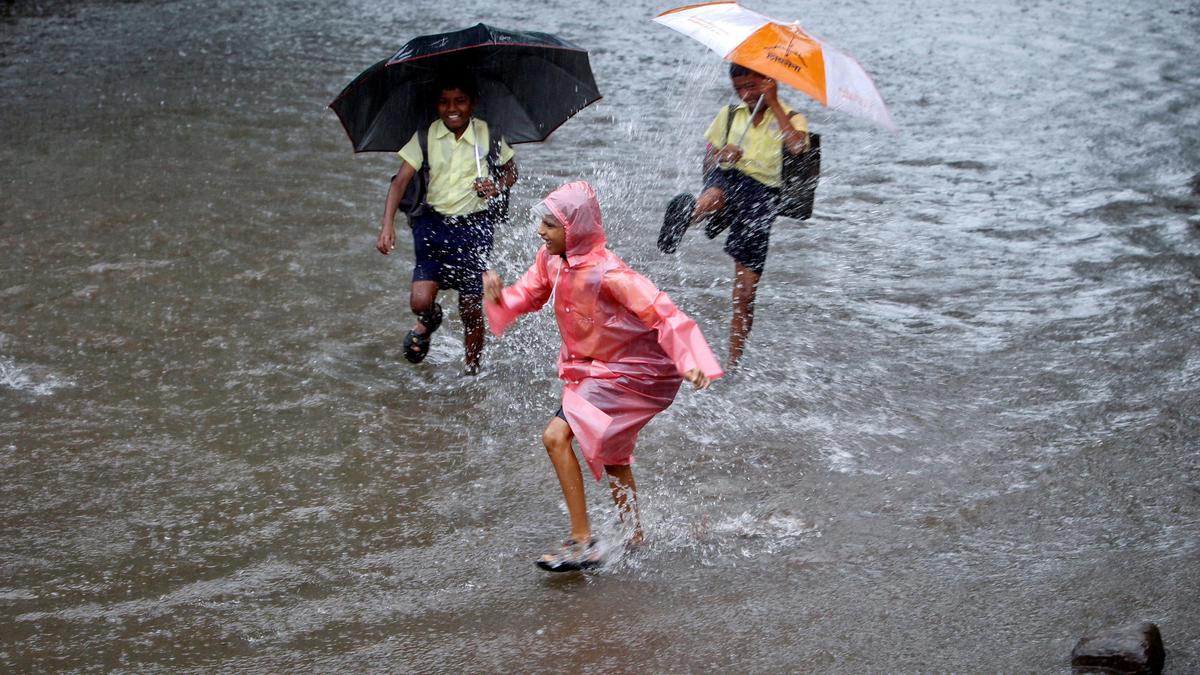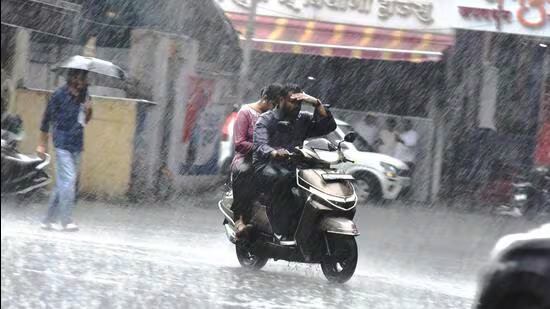
The rains finally arrived in Pune and several parts of western Maharashtra on Sunday, bringing relief after a long wait. The monsoon’s official arrival may still take a day or two, but the showers have already brought back optimism among citizens and farmers.Good monsoon created complacency; weak one will test Maharashtra’s water planningHowever, this year’s monsoon also comes with a warning. The India Meteorological Department (IMD) and other agencies have indicated the possibility of below-normal rainfall due to the expected impact of El Niño. A deficient monsoon does not only mean less rainfall; it can have a cascading impact on dam storage, groundwater levels, agriculture, urban water supply, and the economy in general.The concern is whether Maharashtra has prepared itself for such a situation after several years of relatively good rainfall.Over the last few years, comfortable reservoir levels created a sense of security among citizens and administrations. Water shortage, which was once a major issue across Maharashtra, gradually disappeared from public discussion. Cities expanded, industries grew, and water demand increased, but the focus on long-term conservation did not receive the same attention.The Pune Municipal Corporation (PMC), for instance, has now announced water cuts and warned citizens against wastage by imposing fines. Such steps may be necessary when supplies are under pressure, but they are largely emergency responses. A city’s water security cannot depend only on asking citizens to reduce consumption when a crisis appears.The larger question is whether civic bodies and government agencies have used the years of good rainfall to strengthen water sources.Pune and other urban centres in Maharashtra have several lakes and smaller water bodies that can contribute to water conservation if maintained properly. Desilting of lakes, protection of catchment areas, removal of encroachments and increasing storage capacity should be continuous exercises rather than measures taken only during a shortage. The Pune Municipal Corporation, on its part, hasn’t been very proactive so far on this front.The state also needs to look beyond large dams and focus on decentralised water conservation. The previous Devendra Fadnavis-led government had launched the Jalyukta Shivar Abhiyan as a flagship programme to make villages water-secure through watershed development, farm ponds, deepening and widening of streams and other conservation measures. The programme faced criticism over implementation and effectiveness in some areas, but it offered rich dividends at many places, as the broader idea was of strengthening local water resources.Water management cannot be limited to one scheme or one government’s initiative. It requires sustained work involving soil conservation, groundwater recharge and restoration of traditional water sources.The present government has also been looking at improving water management with support from the World Bank. Such efforts will be important, but their success will depend on whether they translate into ground-level action rather than remaining limited to policy documents and announcements.Traditional interventions such as gabion bandharas, check dams, and watershed works have proved useful in several parts of Maharashtra. These small structures help slow water flow, improve groundwater recharge and retain moisture in the soil. They may not replace major irrigation projects, but they can significantly strengthen local water availability.Climate uncertainty makes such planning even more important. Rainfall patterns are becoming increasingly unpredictable, with some areas receiving excess rain while others face deficits. A city or state cannot assume that a few good monsoons will continue forever.The lesson from years of comfortable rainfall should not be that Maharashtra has solved its water problem. It should be that the period of plenty was an opportunity to prepare for difficult years.The real test of water governance is not how authorities respond when reservoirs start declining. It is what they do when the reservoirs are full.
Good monsoon created complacency; weak one will test Maharashtra’s water planning
The larger question is whether civic bodies and government agencies have used the years of good rainfall to strengthen water sources.
604 words~3 min read