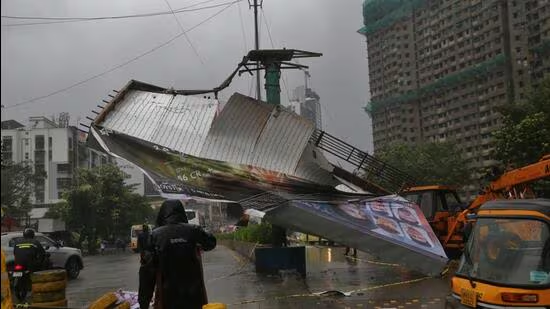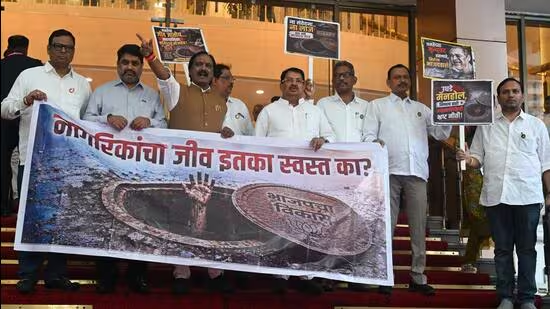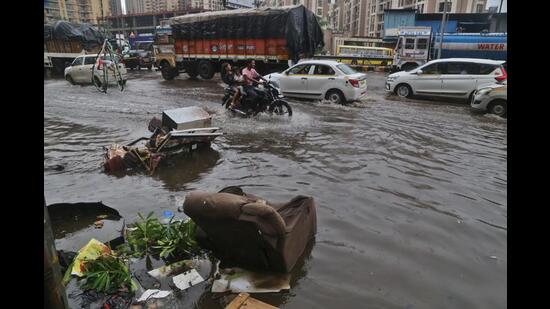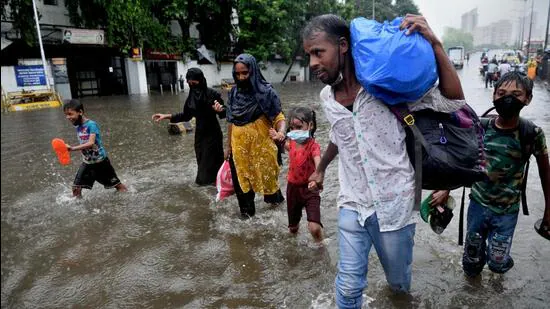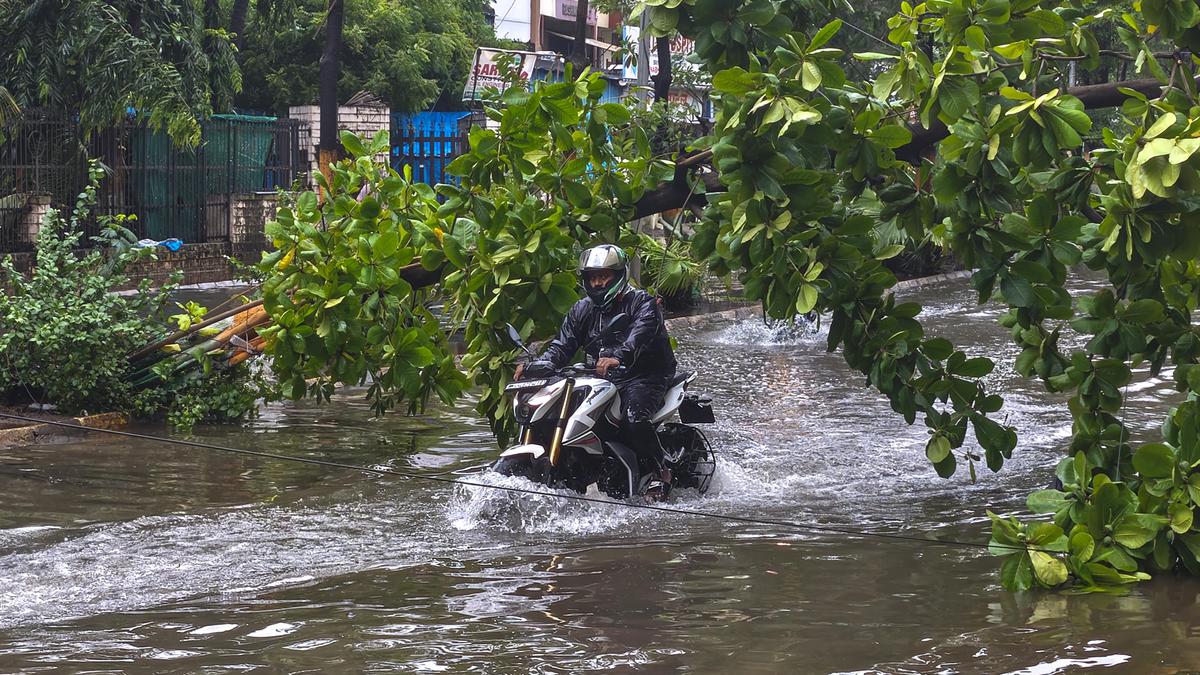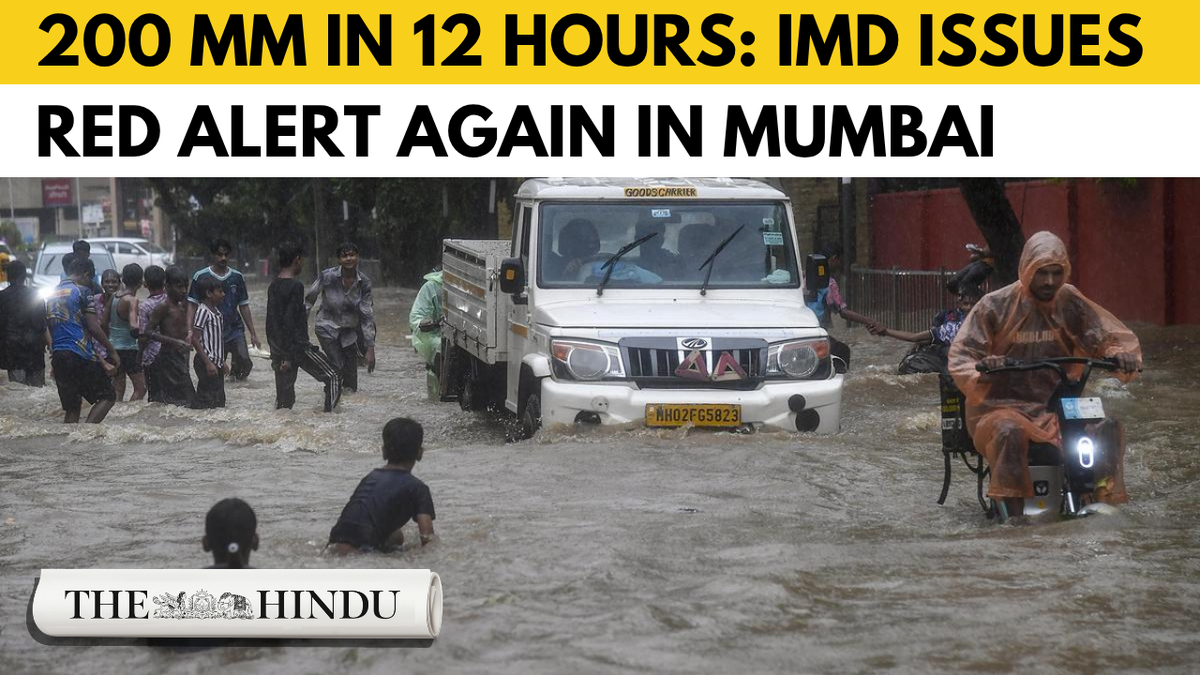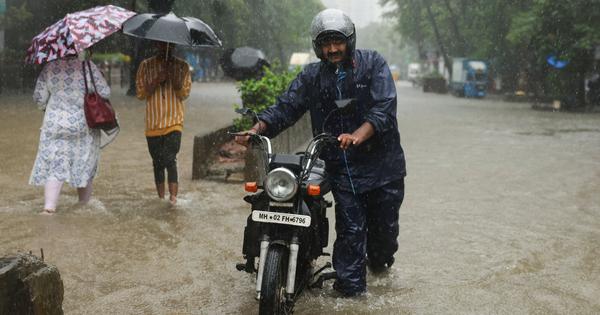
At the end of a week of incessant rains in which nine Mumbai residents died in a house collapse or because trees had fallen on them, apologists of the administration swarmed on to social media to offer absolution.“No infrastructure in the world is designed to handle so much rain, but life is on in Mumbai,” pronounced one user on X. Proclaimed another, “No country in the world can have a city unflooded with such huge [amount] of rain in a short spell. Mumbai does better than many despite all its faults.”In the 24-hour period until Sunday morning, the Colaba weather station in South Mumbai recorded 265.6 mm of rainfall – its wettest July day in five decades. The gauge at the Santa Cruz station to the north received 227.7 mm of rain, the second-highest figure for July in five years.While the intensity of the rainfall was unusual, the administration and its supporters are ignoring the obvious: in the era of climate change, the exceptional is the new normal.There is no shortage of research about the risks that Mumbai faces from climate change. For instance, a climate action plan published by the city’s municipal corporation in 2022 noted that Mumbai “has been witnessing a steady increase in extreme rainfall events”.Earlier this year, experts at Azim Premji University said that in suburban Mumbai, the southwest monsoon is projected to increase by 18% by 2040, from the baseline of 1,749 mm fixed in 2020. The southern section of the city, meanwhile, is expected to receive 2,003 mm of rain by 2040, up from 1,715 mm in 2020.Mumbai’s administration is blundering on regardless, defying its own studies.In March, for instance, it obtained the permission of the Supreme Court to fell 45,000 mangrove trees to allow it to construct the Versova-Bhayandar section of its coastal road project in North Mumbai.This despite the fact that the municipality’s climate plan calculates that the loss of carbon-absorbing mangroves in Mumbai results in the emission of 1,572 tonnes a year of carbon dioxide – the gas that is the main driver of climate change.Another example of conspicuous callousness was seen in April, when the Maharashtra government issued a notification converting a 13,843-square-metre plot of salt pan land in the eastern neighbourhood of Wadala from a natural zone into a residential zone, primarily to allow the construction of a gymkhana for IAS officers.Like the mangroves, Mumbai’s salt pan lands act as a natural barrier against tidal surges. They also work as a sponge, absorbing rain spilloff.Instead of strengthening the city’s natural defences, the municipality is allowing them to grow weaker despite climate threats.Extreme heatIronically, just a fortnight before the deluge, Mumbai was baking in intense summer heat. Though the average summer temperature in the city is around 32 degrees C, temperatures rose to 35 degrees or more on at least 38 days between March and June. On June 12, the city sweated away as it experienced its hottest night in 57 years, with the mercury refusing to fall below 30.2 degrees.These high nocturnal temperatures were the result of the “urban heat island effect” – the phenomenon that describes the heat absorbed by concrete and asphalt surfaces in the scorching day being released even after sunset. This effect is exacerbated by the loss of tree cover.The escalation of the heat island effect isn’t surprising. Since the pandemic, Mumbai’s administrators have gone into overdrive to clad the city in concrete. They have offered builders incentives to tear down perfectly solid apartment blocks and “redevelop” them into soaring towers. Over the past six years, 1,094 “redevelopment” deals have been signed.This process, as well the numerous road and flyover construction projects now underway, has resulted in thousands of trees being cut. Between 2016 and 2021, according to the municipal climate action plan, the city lost 2,028 hectares of urban tree cover.In Mumbai, you never know what the rains will expose. This was Bhandup yesterday: a road caved in during ongoing excavation work and a vehicle fell into the pit. Heavy rain was the trigger, but was reckless construction the real cause? Why are redevelopment projects being allowed… pic.twitter.com/dUXVDAzOow— Rajdeep Sardesai (@sardesairajdeep) July 5, 2026
What Mumbai’s rulers should realise about devastating rains: The exceptional is the new normal
Instead of strengthening the city’s defences against climate risks, the administration is blundering on.
997 words~5 min read