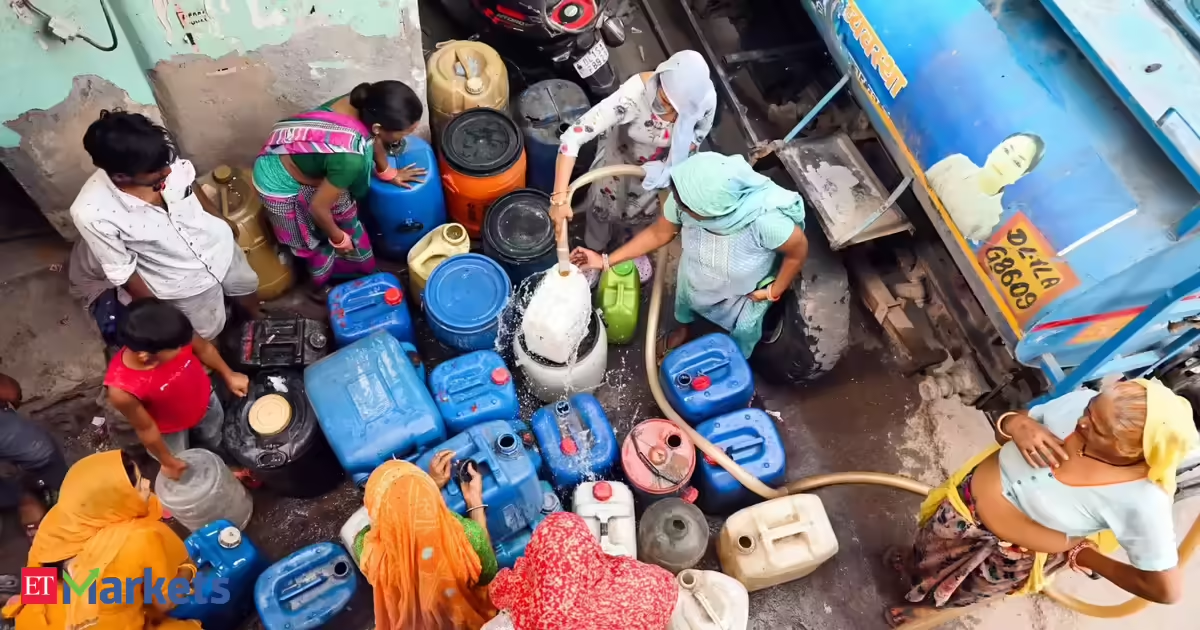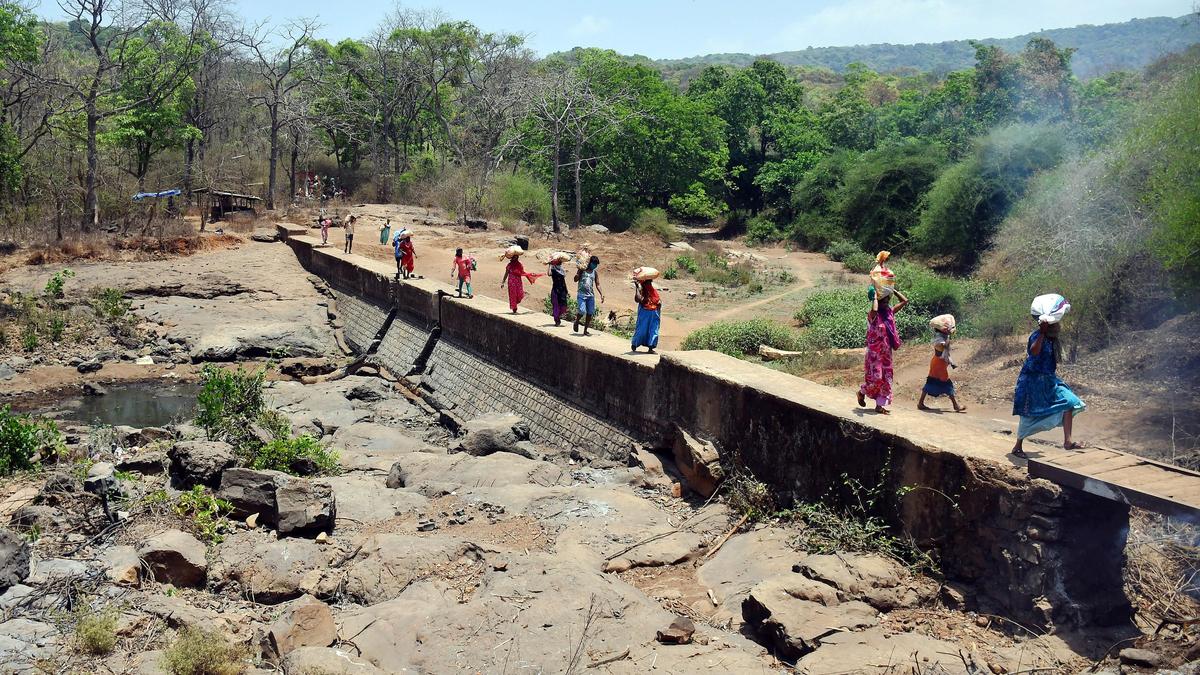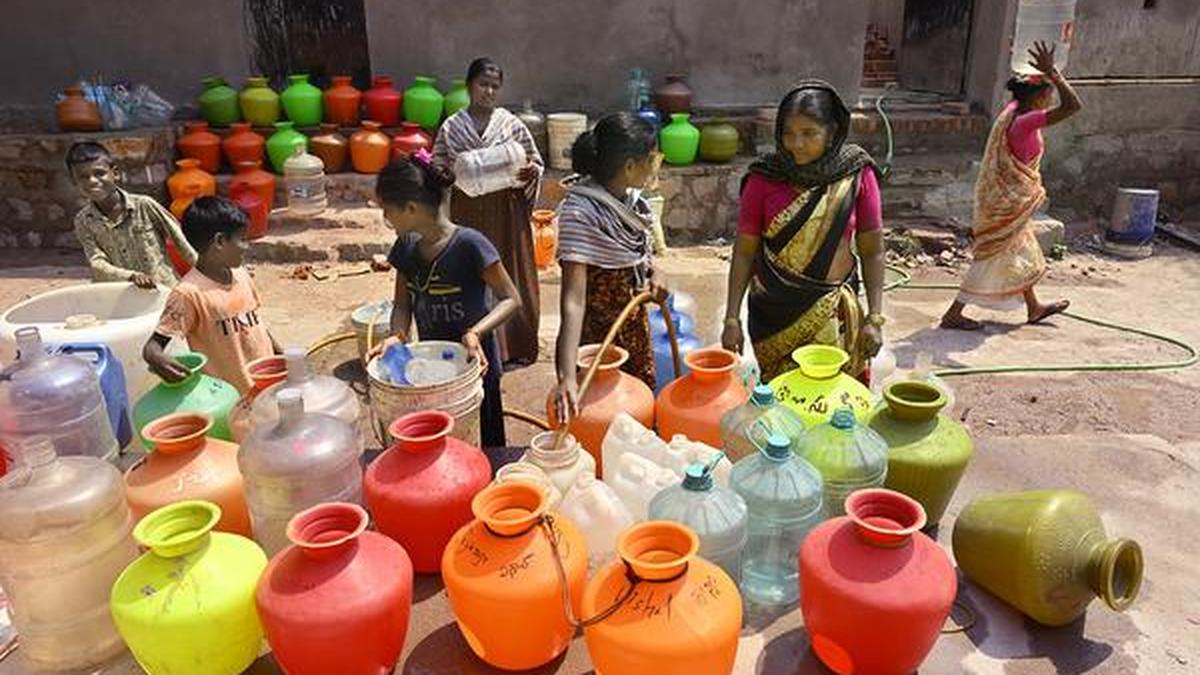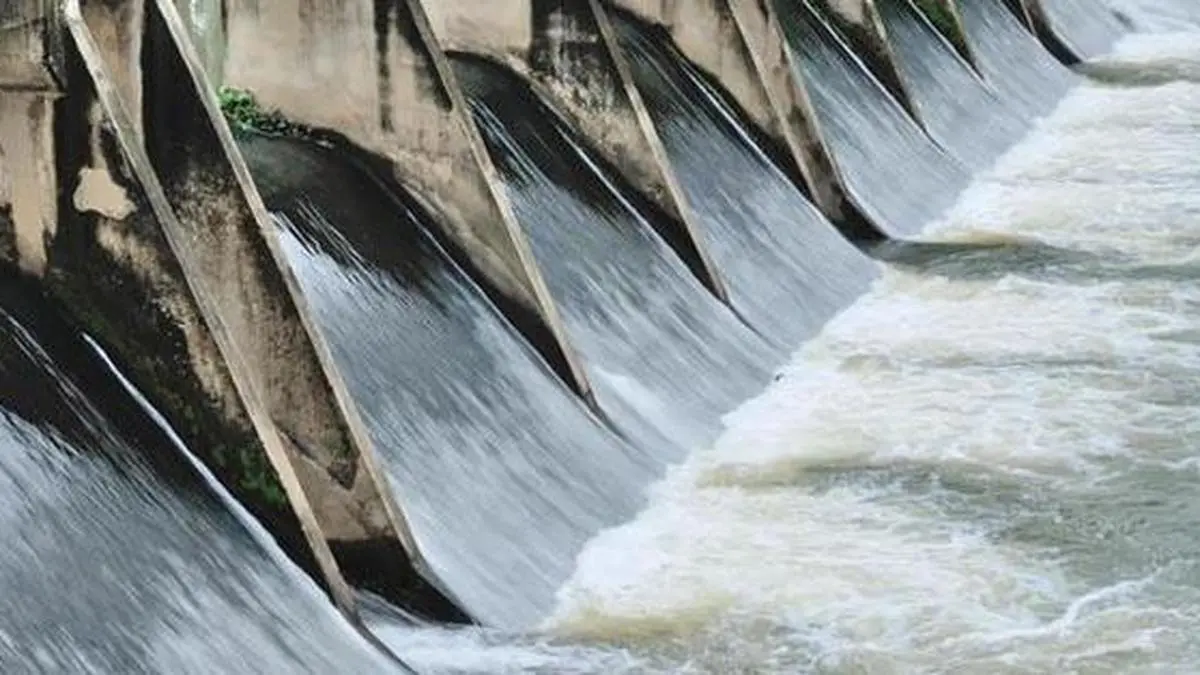
For a pail of water, Jack fell down and broke his crown. In India though, there’s no need to break a crown or see Jill come tumbling after. In fact, a report projects the lack of water in India and the surging demand to unleash a big investment opportunity. India's worsening water scarcity is opening up a significant long-term investment opportunity across the water and wastewater infrastructure ecosystem, according to PL Capital's latest thematic report, Water Megatrend 2.0: Positioning for the Next Wave of Water-Led Investments. The report warns that India's water demand could be twice the available supply by 2030, creating an enormous infrastructure challenge. Bridging that gap may require investments of more than ₹20 lakh crore over the next decade.Also Read: The unquenchable AI thirst propelling water stocks up to 45%India's water crisis could unlock a ₹20 lakh crore investment opportunity"Water is becoming increasingly important as one of the top strategic resources in India. In contrast to other infrastructure-related trends, which may be associated with economic cycles, the investments in water security are structural, policy-driven, and mandatory for sustainable development," Vikram Kasat, Chief Business Officer-Advisory at PL Capital, said.Kasat said water is emerging as one of India's most critical strategic resources, with rapid urbanisation, industrial expansion and tighter environmental standards set to drive sustained demand for water infrastructure. He said the country is entering a prolonged investment cycle covering water purification, wastewater treatment, recycling, reclamation, desalination and water reuse facilities. In his view, the sector is moving into a phase of faster capital spending, creating a long runway for companies operating across the water value chain.The backdrop is becoming increasingly difficult to ignore. India accounts for nearly 18% of the world's population but has access to only around 4% of global freshwater resources, leaving the country with a structural water deficit that demands sustained investment across the entire water ecosystem. Unlike many infrastructure themes that rise and fall with economic activity, water security has become a long-term national priority. Four structural forces are expected to keep demand rising. Urbanisation is increasing per-capita water consumption as more people move into cities. Groundwater depletion is forcing greater reliance on recycling, reuse and desalination. Rapid industrialisation, particularly in sectors such as semiconductors, electronics, chemicals and data centres, is creating fresh demand for industrial water infrastructure. At the same time, agriculture continues to consume the largest share of India's water resources, while the government's ethanol blending programme is adding further demand through water-intensive crops such as sugarcane, maize and rice.The government's spending plans reflect the scale of the challenge. The Jal Jeevan Mission continues to receive annual allocations of around ₹67,000 crore to expand rural tap-water connections. The Ministry of Jal Shakti has been allocated about ₹99,500 crore in FY26 for drinking water, groundwater management, river rejuvenation and water infrastructure, the report noted. AMRUT 2.0 carries an outlay of roughly ₹2.99 lakh crore for urban water supply, sewerage and wastewater treatment, while Namami Gange Phase II has an allocation of around ₹22,500 crore to strengthen sewage treatment and river-cleaning infrastructure across the Ganga basin.AI data centres, urbanisation and industry fuel India's water demandWater is also becoming increasingly important for the AI economy. Data centres that power artificial intelligence applications consume vast quantities of water for cooling and temperature control, creating fresh demand for treatment, recycling and efficient distribution systems. Moody's has already warned that the rapid expansion of data centres could intensify water stress, while India's fragmented water management framework could create fiscal and credit risks.Yet what looks like a crisis for policymakers is increasingly being viewed as an opportunity by investors. Water-focused stocks including Shakti Pumps, VA Tech Wabag, Jash Engineering, Enviro Infra and Ion Exchange have climbed by as much as 45% over the past month, bringing fresh attention to a sector that has largely stayed out of the spotlight.India generates more than 72,000 million litres of sewage every day, but has installed treatment capacity of only about 27,000 MLD. The effective treatment level is even lower, leaving almost 70% of sewage untreated. In Class I cities alone, the treatment gap stands at around 58%, underlining the scale of investment still needed in sewage treatment plants, recycling facilities and distribution networks.That shortfall has created opportunities across nearly every part of the water value chain, from sewage treatment plants and industrial effluent treatment to desalination, piped water supply systems and water-treatment chemicals. As environmental rules become stricter and industries face tighter discharge norms, spending is expected to move beyond government-funded projects into private sector investments as well.PL Capital believes companies with strong execution capabilities, healthy order books and specialised technology are best placed to benefit from the coming investment cycle.Three companies emerge as key beneficiaries of the water boomAmong PL Capital's preferred plays is VA Tech Wabag, India's largest pure-play water technology company and the world's third-largest private water operator and desalination player. Operating across more than 25 countries, the company designs, builds and operates drinking water plants, sewage treatment facilities, industrial water systems, recycling projects and large desalination plants. During FY26, it also created a dedicated business vertical targeting ultra-pure water solutions for semiconductors, solar manufacturing, green hydrogen, data centres and AI infrastructure.Revenue rose to ₹3,944 crore in FY26 from ₹3,294 crore a year earlier, while profit after tax climbed to ₹371 crore. Management expects revenue to grow by 15-20% annually, with profit rising faster than sales. The company is targeting order inflows of more than ₹7,500 crore each year and increasing the share of operations and maintenance revenue to 20% from the current 17%. It is also pursuing opportunities in Saudi Arabia and Kuwait while continuing to invest in technologies such as ceramic membranes, AI-based optimisation through Pani Energy and modular treatment systems.Enviro Infra Engineers is another company the report highlights. The integrated water and wastewater infrastructure firm operates across 17 states and has expanded into renewable energy following the acquisition of a 51% stake in wind EPC company Suyog Urja. The acquisition, completed in April for an initial ₹111 crore as part of a ₹311 crore transaction over two years, gives Enviro Infra exposure to solar, wind and battery energy storage projects alongside its core water business.Its consolidated order book has grown to ₹6,814 crore, up 242% year-on-year, providing about 24 months of revenue visibility. Management is targeting FY27 revenue of around ₹2,000 crore and profit after tax of ₹270-280 crore, while expecting order inflows of about ₹2,500 crore. The company is also exploring joint ventures in desalination and sees opportunities worth about ₹5,000 crore coming up for bidding.Then comes Denta Water and Infra Solutions, a Bengaluru-based engineering contractor focused on groundwater recharge, irrigation and wastewater management. PL Capital noted that the company has built expertise around groundwater replenishment using recycled sewage water and wastewater treatment technologies, giving it a niche position within the sector. Around 73% of its ₹728 crore order book is linked to water management projects, many of them tied to the Jal Jeevan Mission and AMRUT 2.0.Denta is also expanding beyond Karnataka into Gujarat, Madhya Pradesh, Maharashtra and Uttar Pradesh as government spending widens. The company expects wastewater reuse and sewage treatment to become increasingly important under AMRUT 2.0 and Namami Gange Phase II, while JJM 2.0, with an outlay of ₹8.69 lakh crore through 2028, offers long-term visibility for water EPC contractors.
A pail of water may unleash India's ₹20 lakh crore investment opportunity
India faces a significant water crisis, with demand projected to double supply by 2030, creating a massive ₹20 lakh crore investment opportunity. Rapid urbanization, industrial growth, and AI data centers are fueling this demand. Government initiatives and private sector involvement are expected to drive substantial growth across water infrastructure, purification, and treatment sectors, presenting a long-term investment horizon.
1,219 words~6 min read