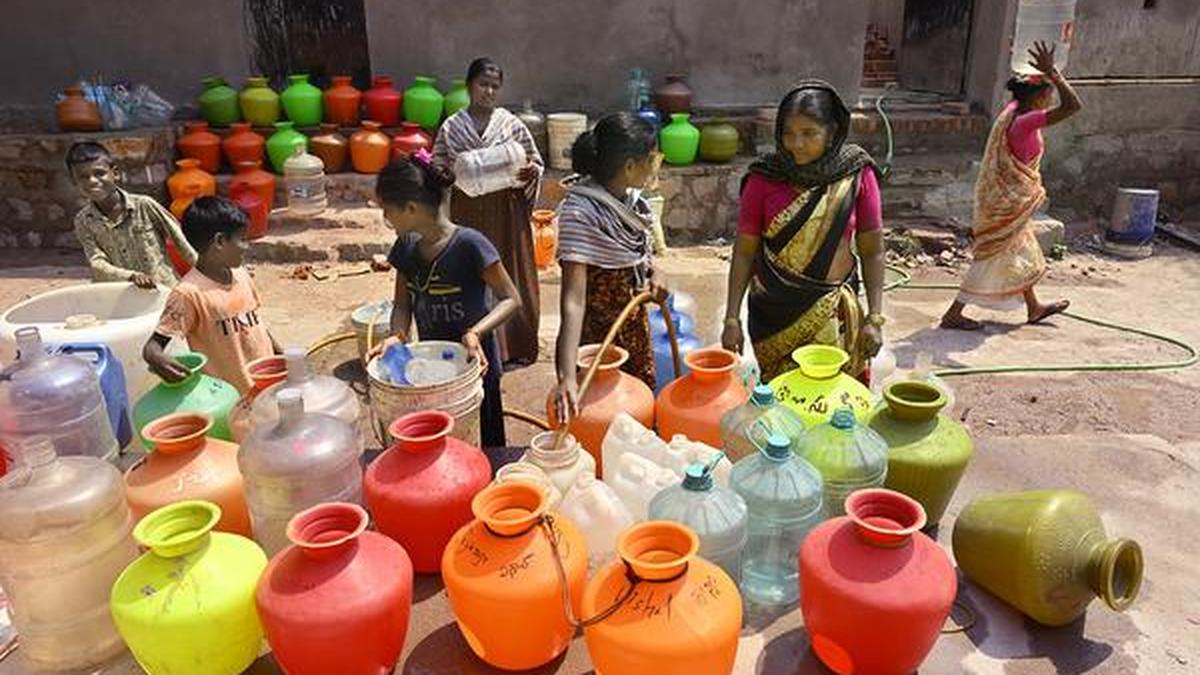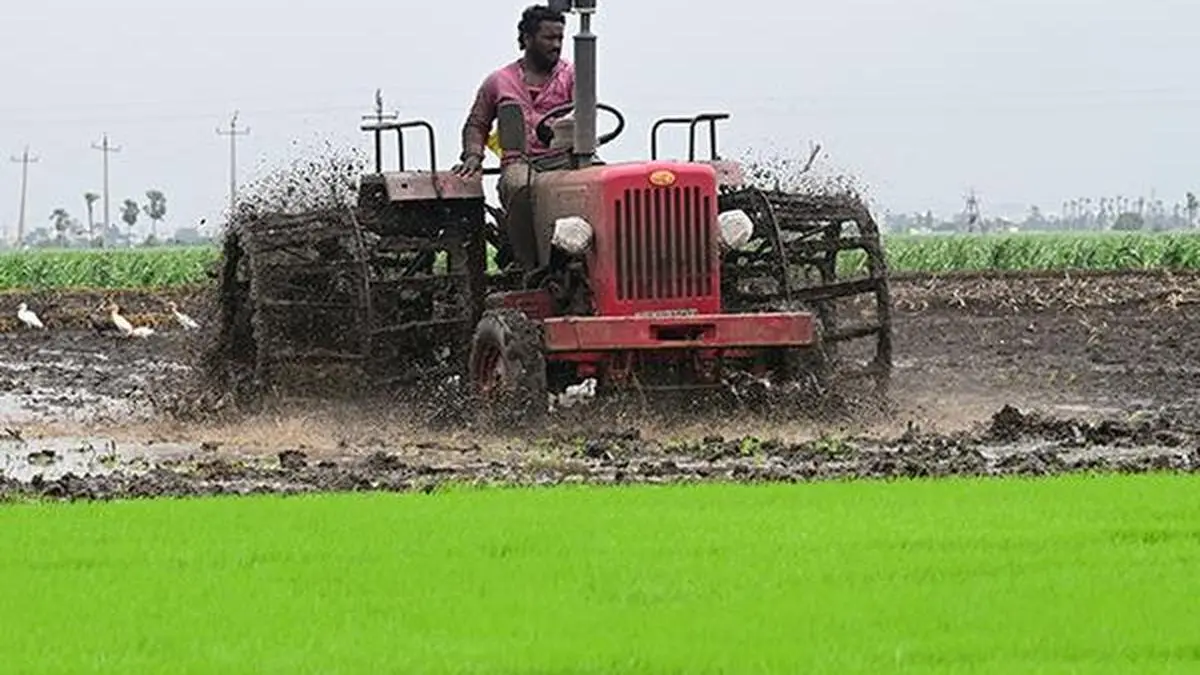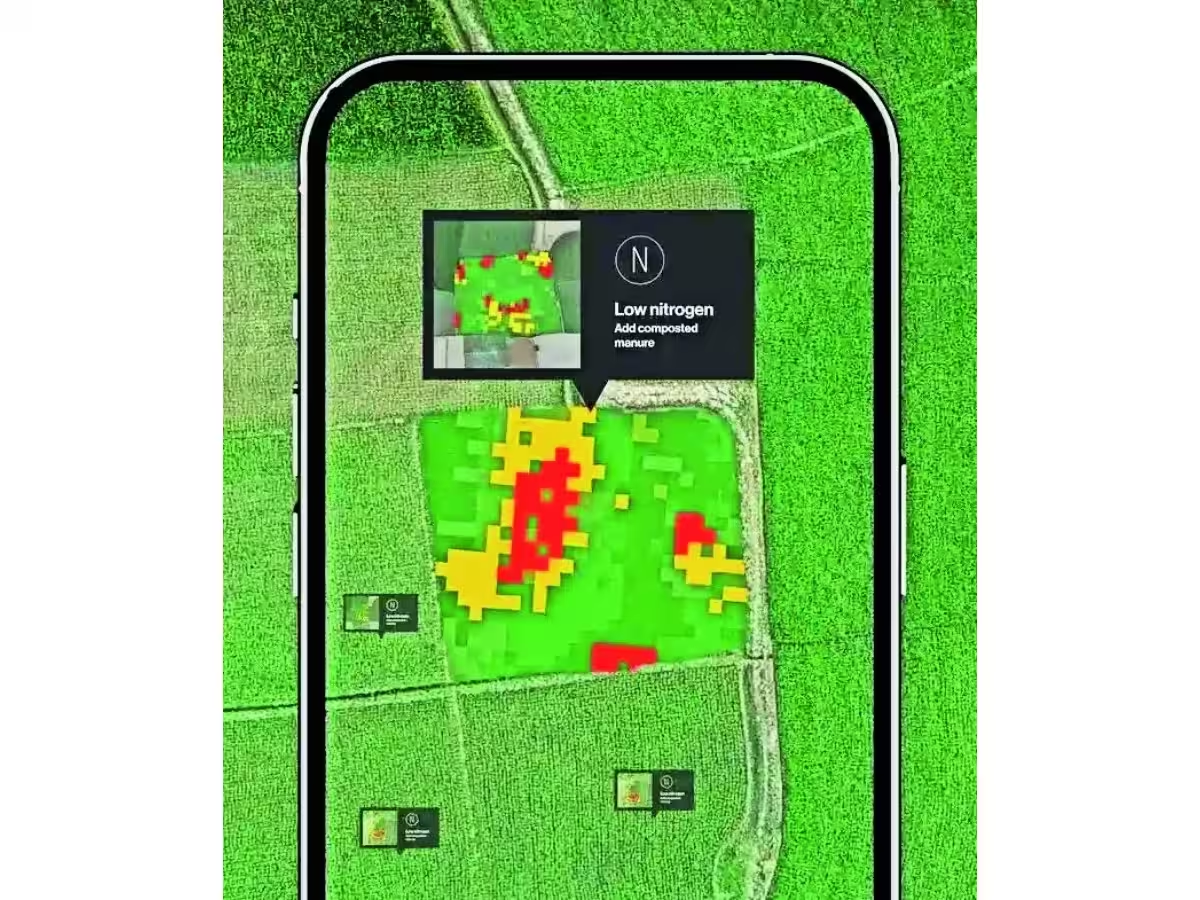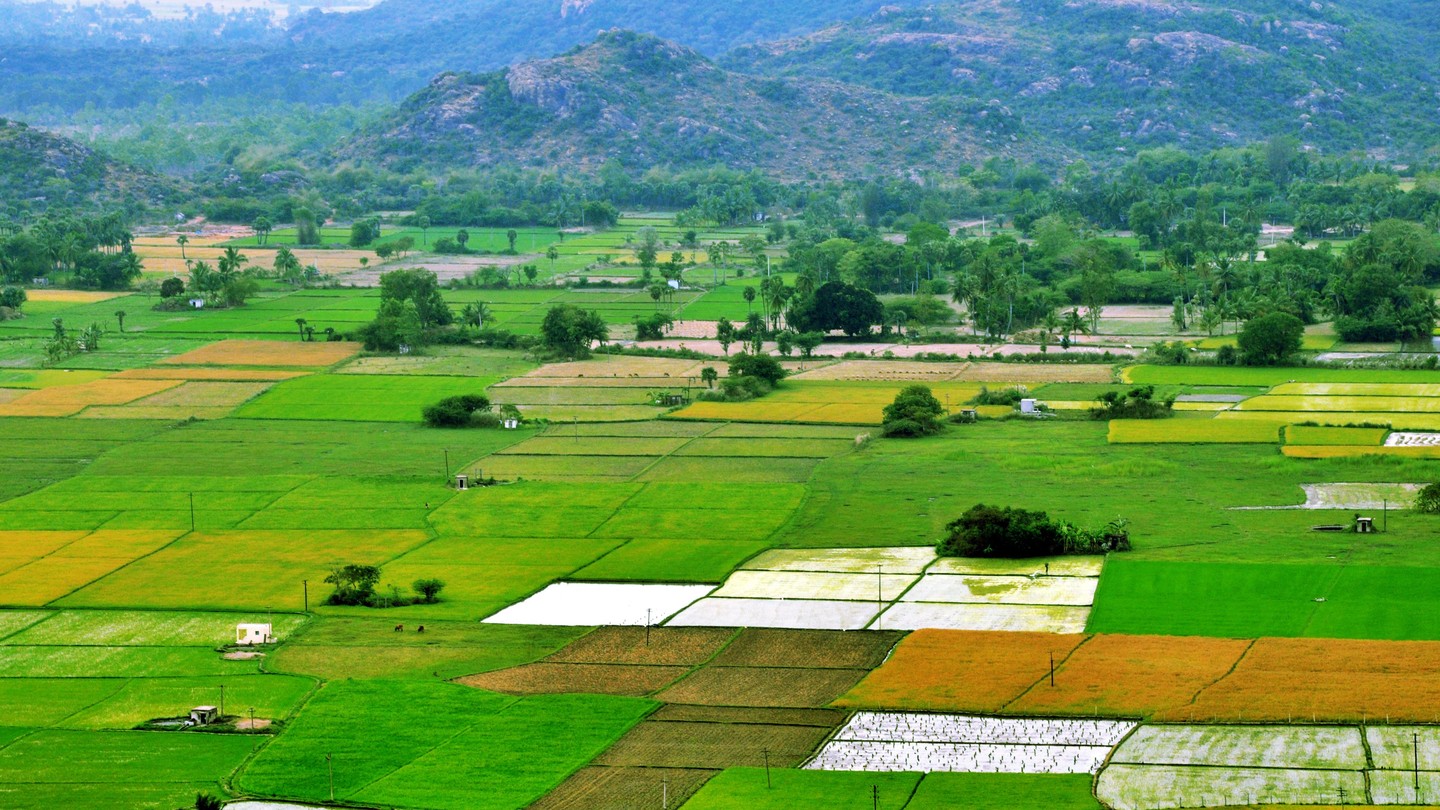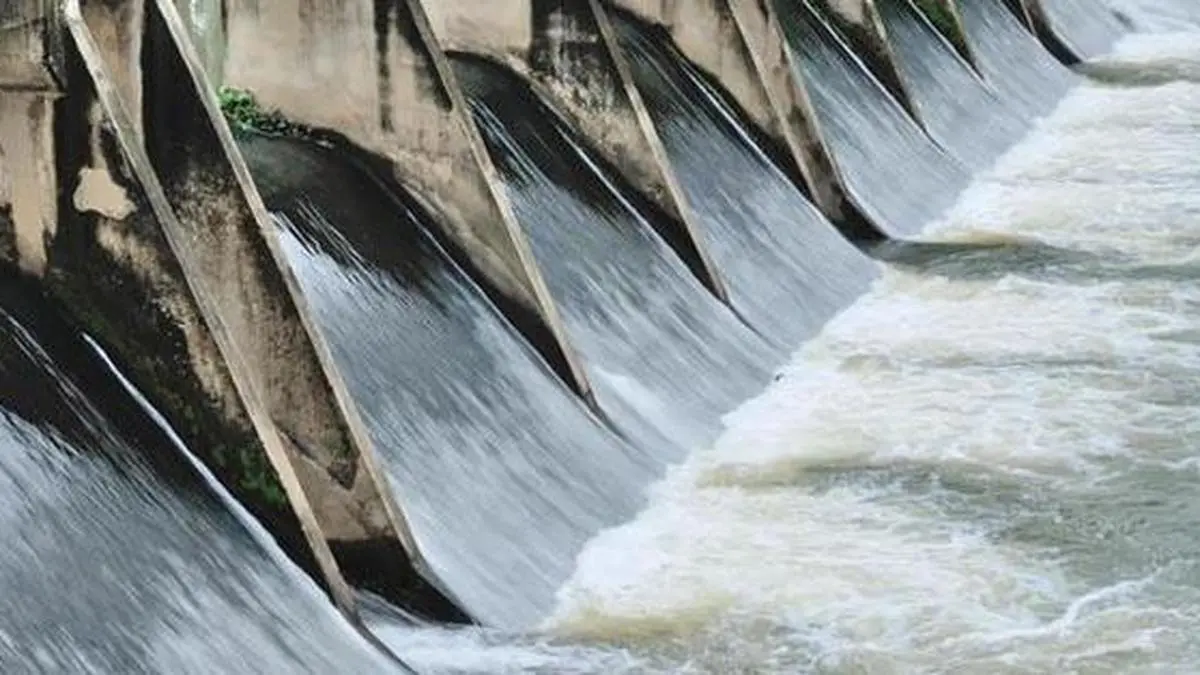
Despite decades of progress and evolution in irrigation, a huge amount of India’s agricultural land still depends on rainfall. A survey by the Department of Agriculture and Farmers Welfare, 51 per cent of agriculture is still rainfed, and it contributes to about 40% of the total food production. This dependence leaves millions of farmers vulnerable to climate variability and water stress.With increasing climate uncertainty, water infrastructure is becoming one of the most effective tools to safeguard agricultural productivity. Reservoirs, dams, lift irrigation systems, canals and micro-irrigation networks will collectively become the backbone of climate-resilient agriculture. These systems ensure reliable access to water even under erratic rainfall patterns.The growing focus on climate-resilient water infrastructure can be seen in projects such as the Sleemanabad Carrier Canal Project in Madhya Pradesh. Nearing completion, this monumental project features India’s longest underground irrigation tunnel, a 12-km-long, 10-meter-diameter marvel designed to divert water from the Narmada River across mountainous terrain to parched agricultural belts. By tunneling beneath existing settlements and transit corridors rather than performing highly disruptive surface excavations, this project overcomes intense geological and environmental constraints to bring dependable water to over two lakh forty-five hectares of land.At the same time, investments in large hydropower and water resource projects, such as the 2000 MW Subansiri Lower Hydroelectric Project, underscore the vital national necessity for robust storage and management infrastructure. With 5 out of its 8 generation units already successfully commissioned, this landmark asset serves a critical dual purpose. Beyond injecting massive volumes of clean energy into the national grid, its colossal reservoir provides essential flood moderation and water management with a massive flood cushion, shielding downstream agrarian communities in the valley from monsoonal surges.Water infrastructure for resilienceWater security journey begins at source. Reservoirs and dams are strategic water banks that capture excess monsoon runoff. Apart from storage, they also help moderate floods by regulating water flows during heavy rainfall. This dual role helps in both drought as well as flood like situation. The real challenge of storing water is transporting to agricultural fields. Lift irrigation systems and distribution networks make it possible to deliver water to regions that may not have direct access to perennial water reserves. With an extended irrigation coverage, this infrastructure reduces farmers’ dependence on uncertain rainfall and ensures smooth and stable crop planning through the year.The key is to use water efficiently at the farm level itself. Micro-irrigation technologies like the drip irrigation system or sprinkler systems are changing the way water is applied to crops. Rather than flooding the entire fields, these systems help deliver water directly to the root zones, thus minimising losses from evaporation and runoff.Government initiatives such as the Pradhan Mantri Krishi Sinchayee Yojana’s ‘Per Drop More Crop’ component have further accelerated the adoption of precision irrigation practices aimed at maximising water-use efficiency.Enabling rural resilienceToday, agriculture is the largest consumer of water in India, and accounts for nearly 80-90 per cent of total water use. In a country where water resources are under increasing pressure, improving irrigation efficiency is not simply an agricultural priority but a national necessity.Integrated water infrastructure plays a transformative role here. By connecting water storage, conveyance, distribution and efficient on-farm application, we can create an agricultural ecosystem that’s resilient and capable of withstanding climate shocks. This reliability will not only stabilise crop yields, but also significantly improve farm incomes and encourage crop diversification and strengthen rural livelihoods.Infrastructure companies have an important role to play in this transition. Through the development of dams, reservoirs, irrigation systems and water conveyance networks, engineering expertise is helping bridge the gap between unpredictable rainfall and dependable agricultural productivity. These projects create long-term assets that support farming communities for decades while contributing to broader goals of water security and sustainable development.As India prepares for a future shaped by climate uncertainty, investments in water infrastructure will become critical. The ability to capture every drop, store it efficiently and deliver it where needed may determine the resilience of Indian agriculture in future. From dam to field, water infrastructure is not merely an enabler of growth but a foundation for climate resilience, food security and rural prosperity.The author is Managing Director, Patel Engineering LimitedPublished on June 28, 2026
From dam to field: How water infrastructure is India’s answer to climate-driven agricultural risk
Discover how India's water infrastructure enhances climate resilience, ensuring agricultural productivity and rural prosperity amidst climate challenges.
TL;DRAI
51% of India's rainfed agriculture drives dams, irrigation, 2000 MW Subansiri, 12-km Sleemanabad—climate resilience shift. Enterprise stakeholders see growing market in precision irrigation, smart governance, and climate infrastructure—essential for food security and rural resilience.
696 words~3 min read