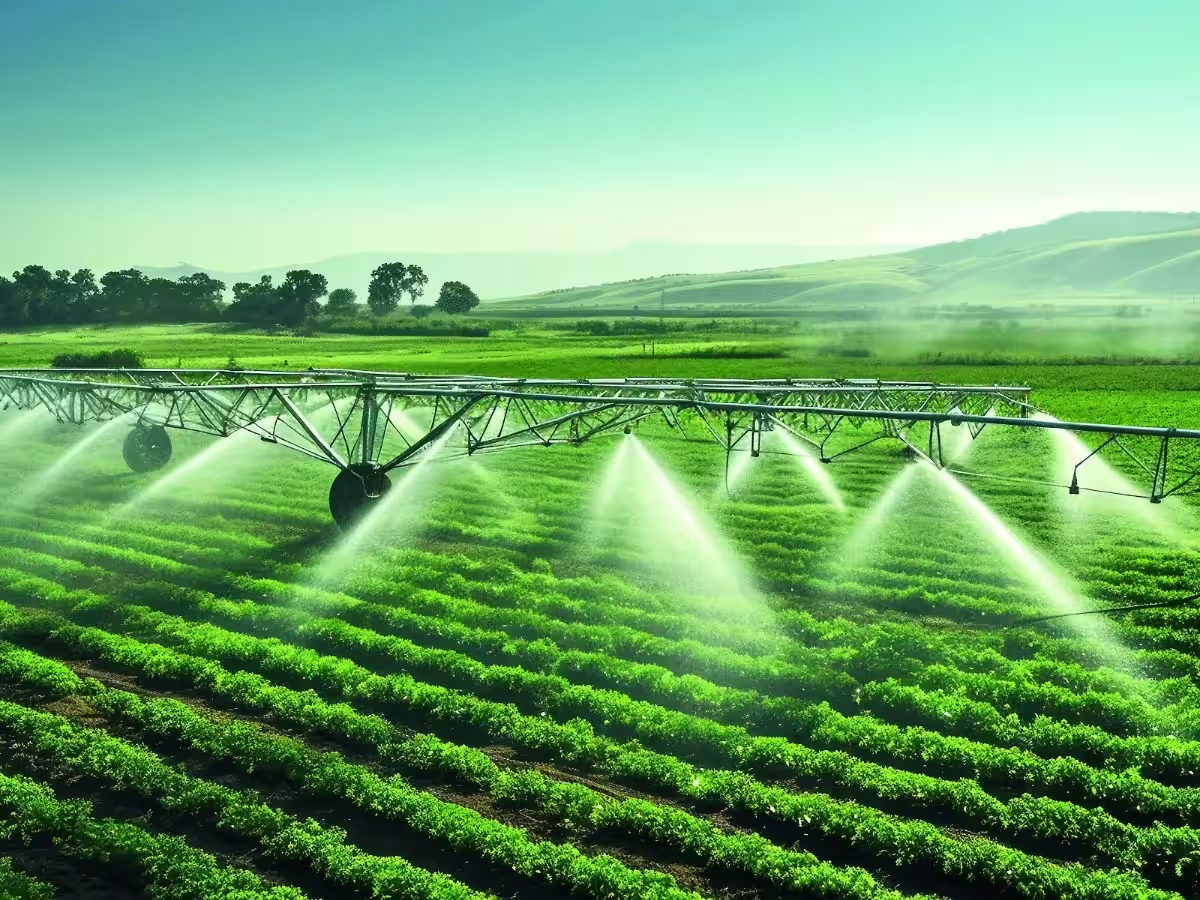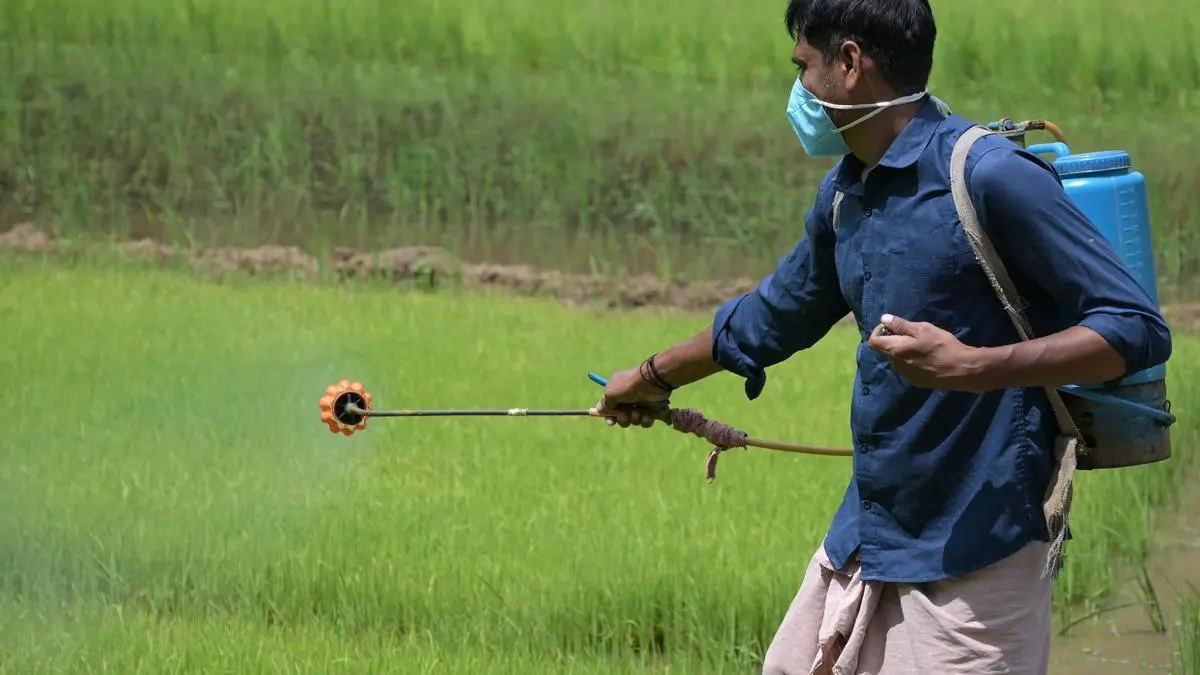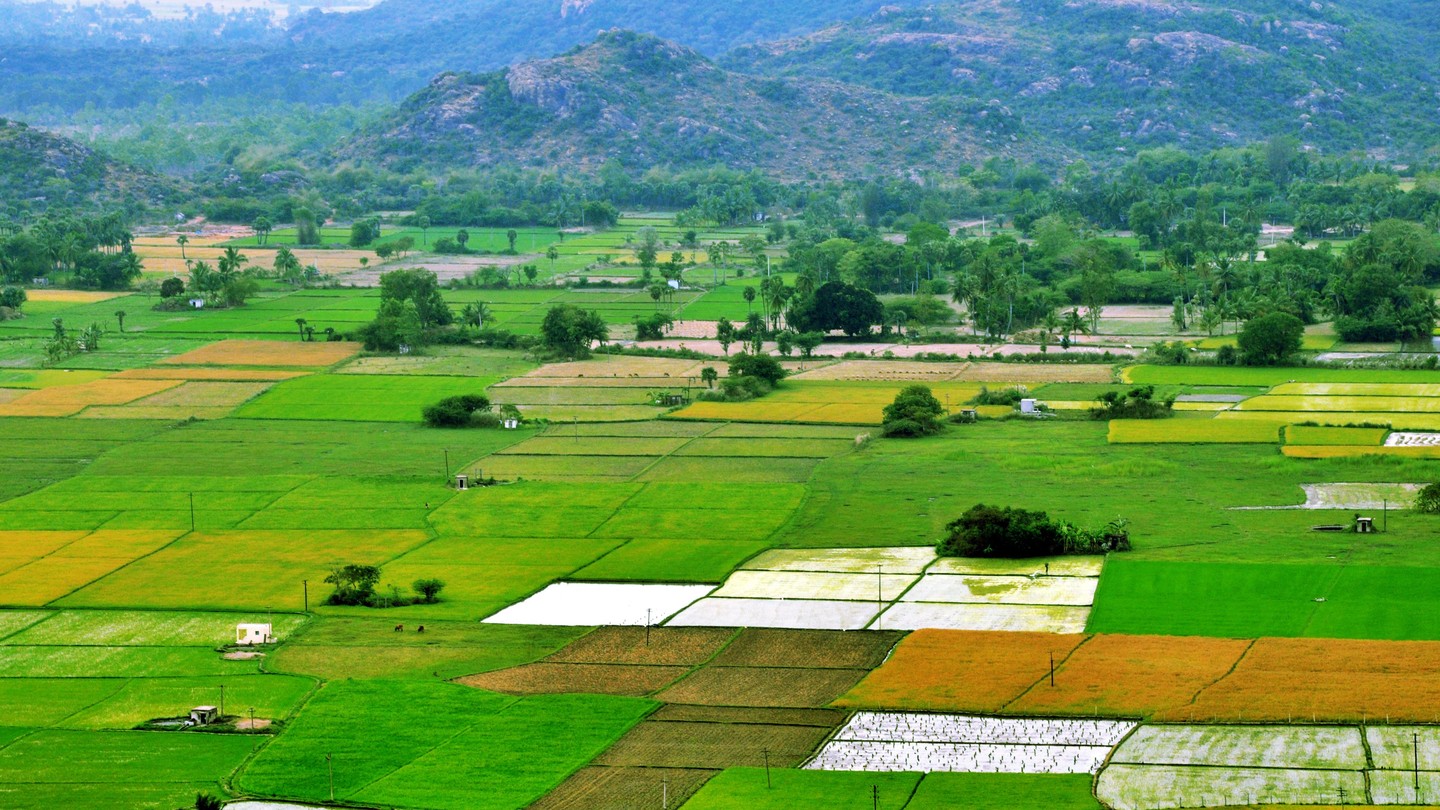
A new study reveals that evaporation from irrigated farmland significantly contributes to rainfall over India’s rainfed agricultural regions, especially during the critical pre-monsoon season. The findings highlight an overlooked atmospheric connection with major implications for food and water security.A new study published in Environmental Research Letters and led by A. Koppa, postdoctoral researcher in the lab, has uncovered a crucial but previously overlooked relationship between irrigated and rainfed agriculture in India. By combining climate models with observational datasets, we demonstrate that moisture evaporating from irrigated croplands contributes significantly to rainfall received by rainfed farming regions.Rainfed agriculture produces nearly 40% of India's food and supports approximately 60% of its livestock. While these agricultural systems are commonly associated with monsoon rainfall originating from oceanic processes, the study shows that terrestrial moisture sources, particularly evaporation from irrigated areas located upwind, also play a critical role.We found that evaporation from irrigated croplands contributes an average of 7% (±5%) of annual rainfall over rainfed regions. During the pre-monsoon season, when crops are particularly vulnerable to water shortages, this contribution increases to nearly 15% (±10%). Importantly, without this additional atmospheric moisture input, rainfed crops could experience a 5-10% increase in water stress during key mid-to-late growth stages, potentially impacting crop yields and farmer livelihoods.These findings reveal an invisible irrigation effect by which irrigated agriculture supports not only local food production but also distant rainfed systems through atmospheric moisture recycling. Despite its significance, this interconnected relationship is currently overlooked in most agricultural and water management policies. This emphasizes the need for more integrated planning approaches that treat irrigated and rainfed agriculture as interconnected components of a shared regional water cycle. Such holistic management strategies could strengthen food security, improve climate resilience, and support sustainable water governance in the face of future environmental change.If you want to know more, read the full poblication here.FundingSwiss National Science Foundation (SNSF), Grant 10000638ReferencesKoppa, A., Bassani, F., Keune, J., Deman, V.M.H., Insua-Costa, D., Hari, V., Ghosh, S., Miralles, D.G. and Bonetti, S., 2026. Irrigated agriculture supports rainfed crops in India through atmospheric moisture recycling. Environmental Research Letters, 21(10), 104037, https://doi.org/10.1088/1748-9326/ae6f34
Irrigation sustains rainfed agriculture through atmospheric recycling
A new study reveals that evaporation from irrigated farmland significantly contributes to rainfall over India’s rainfed agricultural regions, especially during the critical pre-monsoon season. The findings highlight an overlooked atmospheric connection with major implications for food and water security.
348 words~2 min read