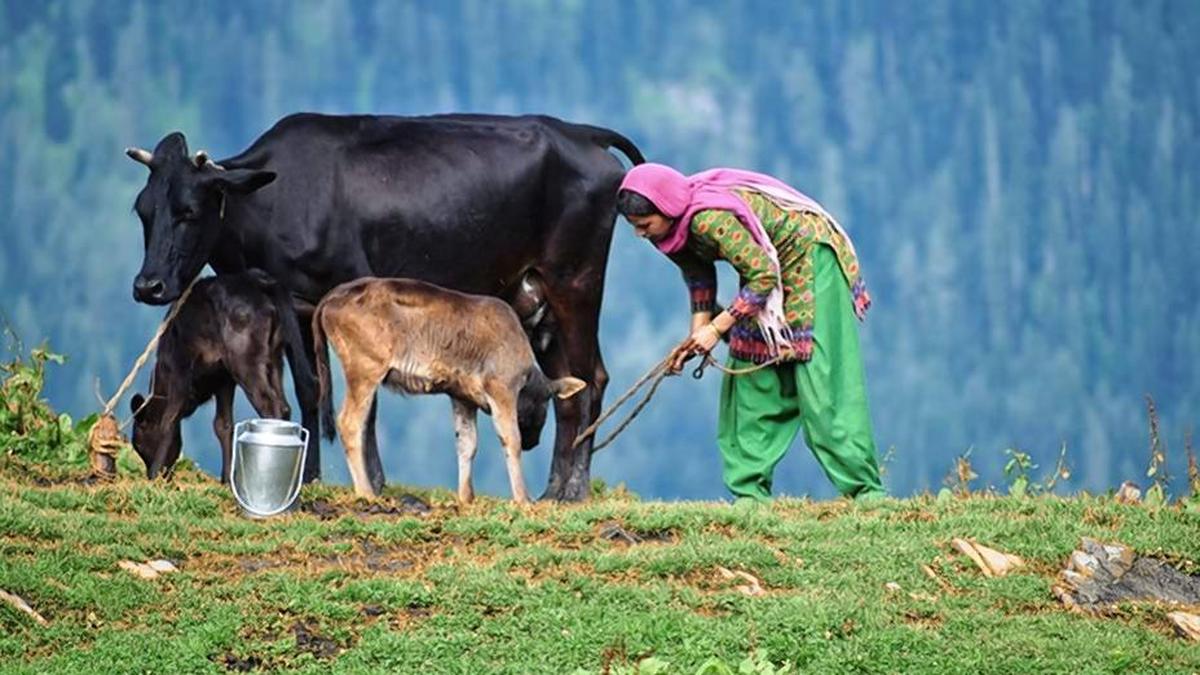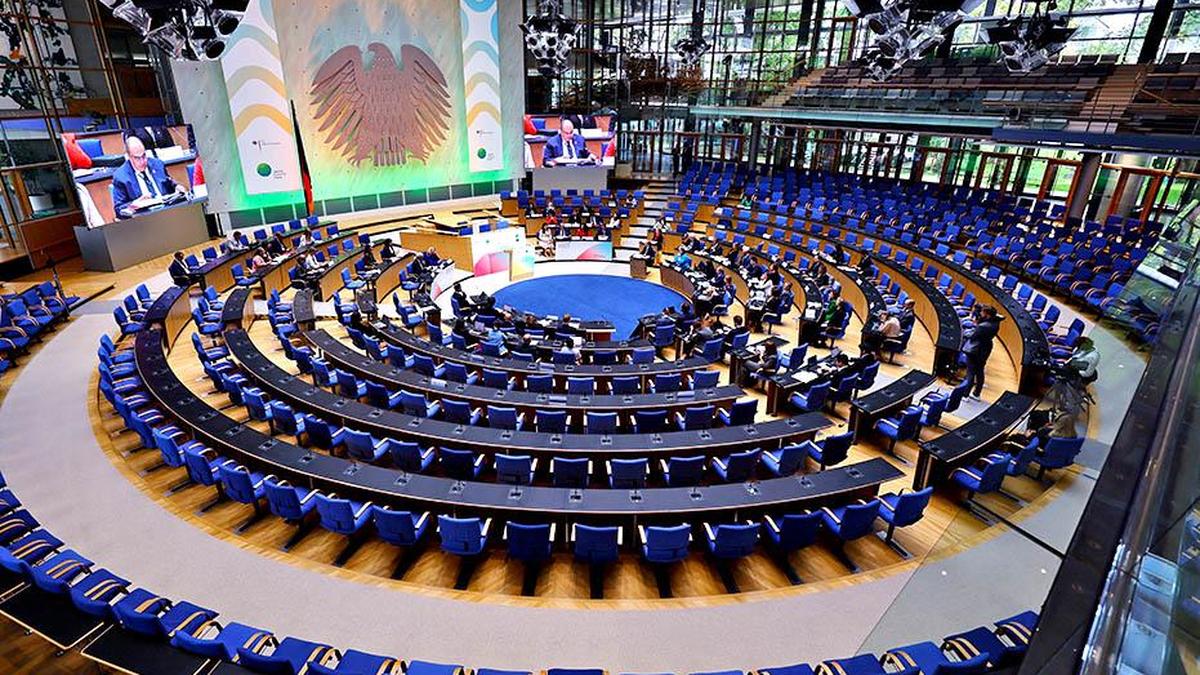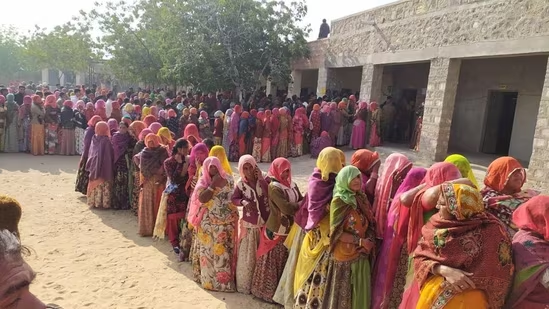
Indian women’s role in climate negotiations represents a striking paradox: Profound influence and innovation at the community and intellectual levels, coupled with persistently limited formal presence in the high-stakes arenas of international diplomacy. This imbalance is not accidental but rooted in structural, cultural, and institutional realities that shape India’s engagement with global climate governance. Addressing it requires moving beyond surface-level inclusion toward a deeper integration of diverse perspectives that could sharpen the analytical edge and moral authority of India’s positions. Environment day (Pixabay)At the grassroots, Indian women are indispensable agents of climate resilience. They constitute a substantial portion of the agricultural workforce. In many regions, women often shoulder the primary responsibility for managing household water, energy, and food security. In ecologically fragile zones, from the cyclone-prone coasts of Odisha to the drought-affected landscapes of Rajasthan or the salinity-intruded Sundarbans, women-led self-help groups (SHGs) demonstrate remarkable adaptability. These groups experiment with composite farming, rainwater harvesting, mangrove restoration, agroforestry, and seed banks to buffer against erratic monsoons, rising sea levels, and extreme heat. Their innovations are not theoretical; they emerge from daily navigation of intersecting vulnerabilities. For example, how delayed rains extend unpaid care work, how heatwaves compromise nutrition for children and the elderly, or how disasters disrupt livelihoods in ways that amplify existing gender and caste hierarchies. Such grounded knowledge offers critical nuance to abstract negotiations. Concepts like adaptation, loss and damage, and just transitions gain substance when informed by those who experience climate impacts most acutely. Historical precedents such as the Chipko movement, in which women hugged trees to prevent deforestation, illustrate a long tradition of women as environmental defenders. Today, thousands of women across states train as climate champions, restoring ecosystems while building economic resilience through diversified livelihoods. These efforts reveal climate action as inseparable from questions of equity, local governance, and sustainable development, principles that lie at the heart of India’s diplomatic stance.India has consistently championed climate justice in UNFCCC forums, insisting on historical responsibility, per-capita equity, and differentiated obligations between developed and developing nations. Women have helped shape this framework intellectually and through policy implementation. Prominent voices have advanced rigorous analyses linking Northern consumption patterns to Southern vulnerabilities and advocating sustainable development pathways that avoid replicating high-carbon models. At state and central levels, senior women administrators have spearheaded green budgeting, large-scale renewable projects, mangrove plantations, and resilience initiatives that translate global commitments into local action. Younger advocates further bridge gender and climate through work on green skills, renewable energy access, and community education, highlighting how the low-carbon transition can empower rather than marginalise women.Yet when delegations assemble for COP meetings, this richness of experience is underrepresented. At COP26, for instance, women made up only about 17% of the Indian delegation. It constituted well below the global average, which has hovered around 34-38% for over a decade. Across Asia and many developing regions, delegation gender balances often lag those from Latin America or Europe. Heads of delegations globally remain overwhelmingly male, with women rarely exceeding 15-20%. This pattern reflects broader dynamics in Indian bureaucracy and foreign policy, where selection processes prioritise seniority and established networks that remain male-dominated. High travel demands, work-life tensions in a society where care responsibilities fall disproportionately on women, and subtle biases in nomination further constrain pipelines. Financial limitations for delegation participation exacerbate these issues, particularly for smaller or developing-country teams.The analytical costs of this gap are considerable. Research across contexts indicates that more gender-balanced teams tend to produce more ambitious and socially attuned outcomes. They are better at weaving in intersections, such as how climate stress compounds with land rights, access to finance, health burdens, or migration pressures. For India, where climate vulnerabilities vary sharply by region, and urban-rural divides, monolithic approaches risk overlooking critical nuances. A rural woman farmer from a marginalised community may prioritise resilient agriculture, water security, and disaster preparedness differently than an urban expert focused on technology transfer or carbon markets. Greater inclusion could enrich India’s advocacy for equity by grounding it in lived realities, strengthening credibility when critiquing inadequate Northern ambition or finance shortfalls.Barriers are multifaceted and self-reinforcing. Societal expectations limit women’s visibility in high-profile roles. Institutional inertia favours continuity over deliberate diversification. Capacity gaps in specialised climate diplomacy training, combined with limited mentorship networks, slow progress. At the same time, India possesses latent strengths: Constitutional reservations for women in panchayats have created a vast reservoir of local leadership that could feed into higher levels. Decentralised governance offers pathways for bottom-up insights to inform national positions. The UNFCCC Gender Action Plan and related global frameworks provide external impetus, yet national translation remains uneven, often treating gender as a supplementary rather than integral dimension.A more transformative strategy would integrate women’s contributions at multiple scales. This includes systematic capacity-building programs tailored for climate negotiators, gender-disaggregated data in National and State Action Plans on Climate Change, and explicit targets for delegation composition that avoid tokenism. Mentorship initiatives, track-II dialogues involving women experts, and stronger linkages between grassroots innovations and international submissions could narrow the local-global divide. Critically, such efforts must account for intersecting identities; inclusion should not flatten diverse experiences into a singular women’s voice. Policies that mainstream gender responsiveness, such as gender-sensitive climate budgets or targeted finance for women-led adaptation, would enhance the credibility of implementation.Economically, empowering women in the green transition aligns with India’s development goals. Sectors such as renewables, electric mobility, and sustainable agriculture offer opportunities for job creation and skill development. When women gain secure land rights and access to resources, adaptation outcomes improve measurably. Neglecting this potential not only perpetuates inequity but also forfeits strategic advantages in negotiations. As climate impacts intensify, more frequent heatwaves, unpredictable monsoons, coastal erosion, practical knowledge from the frontlines becomes a diplomatic asset, bolstering arguments for scaled-up support to vulnerable nations.In essence, Indian women already drive much of the everyday resilience and intellectual scaffolding for climate action. The challenge lies in translating this into proportionate influence within negotiating rooms. Doing so is not a peripheral equity concern but a strategic imperative. It would deepen the analytical sophistication of India’s positions, enhance legitimacy among domestic and international audiences, and foster agreements that are more implementable and just. In a world grappling with existential climate threats alongside persistent development divides, leveraging the full spectrum of talent and insight available strengthens both national interests and collective global prospects. Bridging the existing gap demands sustained commitment, but the returns—for policy effectiveness, social cohesion, and environmental outcomes—would be substantial and far-reaching.(The views expressed are personal)This article is authored by Pravesh Kumar Gupta, Pravesh Kumar Gupta, associate fellow (Eurasia) Vivekananda International Foundation, New Delhi.
Women as guardians of sustainability
This article is authored by Pravesh Kumar Gupta, Pravesh Kumar Gupta, associate fellow (Eurasia) Vivekananda International Foundation, New Delhi.
1,097 words~5 min read