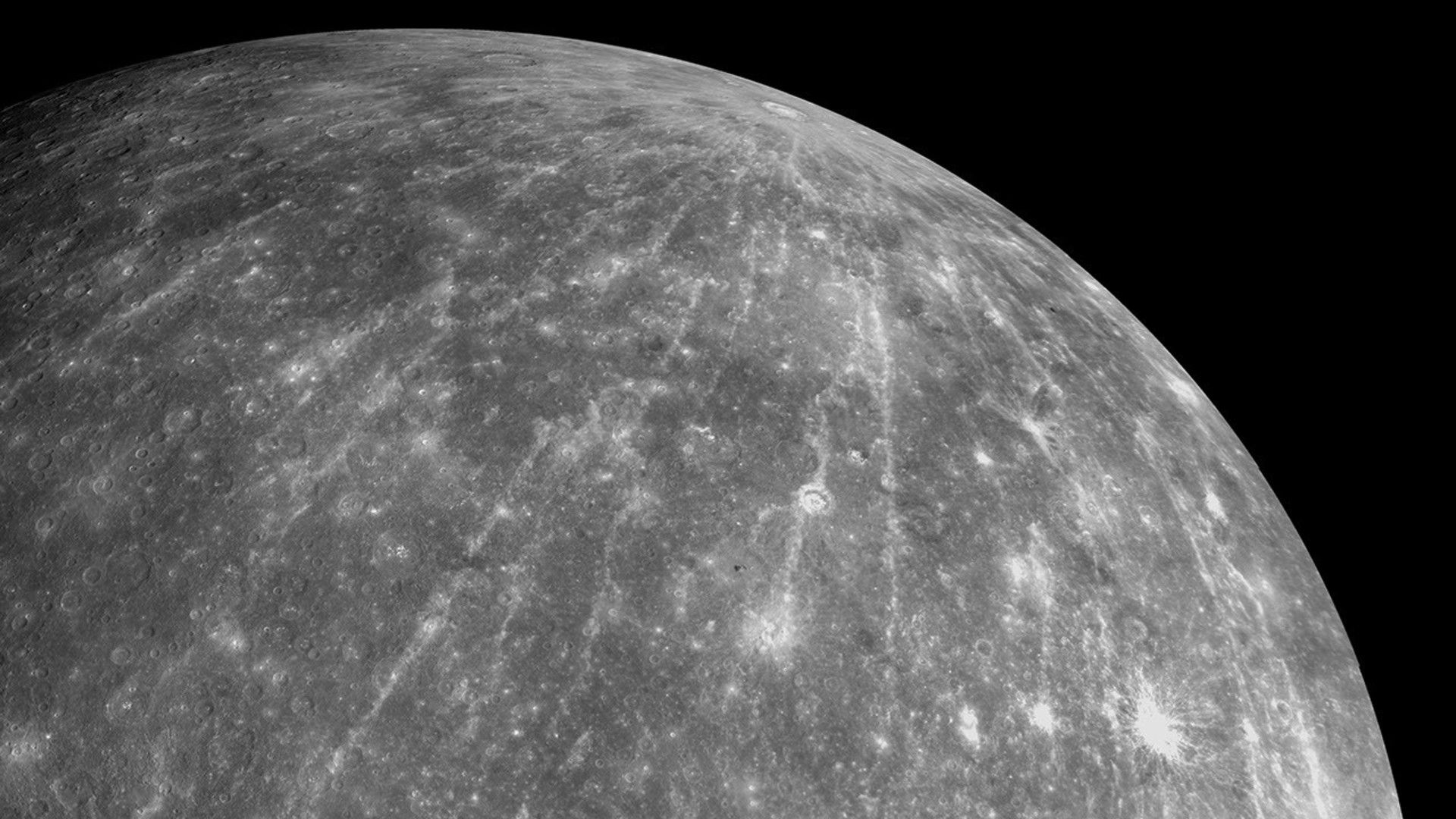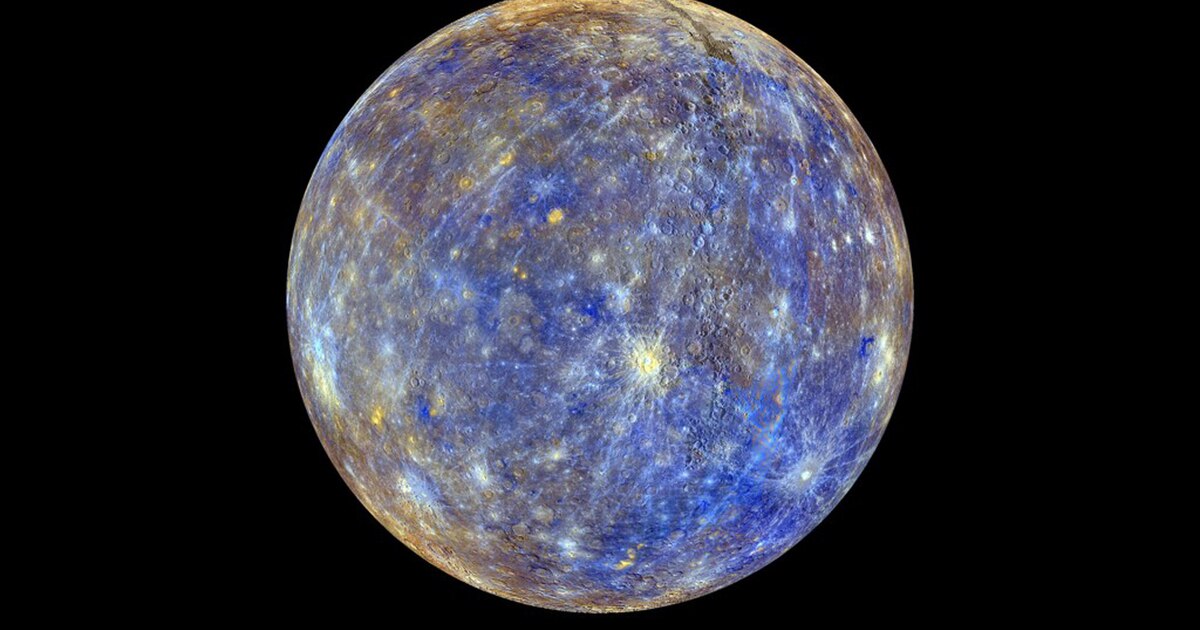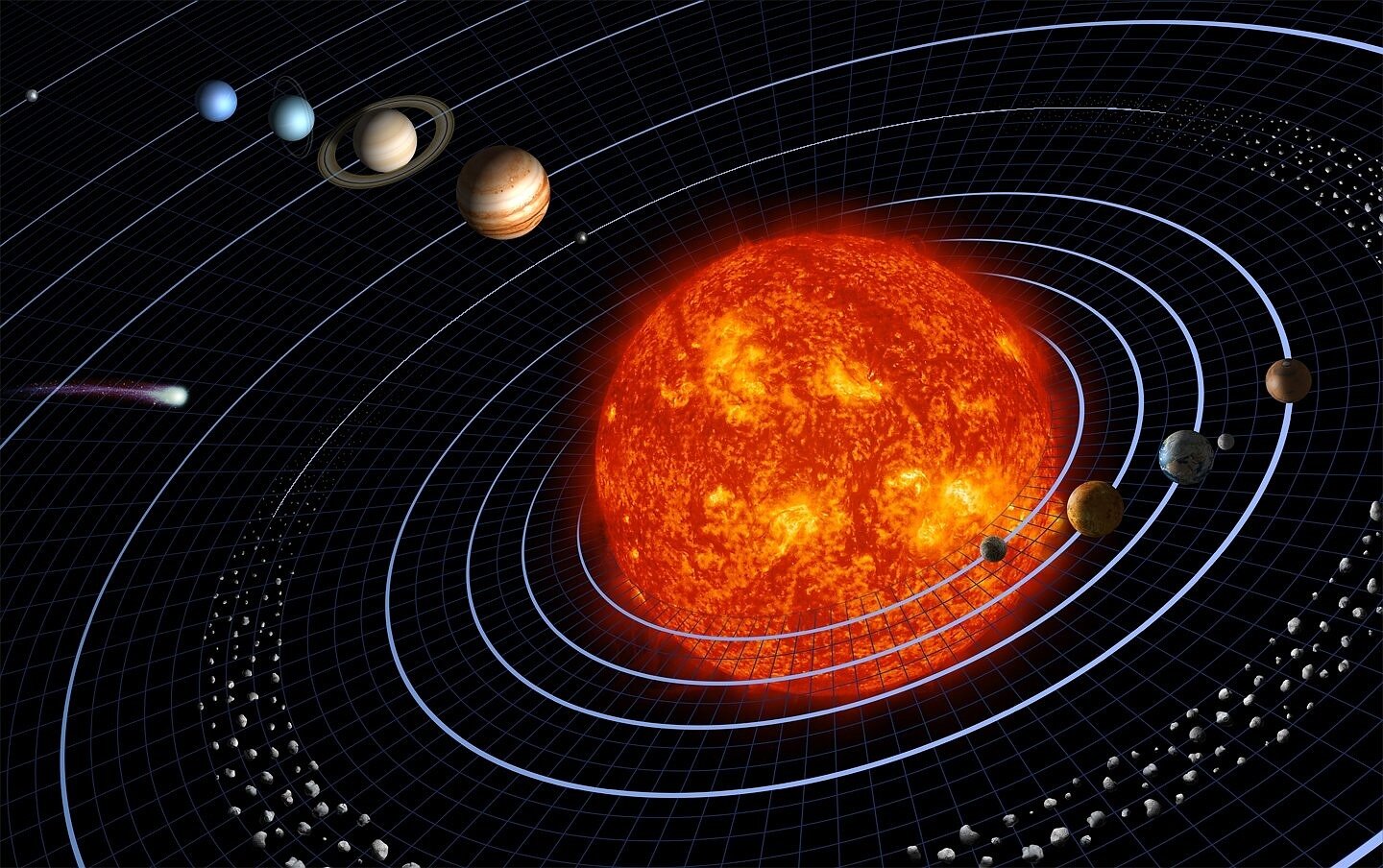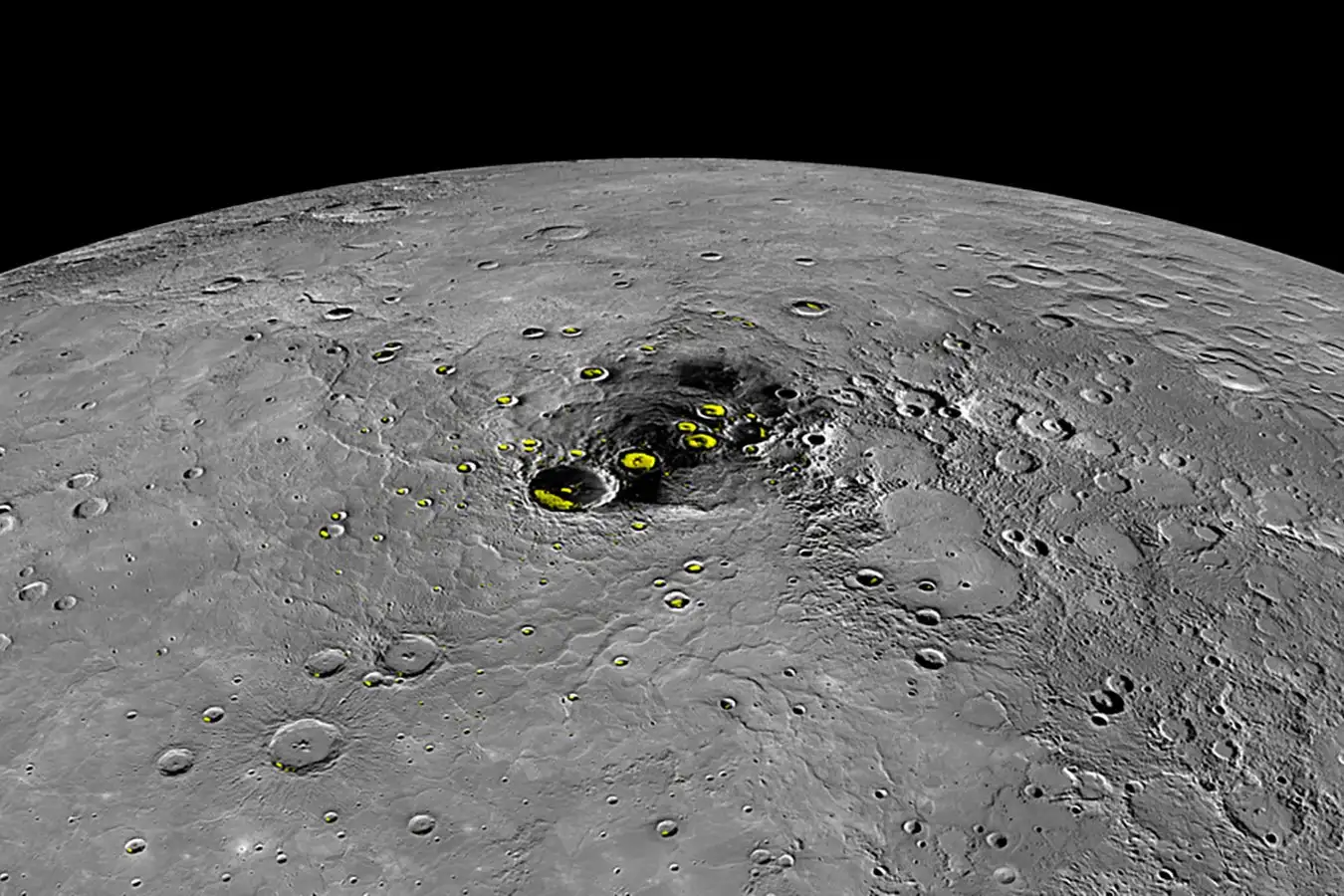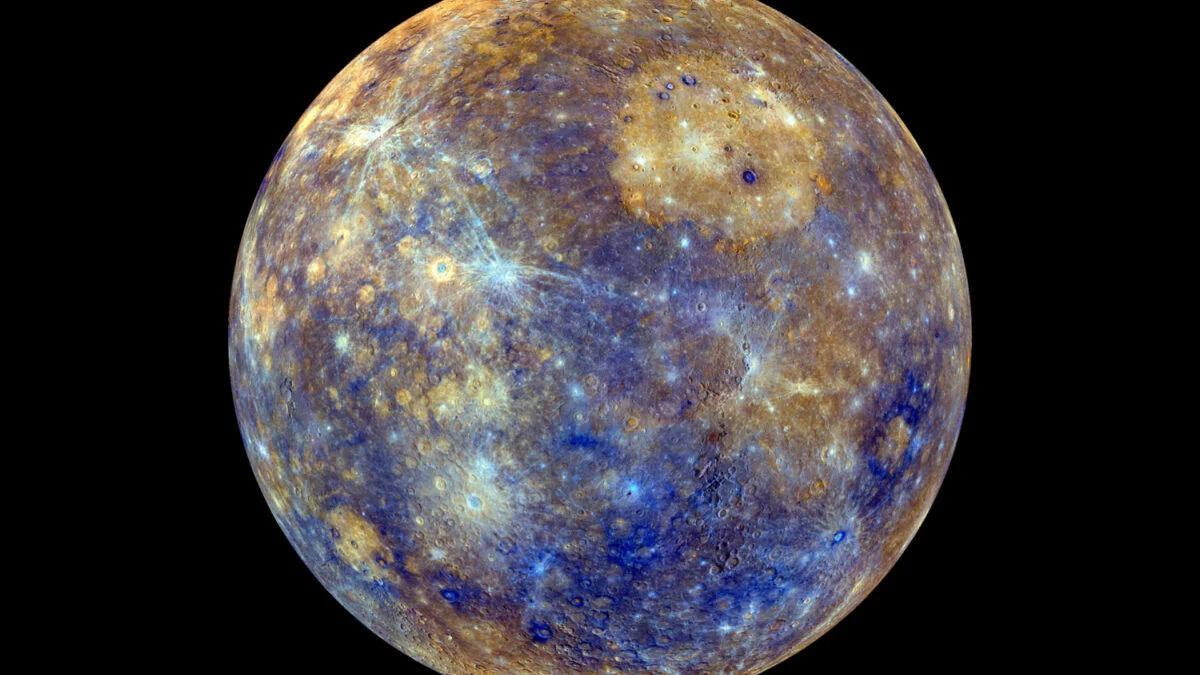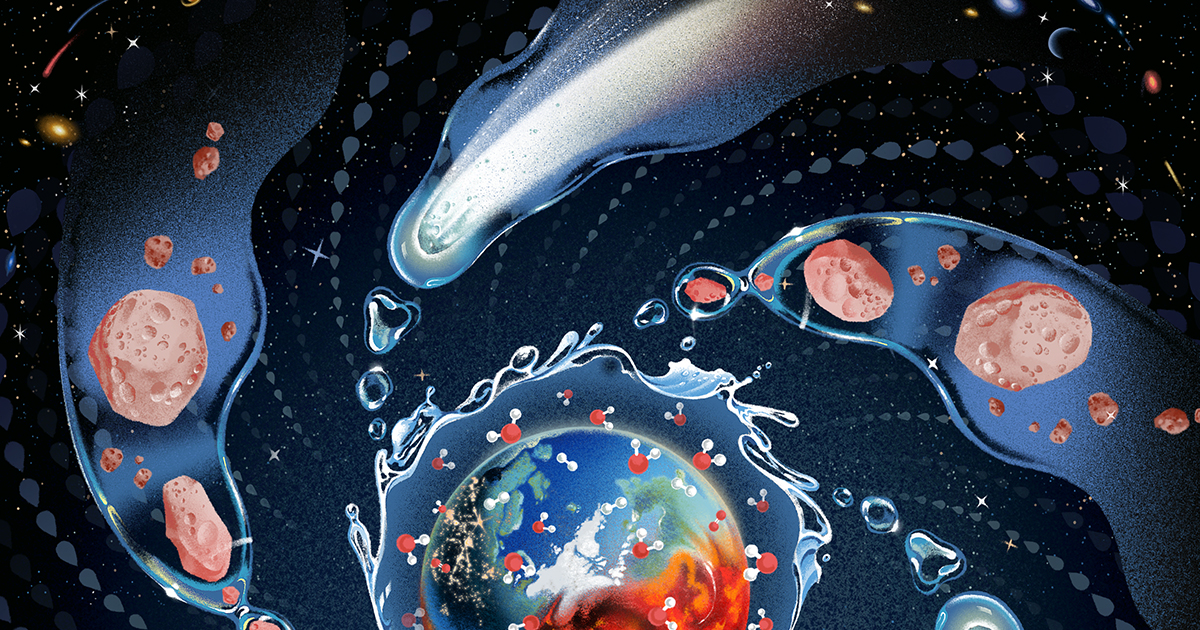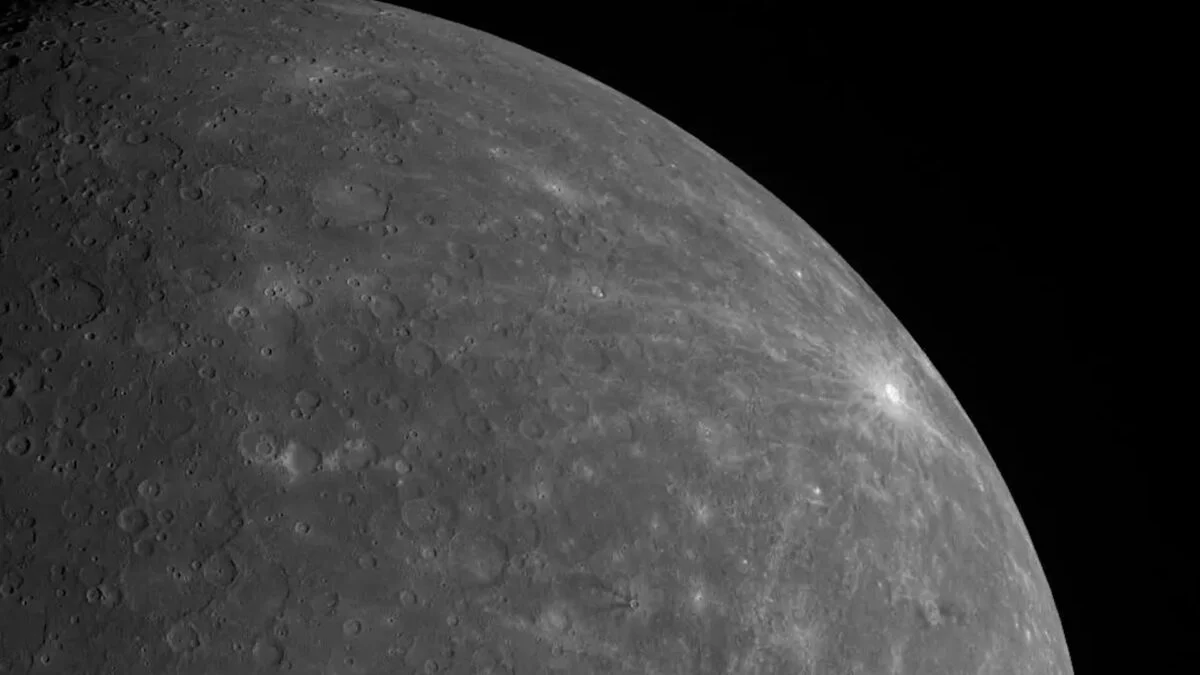
In 2012, a NASA probe confirmed something rather unexpected about Mercury. The scorching hot planet has deposits of water ice stashed in permanently shadowed areas. Exactly how the water got there, however, has remained a mystery. Now, a team of scientists has traced Mercury’s frozen water to a colossal impact that transformed the planet in a single Mercurian day. A new study, published in the Journal of Geophysical Research: Planets, suggests a massive impact by a comet or asteroid deposited all of Mercury’s water in one go. The team of researchers behind the study simulated the event and found that the planet’s thick deposits of water ice were likely accumulated over a single day on Mercury (the equivalent of 157 Earth days) in both the north and south polar regions. An unlikely place Mercury is the closest planet to the Sun. If you’re standing on the surface of Mercury, the Sun would appear more than three times as large as it does from Earth, and its light would shine as much as seven times brighter.
Due to its proximity to our host star, the planet’s surface temperatures can reach highs of 800° Fahrenheit (430° Celsius). It’s still not the hottest planet in the solar system—that title proudly belongs to Venus due to its dense atmosphere. Without an atmosphere of its own, though, Mercury’s nighttime temperatures dip to -290° Fahrenheit (-180° Celsuis).