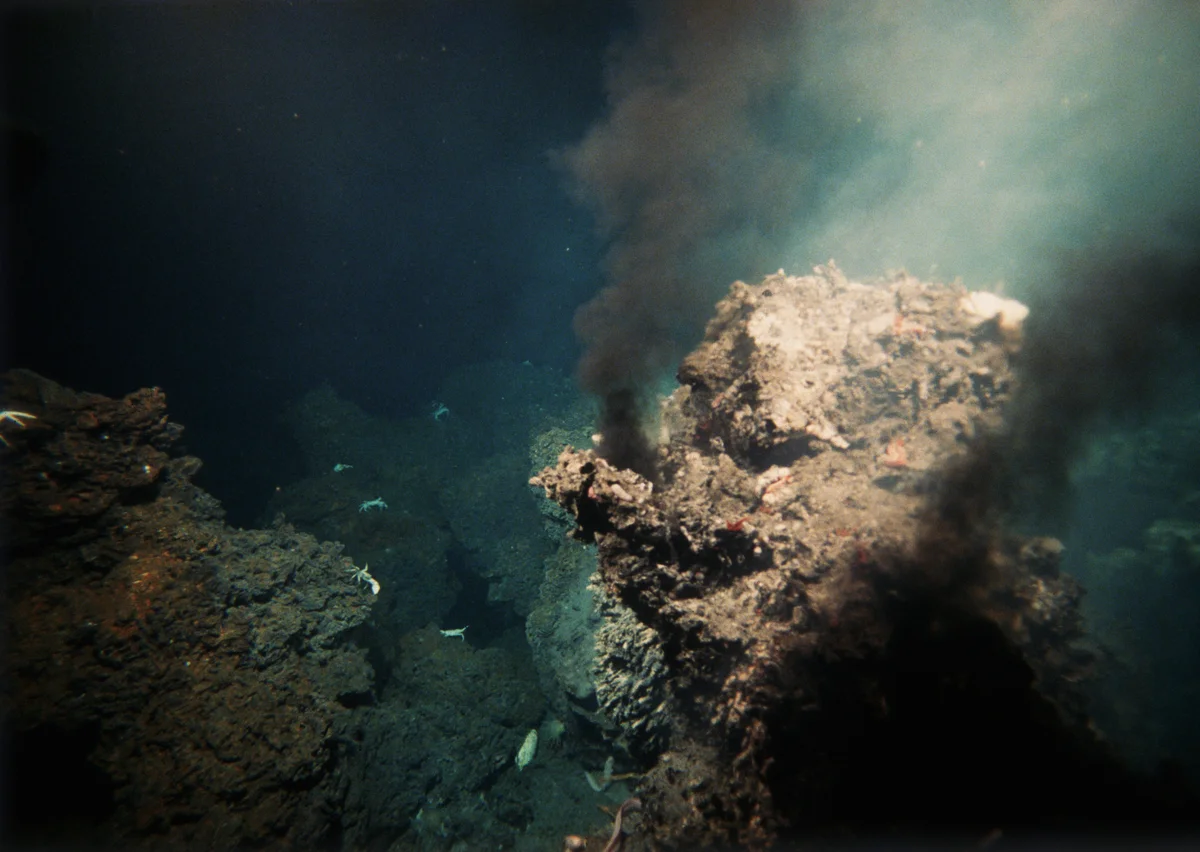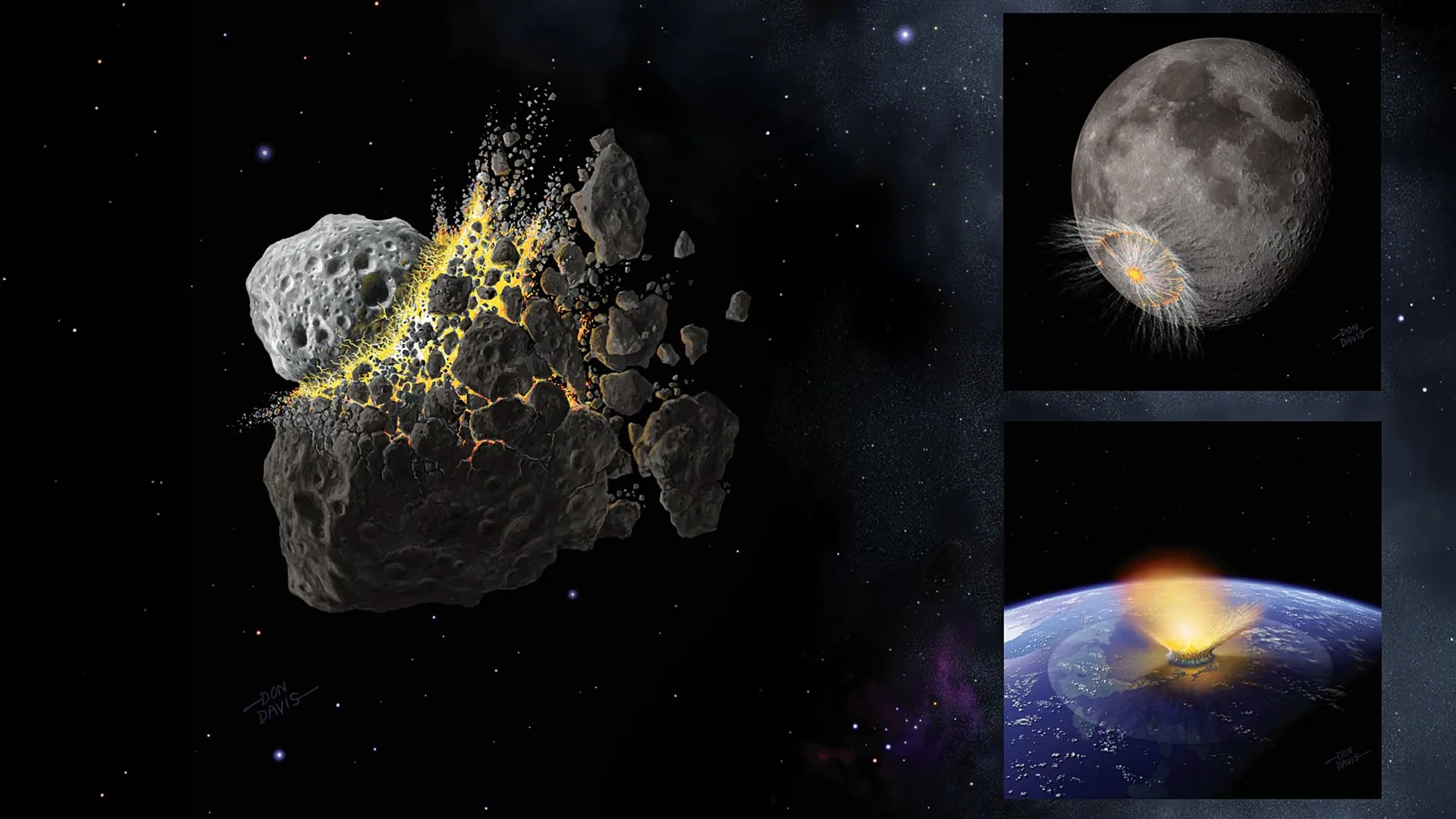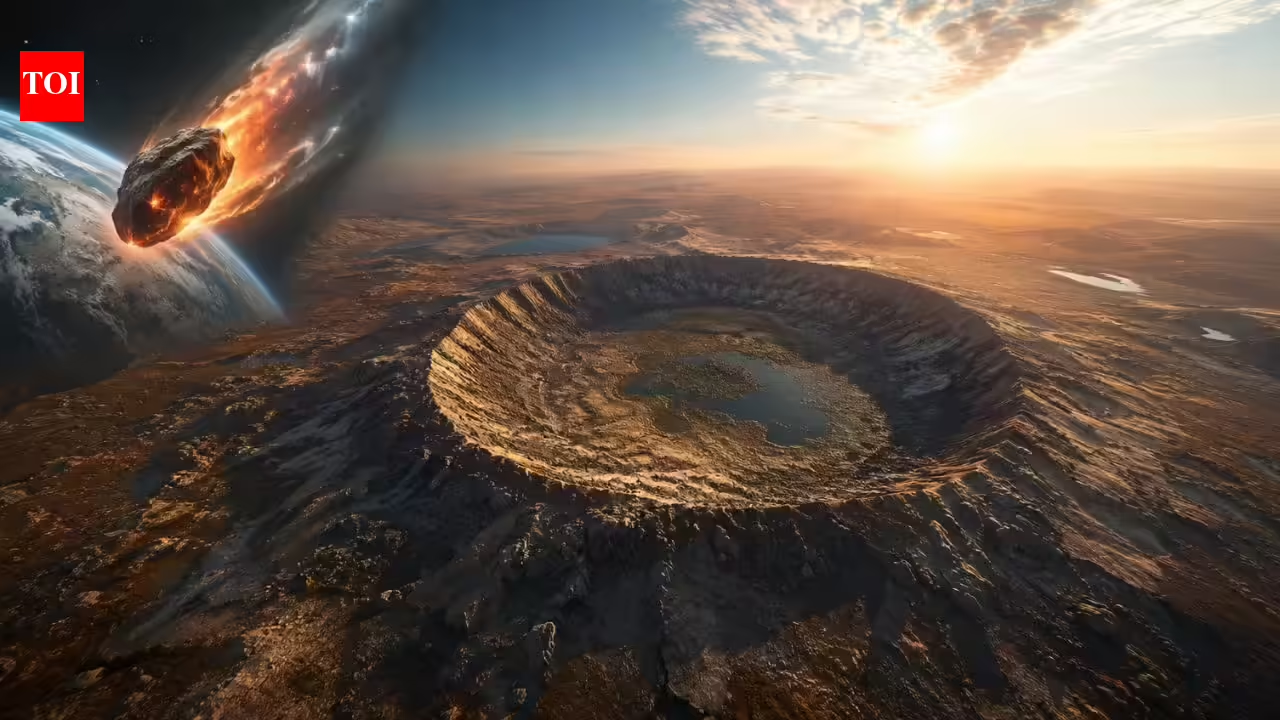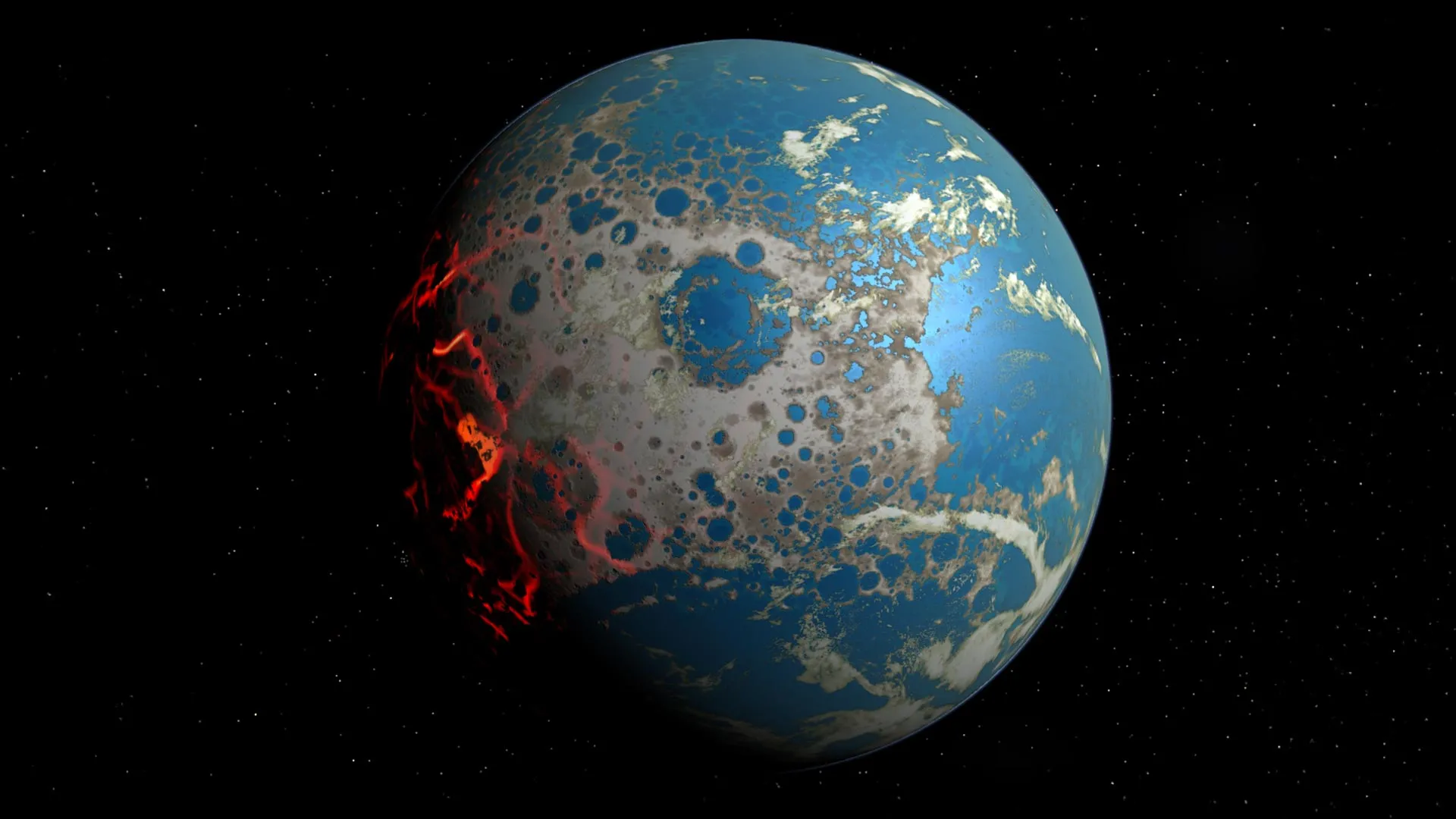
Scientists at Southwest Research Institute (SwRI) have taken a new look at Earth's violent beginnings and found that ancient asteroid impacts may have played a key role in making the planet habitable. Their computer models suggest that repeated collisions did far more than reshape the young Earth's surface. They also created extensive hydrothermal systems, hot water environments that may have provided the right conditions for life to emerge.
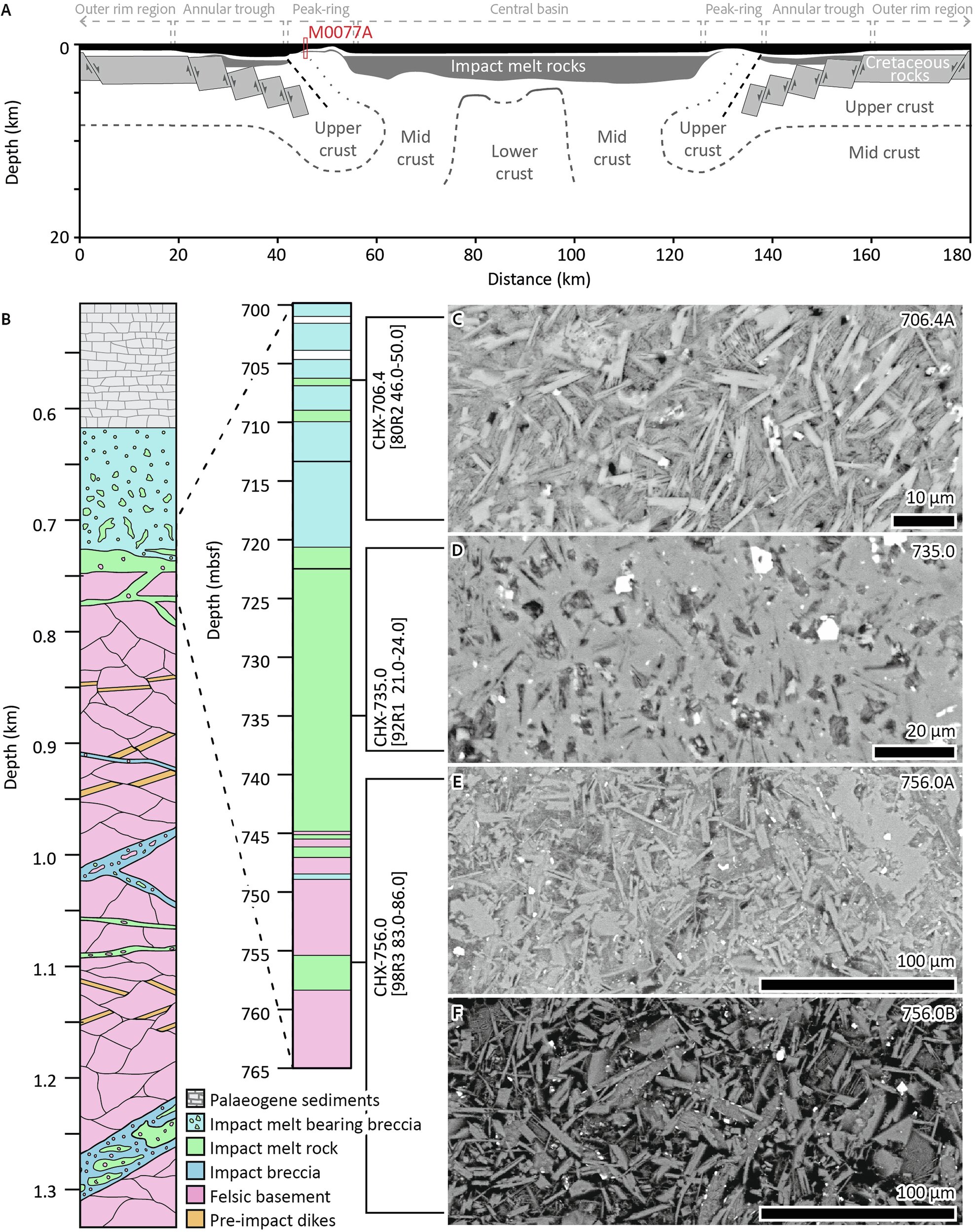
To reach these conclusions, the researchers modeled the early history of asteroid impacts on Earth. Their simulations showed that these powerful collisions fractured the planet's crust, creating porous underground pathways that allowed water to circulate through the upper layers of the crust.
The team used a sophisticated shock physics code that simulates how high speed impacts break apart solid rock and create permeable regions. This is the first comprehensive study to measure how asteroid impacts generated permeability, an important property that allowed fluids to move through the early Earth's crust.
"This modeling is both novel and crucial for understanding the earliest environments life may have emerged from," said SwRI's Amanda Alexander, first author of an AGU Advances article describing the research. "While often considered catastrophic in the context of dinosaur extinction, impact bombardment was also likely critical for creating environments for prebiotic chemistry."