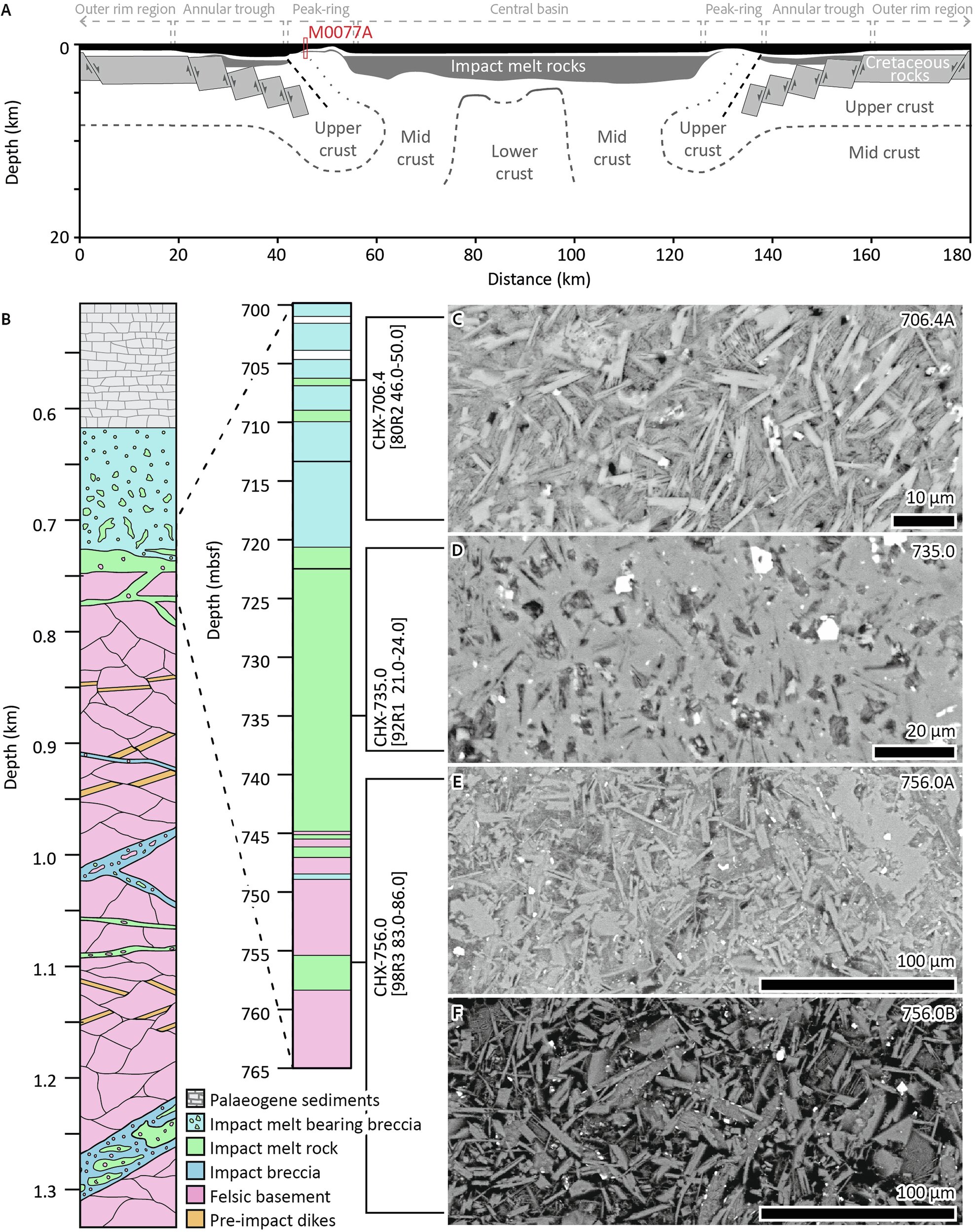
Geologic overview of Core M0077A and SEM images of impact melt rocks used in this study. Credit: Communications Earth & Environment (2026). DOI: 10.1038/s43247-026-03618-5
The asteroid that caused the extinction of the dinosaurs also created an underground environment suited to supporting new life, and new research suggests it lasted for millions of years longer than previously suspected.
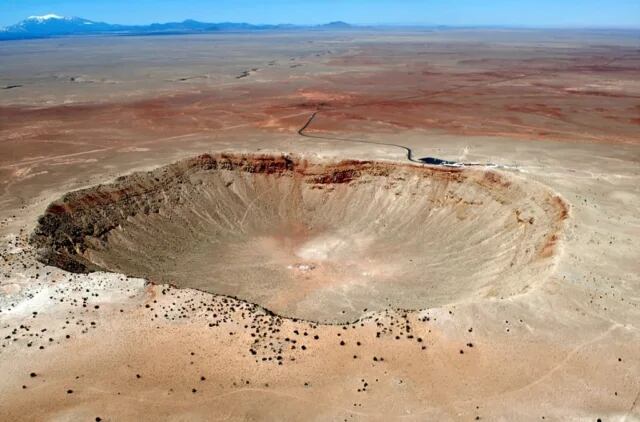
The finding has surprised the international team of researchers behind it, who came to their conclusions by pairing sophisticated new analysis of samples taken from the Chicxulub crater in Mexico with computer modeling of the geological effects of the asteroid impact that formed the crater 66 million years ago.
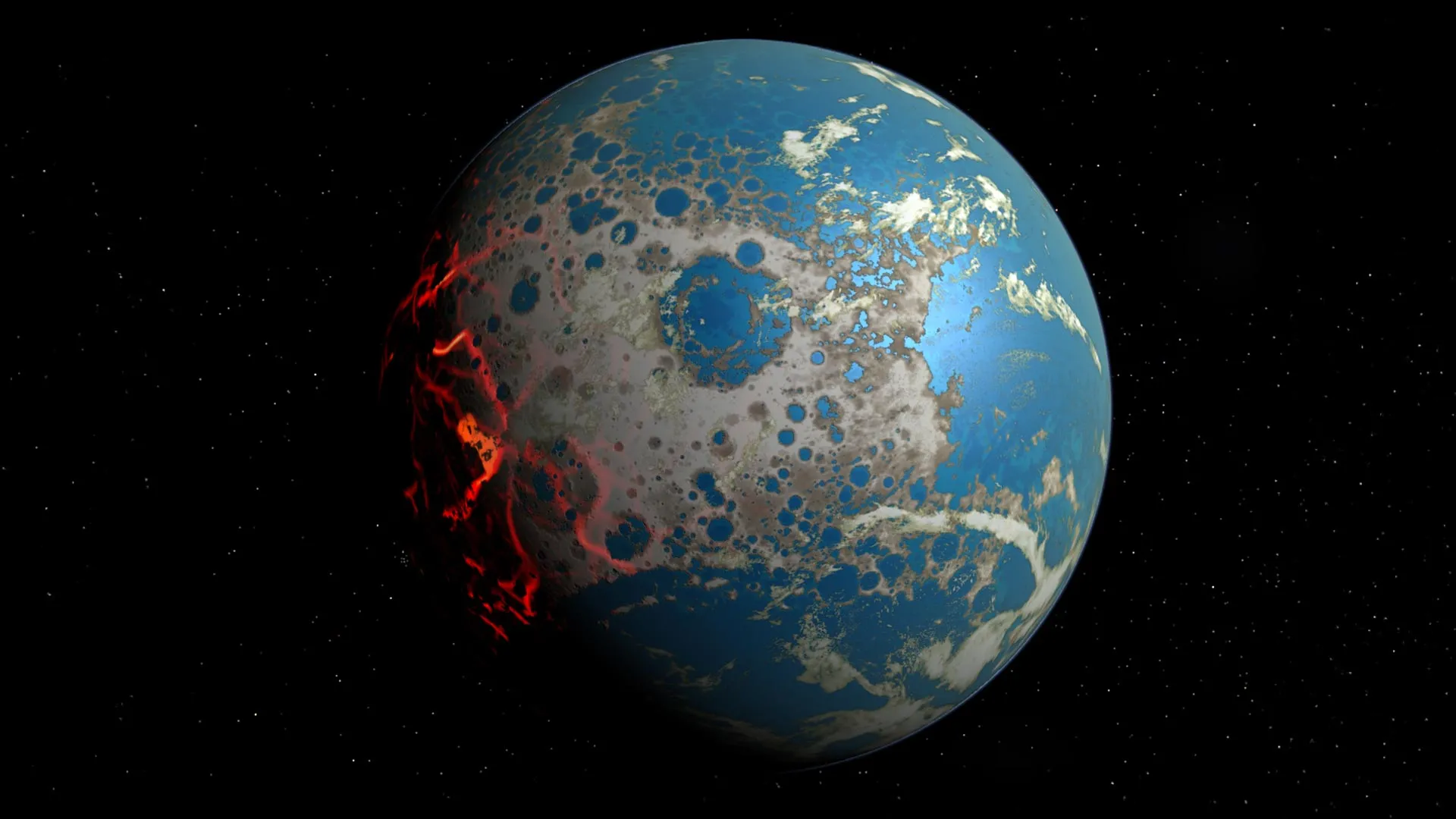
The research, published in the journal Communications Earth & Environment, casts new light on how life may have first been incubated in hydrothermal systems in the earliest chapters of Earth's history and could help direct the search for life on other planets.
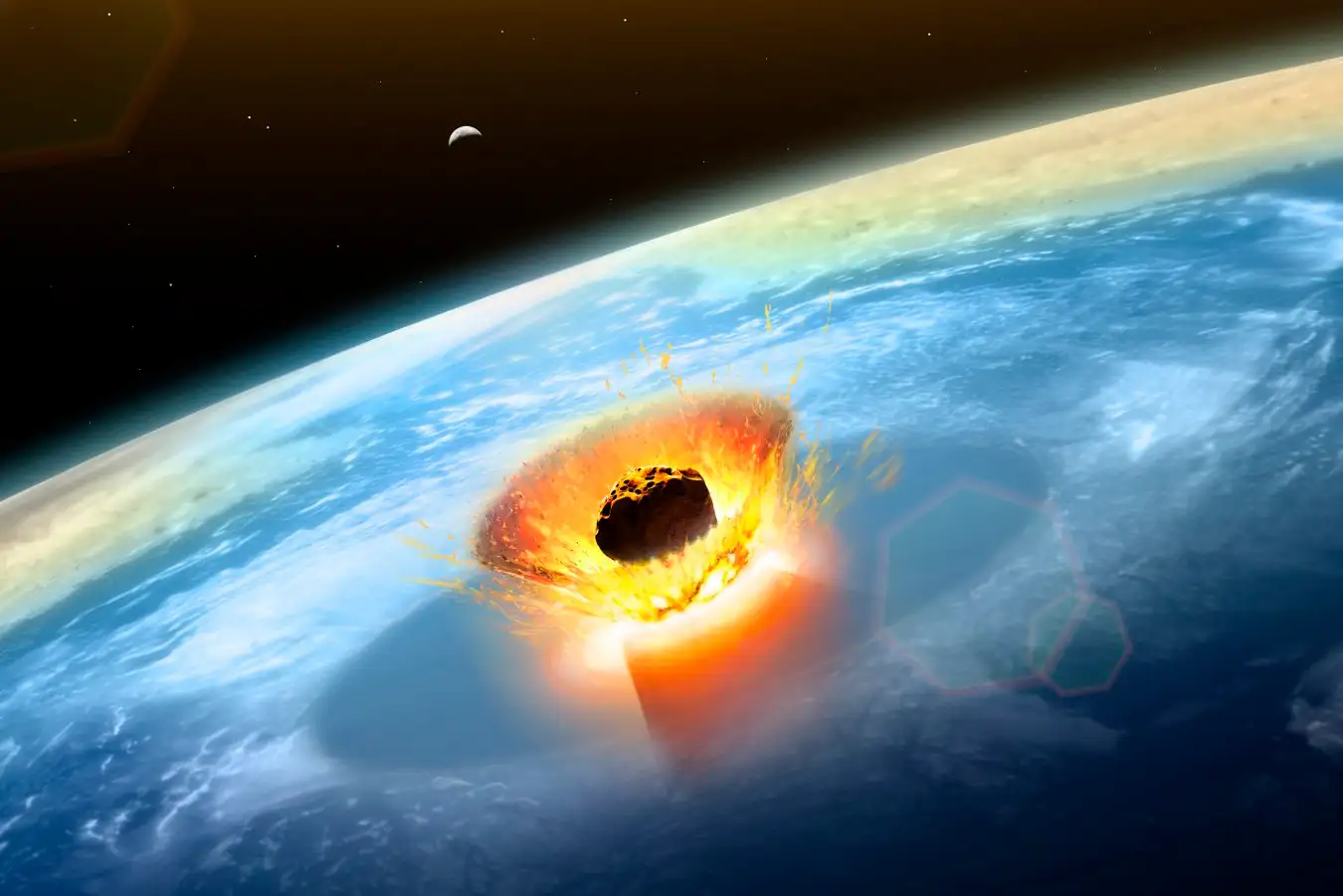
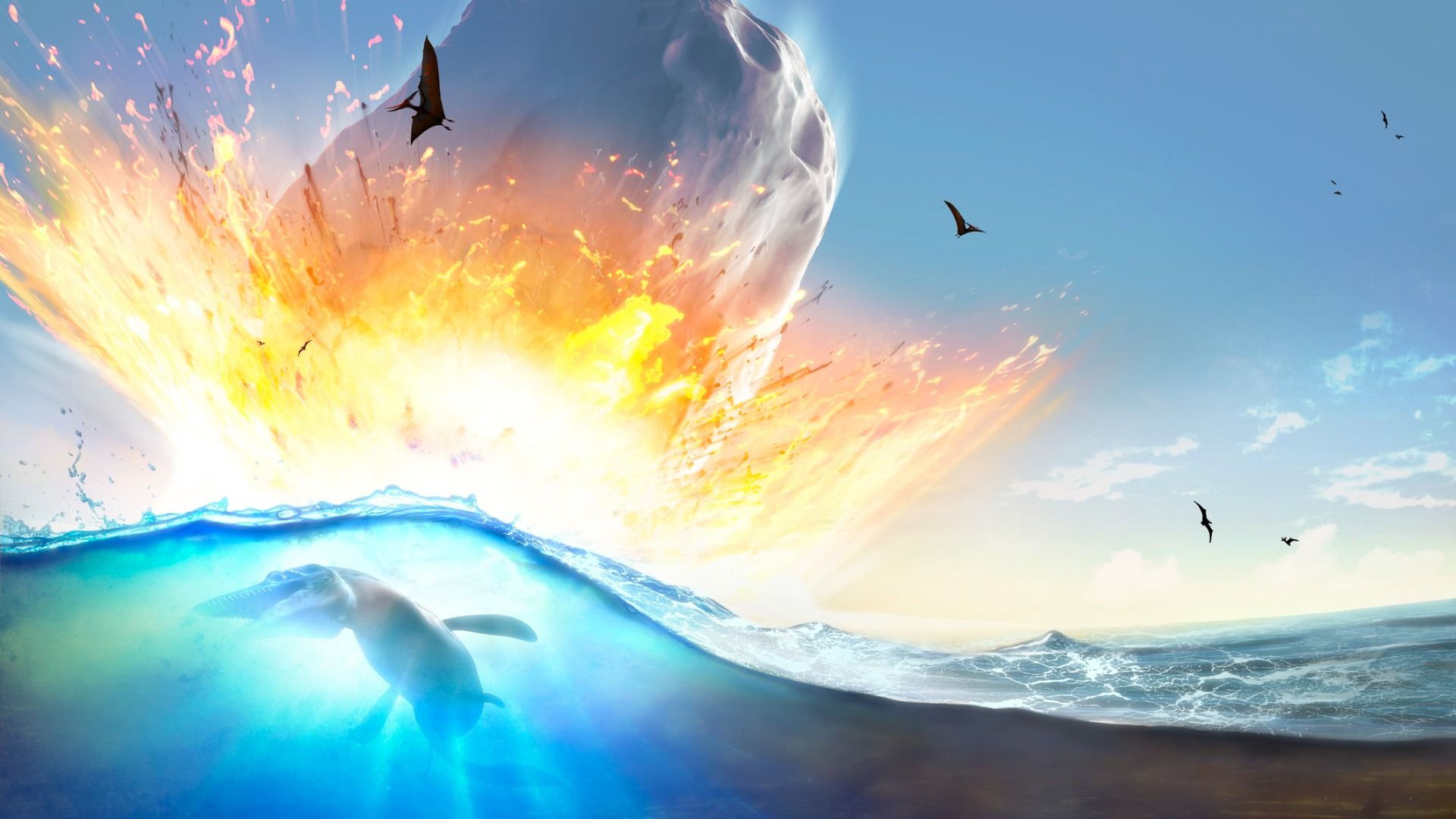
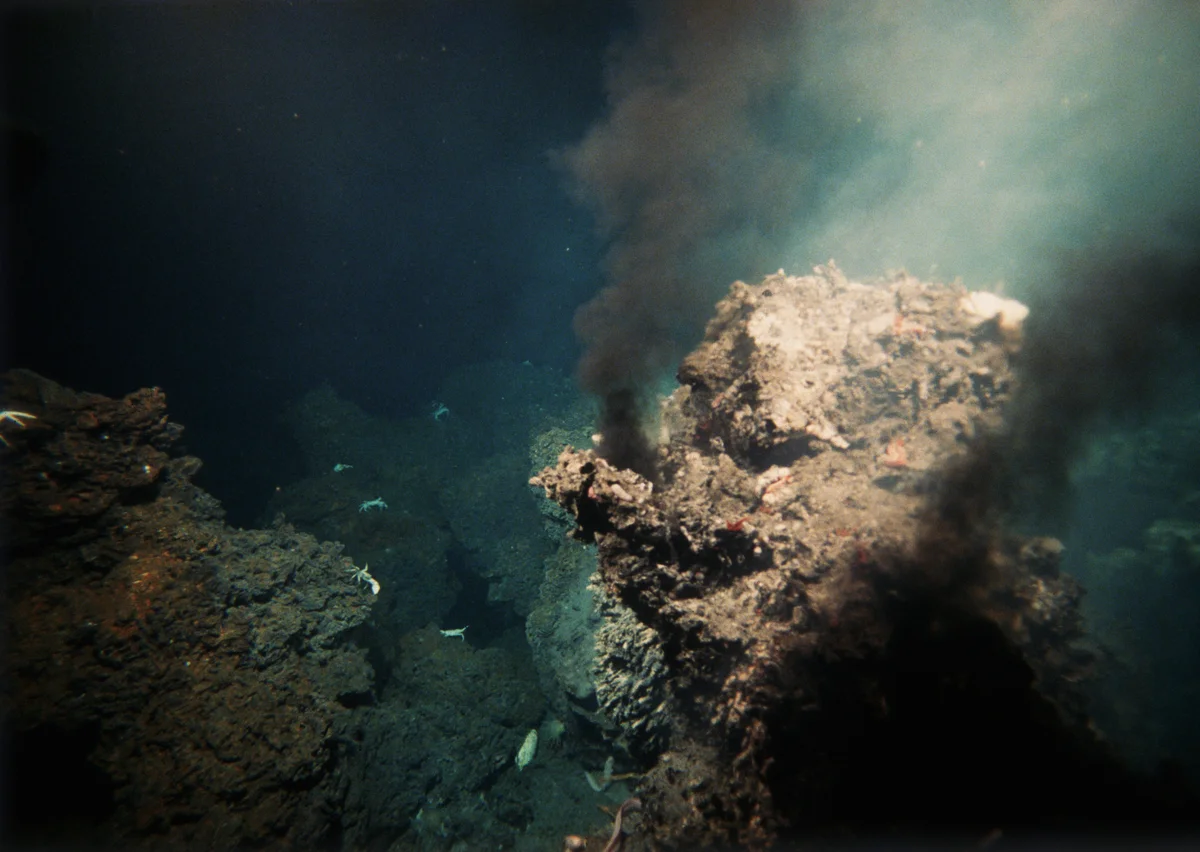
Despite the devastation the asteroid's impact caused on the surface, the immense heat brought together fractured rocks and hot water underground, creating a hydrothermal system beneath the crater. The researchers provide evidence that the system persisted for at least 8 million years, around four times longer than previous estimates, making it the longest-lived impact-generated hydrothermal system yet documented.