A team of researchers in South Korea has uncovered evidence that could shed new light on how Earth's atmosphere first became rich in oxygen, one of the most important turning points in the planet's history.
Scientists from the Korea Institute of Geoscience and Mineral Resources (KIGAM) discovered stromatolites, layered rock structures created by ancient microbial communities, inside the Hapcheon impact crater. The site is the only confirmed asteroid impact crater on the Korean Peninsula. Their findings were published in Communications Earth & Environment, a Nature Portfolio journal.
Asteroid Impacts May Have Created Habitats for Early Life
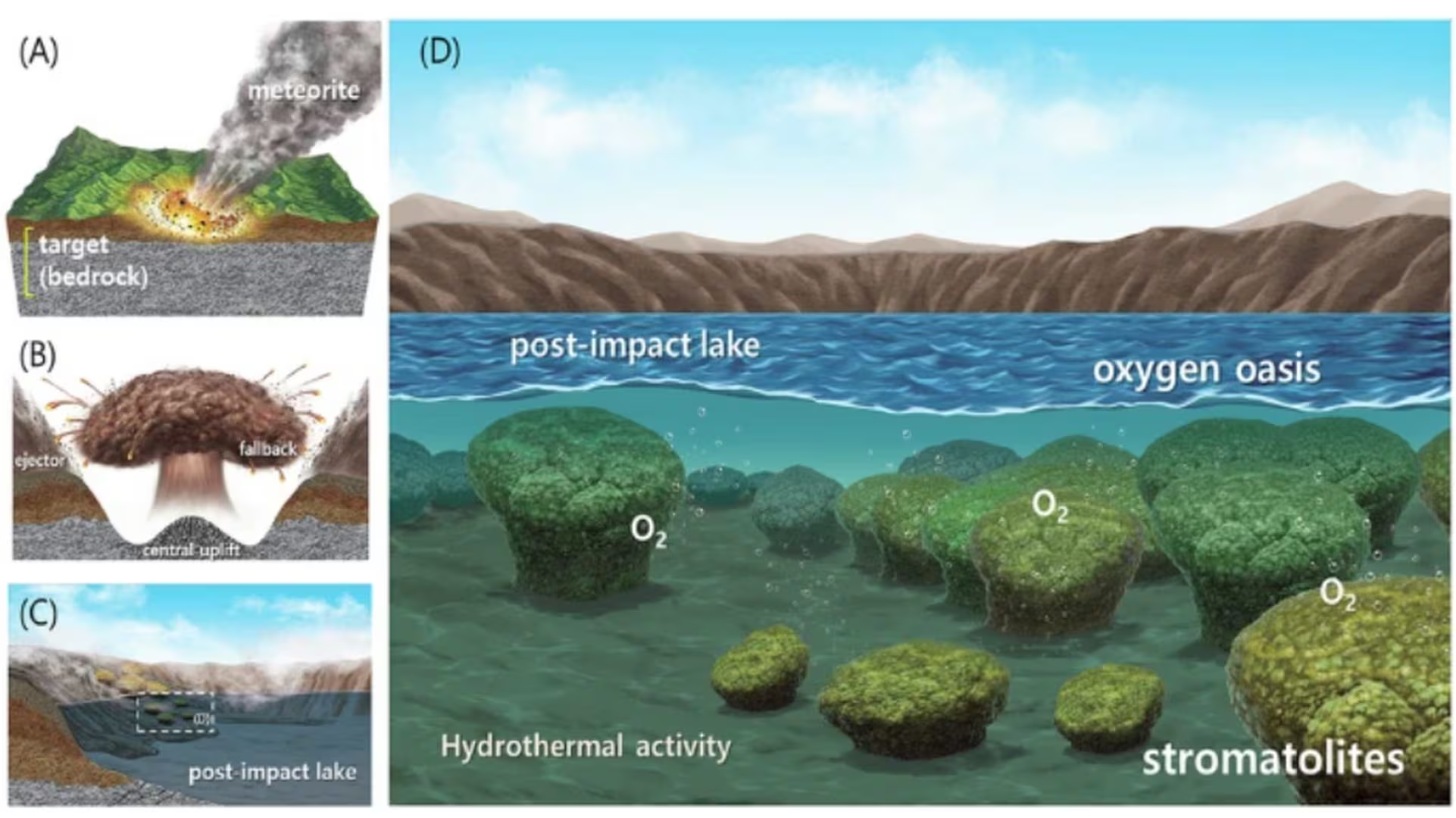
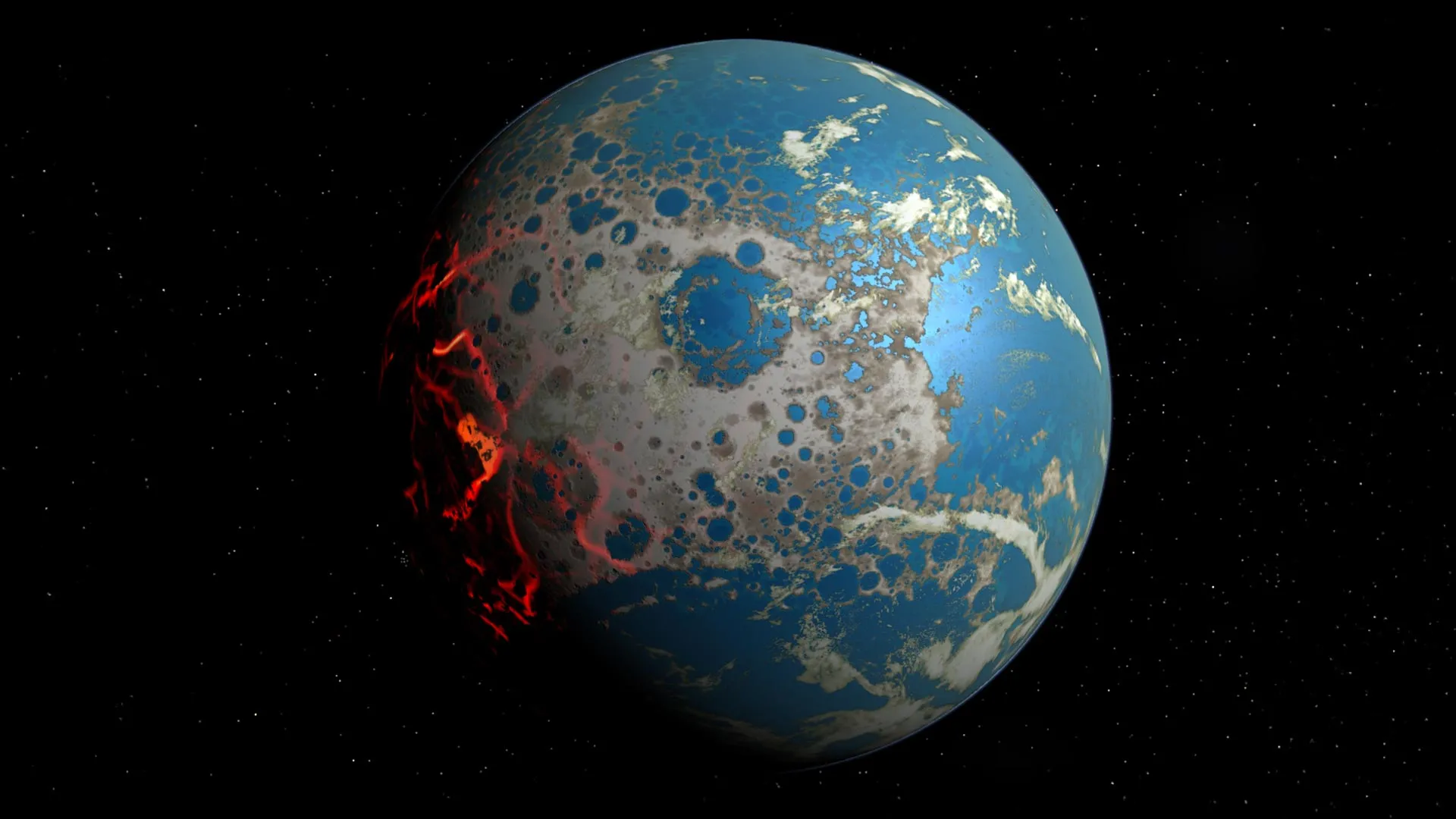
According to the researchers, the stromatolites likely formed in a hydrothermal lake that developed after an asteroid strike. The impact would have generated intense heat, melting surrounding rock and warming the water for long periods of time. Those warm, mineral rich conditions may have provided an ideal environment for ancient microbes to survive and grow.
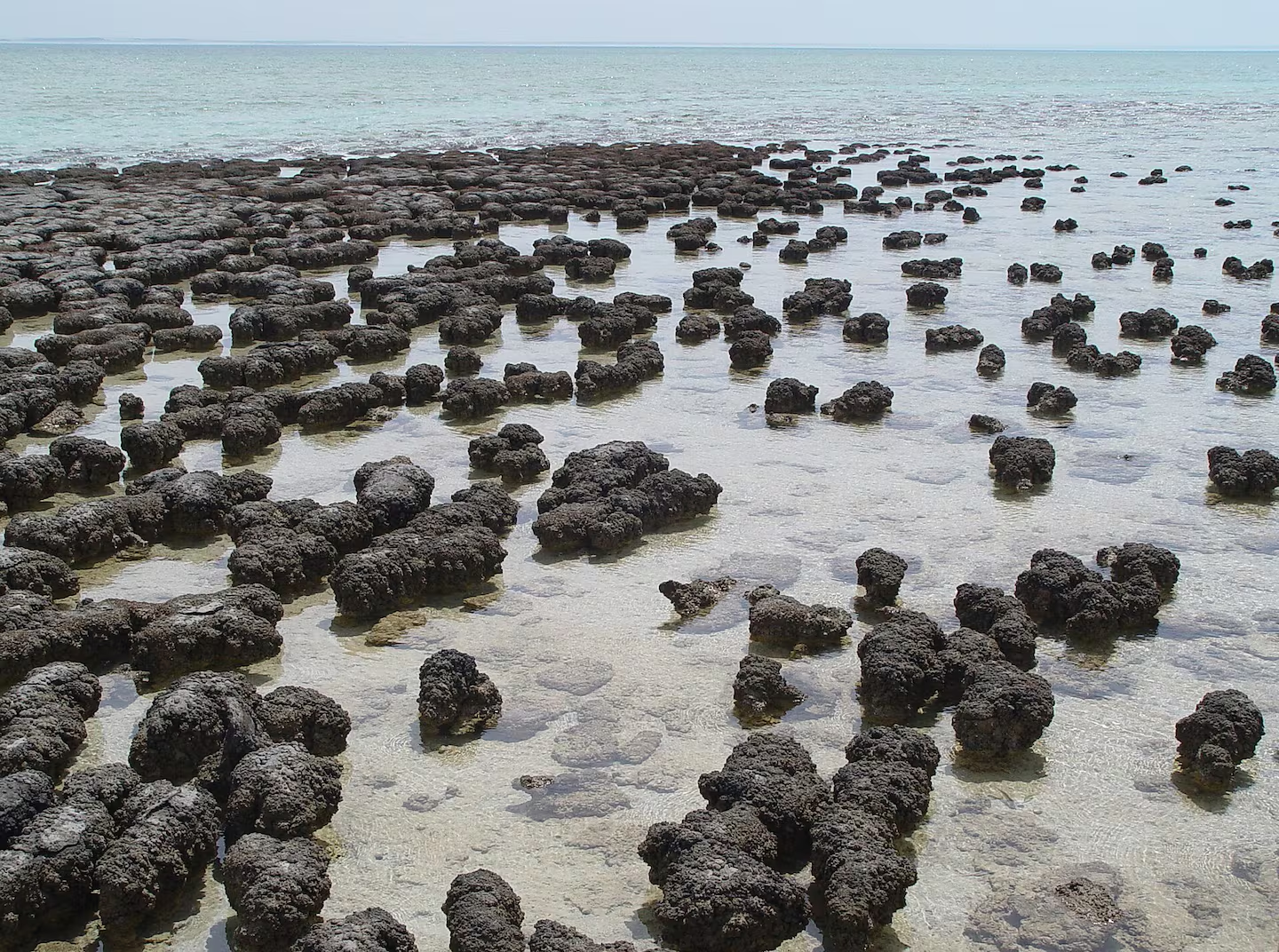
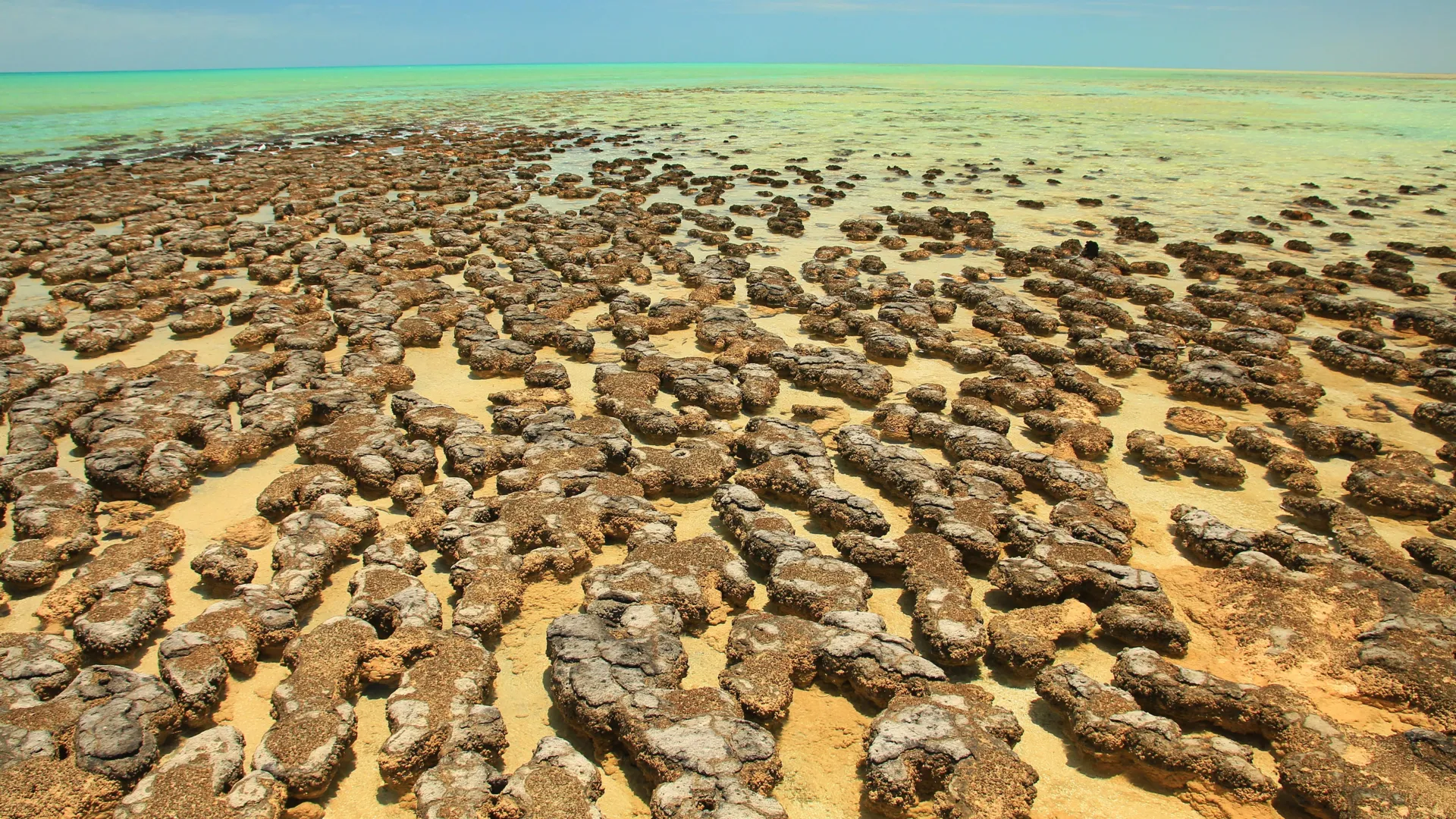
Stromatolites are considered some of the oldest known evidence of life on Earth. They are produced by microorganisms such as cyanobacteria, which release oxygen through photosynthesis. Fossils of stromatolites date back at least 3.5 billion years.