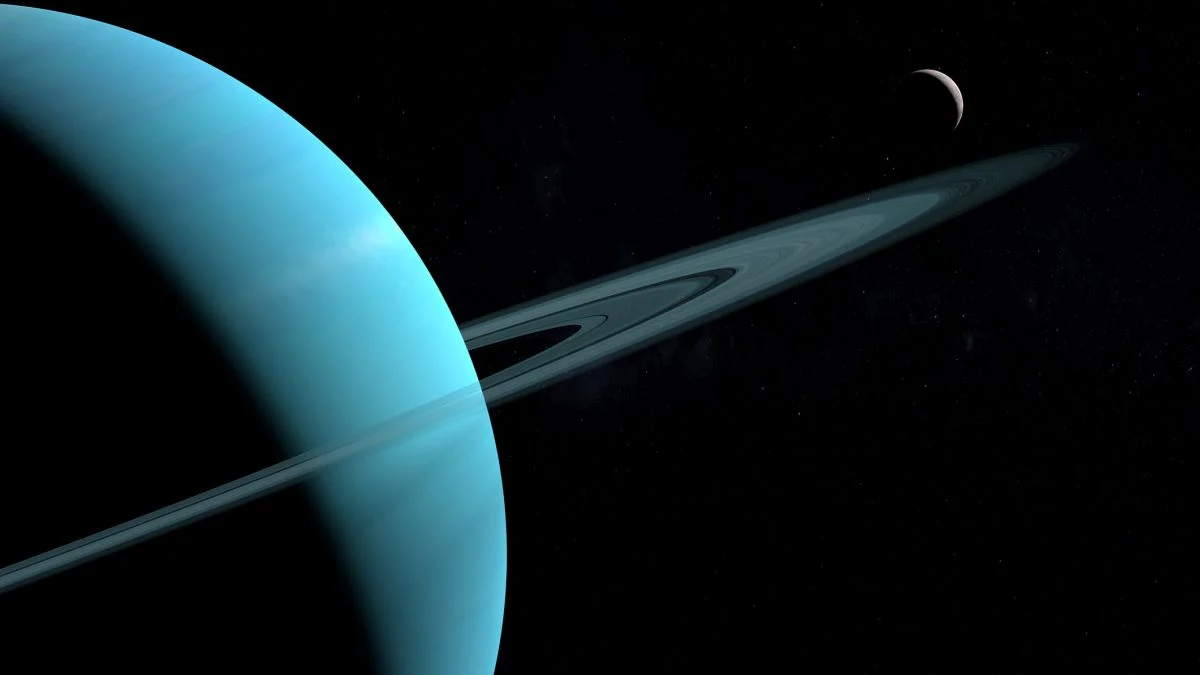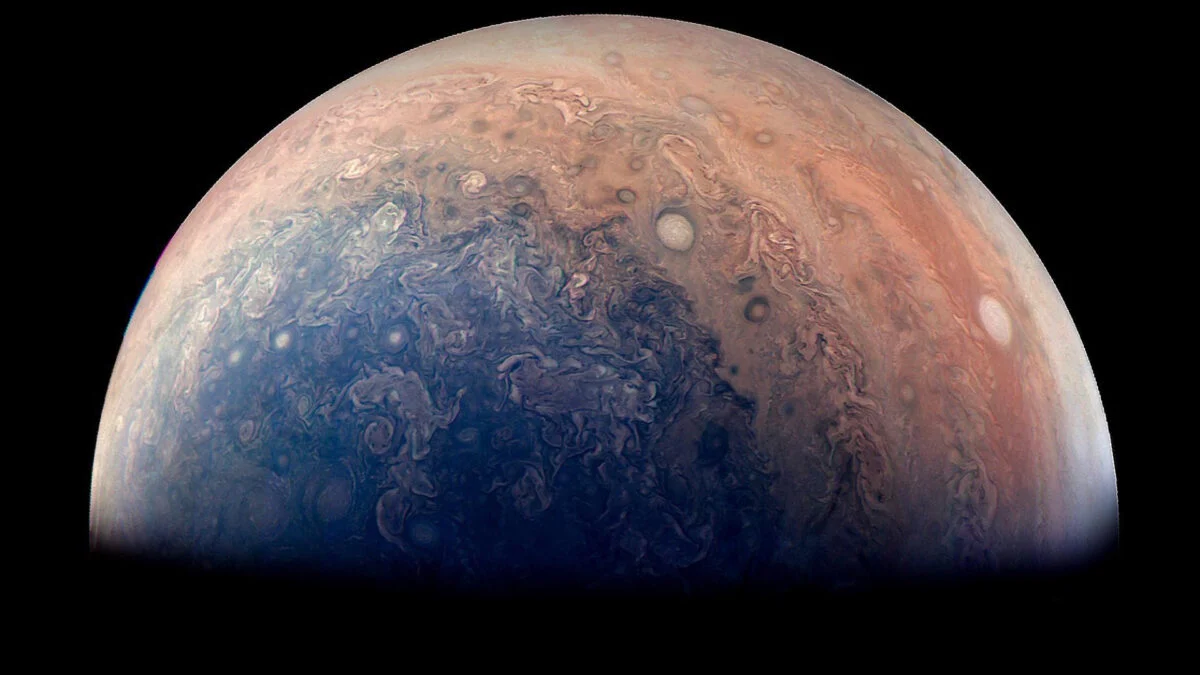
Our solar system has two ice giants, Uranus and Neptune, but there may have been a third. According to a new study published in the journal Icarus, this extra world might have triggered a violent planetary shuffling billions of years ago that could have disrupted some of Jupiter's and Uranus's moons and possibly led to the formation of others.
Near misses
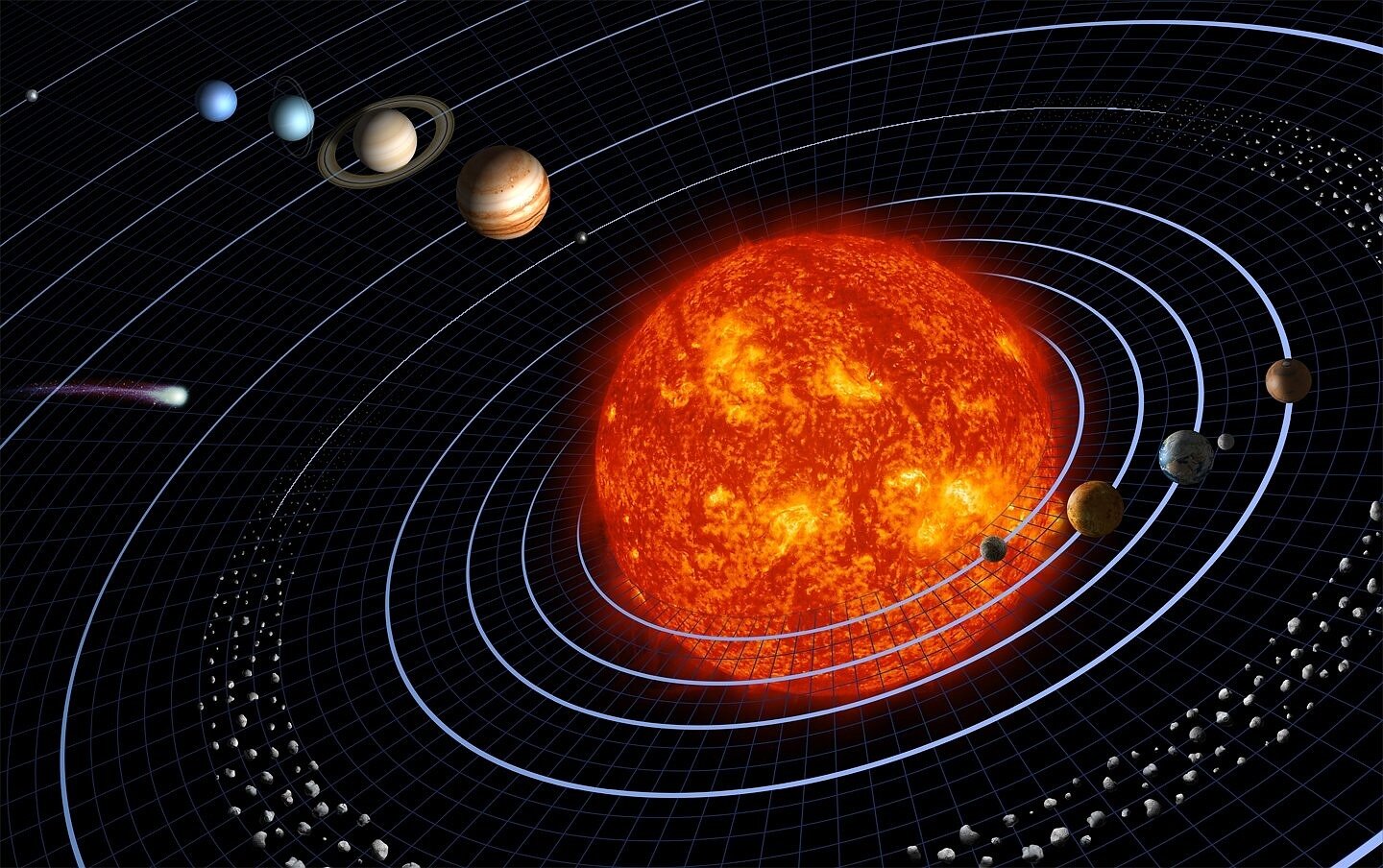
Shortly after the planets formed between 4 billion and 4.5 billion years ago, the outer solar system experienced a period of extreme chaos known as the Nice Model instability. During this era, the orbits of Jupiter, Saturn, Uranus, and Neptune shifted dramatically, becoming highly unstable.
Close encounters were common, with the giant planets coming incredibly near one another and pulling each other with powerful gravitational forces. This chaotic movement eventually resulted in the planets settling into their current positions. But scientists have long wondered how their regular moons survived this violent shakeup.
To get a handle on what was happening, particularly to the moons of gas giant Jupiter and ice giant Uranus, a team of researchers analyzed 122 computer simulations of the early solar system. They were chosen out of thousands of options because they reproduced key features of the modern outer solar system.