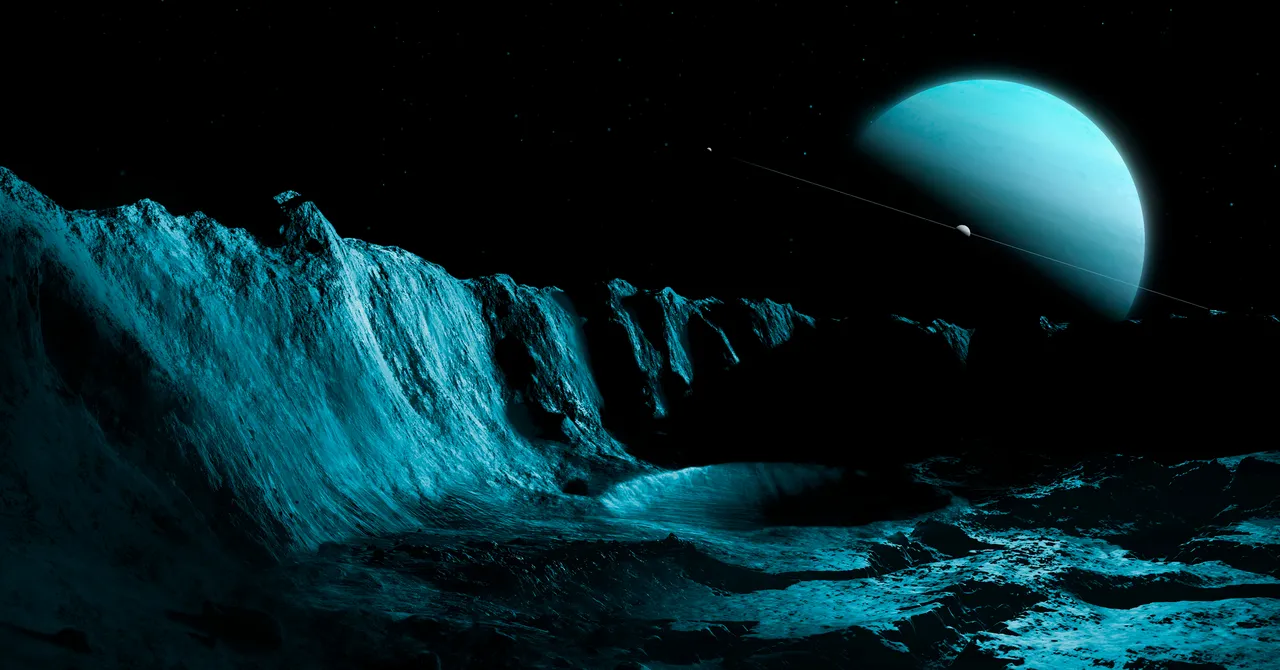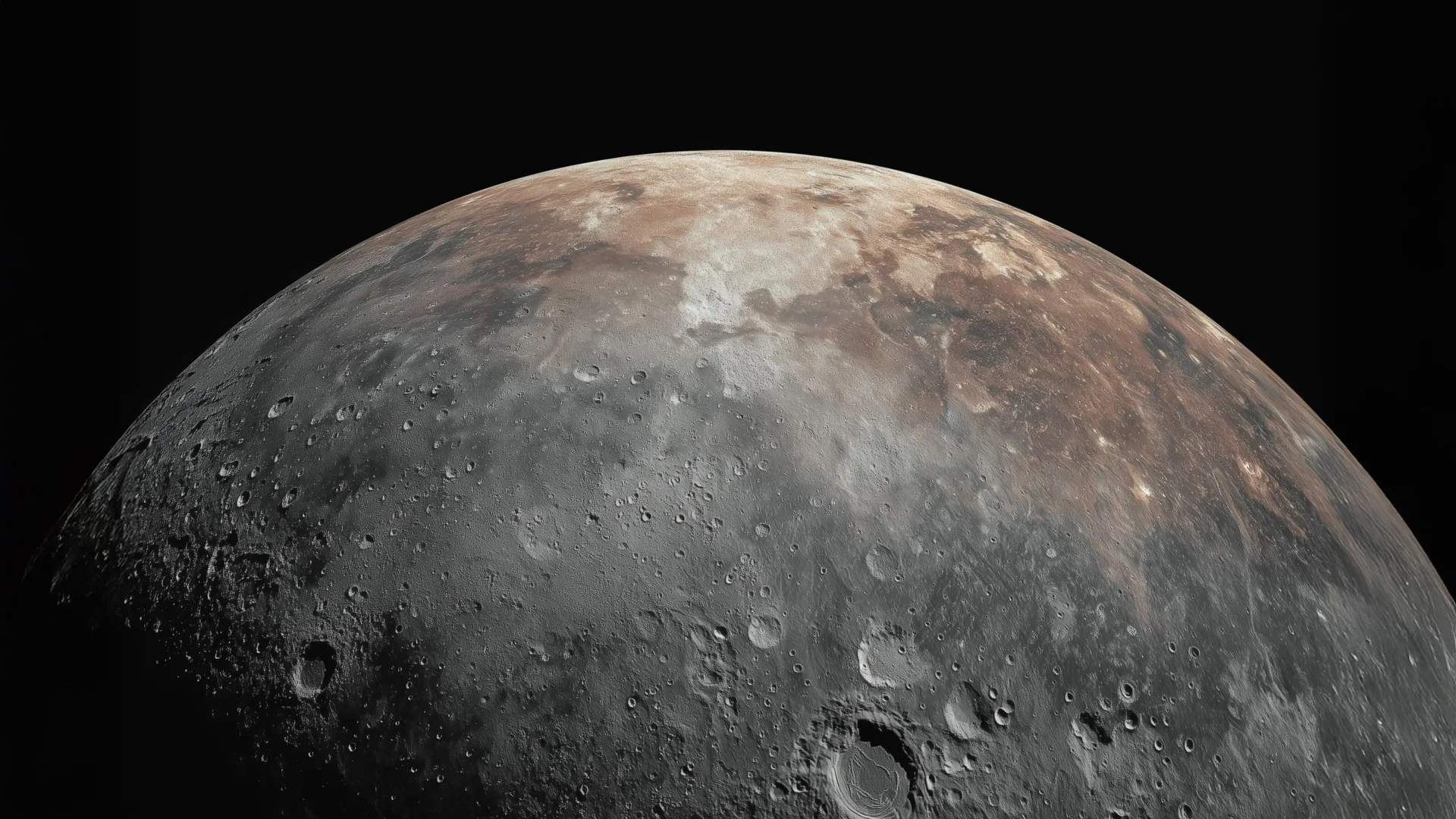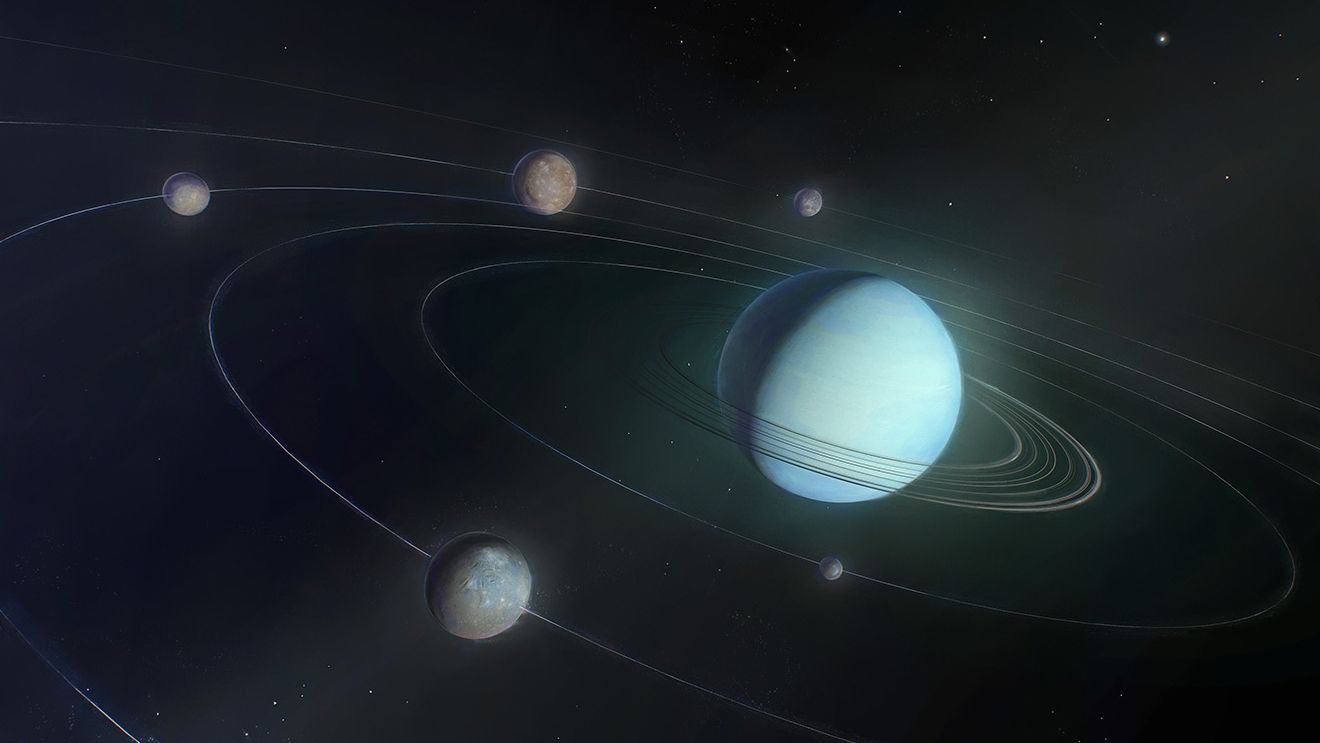
An illustration of Uranus and its five largest moons, Miranda, Ariel, Umbriel, Titania and Oberon. In an alternate timeline, Uranus without any moon friends.
(Image credit: NASA/Johns Hopkins APL/Mike Yakovlev)
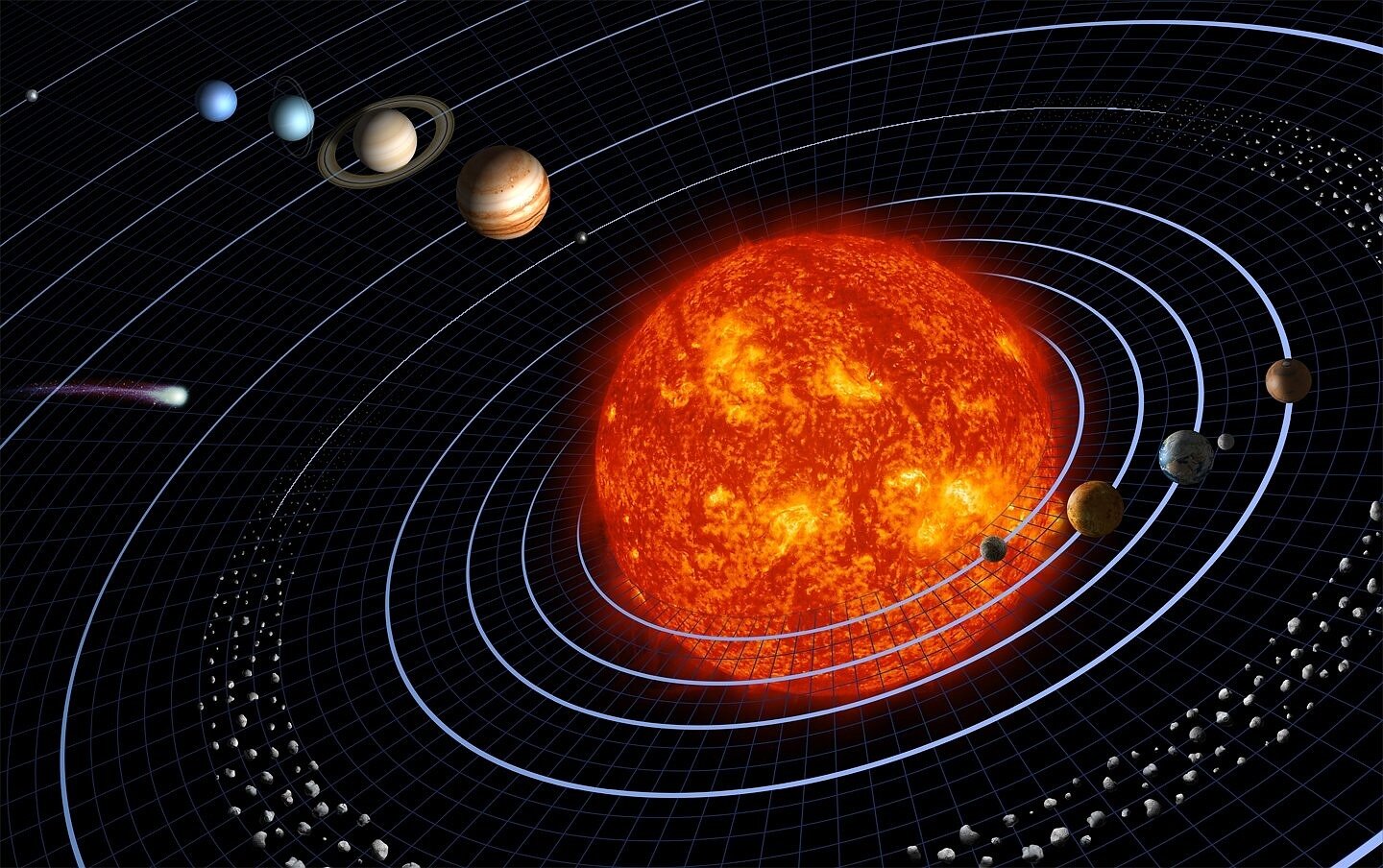
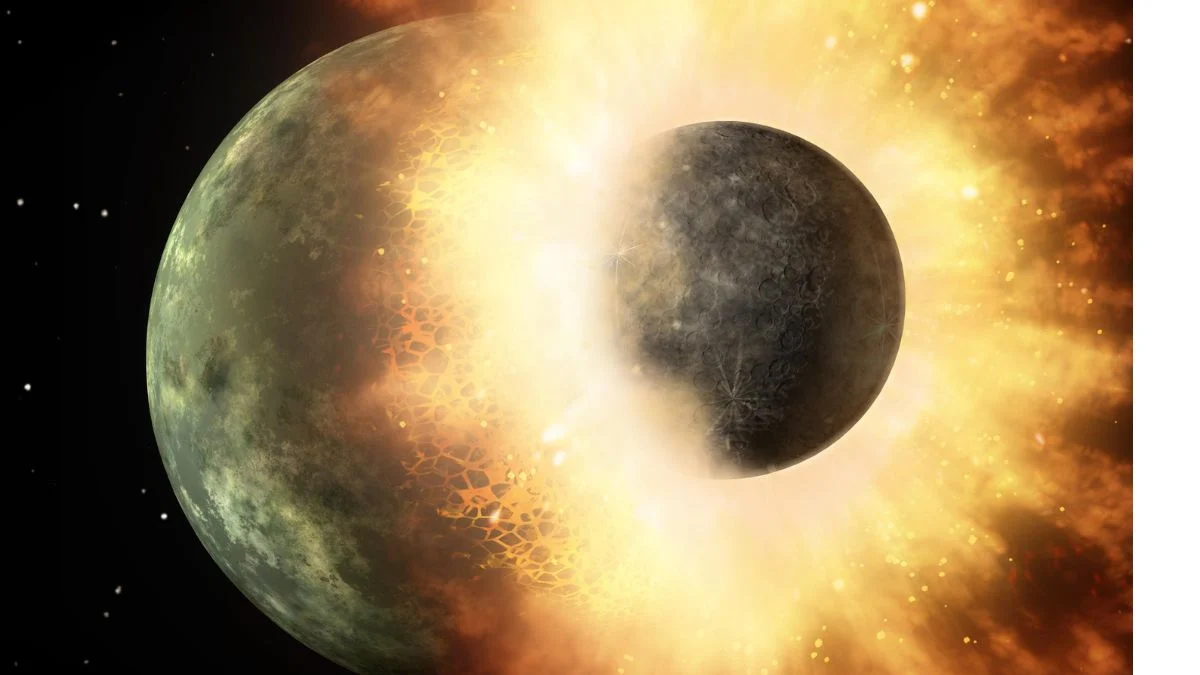
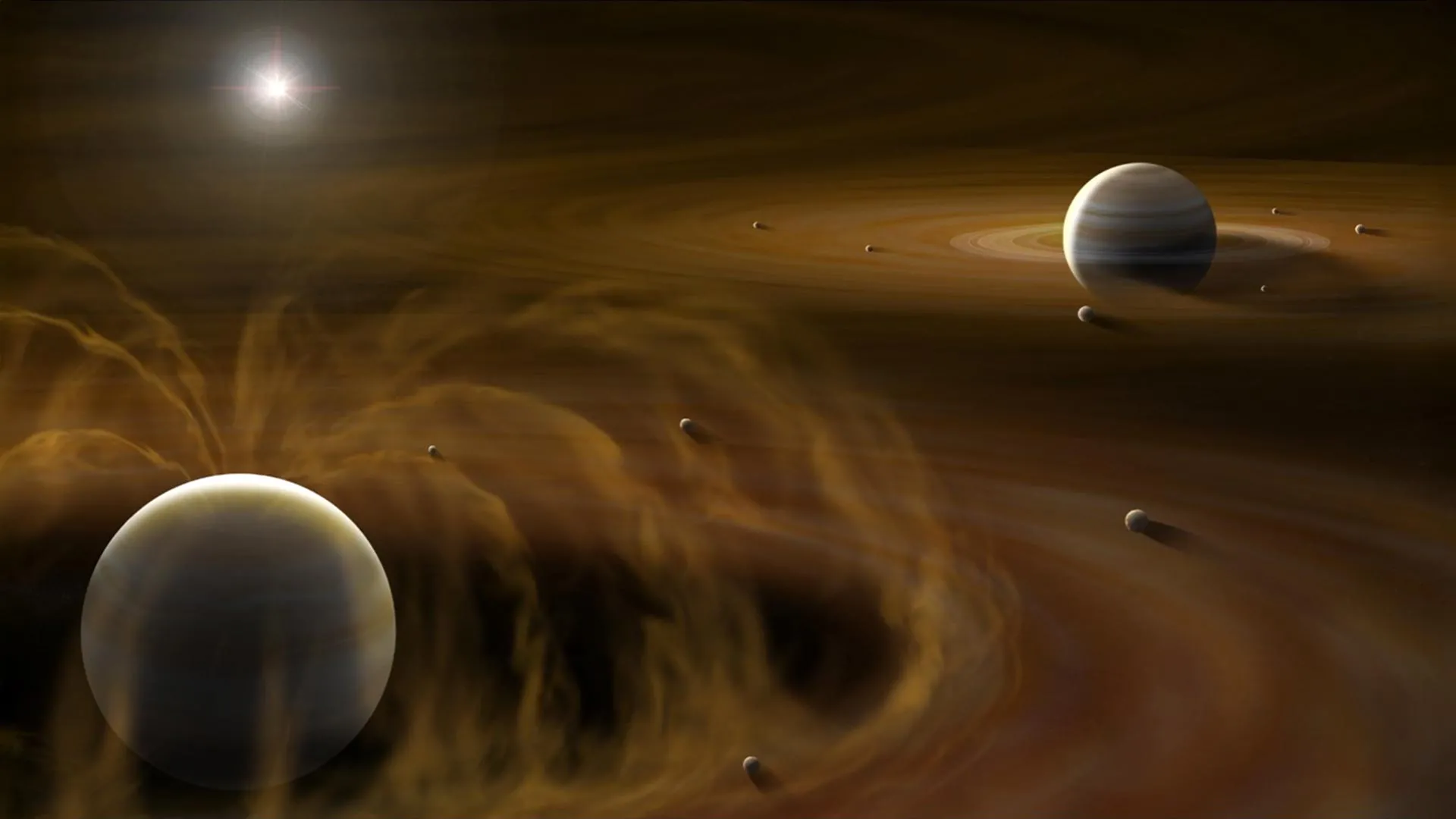
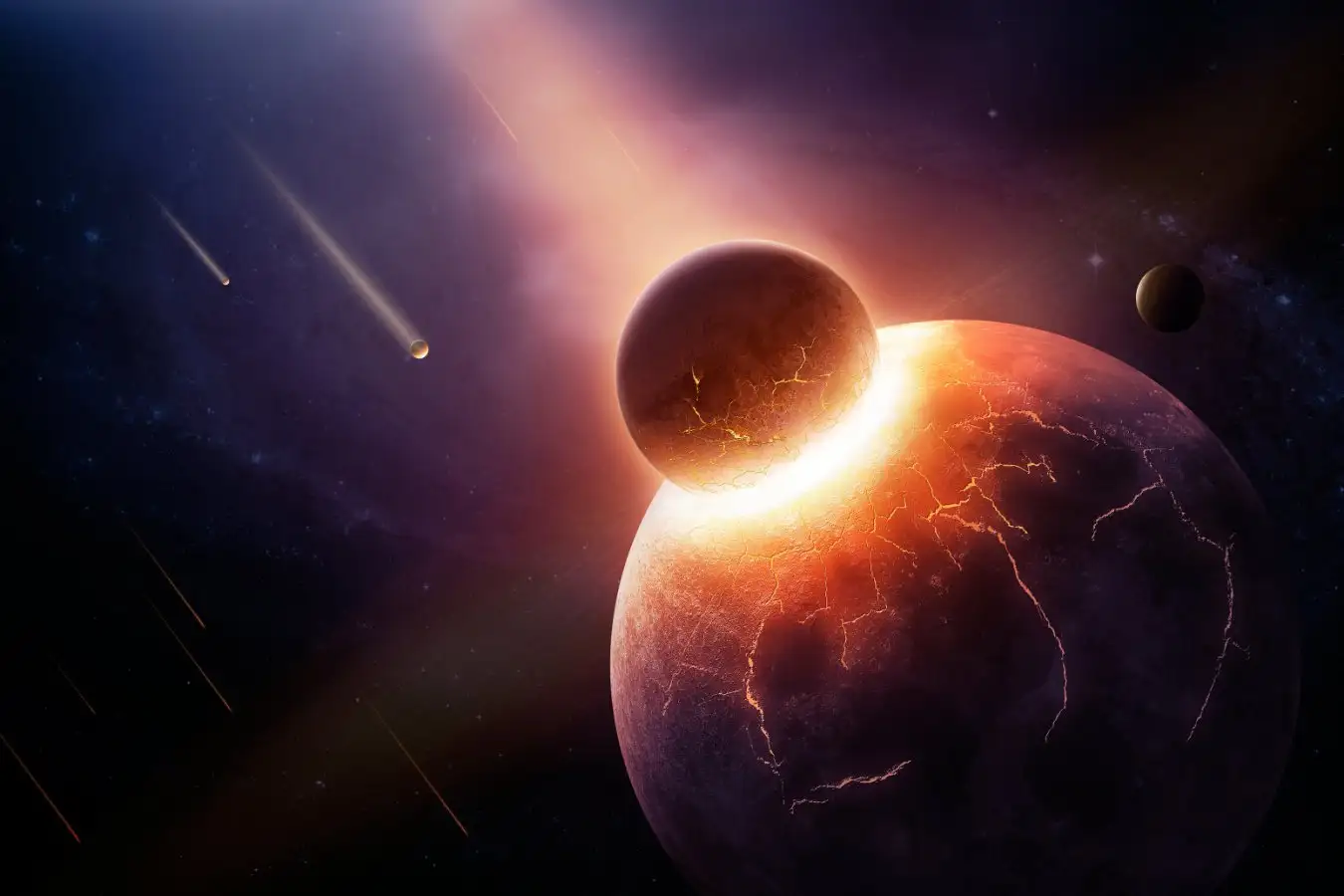
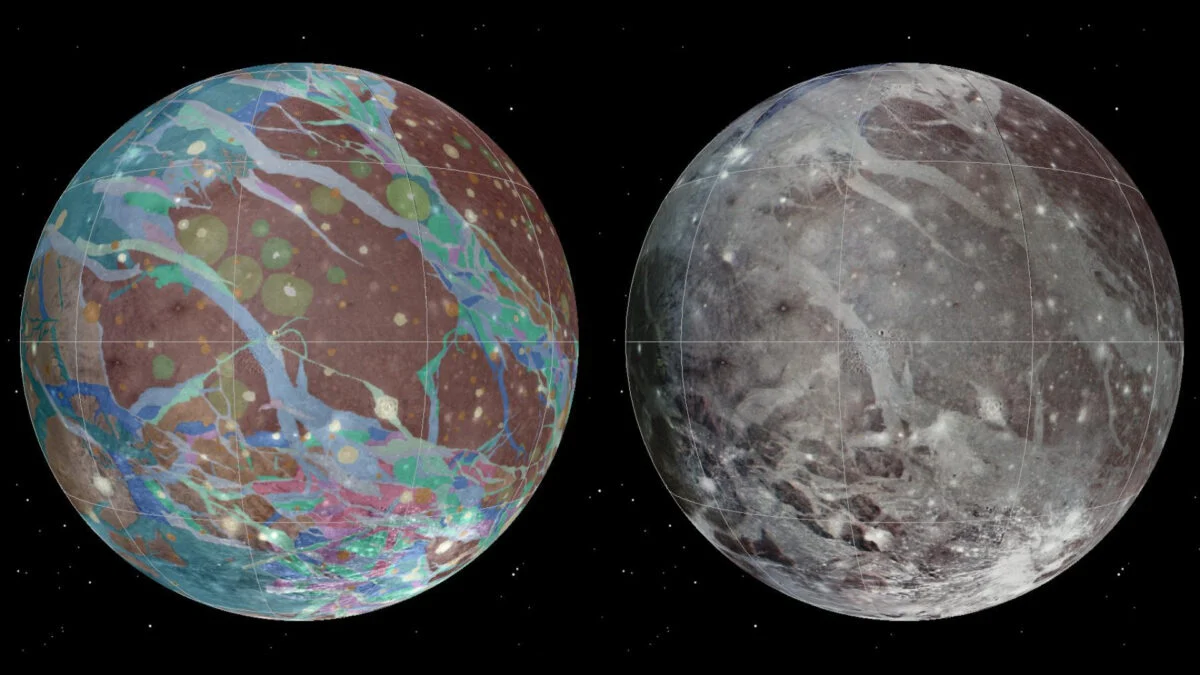
For years, astronomers have suspected that our solar system may have lost at least one world at some point in its 4.5-billion-year history. And now, new research suggests the moons of Jupiter and Uranus may indeed hint that our planetary neighborhood once had a third ice giant.Evidence has shown that between 3 billion and 4 billion years ago, the solar system's largest planets likely orbited much closer to the sun (and to each other) than they do today. It's also suggested that our four giant planets — Jupiter, Uranus, Saturn and Neptune — gradually shifted into their current orbits due to a series of interactions with one another's gravity.With this in mind, researchers ran some simulations to explore how all that jostling for position might have affected the moons of Jupiter and Uranus in particular — and the results suggest that these two planets' moons only survived that tumultuous time because of a giant planet that didn't.Potential histories of the solar systemClement and his colleagues ran computer simulations of 122 possible versions of the early outer solar system, using different starting combinations of planets and different scenarios for the worlds' migration patterns. They ran each simulated version of the solar system's history several times, taking note of which versions were more likely to produce something that looks like the outer solar system as we know it today. In particular, the researchers were interested in the moons of gas giant Jupiter and ice giant Uranus."Planetary encounters, and the [changes in orbit] that result from them, are thought to have played a key role in sculpting many small body populations throughout the solar system," wrote Clement and his colleagues in their recent paper.Other teams of astronomers have looked for clues about the movements of giant planets in the orbits of asteroids and other small objects, studying them like footprints to reconstruct how they might have been pushed or pulled into their current orbits by the gravity of giant planets on the move. The moons of Jupiter and Uranus offer an especially good set of clues, because it's likely that they've been more-or-less in their current orbits around their planets for most of our solar system's history. Jupiter's moons are in a chain of orbital resonances that could only have formed by the moons tugging gently on each other in passing over a long period of time, and crater records also suggest that Jupiter's moons are very, very old.