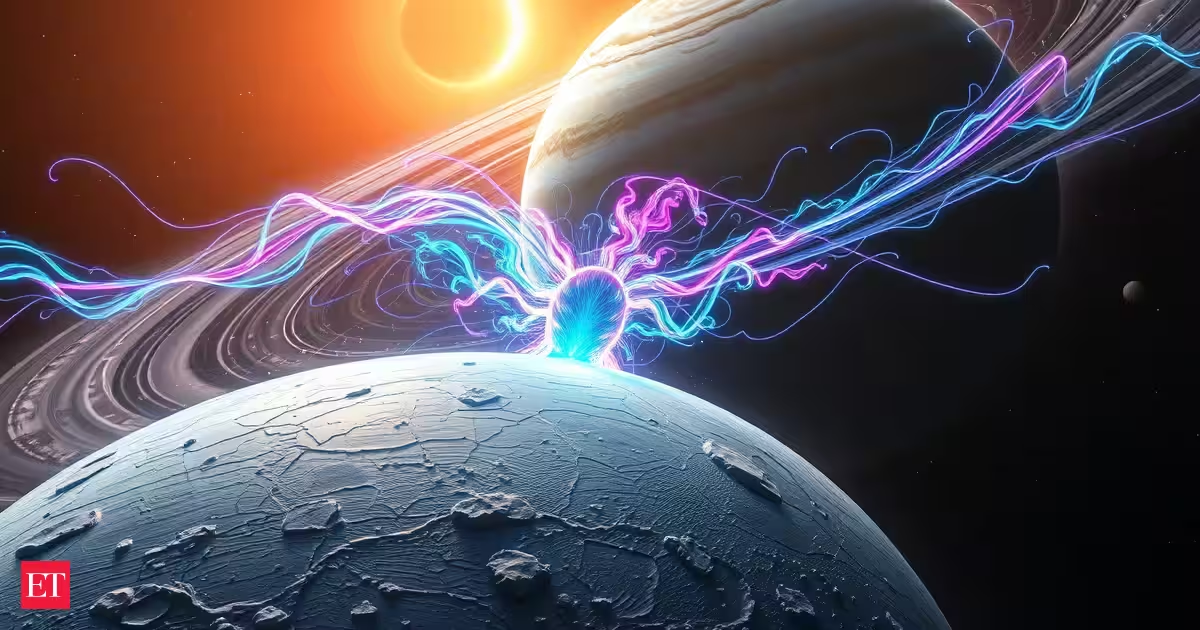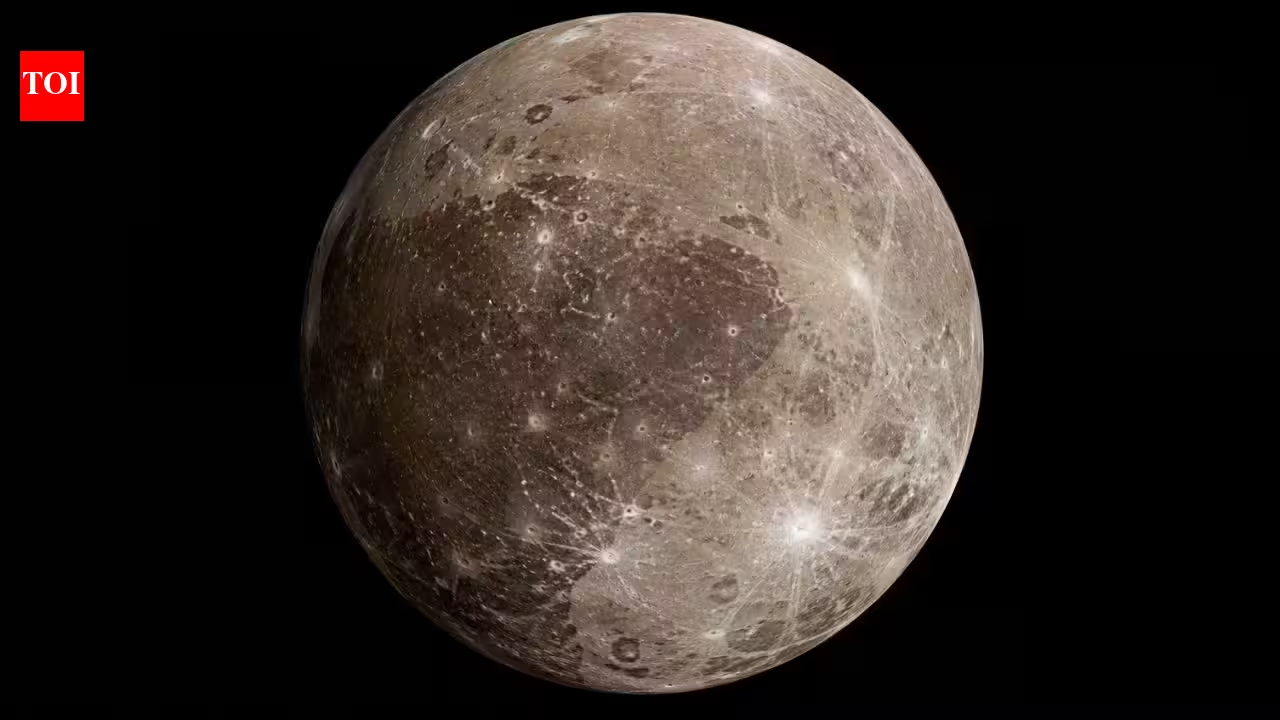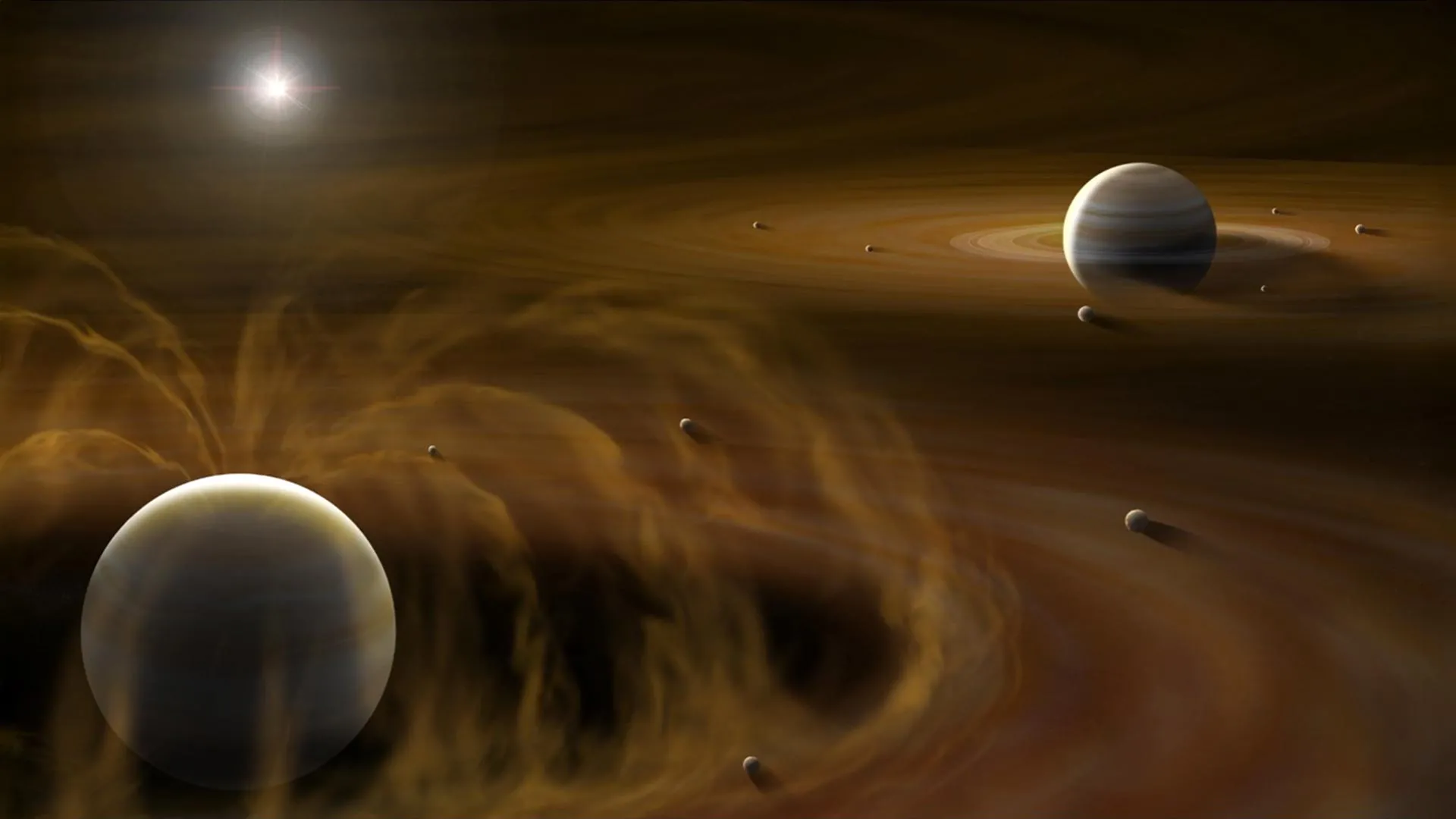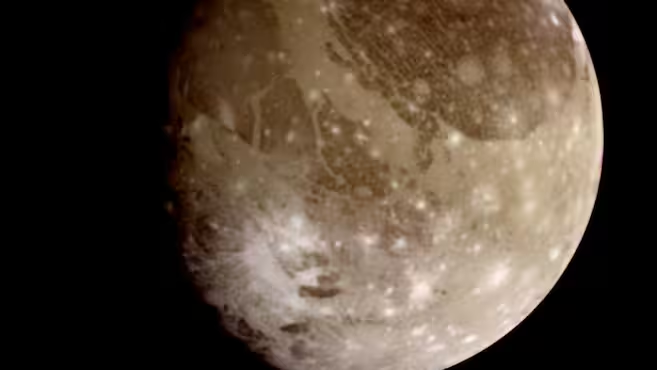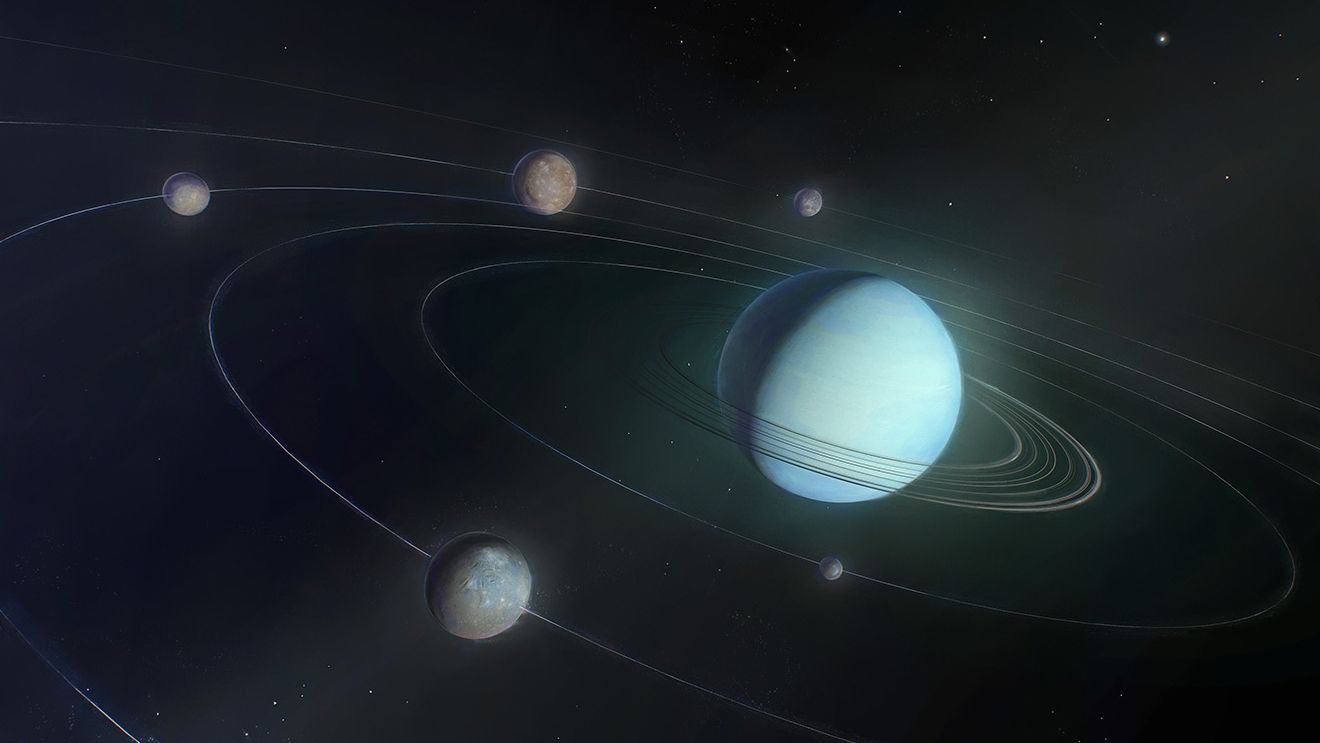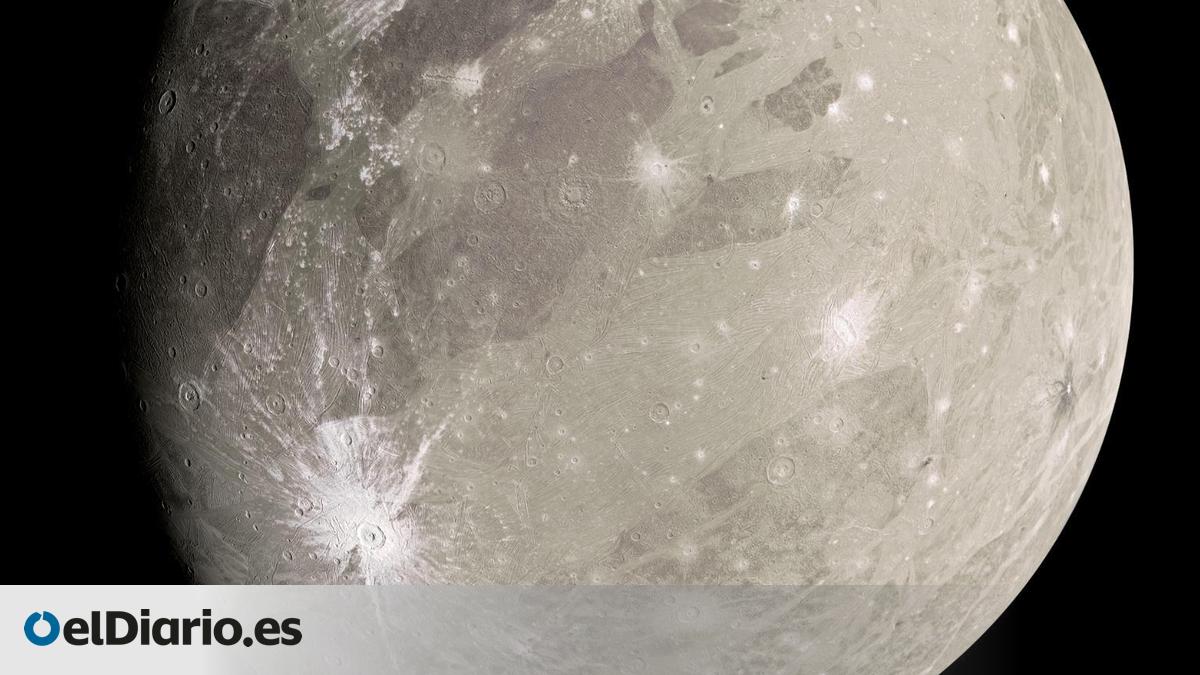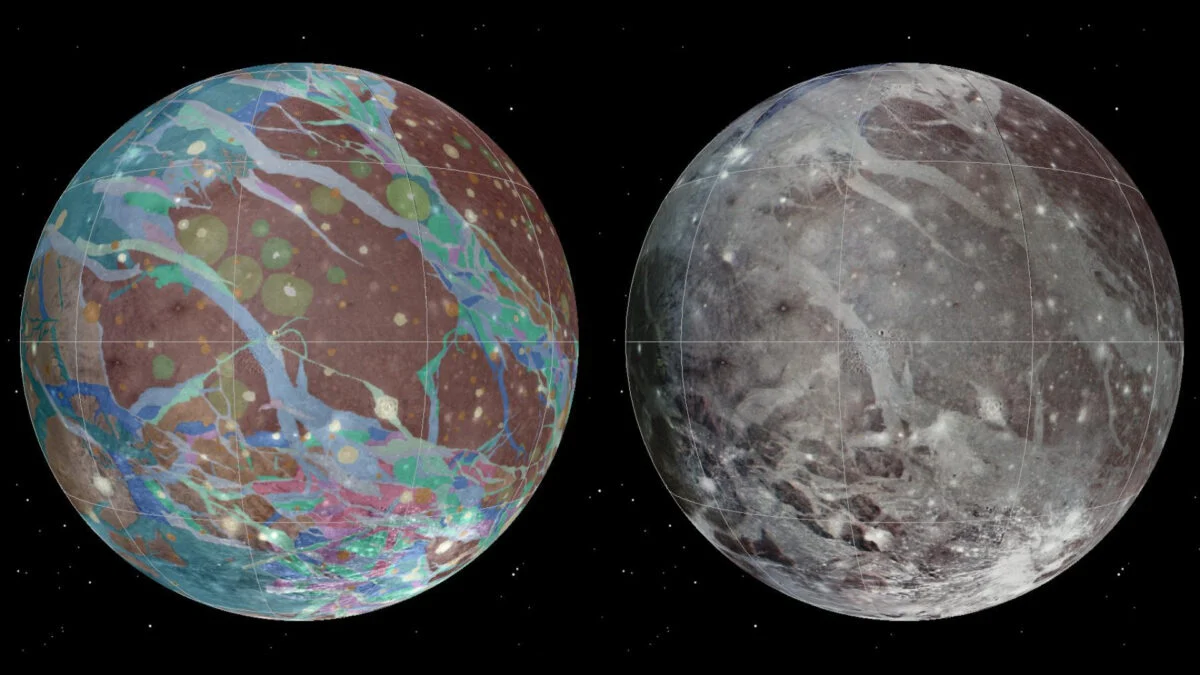
Jupiter, the biggest planet in our solar system, also hosts some of the biggest moons. That includes Ganymede, which happens to be the only moon known to generate its own magnetic field. After much speculation about why, one team believes it finally has the answer. Recent research published in Science Advances suggests that Ganymede’s metallic core is still forming today, and this very process is what generates the moon’s magnetic field. These conclusions are at odds with the conventional understanding that Ganymede’s core formed about 4.5 billion years ago, at nearly the same time that the moon emerged. While the study doesn’t completely reject previous theories, it does raise critical questions surrounding Ganymede’s dynamo, or the source of its magnetic field. “Dynamos are one of the few ways we can understand what’s happening deep in a body’s interior with spacecraft data,” Kevin Trinh, the study’s first author and a planetary scientist at the California Institute of Technology (Caltech), said in a statement. “Callisto, for example, is similar in size and density [to Ganymede], but it has no obvious evidence of a dynamo. Why are they so different?”
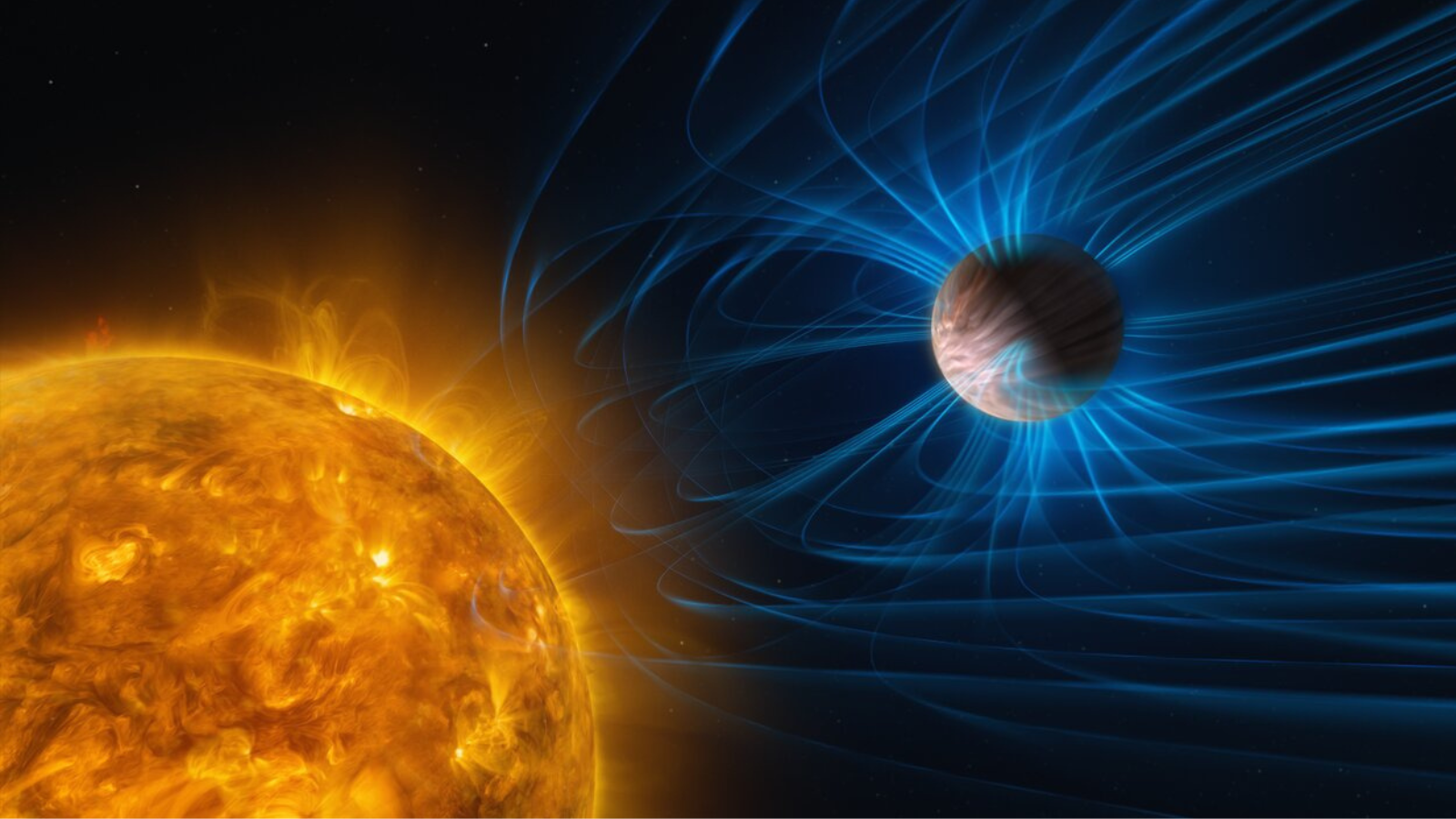
The buzzy enclosure Aside from its sheer size, Ganymede is also among the icy solar system moons that scientists are closely tracking for signs of water beneath their frozen shells. But unlike Europa, Enceladus, and the like, Ganymede has its own magnetosphere—the region surrounding a cosmic body dominated by its magnetic field—which the Galileo spacecraft initially spotted in 1996.