Shutterstock/Johan Swanepoel
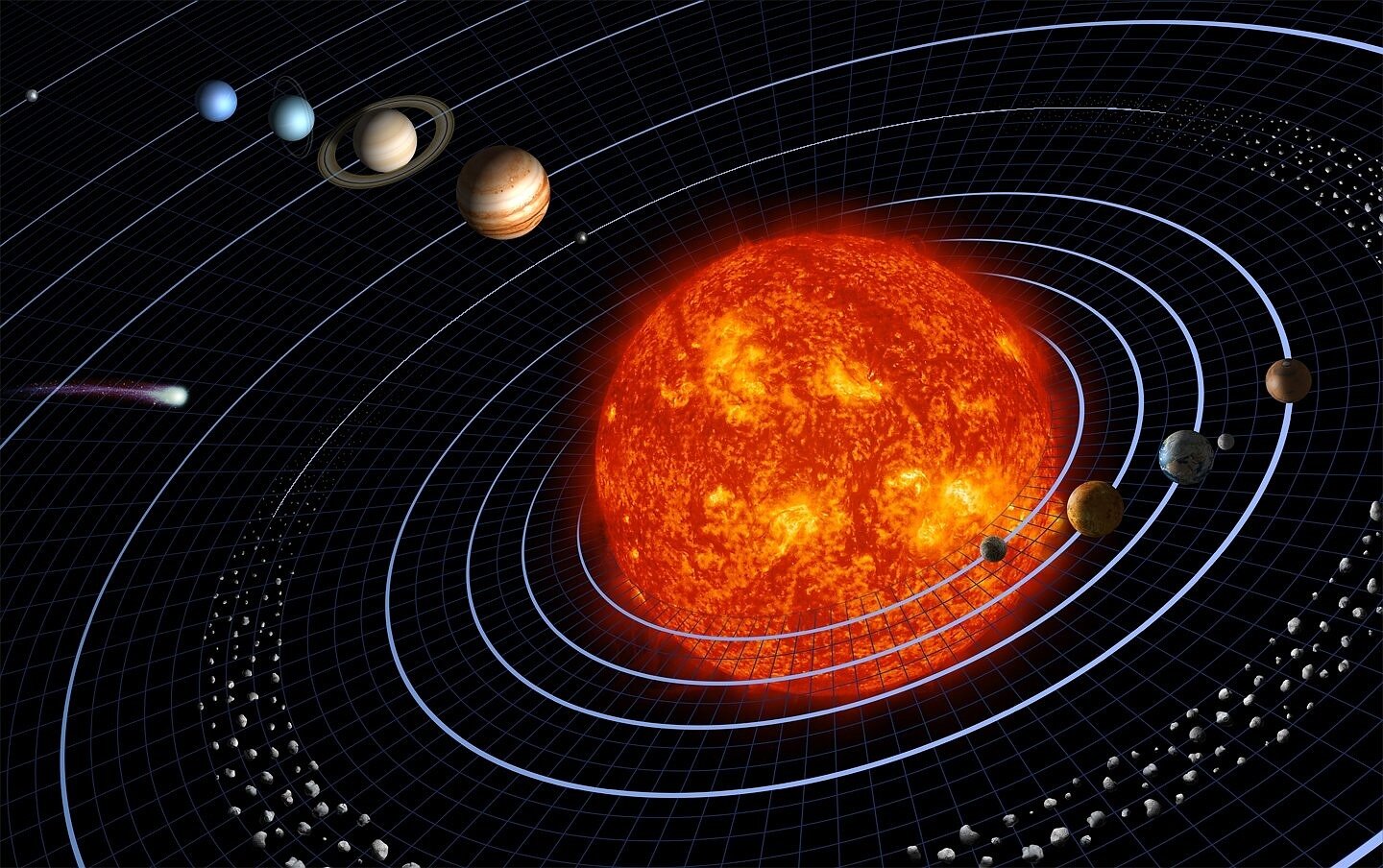
In the far reaches of the solar system, the planetary neighbourhood seems quiet. Beyond Jupiter, the sun is no longer a blazing disc, but a cold, white lamp. The planets are separated by gulfs of darkness. Light takes just 8 minutes to get from the sun to Earth, but typically more than an hour to cross the yawning chasm between Uranus and Neptune.
But in the middle of what seems like an uneventful part of the solar system, astronomers recently made a mammoth discovery: a hidden population of more than 100 moons that, until recently, remained almost invisible. From Earth, they appear as faint, fast-moving points of light, easily lost in their planets’ glare.
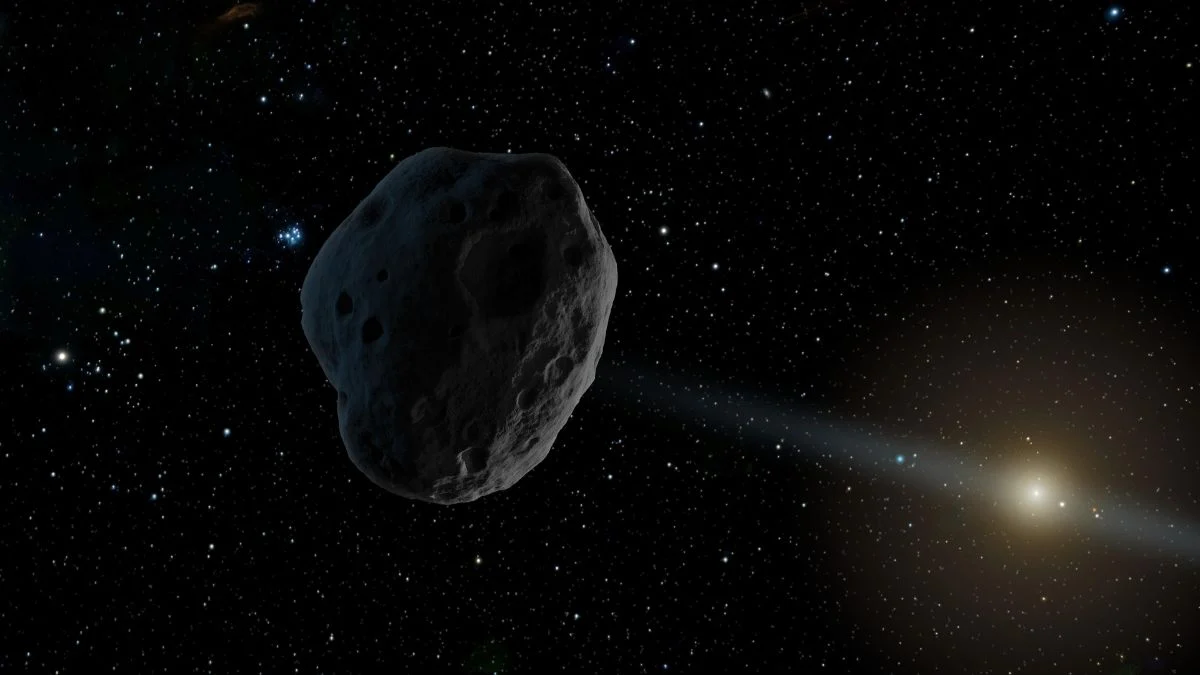
They aren’t moons as we imagine them – grand worlds like our own pale satellite, Jupiter’s volcanic Io or Saturn’s haze-wrapped Titan. They are smaller, darker and far more unruly. Astronomers call them irregular moons, and with their numbers now so high, their hidden kingdom has become harder to ignore. “We have had this huge influx in the last year, [including an] eye opener at Saturn,” says Marina Brozovic at NASA’s Jet Propulsion Laboratory in California.
But it’s not just the discovery of these moons that has astronomers excited. For one thing, they may hint that the outer part of our solar system might not be enjoying a quiet retirement, but instead has seen periods of incredible turbulence surprisingly recently. For another, these hidden moons may help us solve a mystery about one of our solar system’s most iconic sights: how did Saturn get its rings?