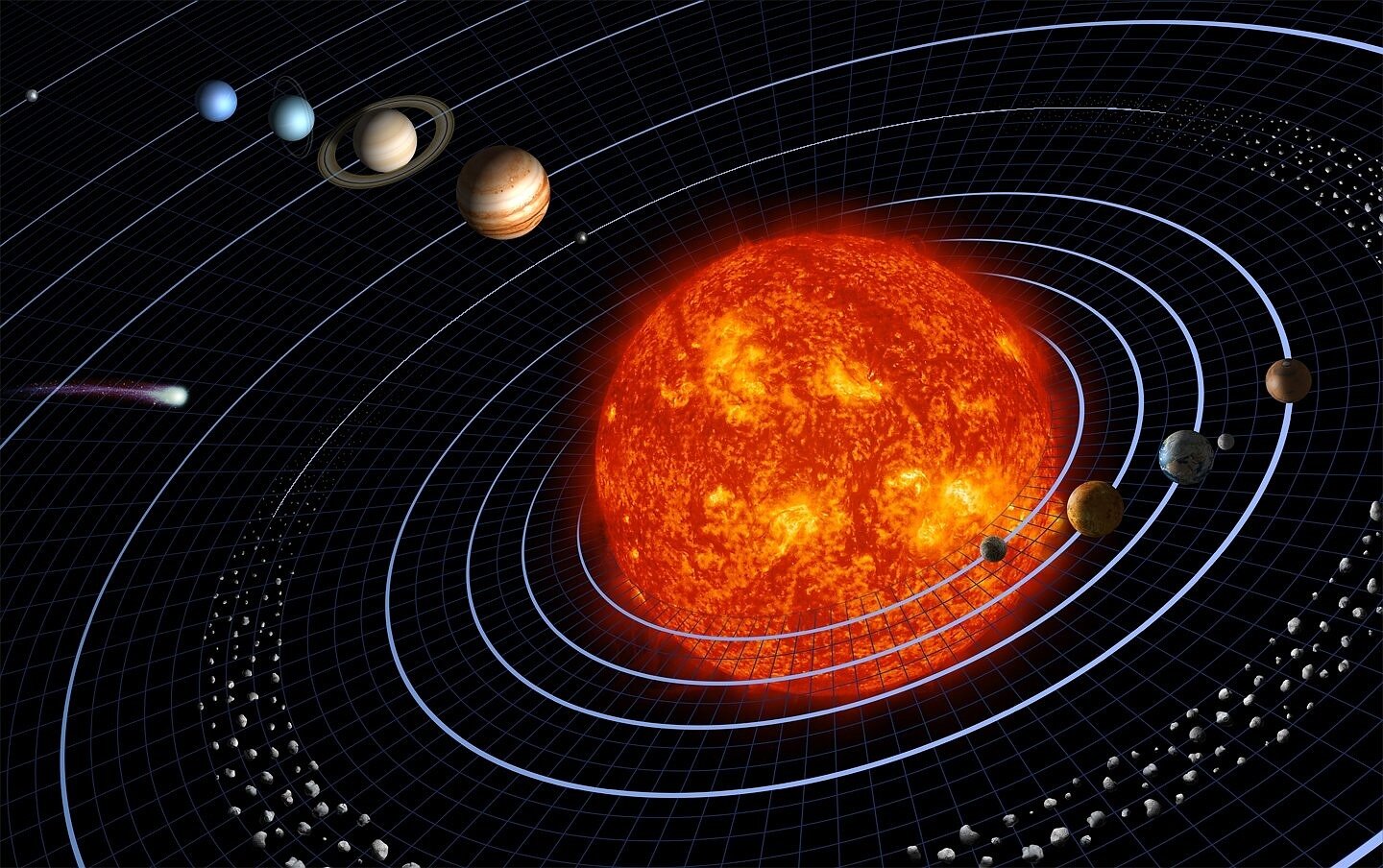
Children often learn the order of the planets in our Solar System using quirky memory phrases like "My Very Educated Mother Just Served Us Nachos." These sayings help recall Mercury, Venus, Earth, Mars, Jupiter, Saturn, Uranus, and Neptune.
In our Solar System, the planets fall into two broad groups. The inner planets closest to the Sun, from Mercury through Mars, are rocky worlds. Farther out are the giant gaseous planets, from Jupiter to Neptune.
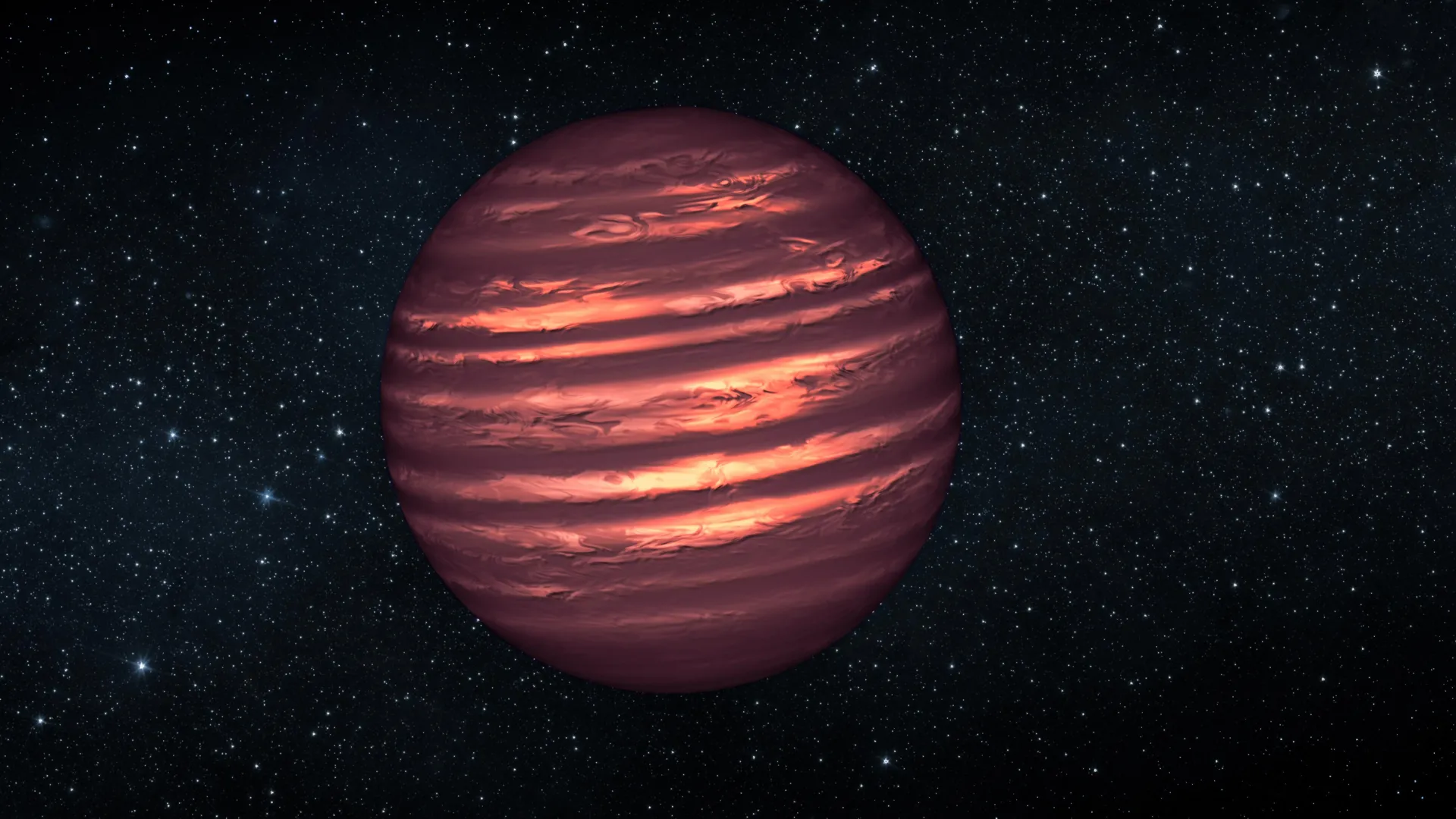
Astronomers have long believed this arrangement reflects a common pattern throughout the Universe. According to leading theories of planet formation, rocky planets form near their star while gas giants develop farther away where cooler conditions allow thick atmospheres to build up. Observations of many planetary systems have generally supported this idea.
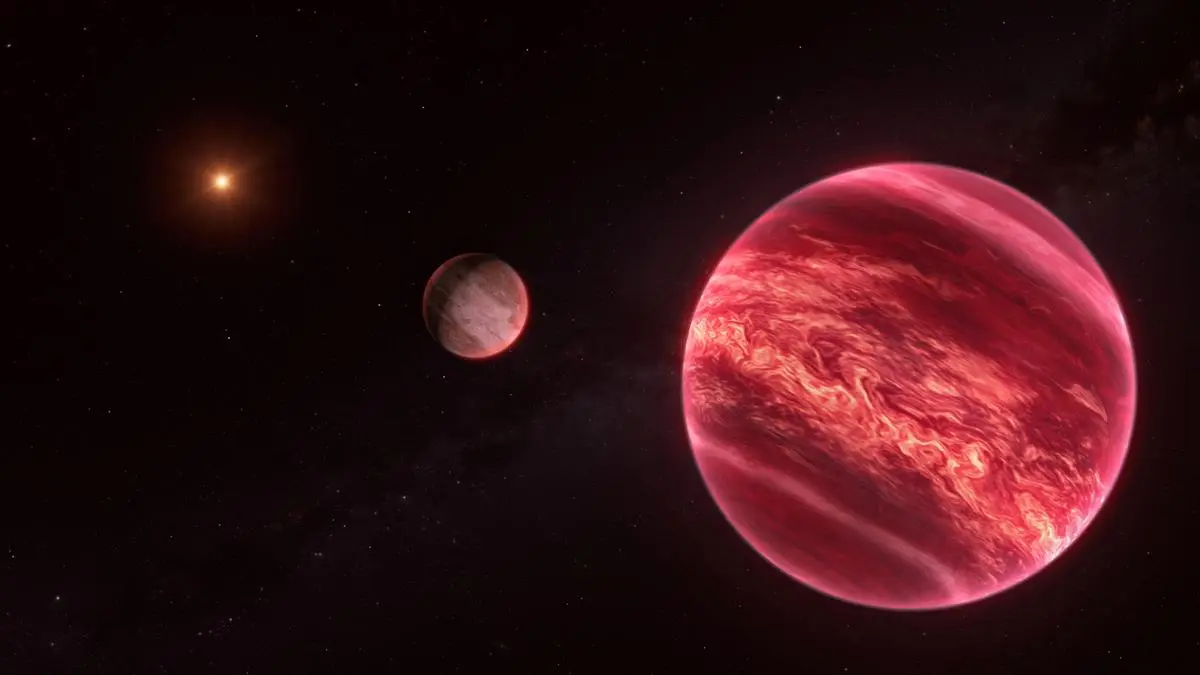
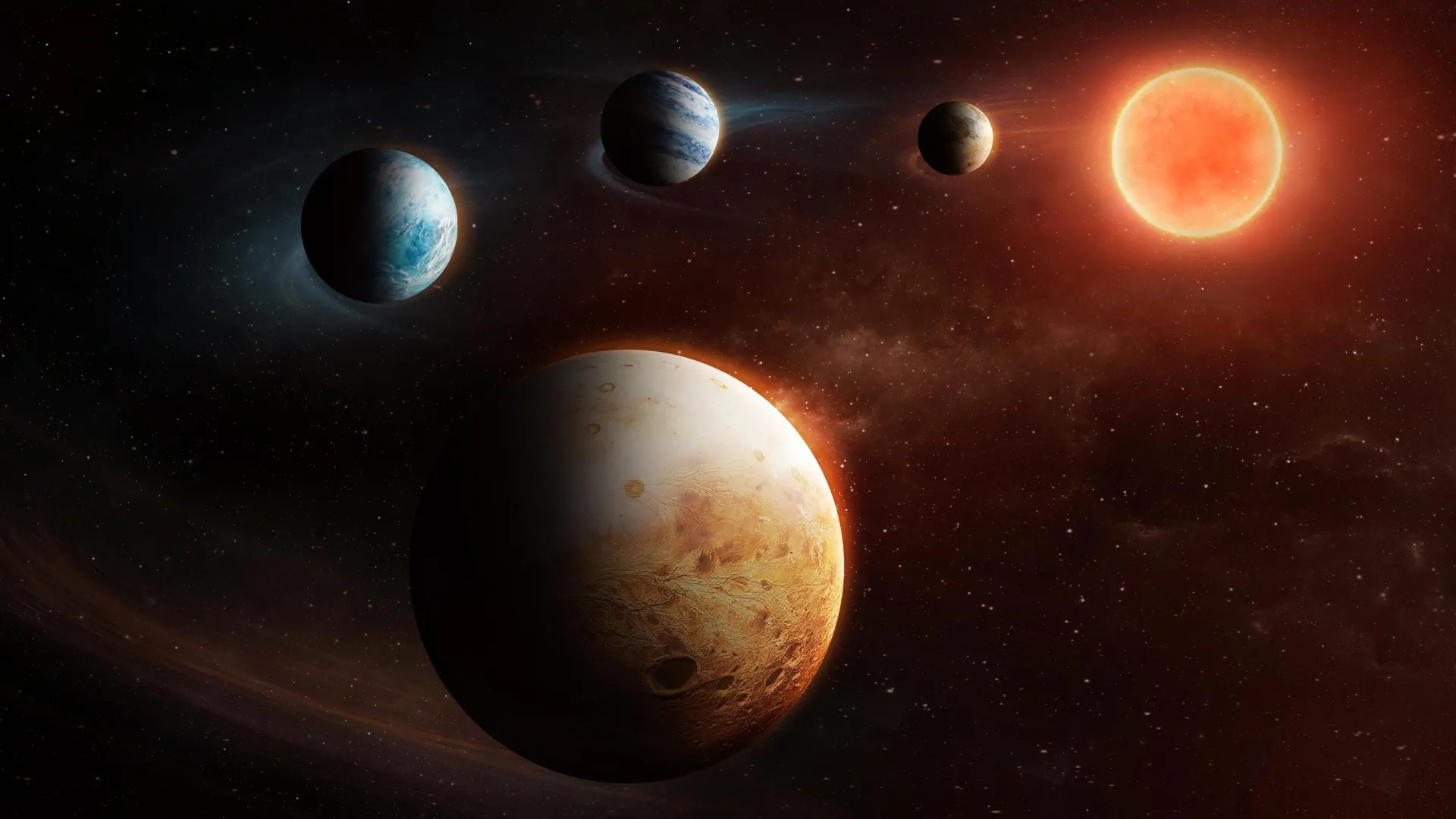
But a newly studied star system called LHS 1903 may challenge that understanding.
A Strange Planetary System Around LHS 1903