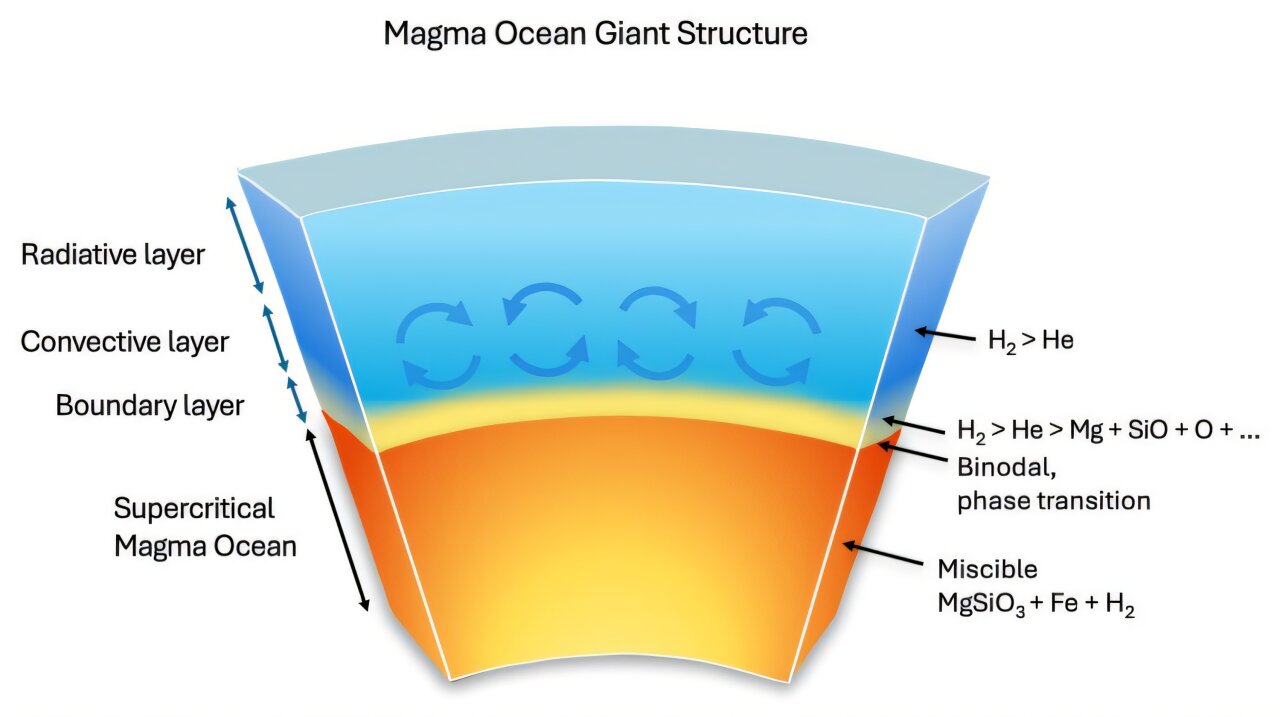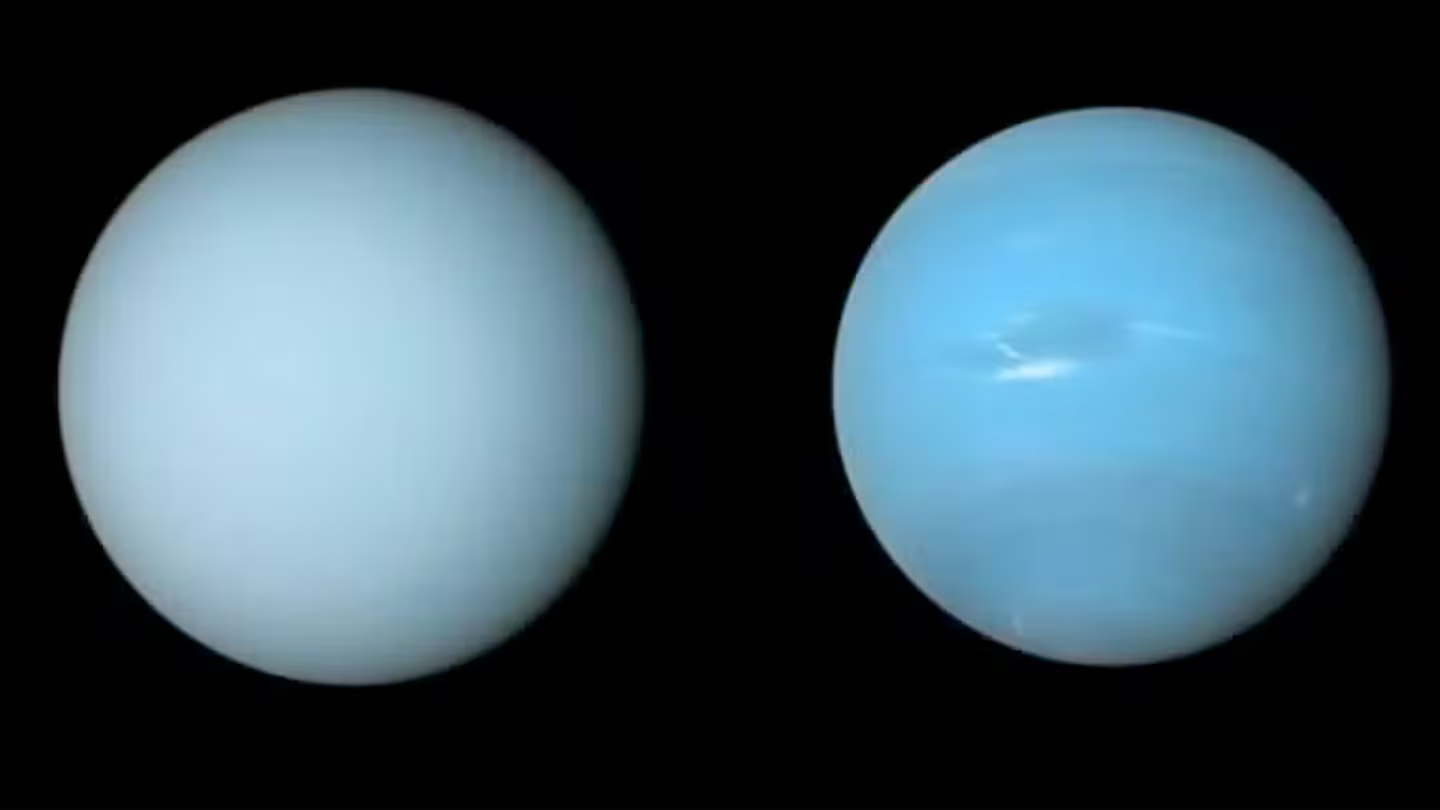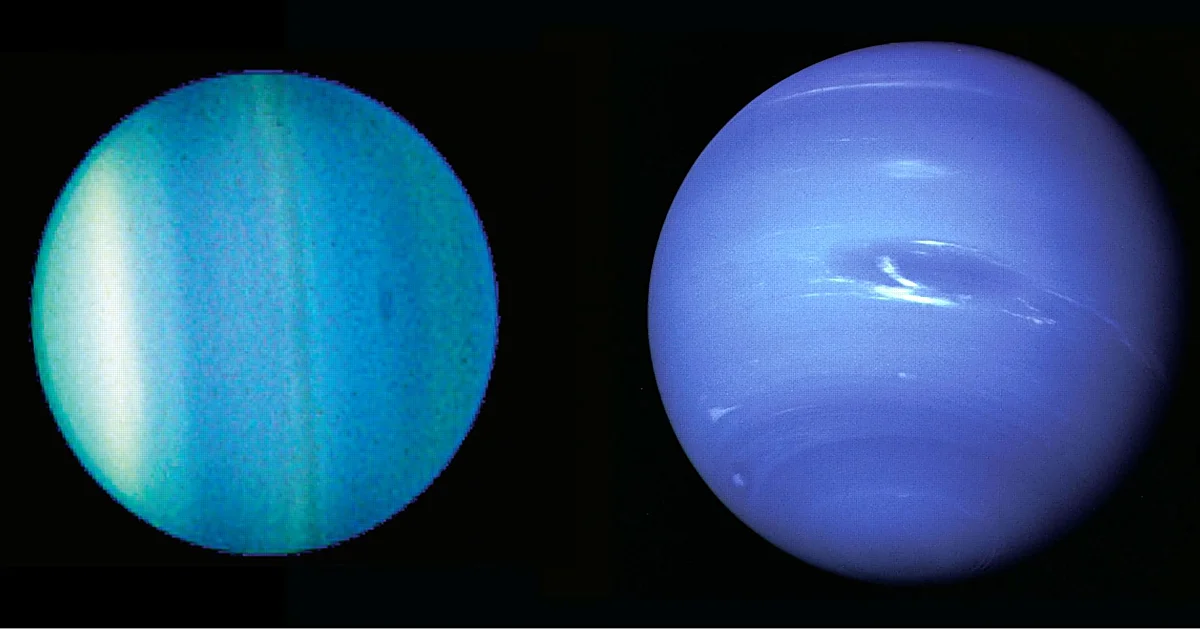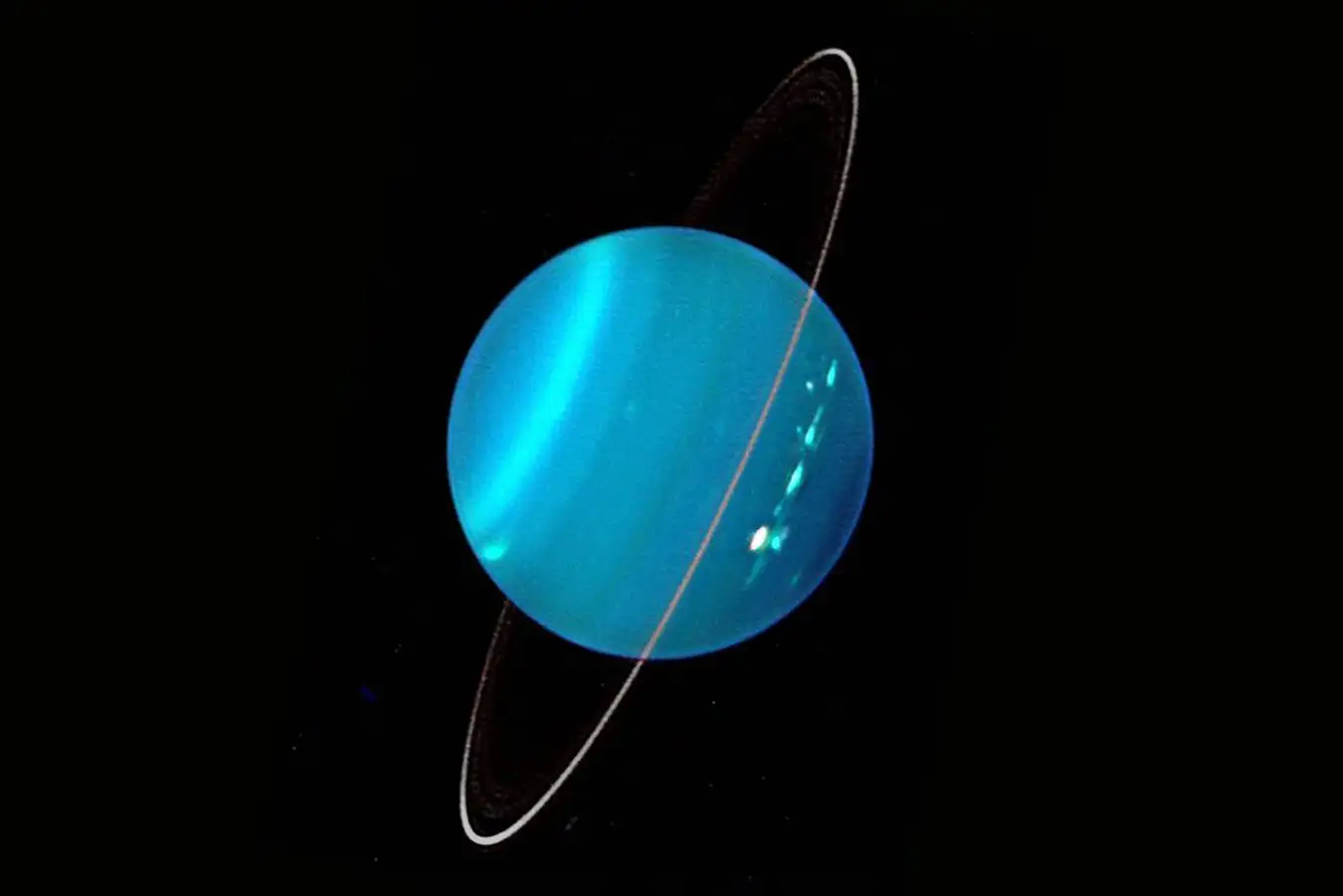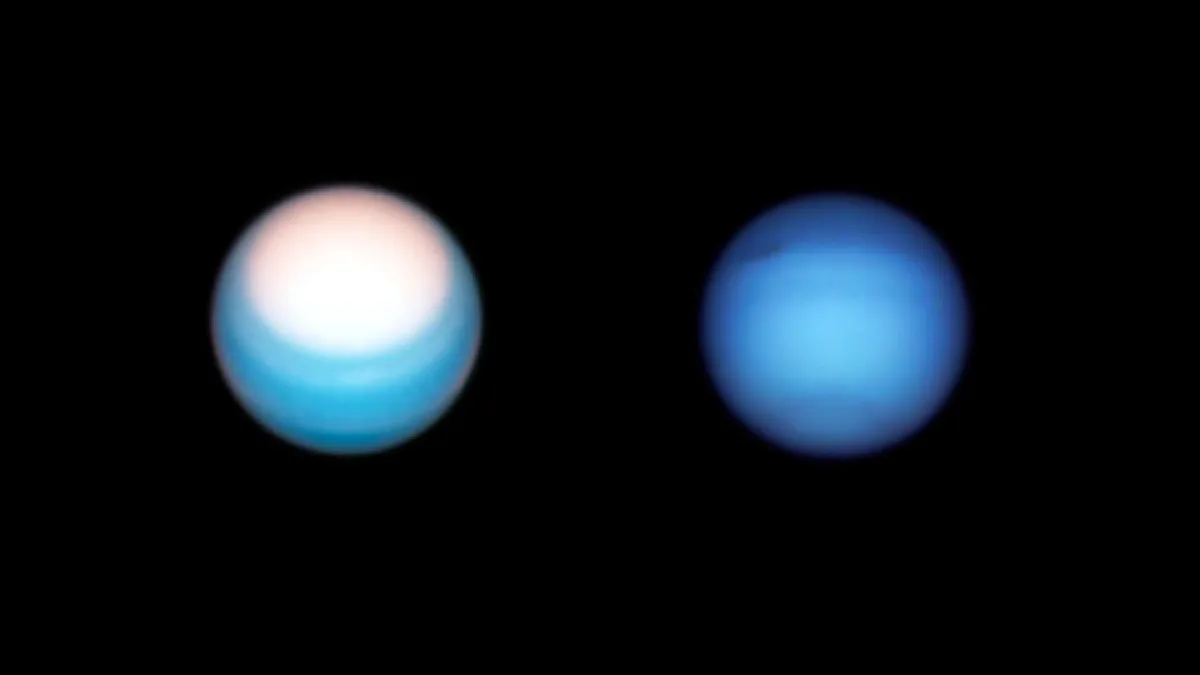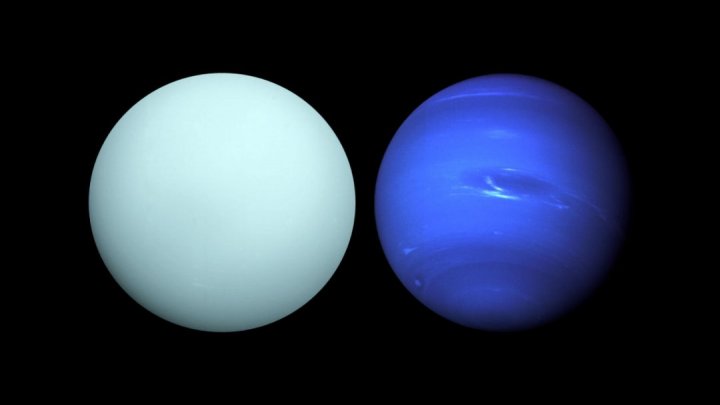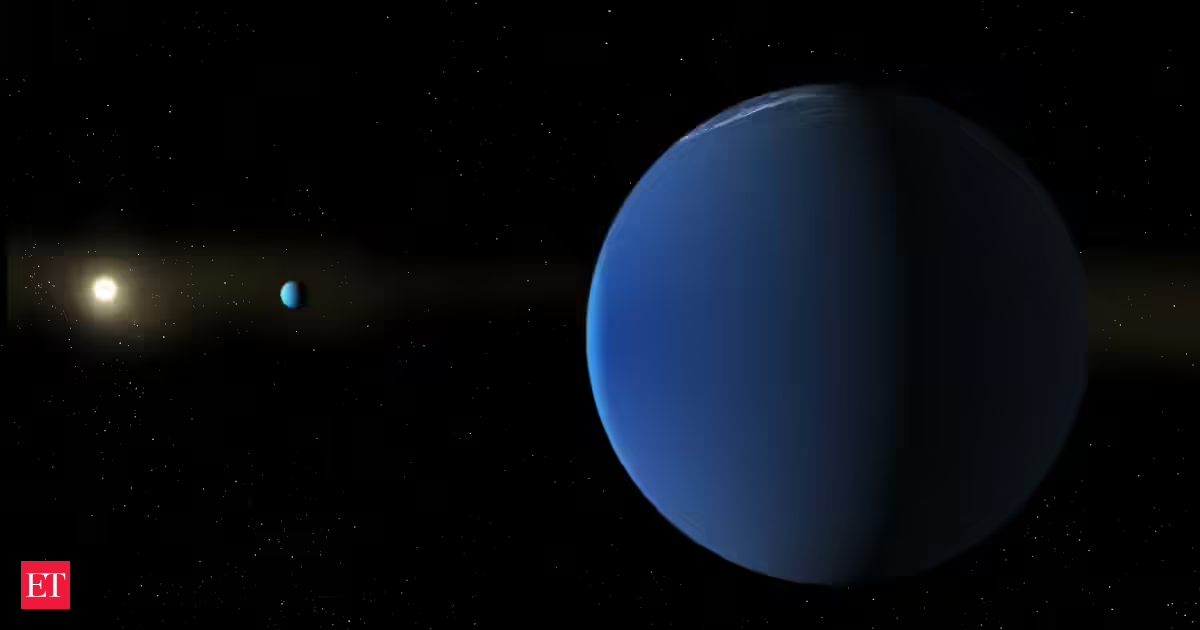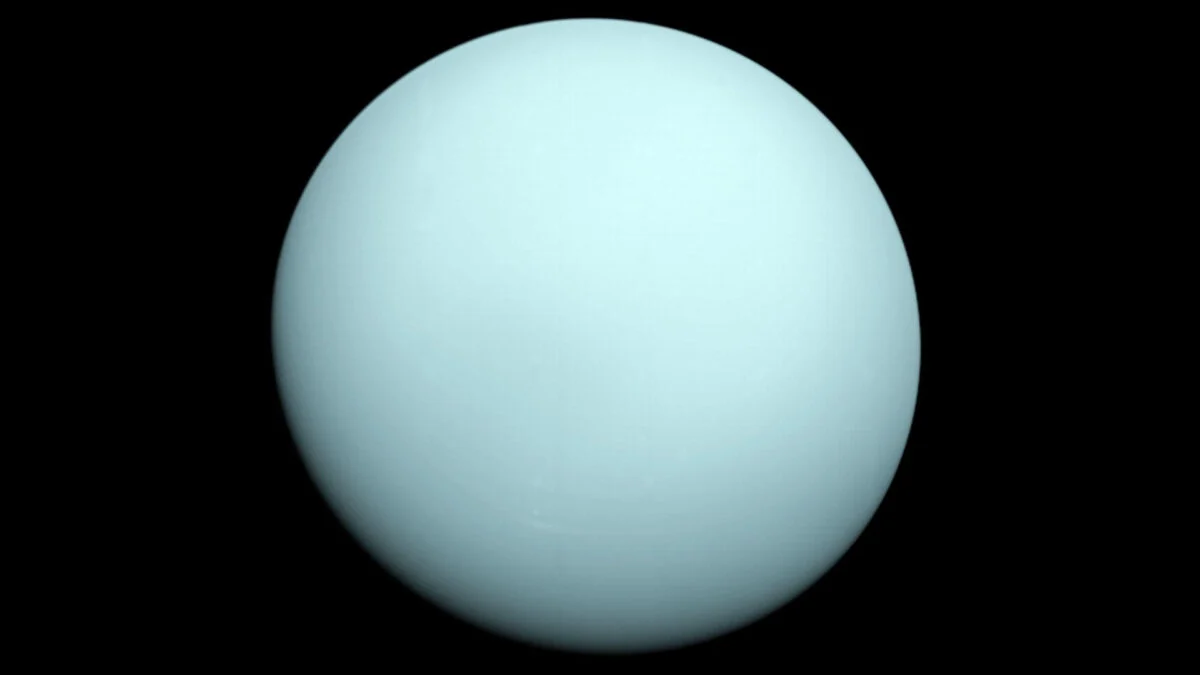
Before the Voyager 2 flyby of Uranus and Neptune, these two distant planets were thought to be cold, dead worlds on the outskirts of the solar system. The historic spacecraft visit, however, revealed that there’s a lot more to these highly active, complex planets than meets the eye. While the Voyager flyby confirmed the planets’ classification as ice giants, there is still ongoing debate over their unique composition. Now, a new study suggests that rather than an icy interior, the two planets have a magma ocean brewing on the inside. A team of researchers from the University of California is coming for Uranus and Neptune’s notorious nickname, suggesting that Uranus and Neptune may be better described as “magma-ocean giants” rather than traditional ice giants. In a recent study submitted to The Astrophysical Journal, the researchers share new insight into the interior structure of the two planets, which they believe could be used to study sub-Neptune exoplanets in the galaxy. A case of mistaken identity NASA’s Voyager 2 remains the only spacecraft to have visited Uranus and Neptune. On January 24, 1986, Voyager zipped by within 50,640 miles (81,500 kilometers) of Uranus’ cloud tops, discovering 11 new moons and two new rings around the planet. Later on August 25, 1989, the spacecraft swooped past Neptune’s north pole, discovering six new moons and four ring arcs.
Scientists Think Uranus and Neptune May Not Be the Ice Giants We Imagined
The so-called ice giants might not be as ice-rich as many astronomers believe.
531 words~2 min read