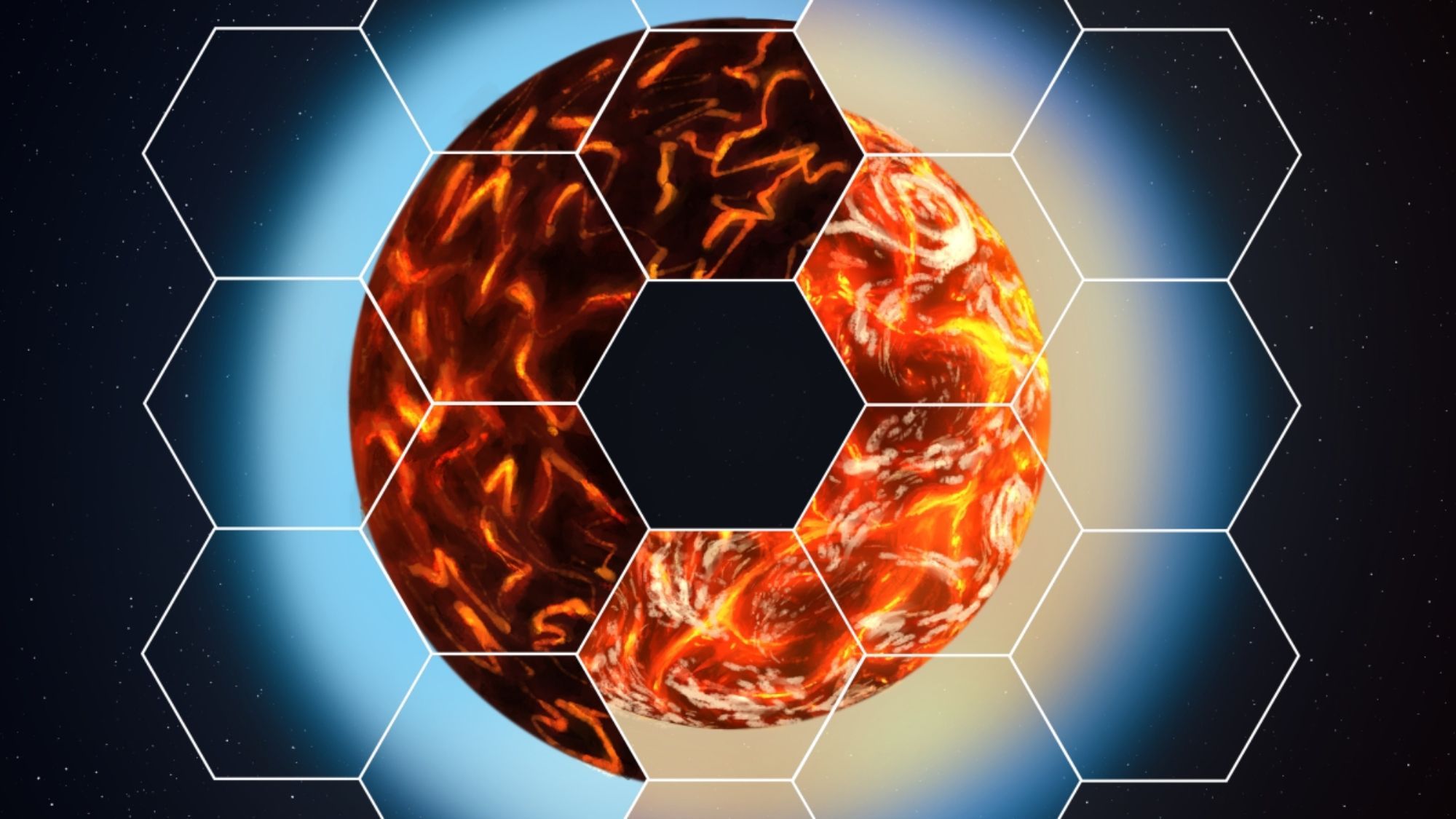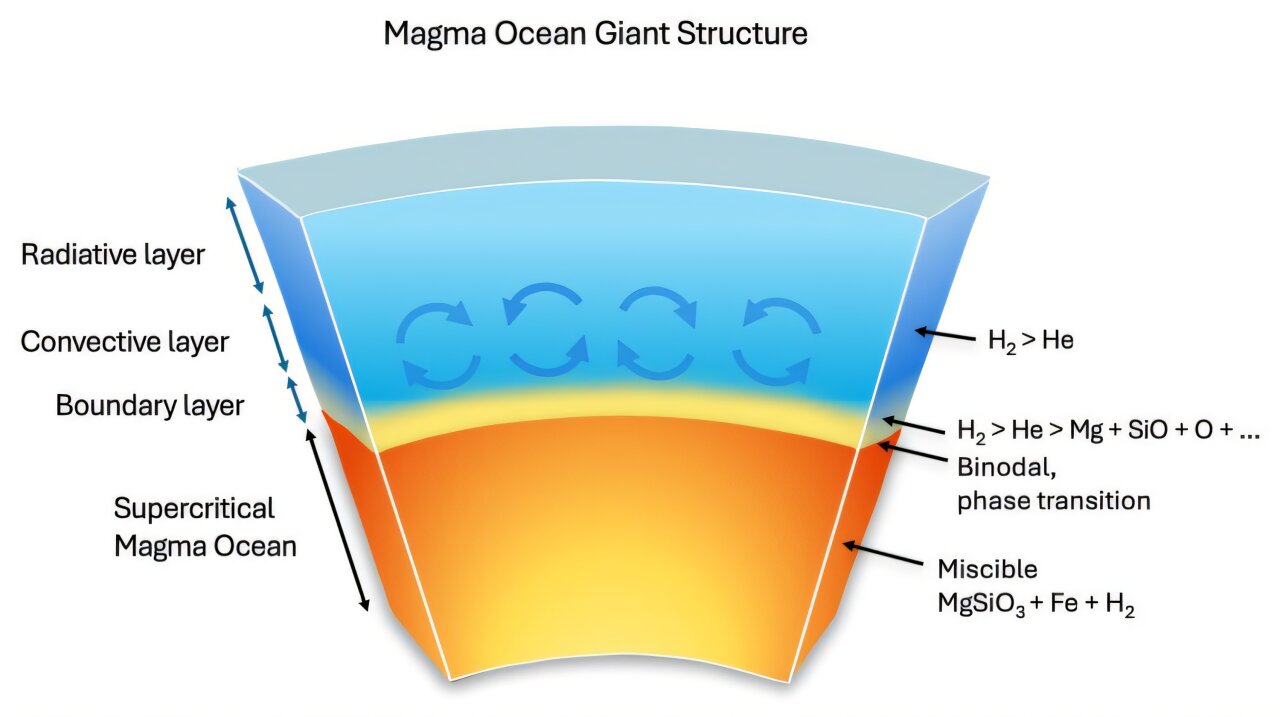
Diagram depicting the proposed magma ocean interior model for Uranus and Neptune. Credit: Young et al. (2026)
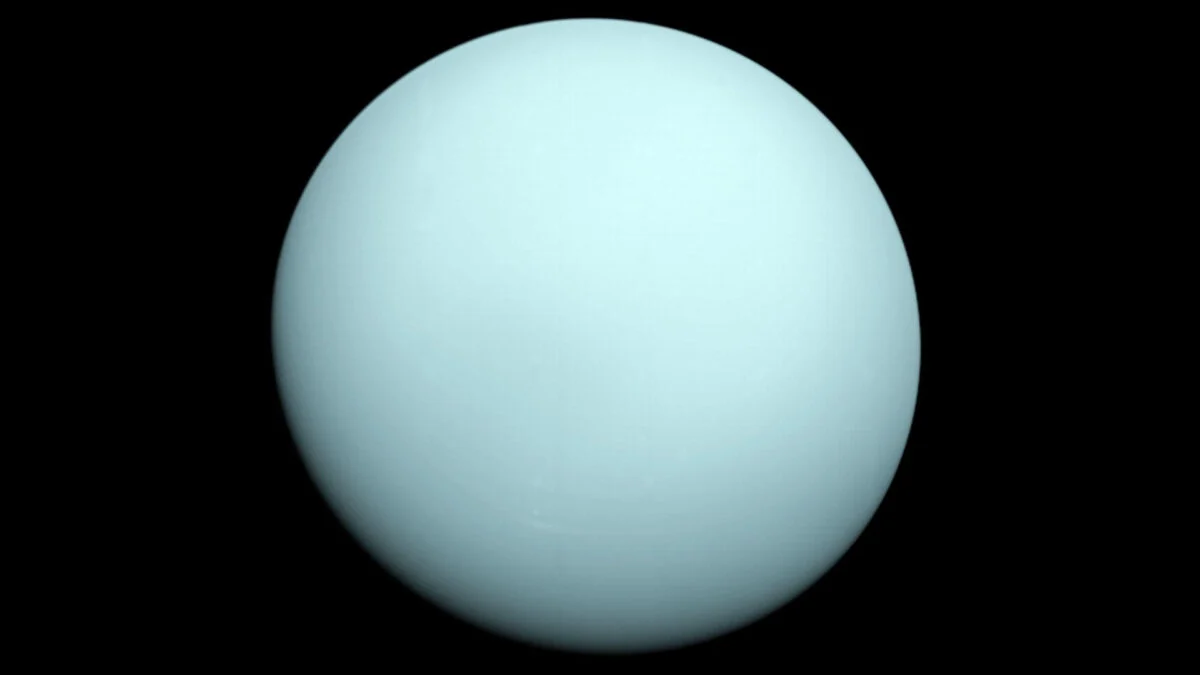
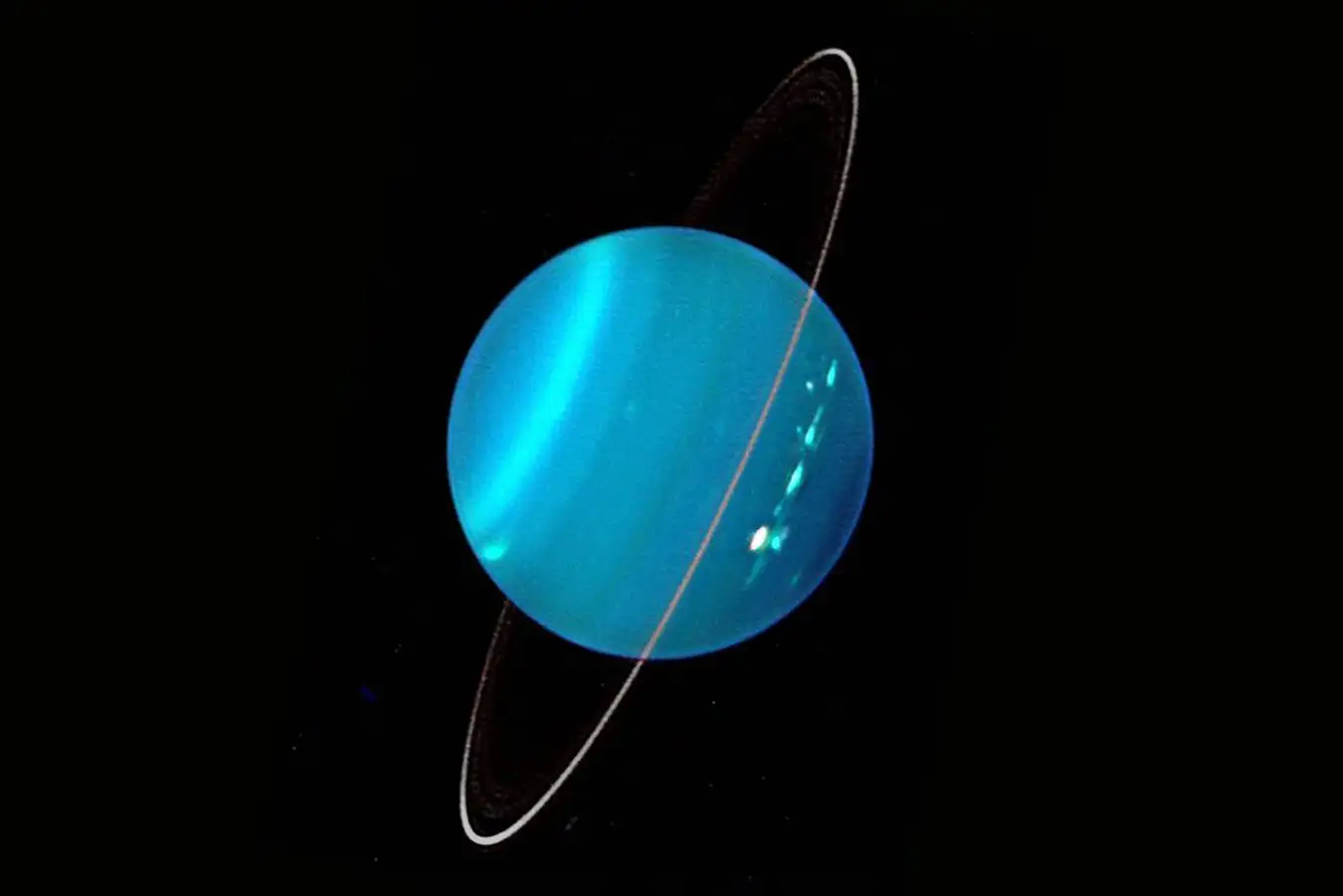
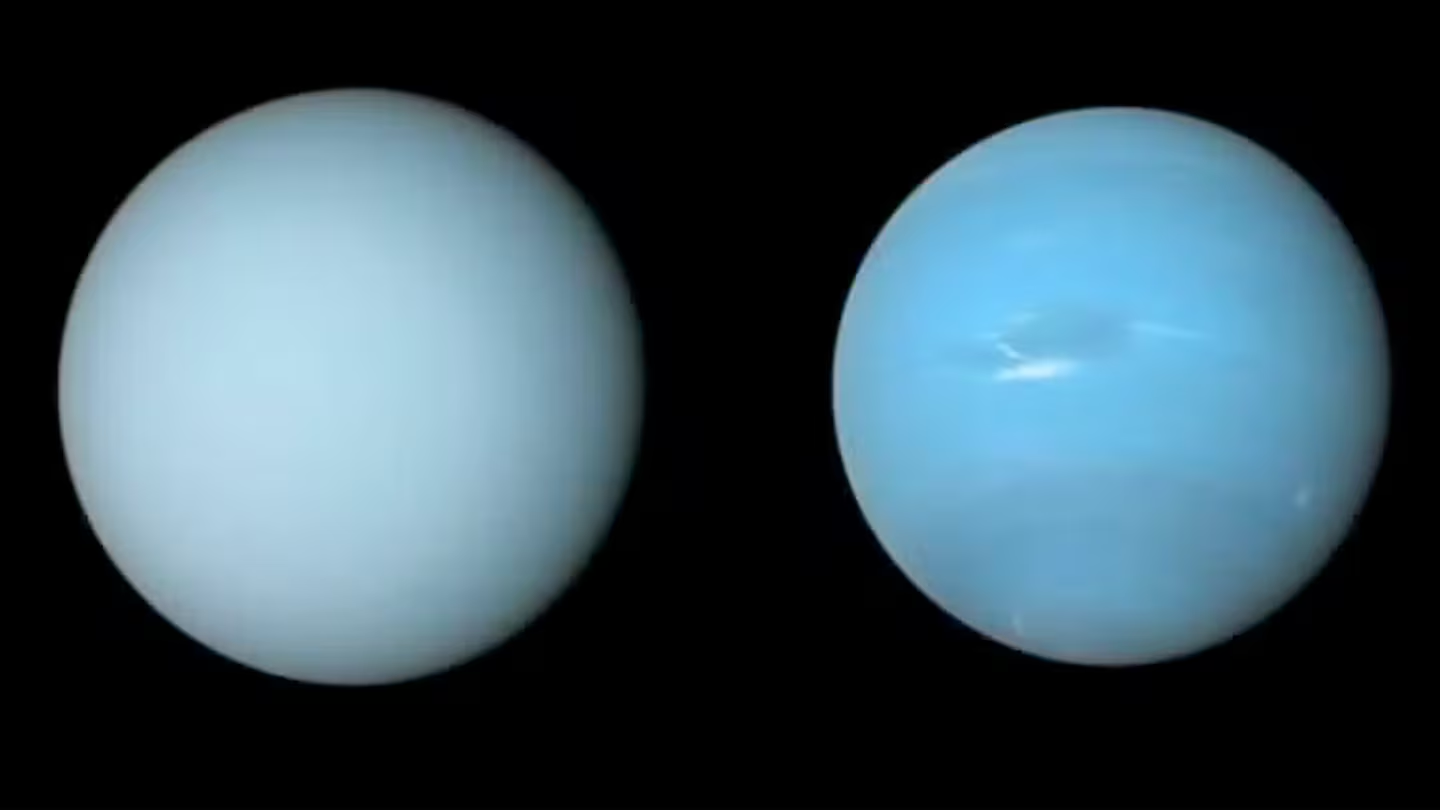
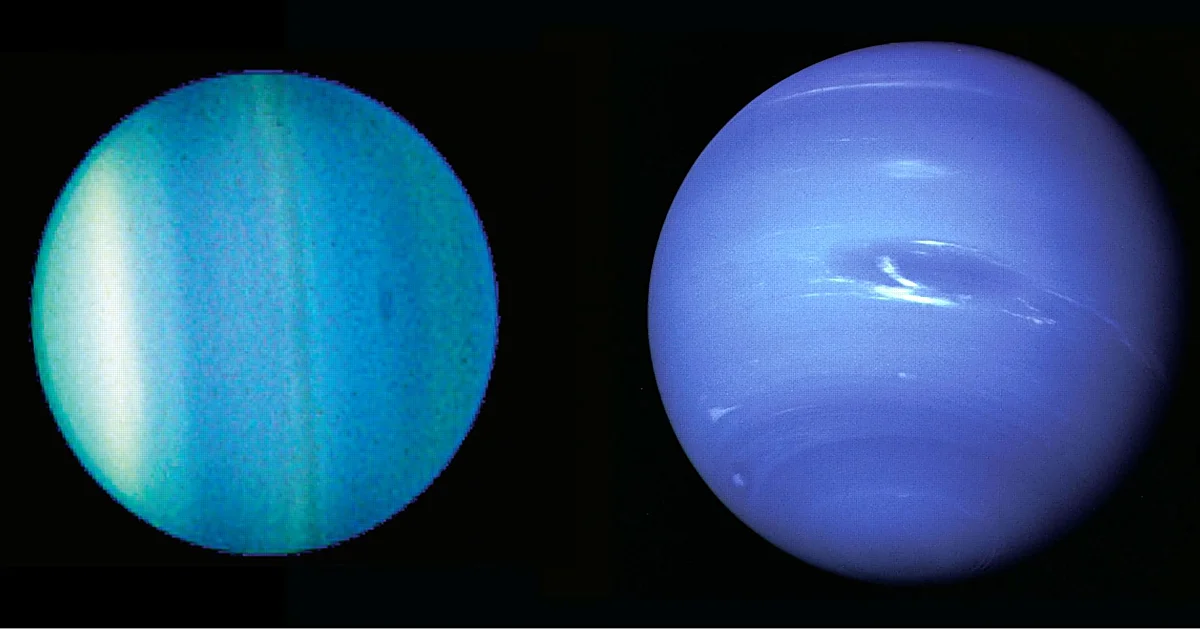
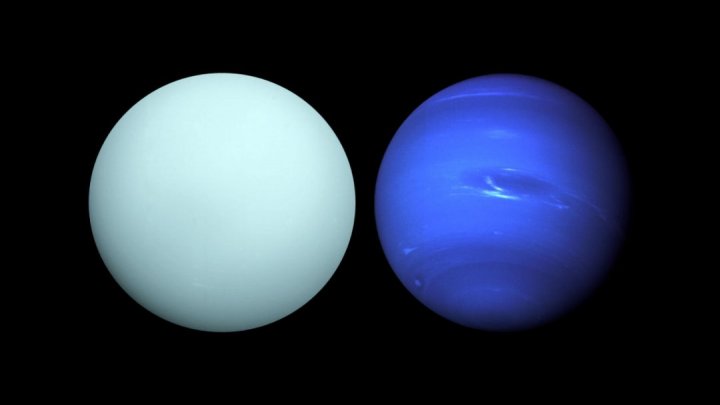
Uranus and Neptune remain two of the most mysterious objects in the solar system, primarily because they have been visited only by NASA's Voyager 2 spacecraft in 1986 and 1989, respectively. Their "ice giant" moniker comes from longstanding hypotheses that their interiors are comprised of an icy mantle beneath their hydrogen-helium atmospheres. While Jupiter and Saturn are also composed primarily of hydrogen and helium, Uranus and Neptune are hypothesized to have a layered structure composed of icy elements in their interiors.
Despite decades of models, studies and hypotheses, the debate over the longtime "ice giant" nickname for Uranus and Neptune is heating up. This is because a study published on the arXiv preprint server and submitted to the Astrophysical Journal could show this nickname might not be as frozen solid as scientists have long believed.
In either case, a team of researchers from the University of California, Los Angeles (UCLA) could cause longstanding scientific passions to melt away.
For the study, the researchers used a series of computer models to simulate and ascertain the interior compositions and processes of Uranus and Neptune. The primary motivation behind the study was to confirm or refute the longstanding models and hypotheses regarding the "ice giant" status of Uranus and Neptune.