We may now know how Mercury gained its ice depositsNASA’s Scientific Visualization Studio
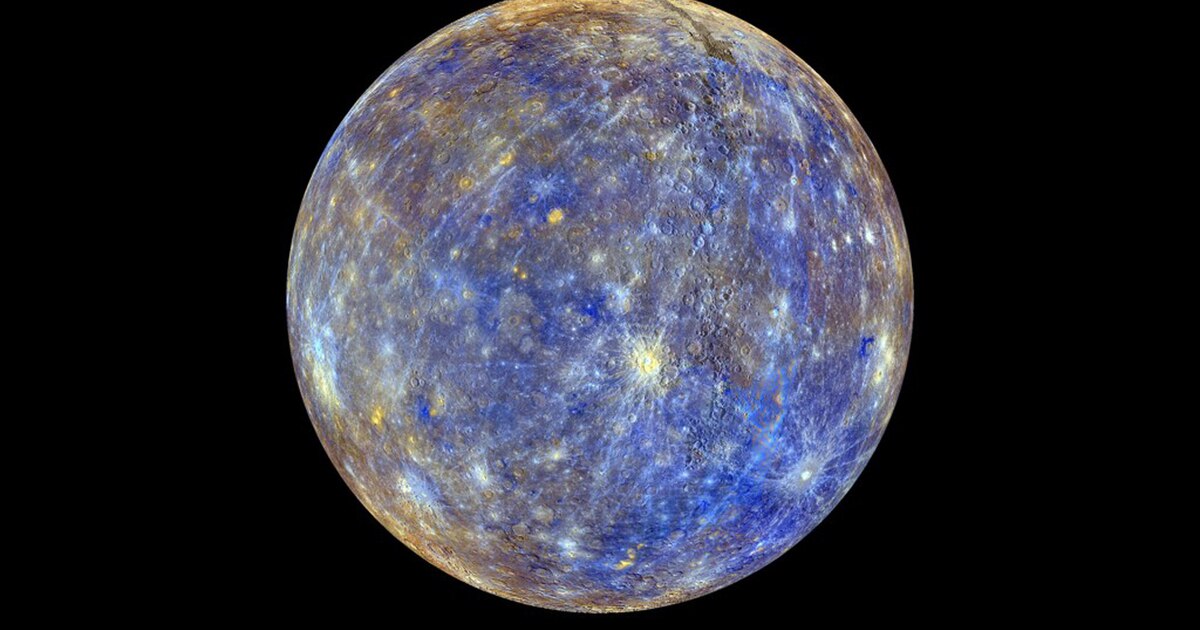
Around 100 million years ago, the surface of Mercury suddenly underwent a dramatic change. Before then, its surface was relatively dry and ice-free – not surprising, as daytime temperatures there can reach upwards of 430°C (806°F) – but over the course of a single Mercurian day, all that changed.
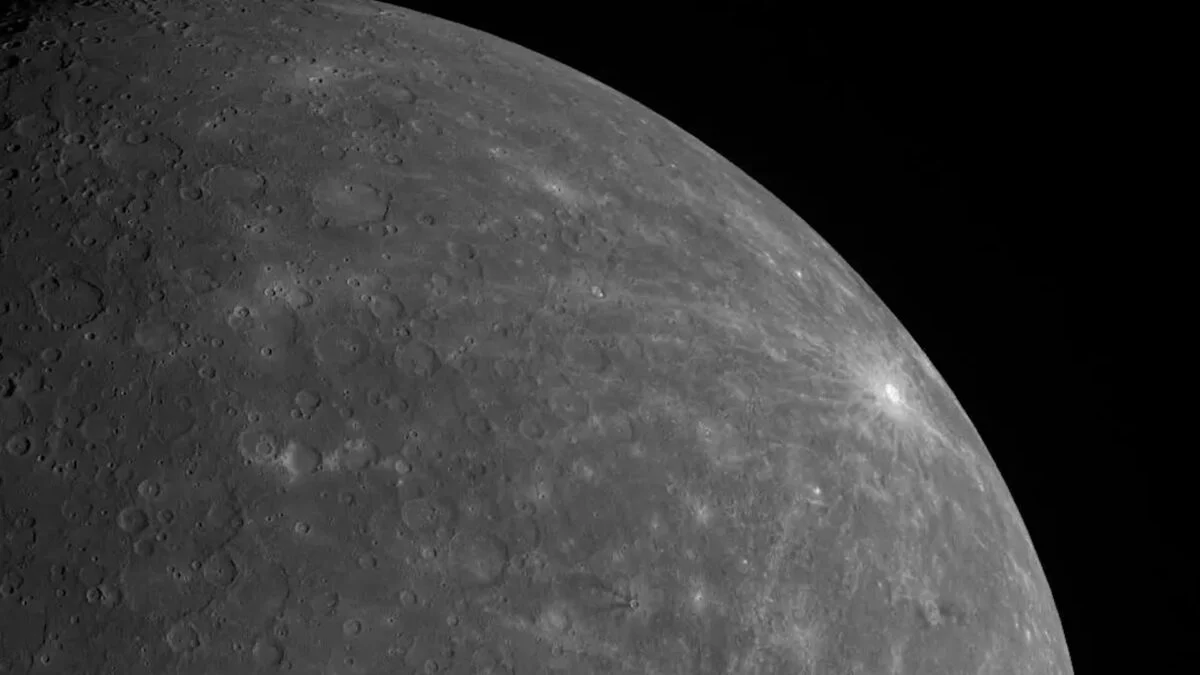
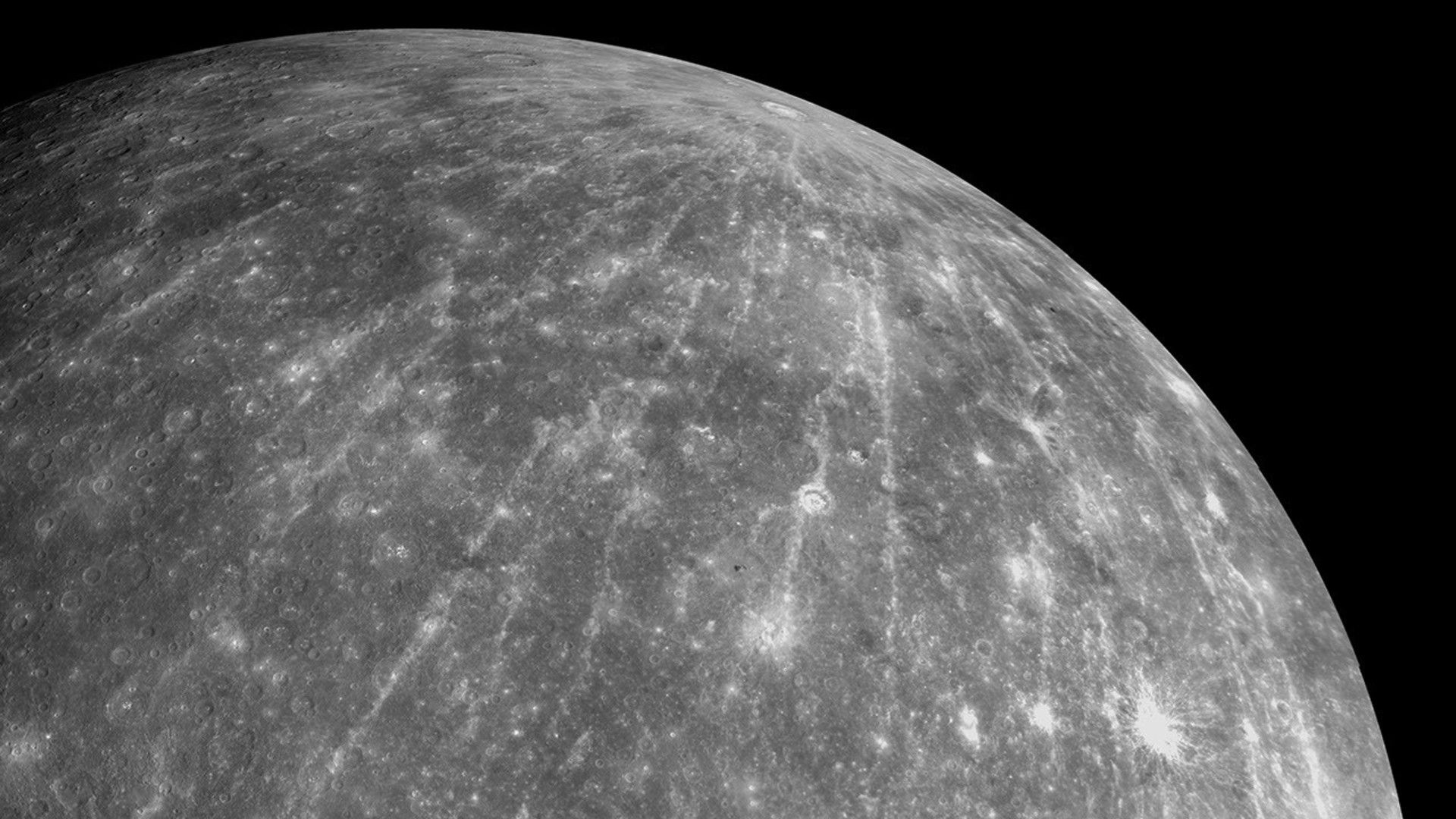
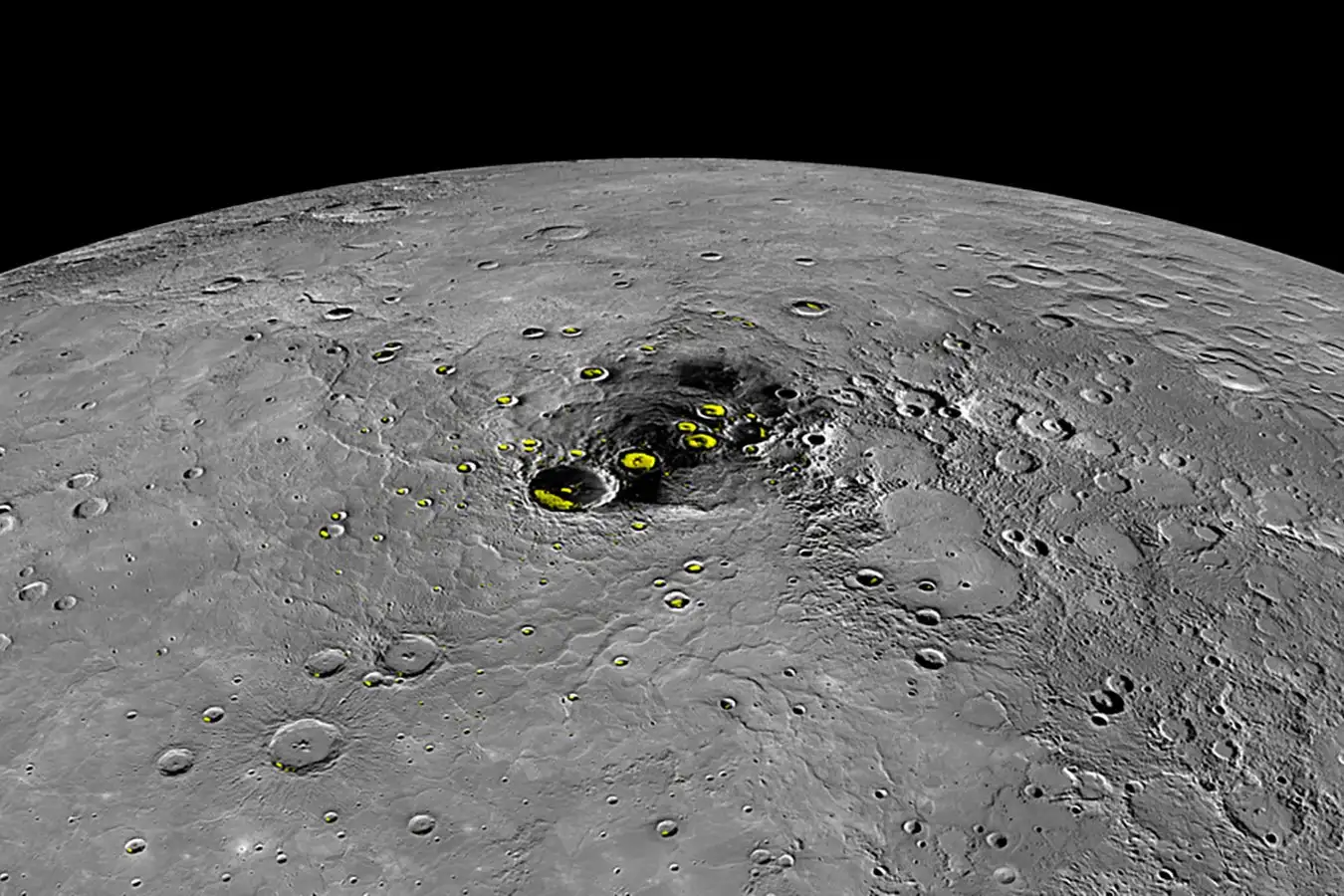
The poles of Mercury are home to craters whose bottoms never see sunlight, known as permanently shadowed regions. Thanks to NASA’s Messenger spacecraft, which orbited Mercury between 2011 and 2015, we know that those craters contain deposits of ice several metres deep. But how that ice got there is puzzling.
Previous research has suggested that it may have been brought there by a comet-like body around 17 kilometres across that smashed into Mercury at a speed of about 30 kilometres per second. Now, new simulations from Parvathy Prem at the Johns Hopkins Applied Physics Laboratory in Maryland and her colleagues suggest that it may have been a larger, slower collision.
“We’ve known for a while that Mercury’s poles have ice. The idea that those ice deposits might have been laid down by an impactor is also not new, but this is the first time we’ve really modelled that process and visualised what might have gone on from the start to the end,” says Prem. “It’s the first time we’ve looked in detail [at] how exactly the movie plays out.”