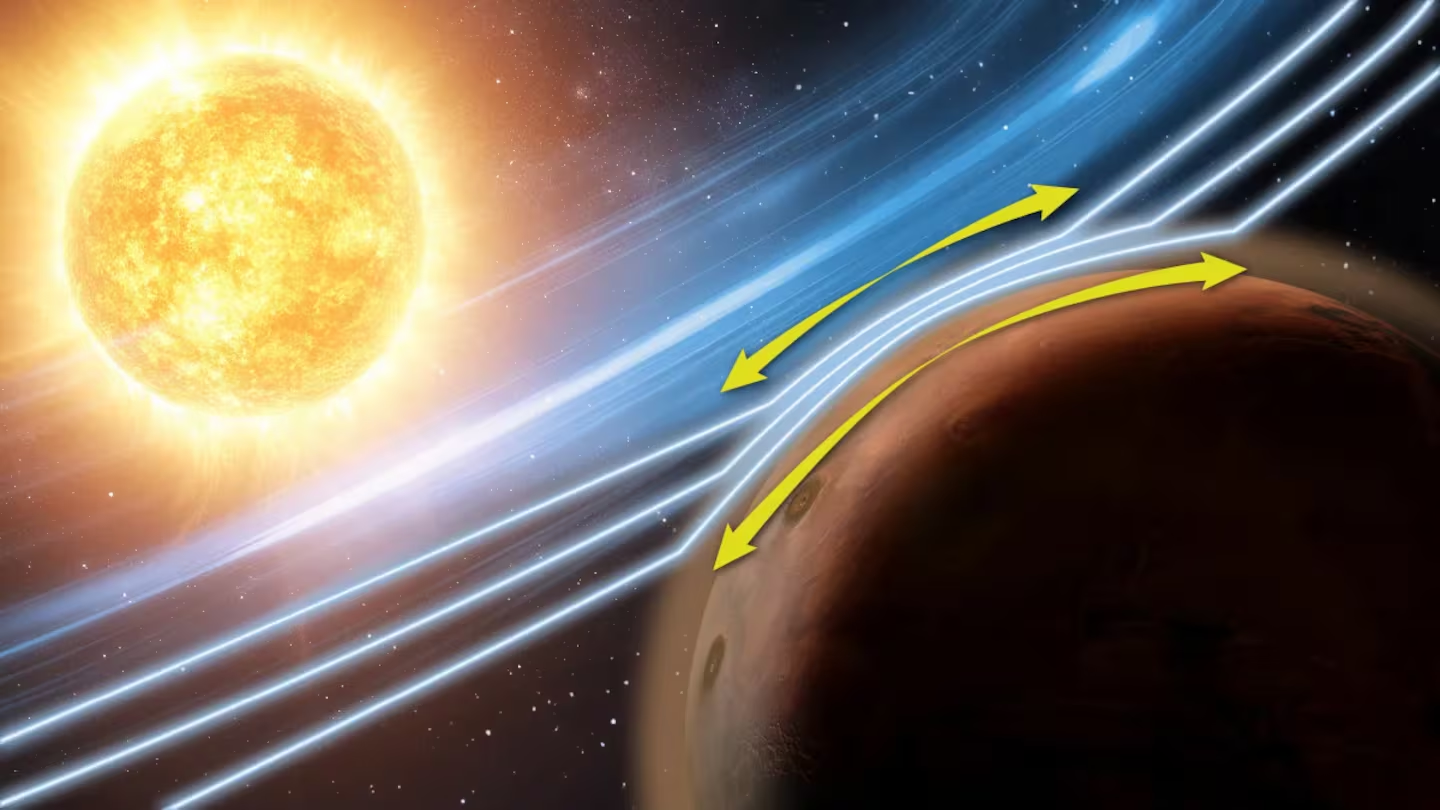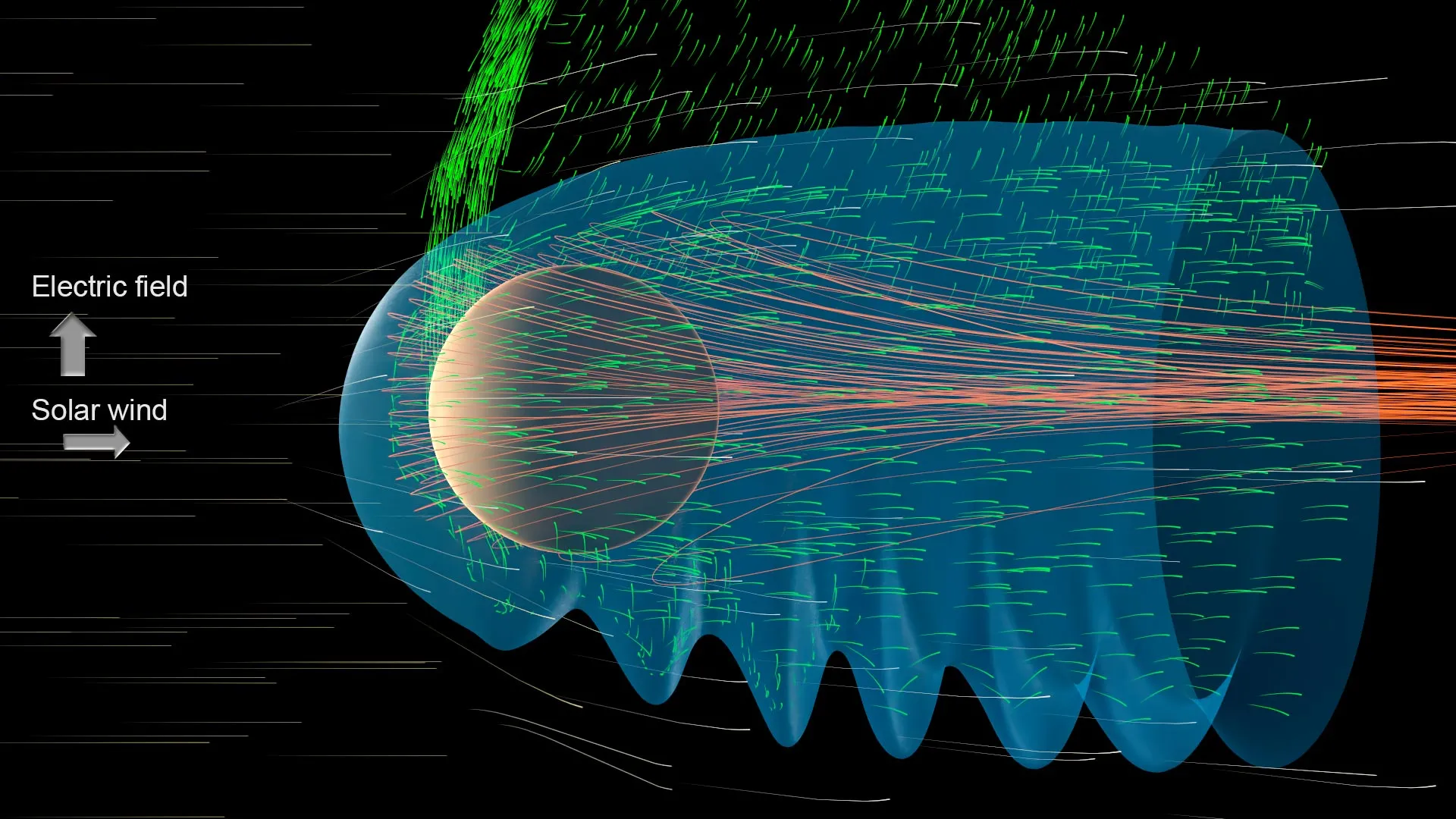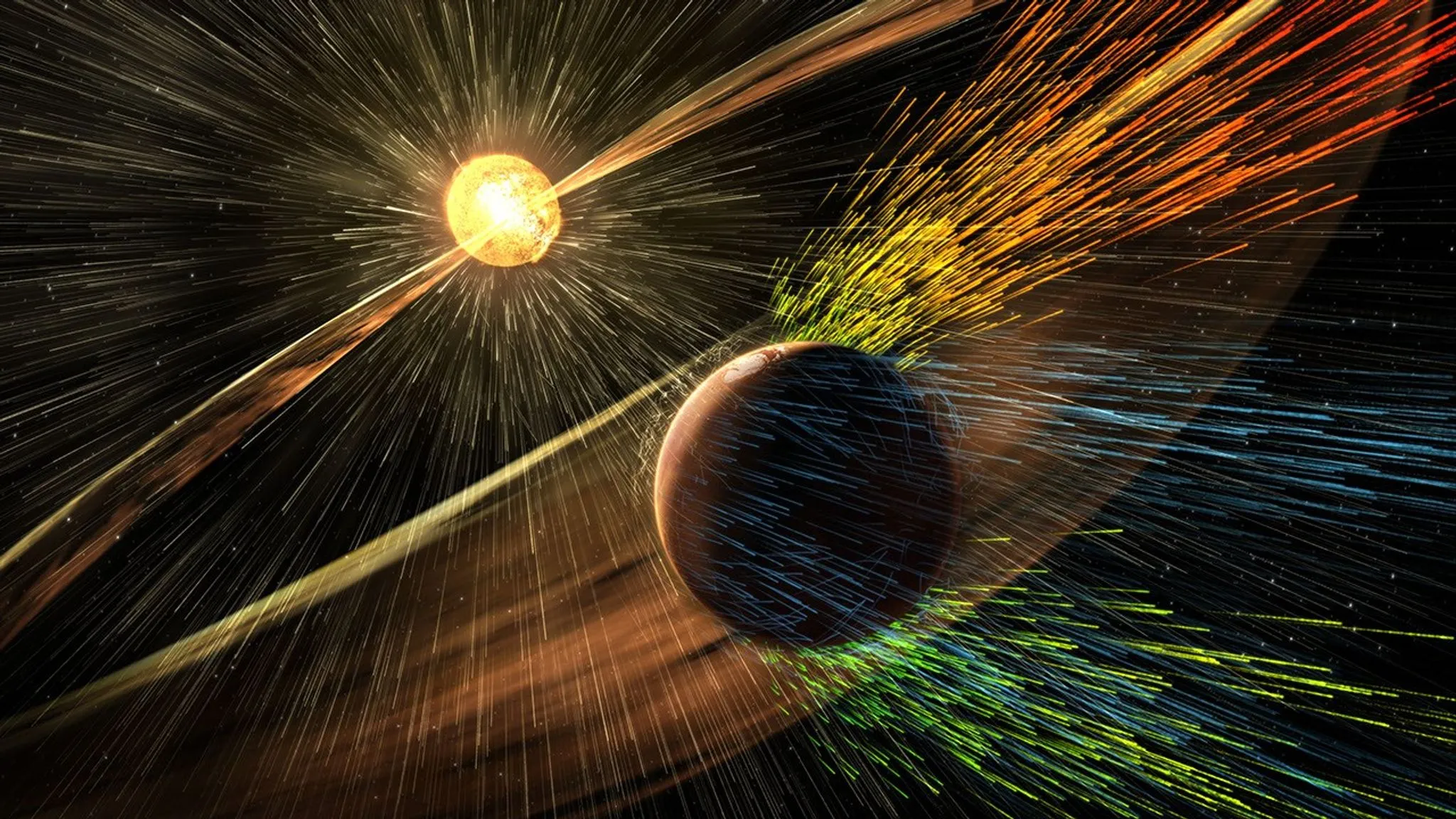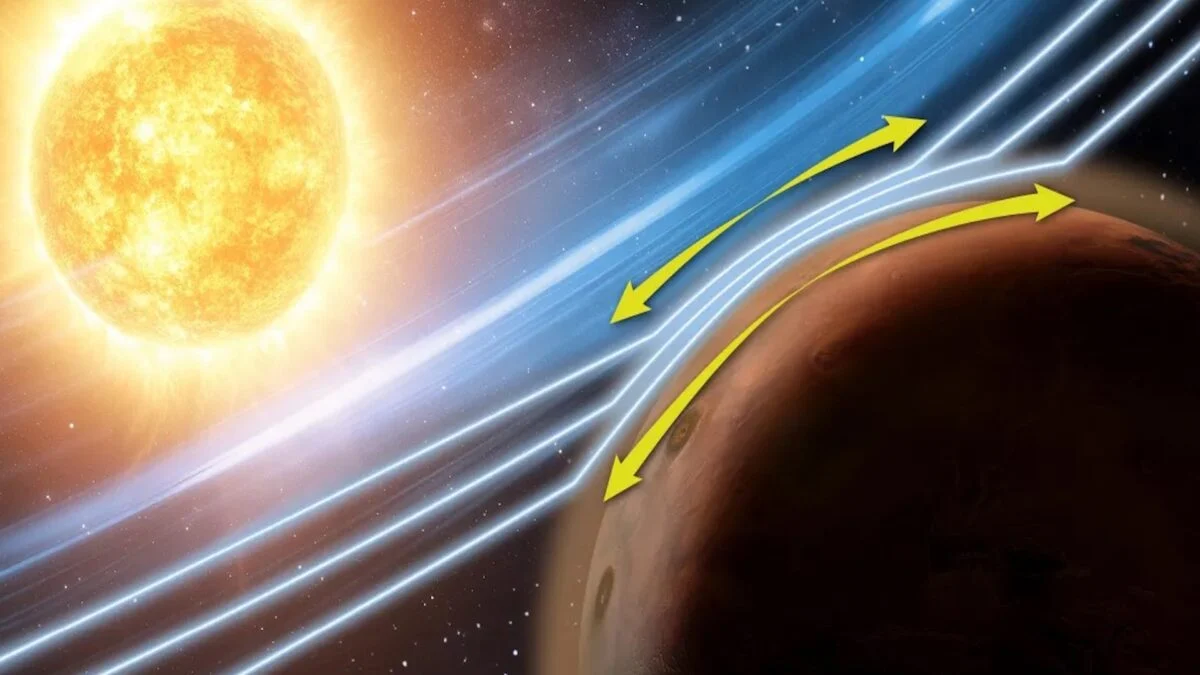
We know Mars to be many things: dusty, cold, and missing a global magnetic field. In a recent discovery that baffled scientists, a space weather phenomenon previously associated with powerful magnetic fields was observed on Mars for the first time. Using data from NASA’s MAVEN (Mars Atmosphere and Volatile Evolution) mission, scientists identified the Zwan-Wolf effect in Mars’ atmosphere. The phenomenon is known to occur in Earth’s magnetosphere, whereby charged particles get squeezed and pushed along magnetic field lines like toothpaste coming out of a tube, according to NASA. Scientists had previously assumed that Mars wouldn’t produce the same large-scale magnetic plasma behavior seen on Earth, as it lacks the same kind of planetary shield. The new findings, published in Nature, change how scientists think about Mars and other unmagnetized worlds.
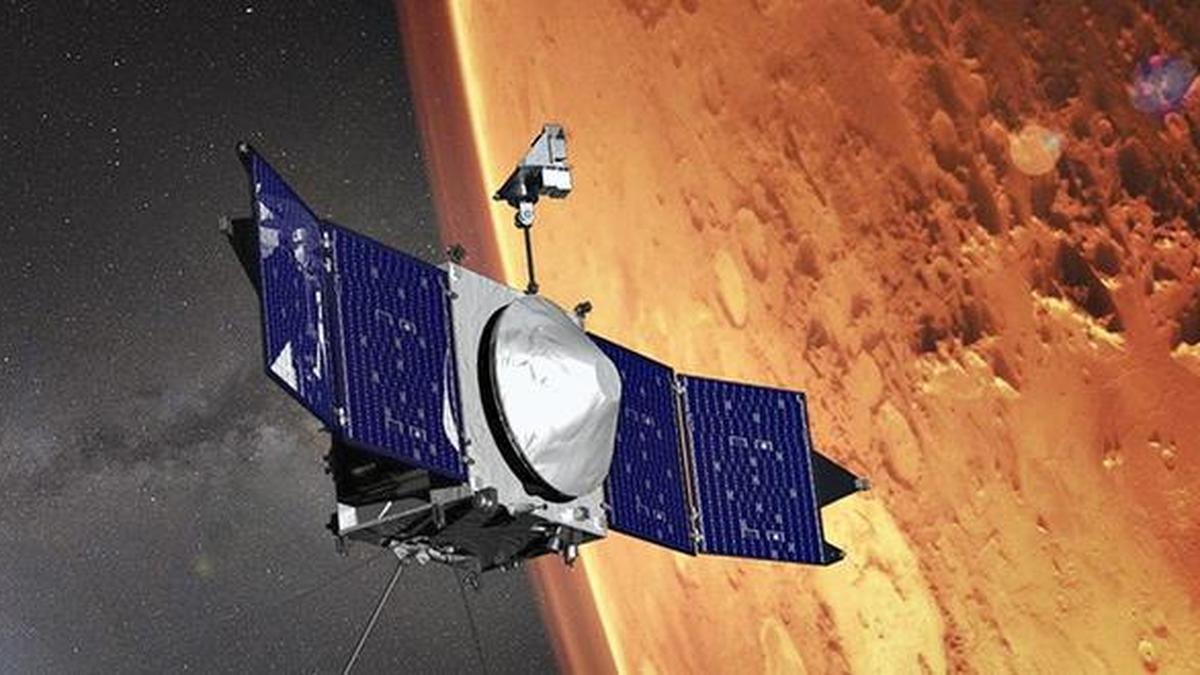
Magnetic behavior NASA launched the MAVEN spacecraft to Mars in November 2013 to explore the planet’s upper atmosphere and its interactions with the Sun and solar wind. The goal is to better understand how Mars lost its atmosphere to space roughly 3.5 to 4 billion years ago.
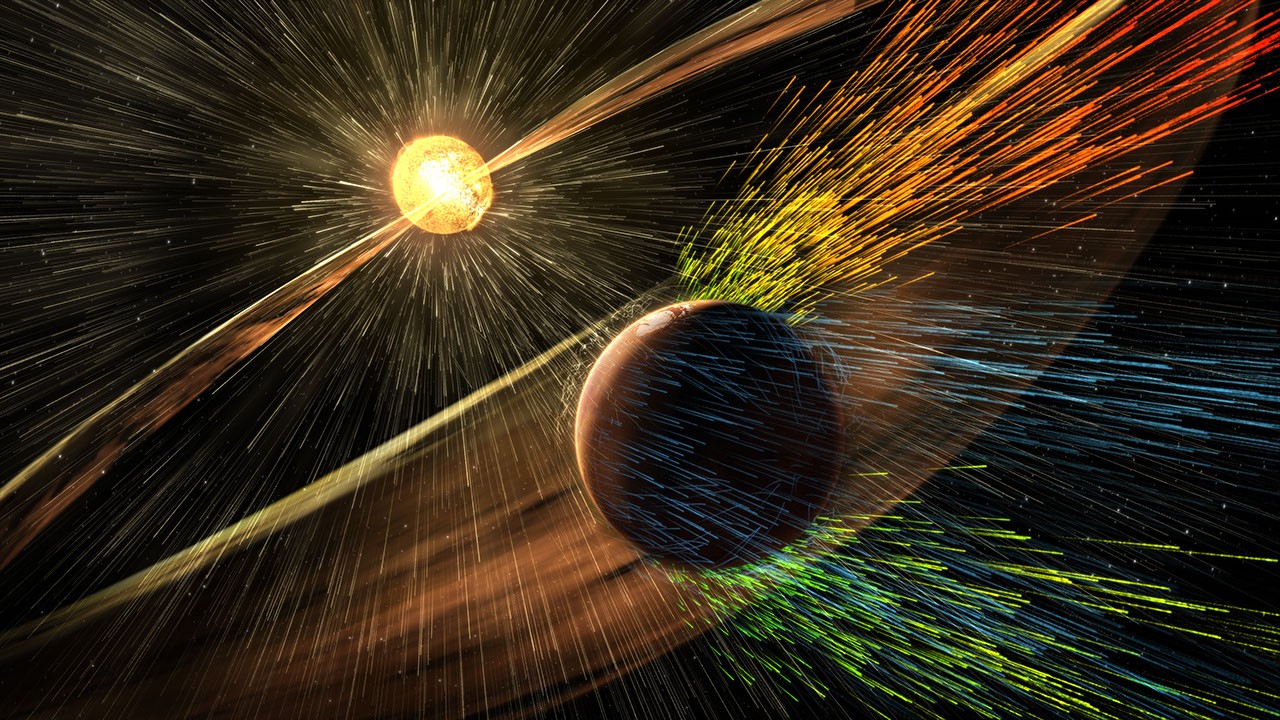
In December 2023, MAVEN watched as a large solar storm hit the Red Planet. While analyzing the data, scientists saw a strange pattern taking place deep inside the Martian atmosphere. “When investigating the data, I all of a sudden noticed some very interesting wiggles,” Christopher Fowler, a research assistant professor at West Virginia University in Morgantown and lead author of the study, said in a statement. “I would never have guessed it would be this effect, since it’s never been seen in a planetary atmosphere before.” The Zwan-Wolf effect is a phenomenon whereby charged particles are squeezed through magnetic structures called flux tubes when the magnetic field is compressed. On Earth, the effect helps redirect solar wind (a stream of charged particles) around the planet’s magnetosphere. Surprisingly, the MAVEN observations showed plasma inside Mars’ atmosphere behaving like plasma near Earth’s magnetosphere boundary.