May 29 (UPI) -- NASA scientists have discovered evidence that could help answer questions surrounding the history of water loss on Mars.
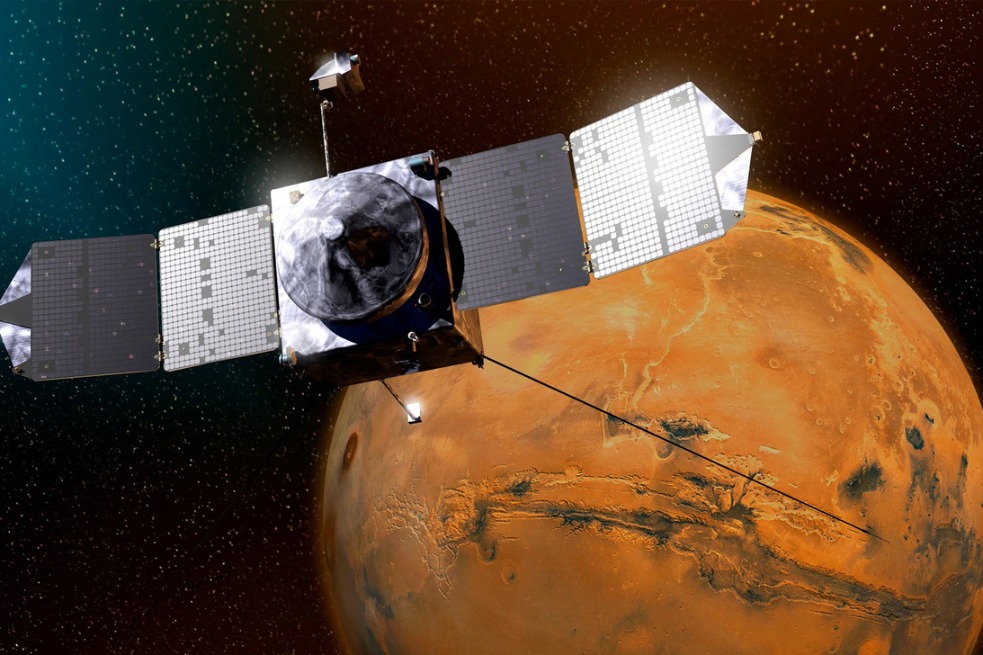
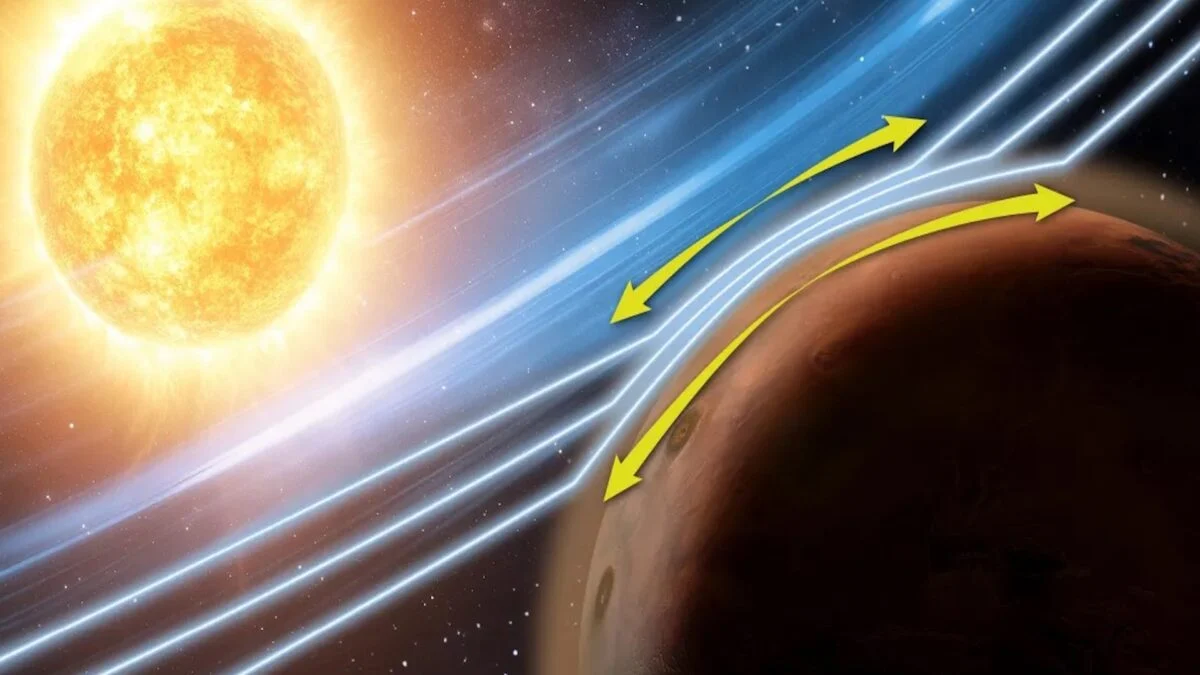
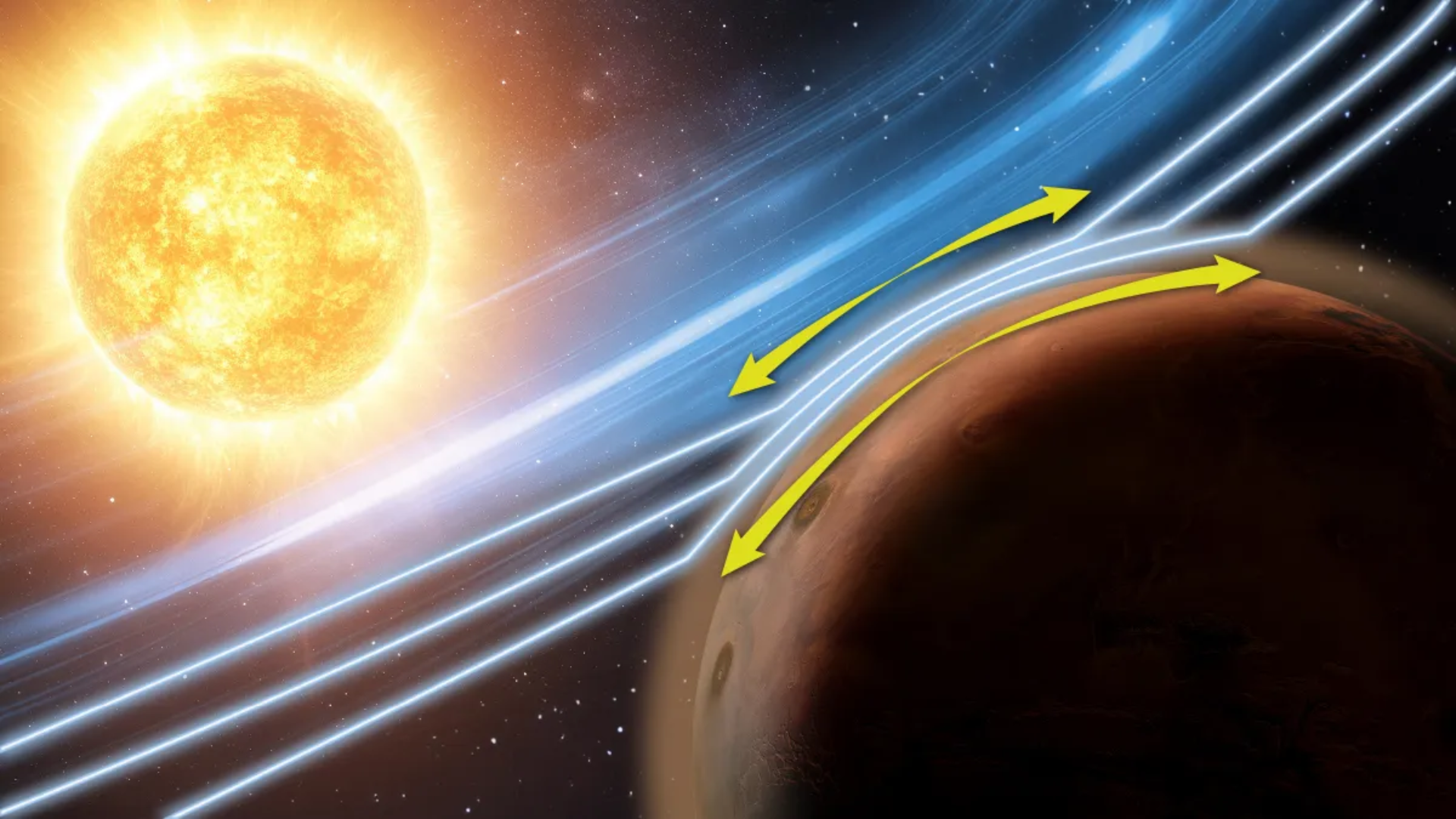
The new research comes after a decade of exploration by NASA's MAVEN (Mars Atmospheric Volatile Evolution) mission shows evidence of an escape process known as "sputtering," during which atoms are knocked out of the atmosphere by what are known as "charge particles," NASA said in a release.
"It's like doing a cannonball in a pool," Shannon Curry, a principal investigator with the MAVEN mission and a co-author of the research report, said. "The cannonball, in this case, is the heavy ions crashing into the atmosphere really fast and splashing neutral atoms and molecules out."
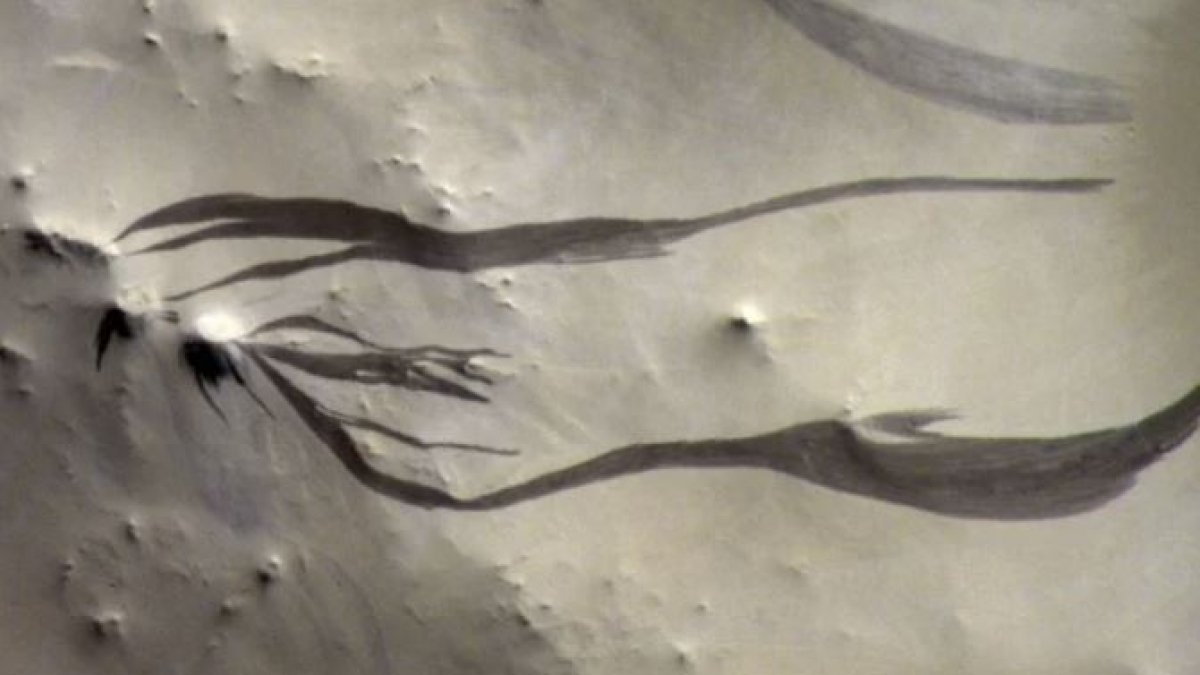
Scientists have an abundance of evidence that water existed on the Martian surface billions of years ago, but they have been trying to find out where it went. Research has shown that when Mars lost its magnetic field, its surface was exposed to solar wind storms that allowed the liquid water to escape into space.
Related