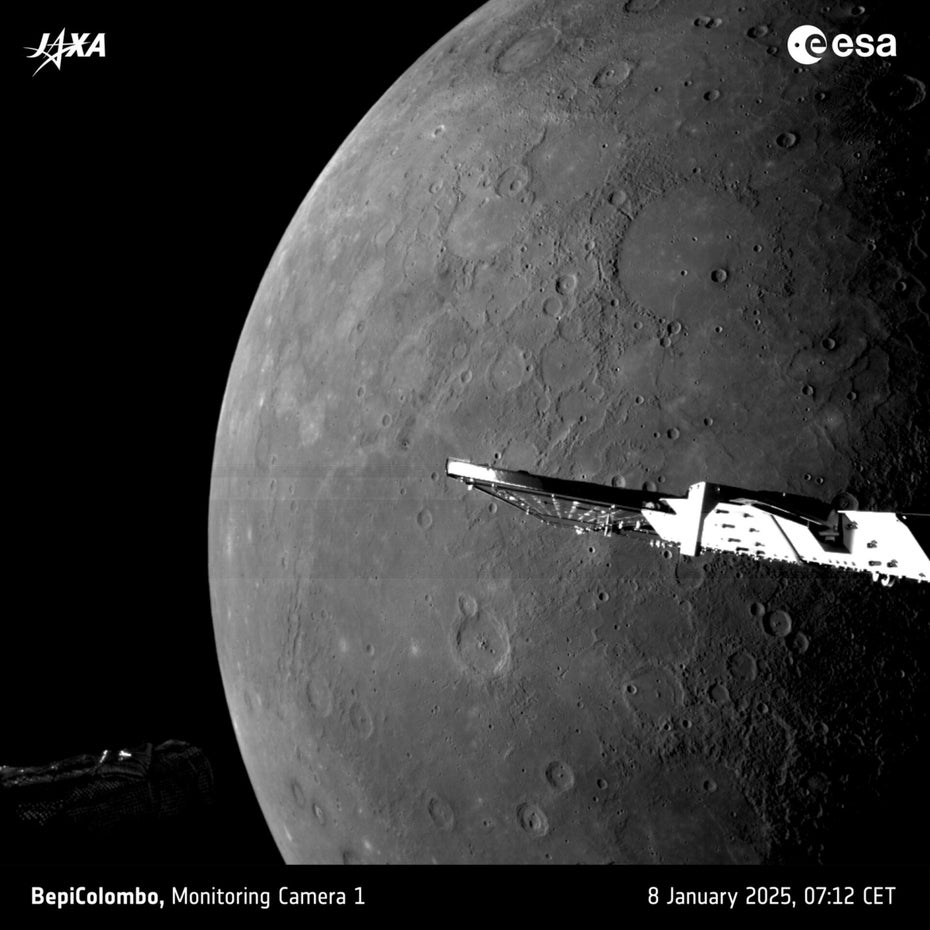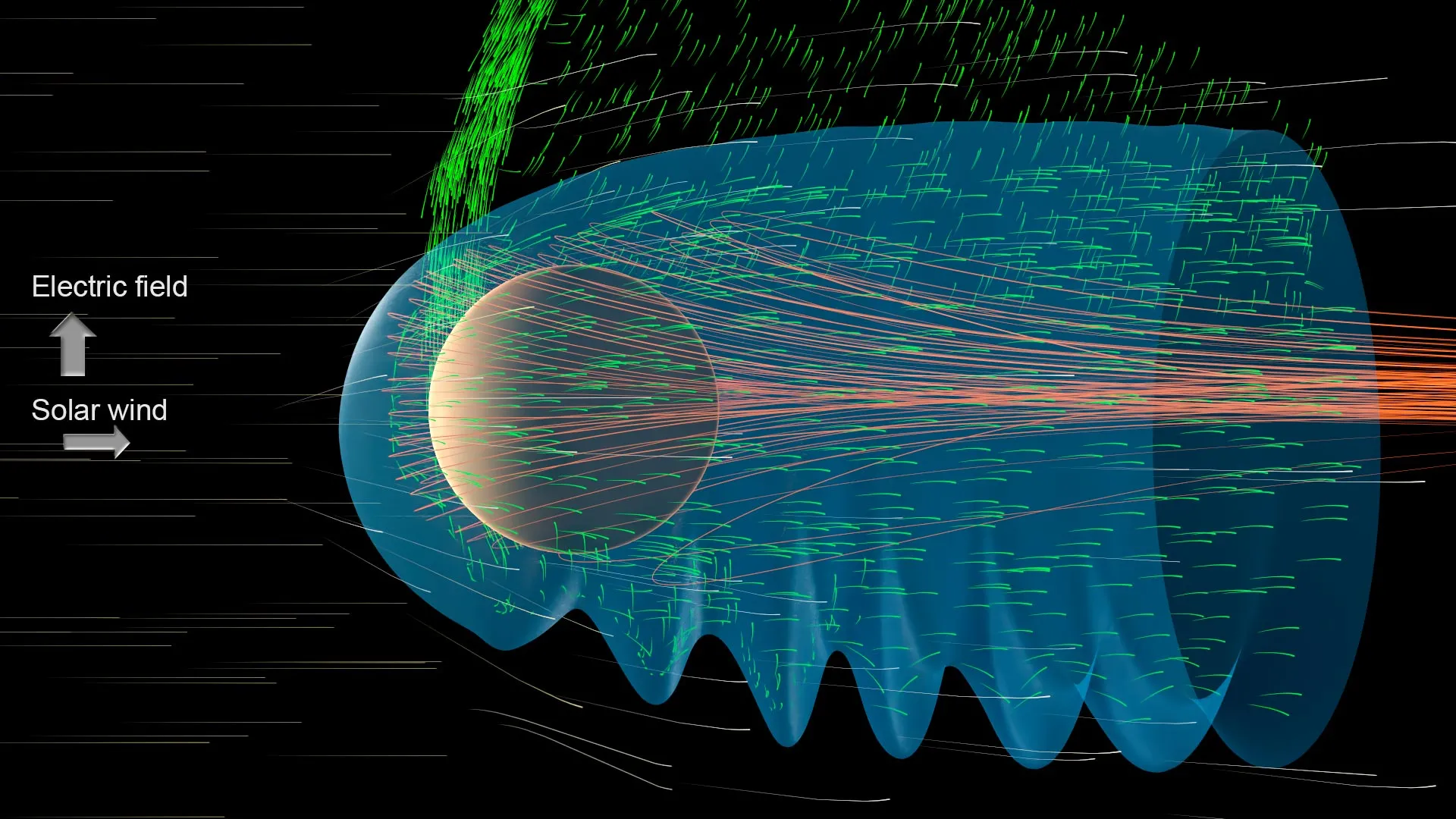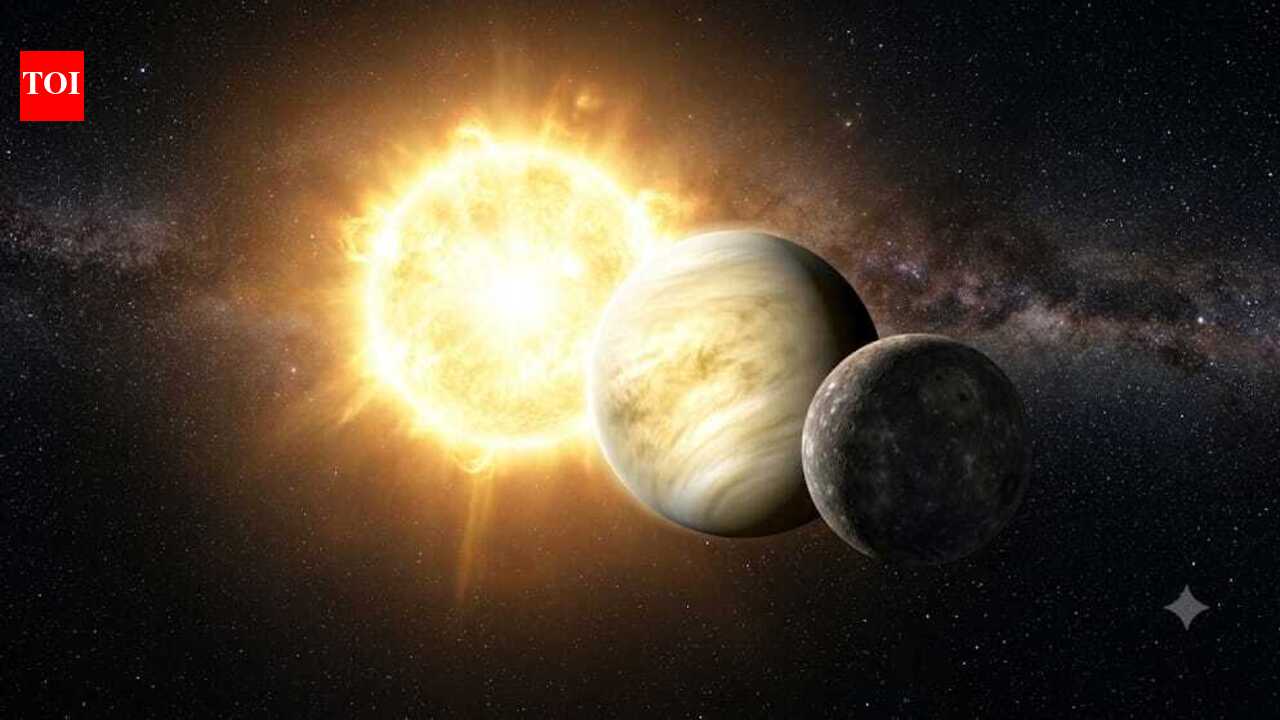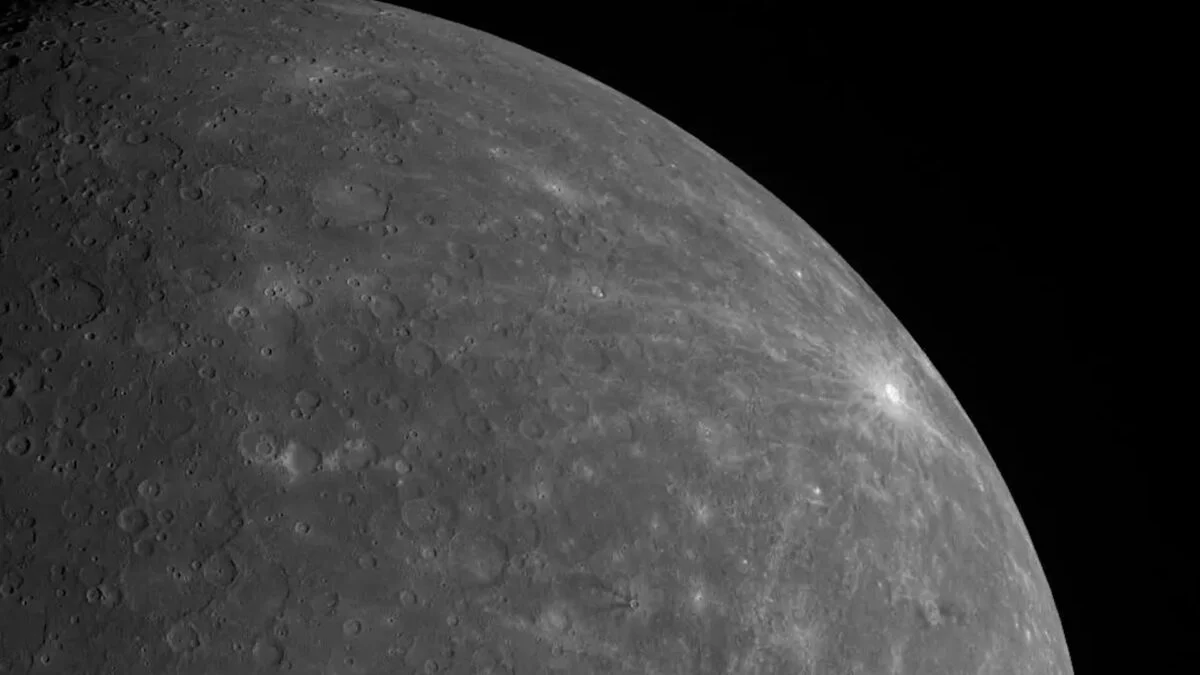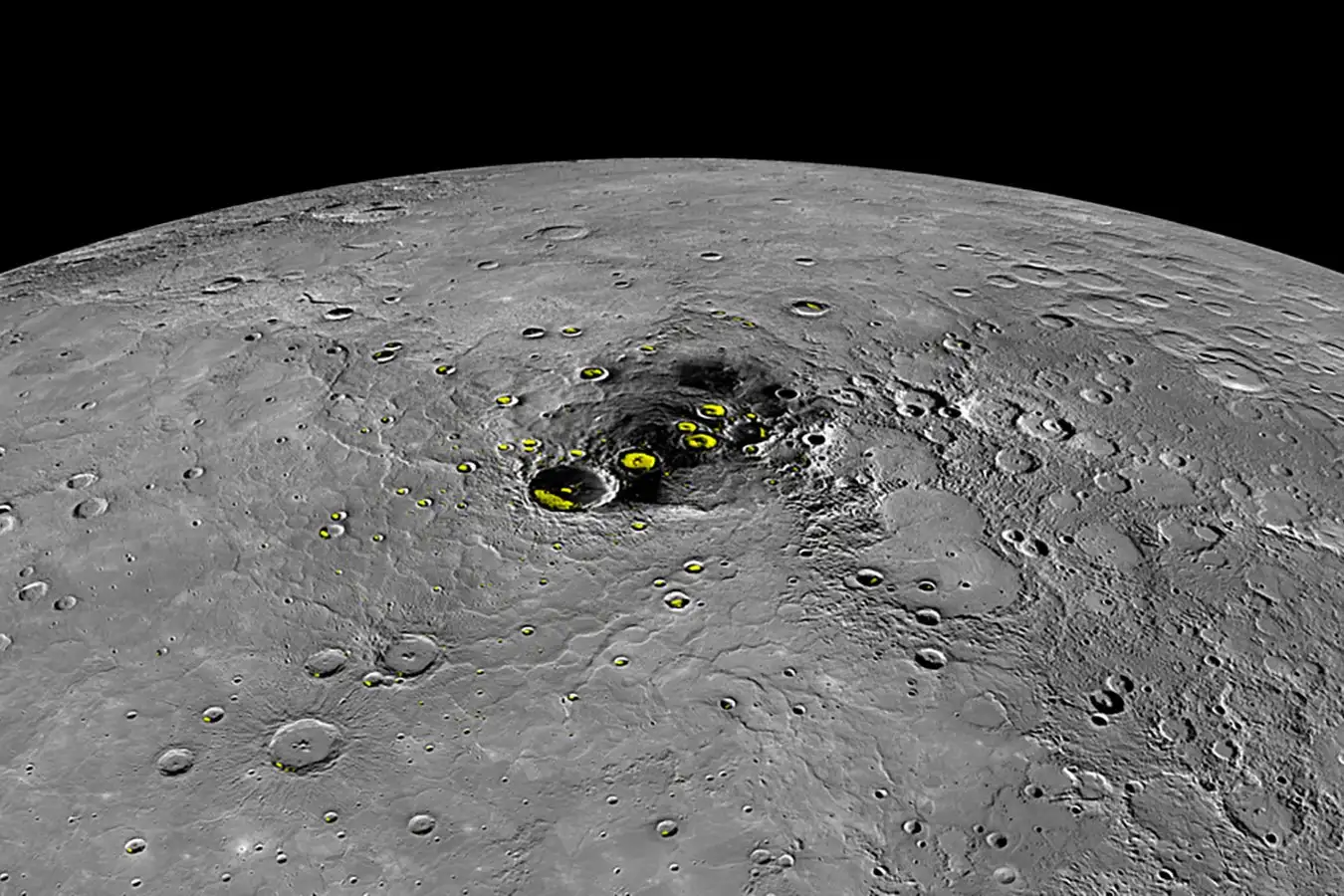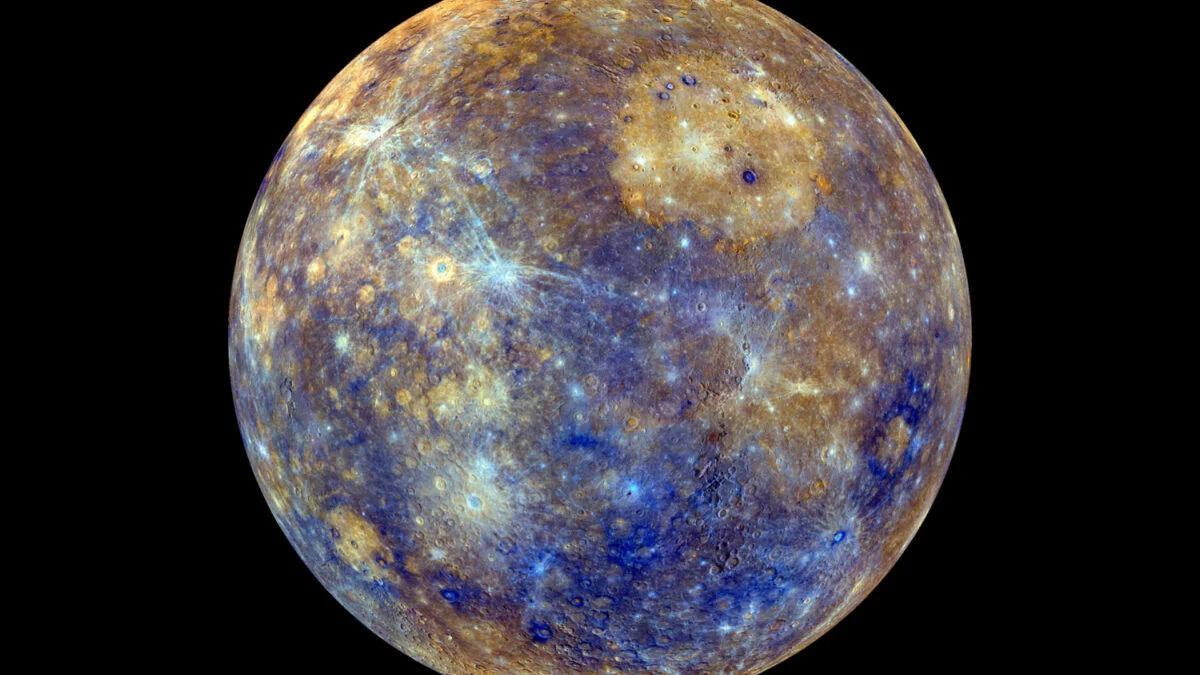
Of all the solar system’s planets, Mercury is an oddball. Despite being closest to the Sun, it’s not the hottest planet. It quickly zips around the Sun every 88 days in the shape of a squashed oval but takes an excruciating 59 days to finish one spin on its axis. But wait, there’s more: it only holds onto a radiation belt less than half the time. Specifically, Mercury’s radiation belt exists about 50% of the time when the planet is farthest away from the Sun, whereas it’s there for about 20% of the time at closer distances. In a study published yesterday in Nature Astronomy, researchers confirmed that, contrary to longtime assumptions, Mercury also has a radiation belt much like those of most planets encapsulated by magnetic fields. So Mercury is officially even weirder than we thought, but the findings also will inform future missions headed in that direction. “When we think about the future exploration of space and what instruments we send to Mercury, we’ll want to be aware of this radiation belt and take the right sort of precautions and design around it,” Ryan Dewey, the study’s co-first author and an engineer at the University of Michigan, said in a statement.
A buzzy capsule A planet’s magnetosphere shields it against powerful solar radiation. On Earth, the magnetosphere protects our planet from extreme solar weather by trapping the high-energy particles within its magnetic field. This results in two permanent radiation belts, called the Van Allen Belts, which “surround the Earth like enormous donuts,” according to a NASA explainer.