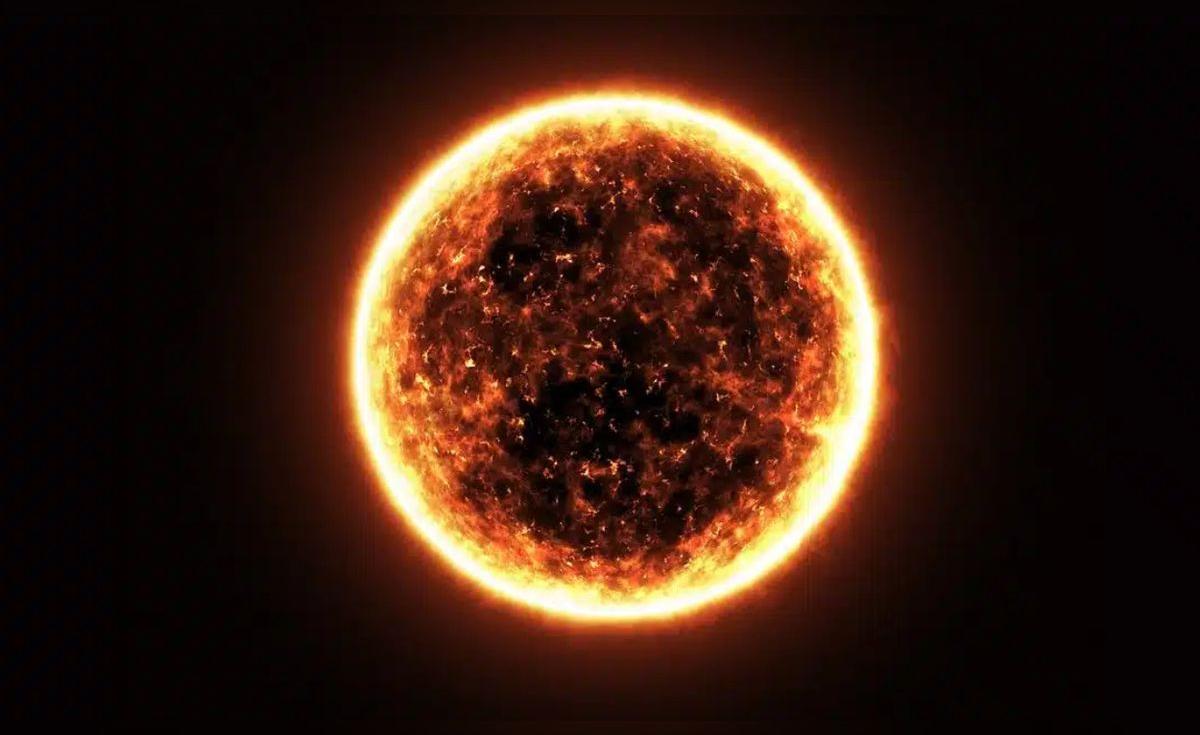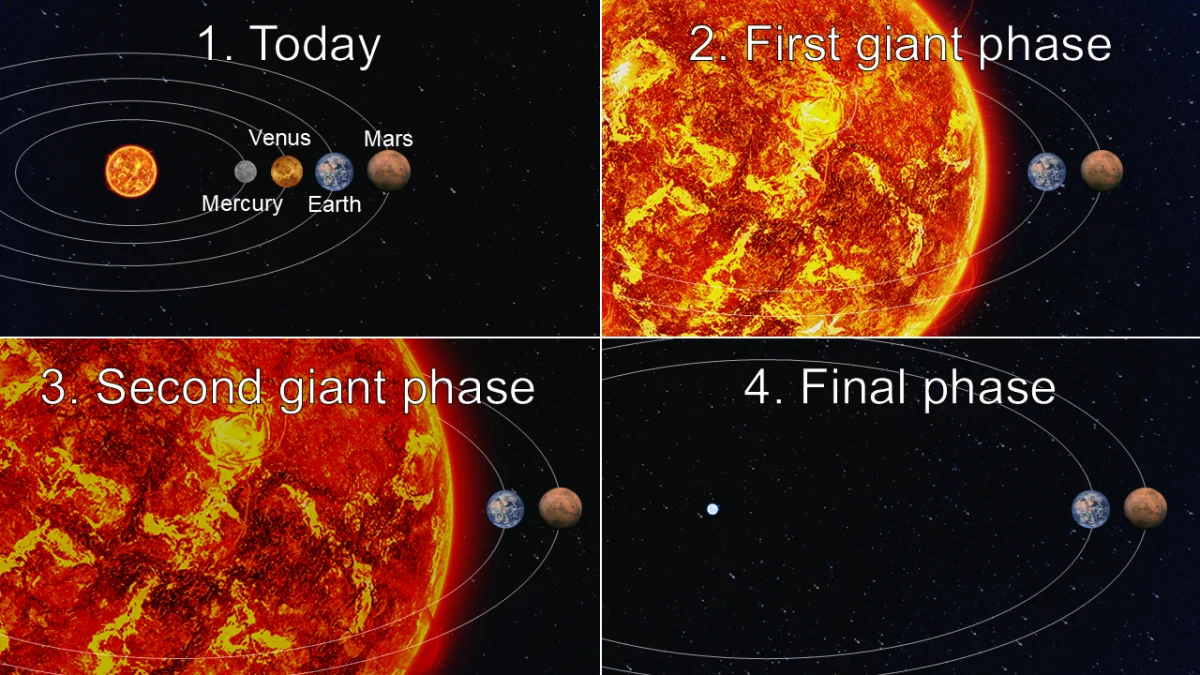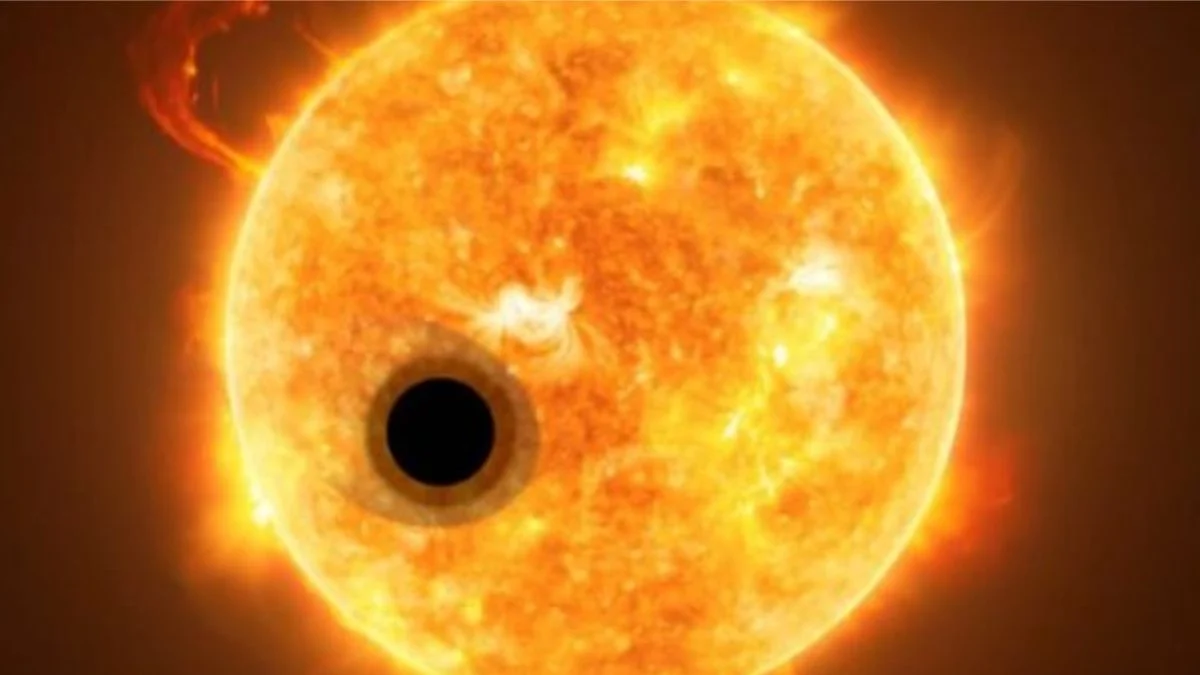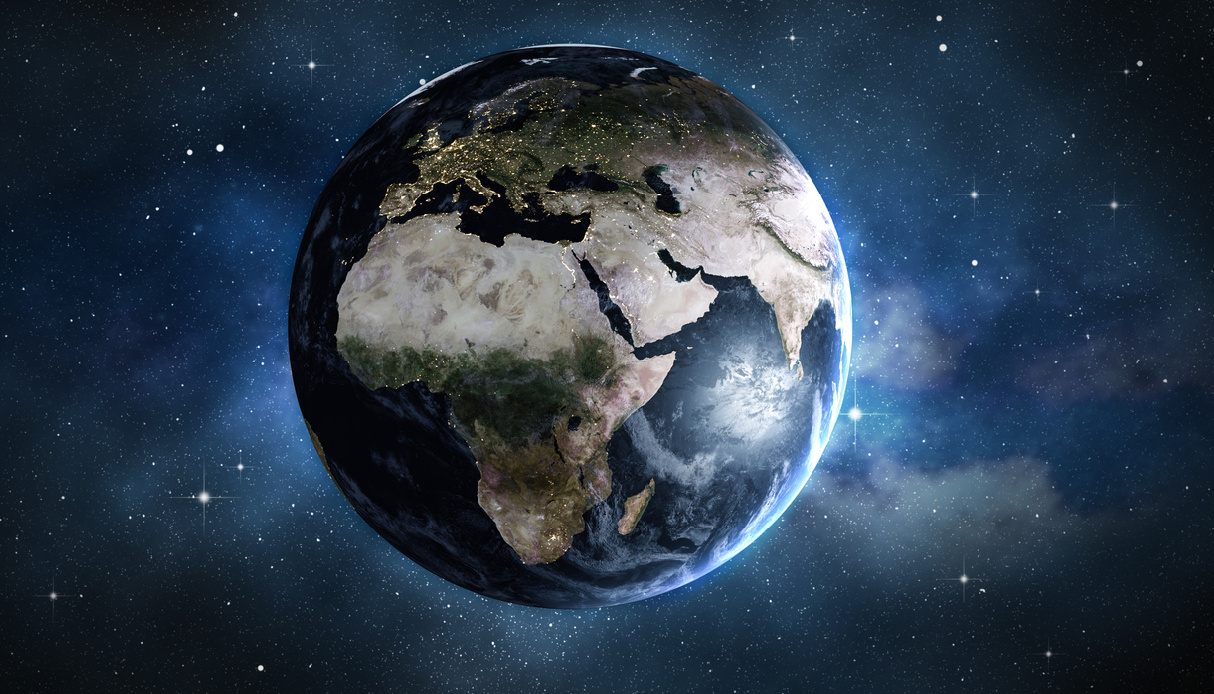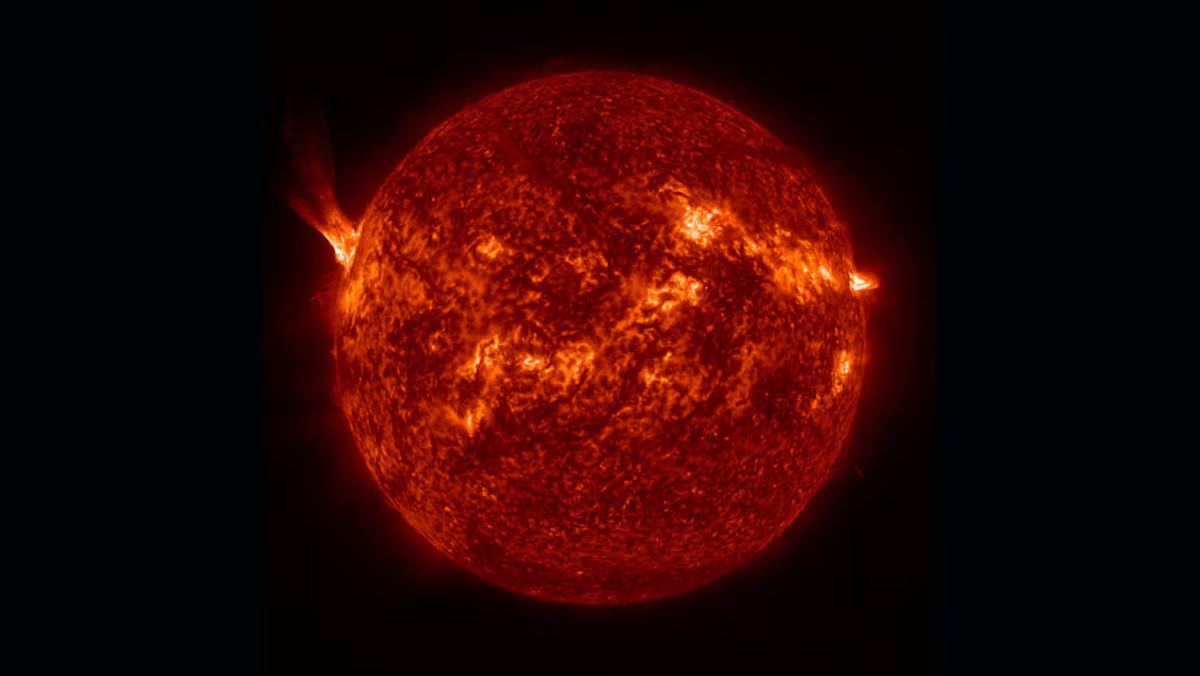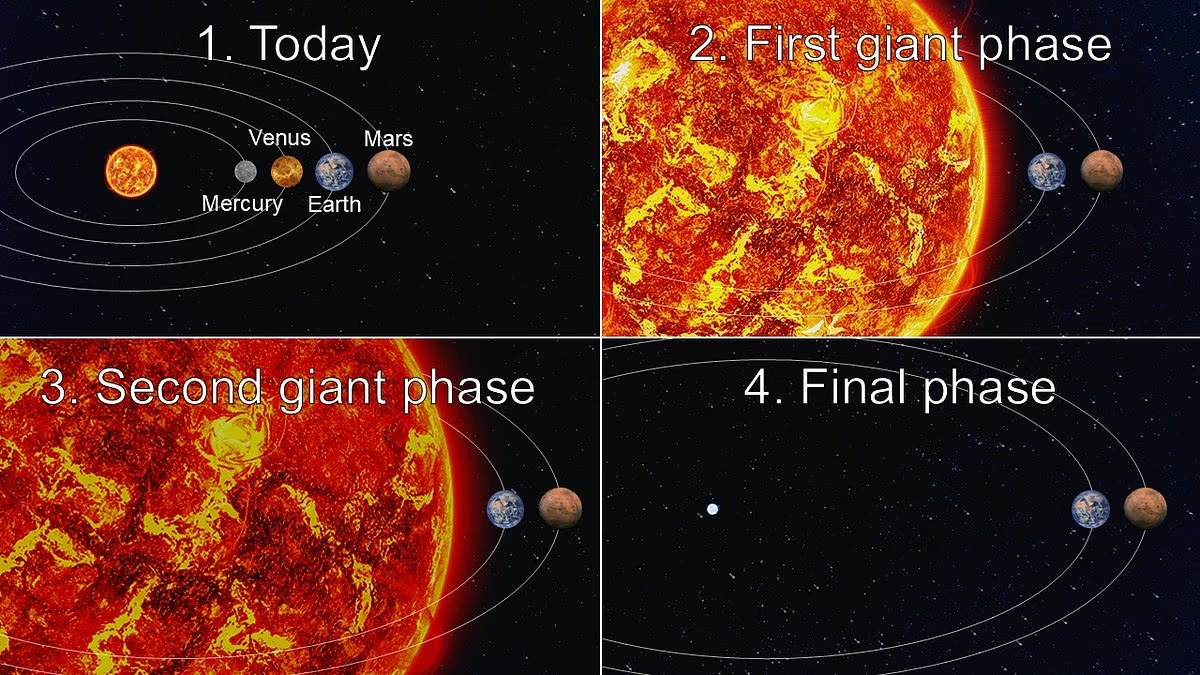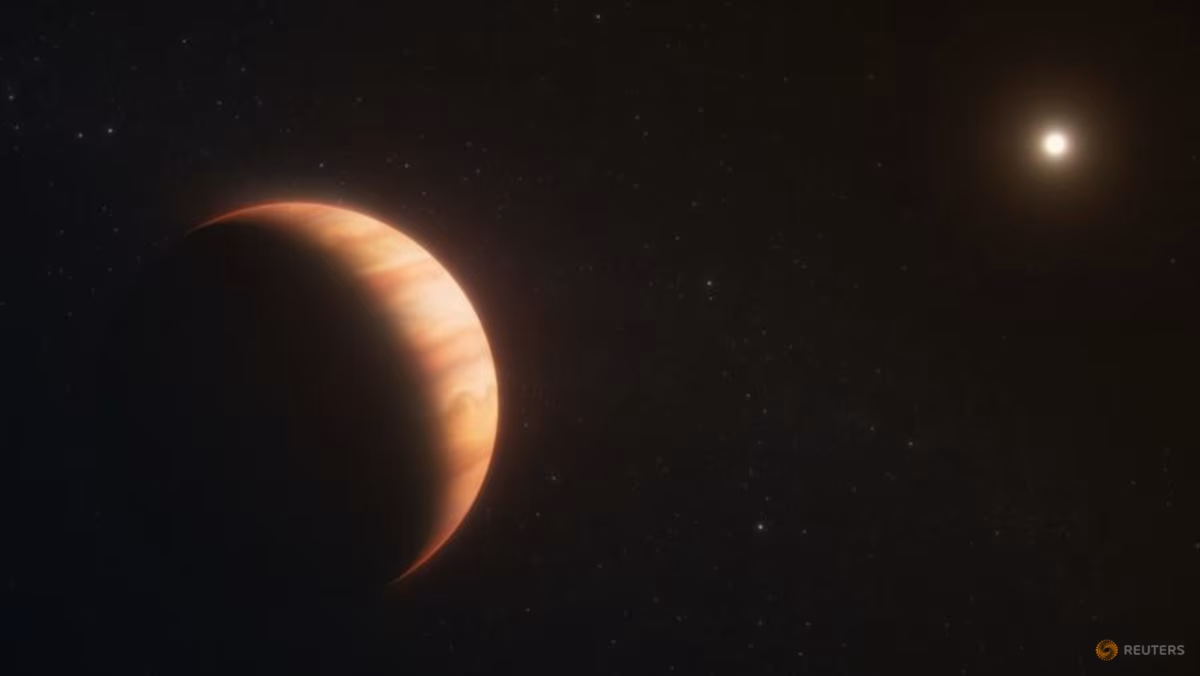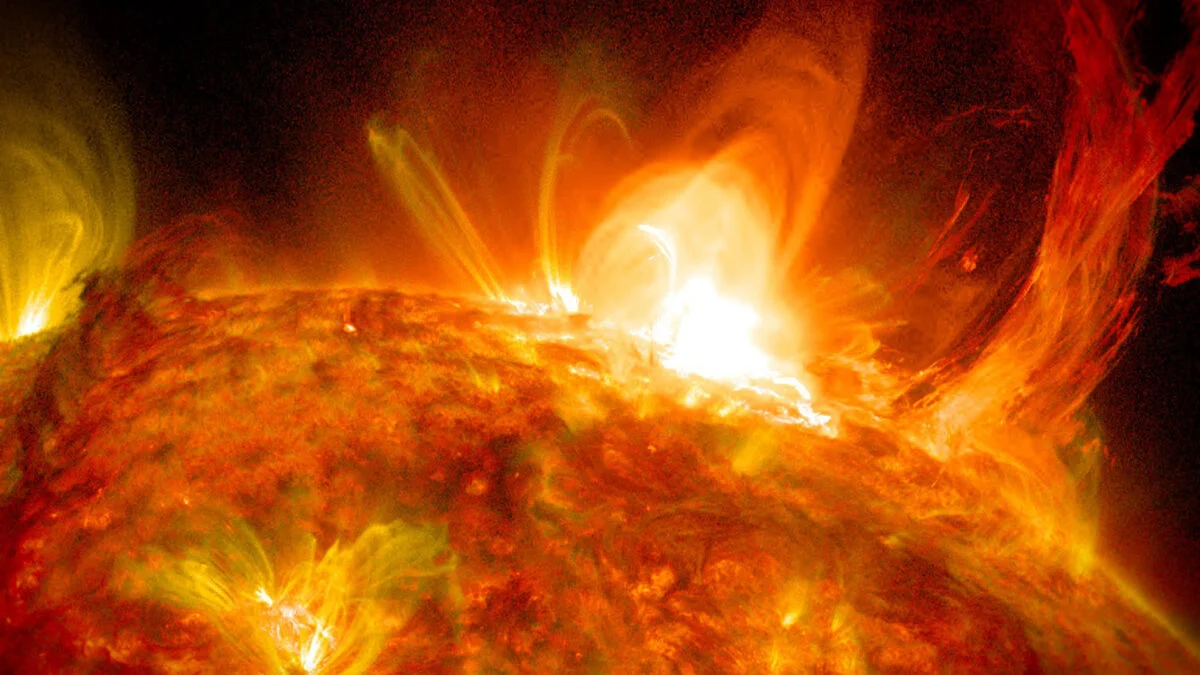
In about five billion years, the Sun will reach the end of its life and grow to hundreds of times its current size. The star’s looming death will dramatically reshape the inner solar system, engulfing Mercury and Venus in a fiery sphere. The fate of Earth, however, remains a point of debate. Now, new research suggests our planet may have a chance of escaping the Sun’s blazing outer layers. An international team of astronomers reassessed Earth’s chances of survival using models of stellar evolution and tidal interactions. The findings, published in Astronomy and Astrophysics, offer an alternative scenario in which our planet drifts farther away from its dying star if the Sun loses its gravitational grip on Earth. While the planet itself may endure, life on Earth will become impossible as the Sun reaches its final, giant phases. Death of a star The Sun is currently about halfway through its life. Over the next billions of years, the star will continue to evolve and undergo gradual changes before it reaches the end of its life. The Sun’s outer atmosphere will drift away into space, and its remaining core will be a white dwarf.
Once the Sun has exhausted the hydrogen at its core, its outer layers will expand enormously as it turns into a red giant. At this point, there are two possible outcomes for the fate of Earth. As the Sun expands, that could increase the gravitational tidal forces that pull our planet inward. Conversely, the Sun could rapidly lose its mass, allowing Earth to escape its gravitational grip, according to the new study.