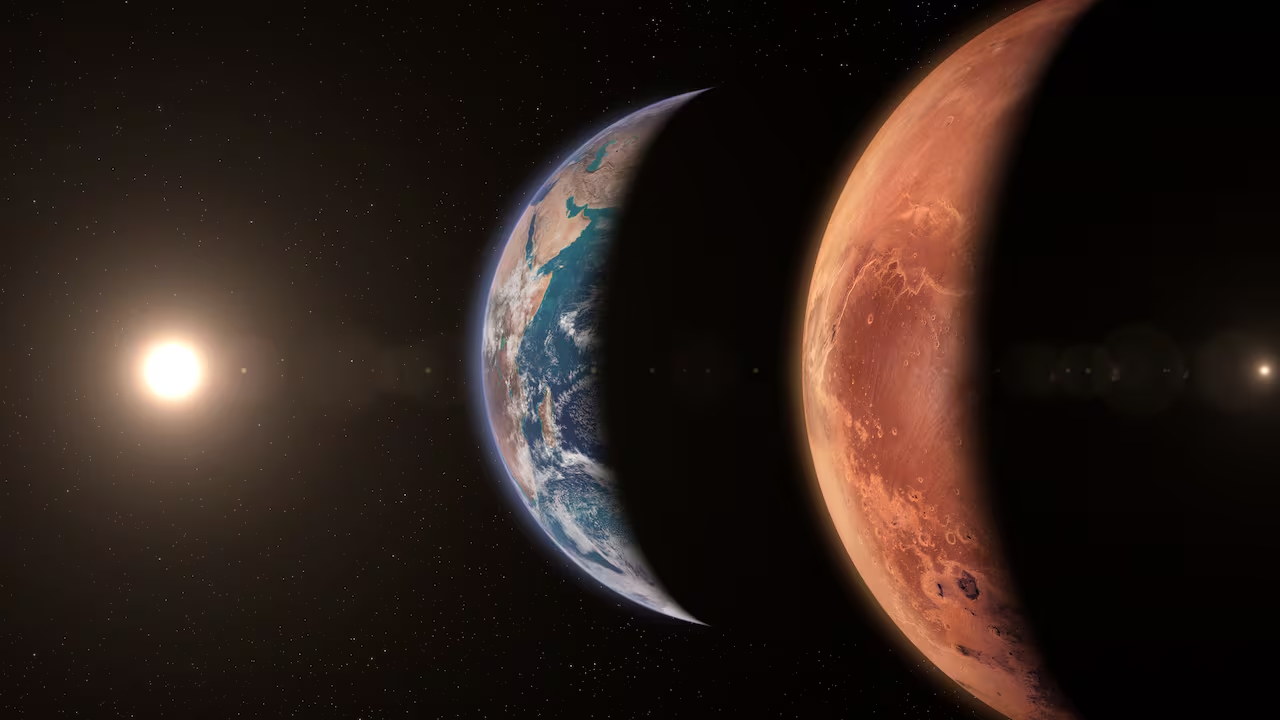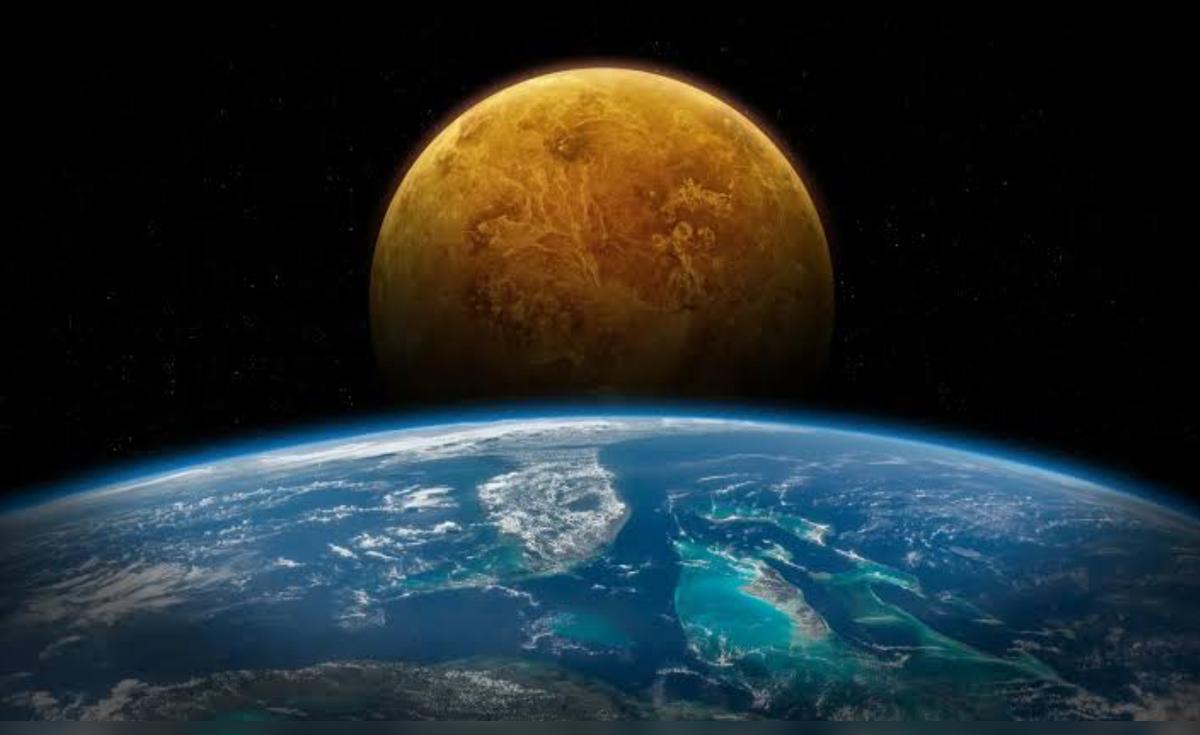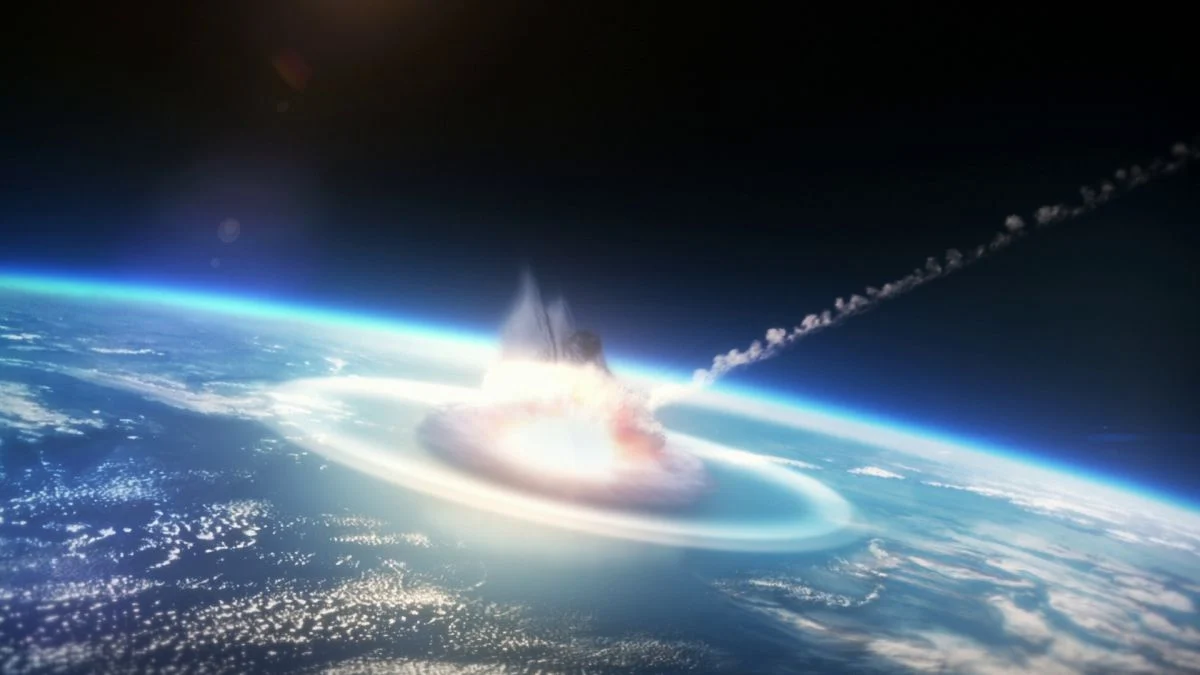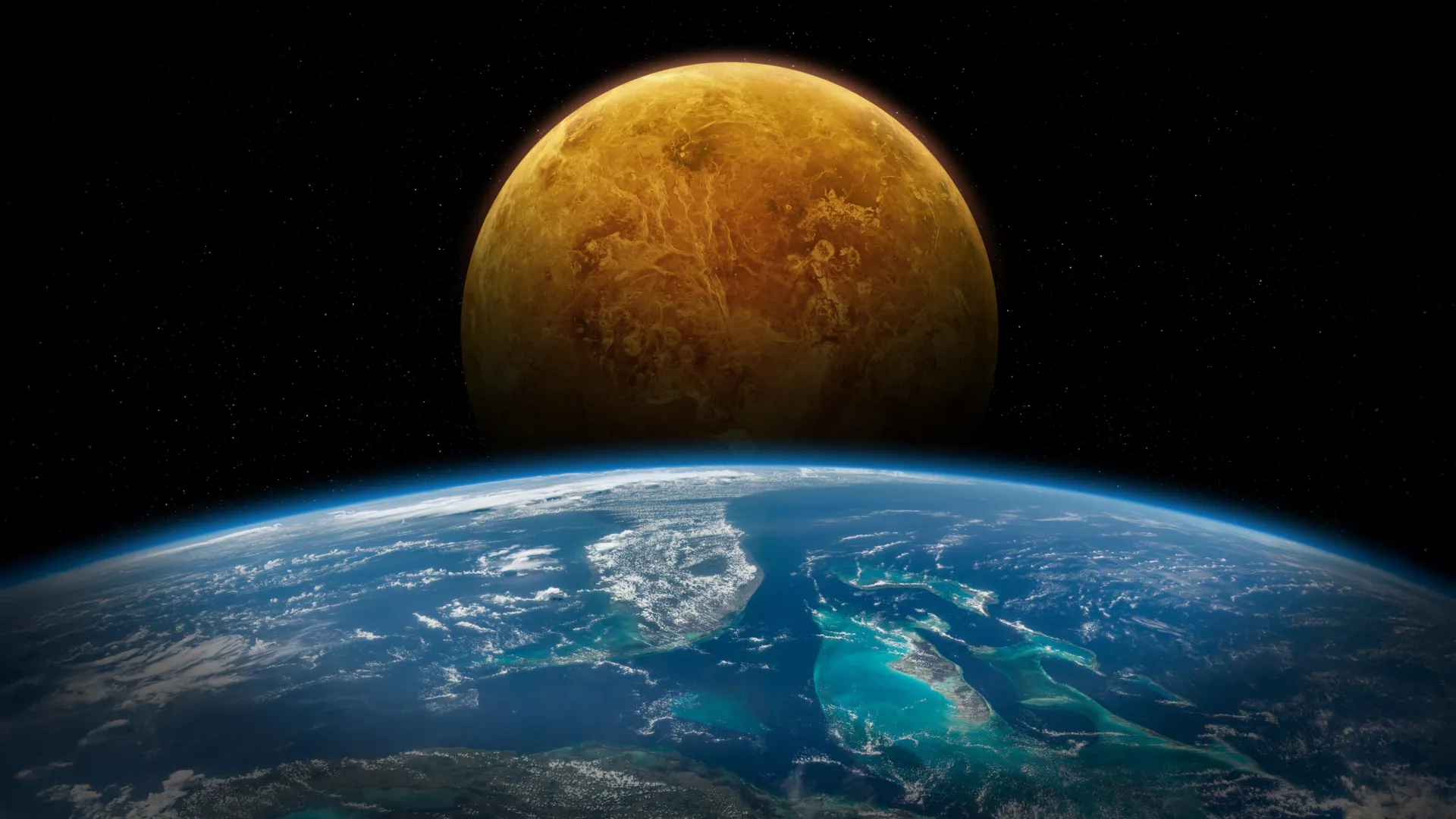
The theory of panspermia proposes that life, or the ingredients needed for it, can spread throughout the cosmos aboard asteroids, comets, and other rocky objects. When life develops on a planet, powerful impacts can blast material from its surface into space, potentially carrying microscopic organisms or organic compounds to other worlds. Scientists have long debated whether this kind of transfer may have occurred between Earth and Mars (in both directions). More recently, renewed interest in the possibility of microbial life within Venus' thick cloud layers has expanded that discussion to include Earth, Venus, and Mars.
A recent study presented at the 2026 Lunar and Planetary Science Conference (LPSC) takes a closer look at that possibility. Researchers from The Johns Hopkins University Applied Physics Laboratory (JHUAPL) and Sandia National Laboratories used the "Venus Life Equation" (VLE), a framework developed by Noam Izenberg et al. in 2021, to estimate how material from Earth could introduce life into Venus' atmosphere. Their modeling suggests that life delivered from Earth could potentially survive in Venus' clouds for at least a few days per century.
The Venus Life Equation
Like the famous Drake Equation, the VLE estimates the probability of life by combining several contributing factors. Each factor is multiplied together to produce an overall estimate of the likelihood that life exists.