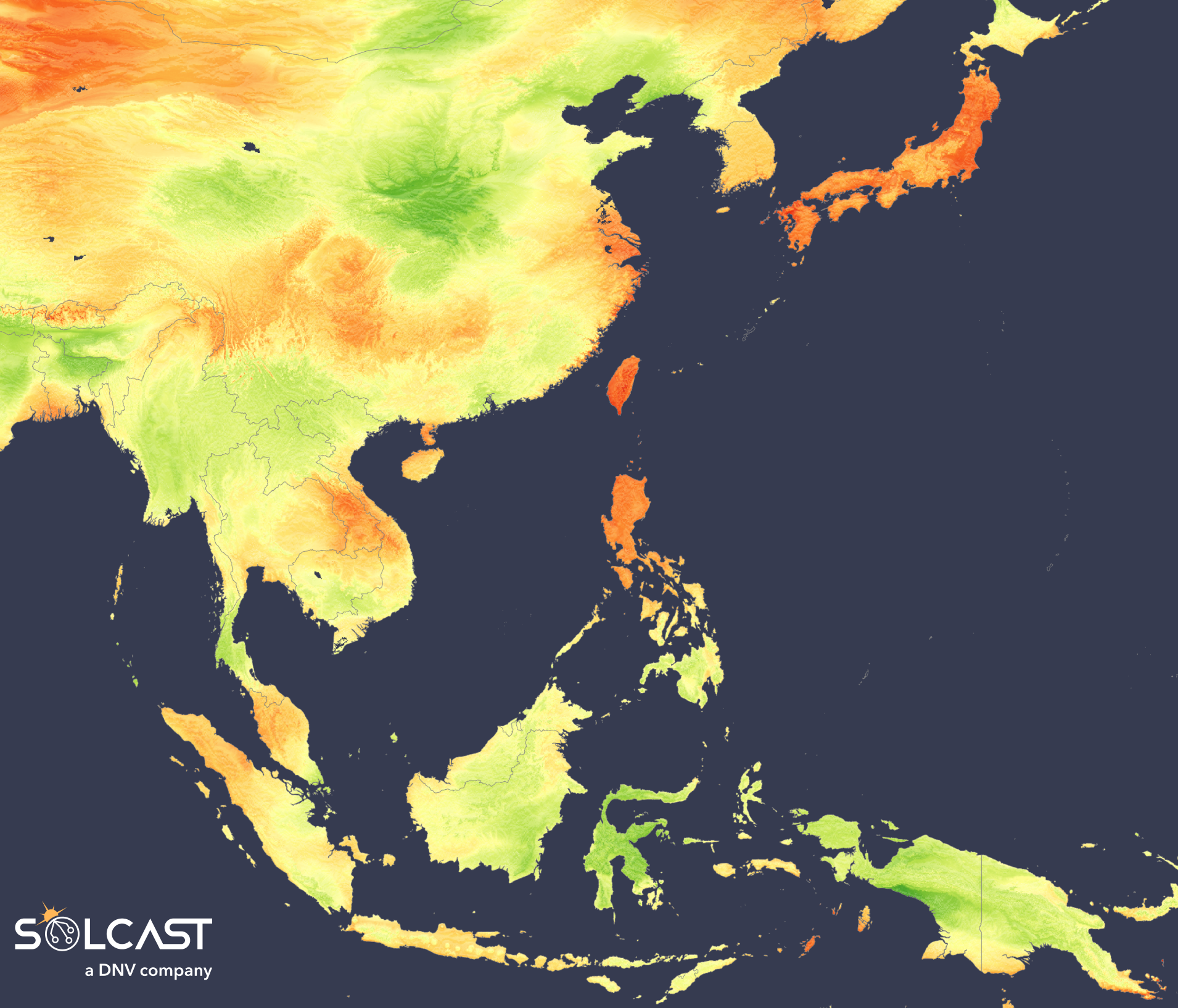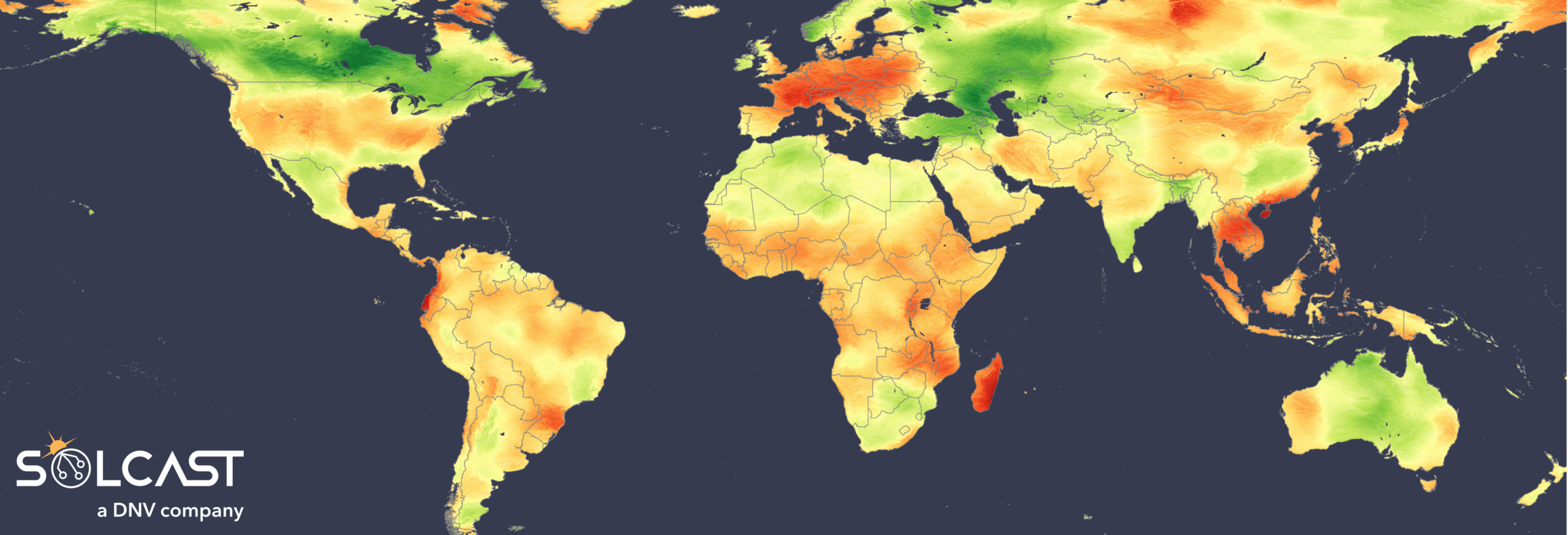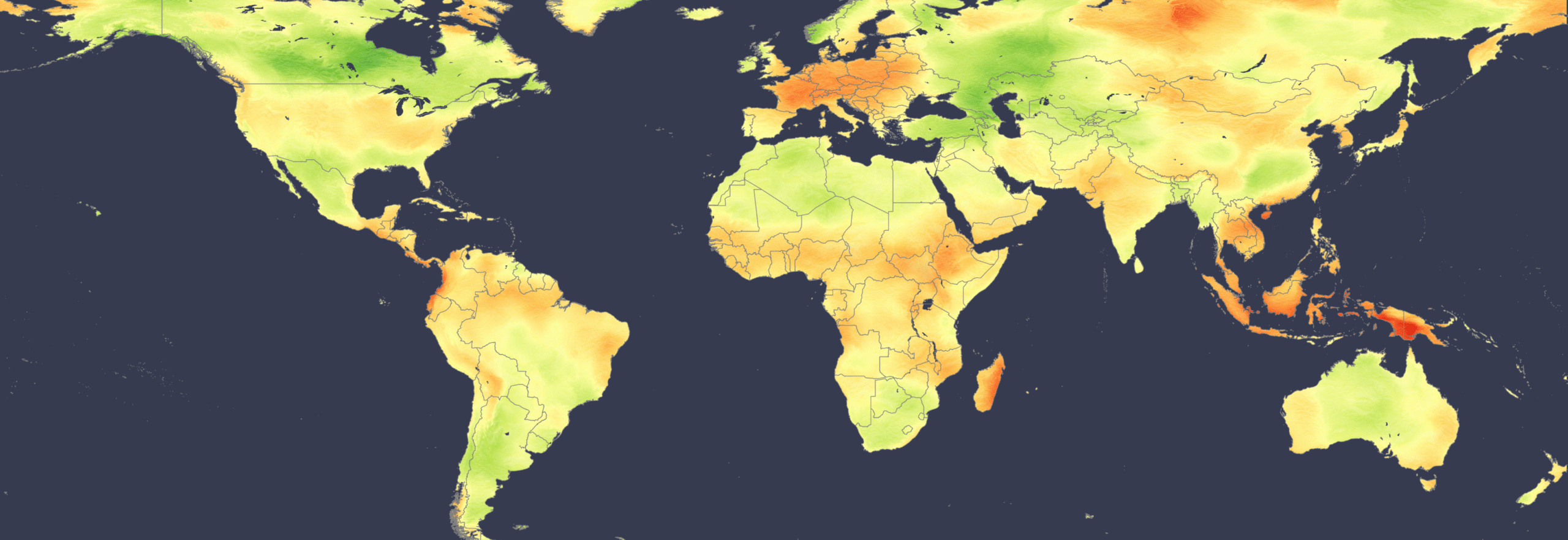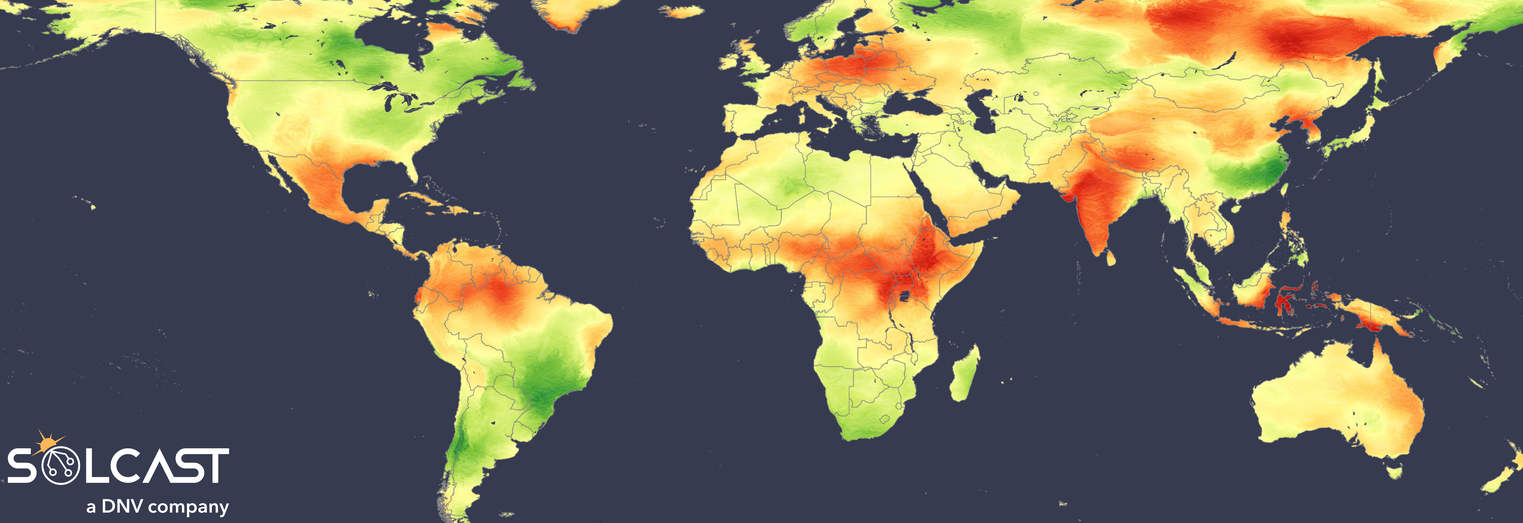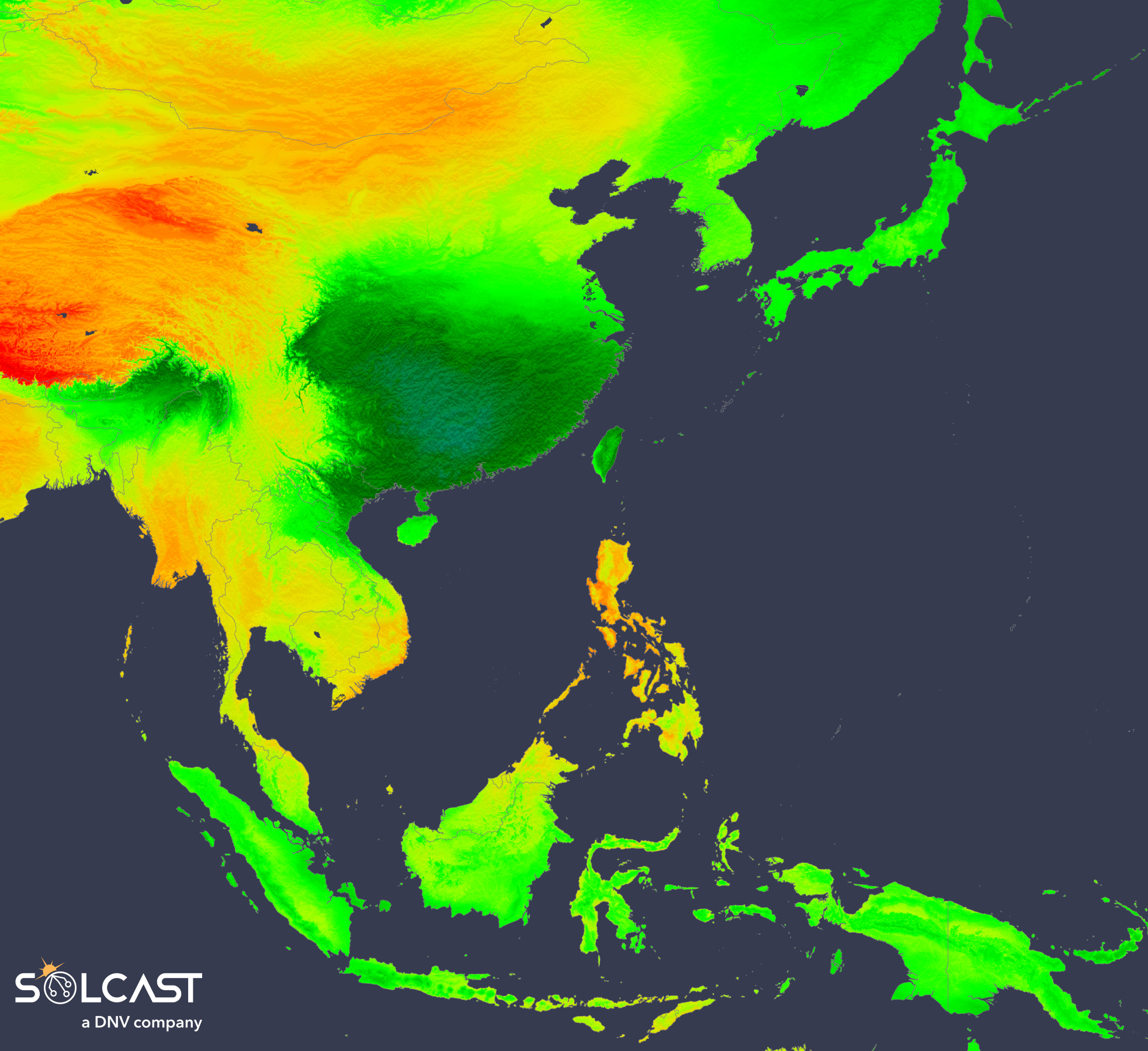
In a new weekly update for pv magazine, Solcast, a DNV company, reports that a fading La Niña and ENSO transition led to widespread above-normal solar irradiance across Southeast Asia, especially mainland regions where persistent heat, low humidity, and clear skies drove record sunshine in places like Bangkok. Japan and South Korea saw mixed, storm-influenced conditions with near-normal or slightly below irradiance, while southern China stayed generally sunnier except the Yangtze Delta, where heavy cloud and rain reduced solar output by about 10%.
Extreme pre-monsoon heat and an unusually dry atmosphere lifted irradiance well above average across mainland and maritime Southeast Asia, while the fading La Niña reduced convective cloud across much of the western Pacific, according to analysis using the Solcast API. Southern China broadly extended its above-normal run for 2026, though the Yangtze Delta lagged as cloud and rain impacted solar production. Japan and South Korea stood apart, with storms and elevated moisture keeping irradiance close to, or slightly below, normal despite warm temperatures.
Across mainland Southeast Asia, persistent heatwave conditions were the dominant driver. The region averaged around 10% above the 2007–2025 irradiance baseline, with roughly 95% of locations exceeding normal levels. Bangkok recorded its sunniest April in the 20-year Solcast API data record, finishing 14.5% above the historical mean and well ahead of any previous year.