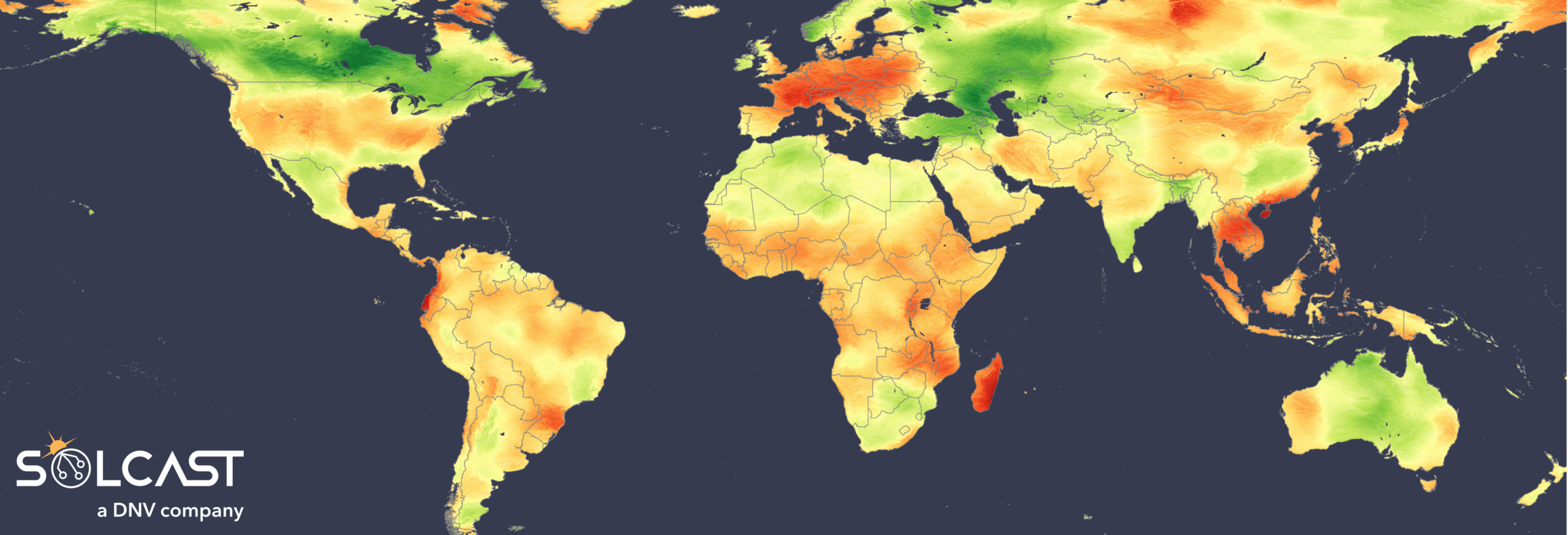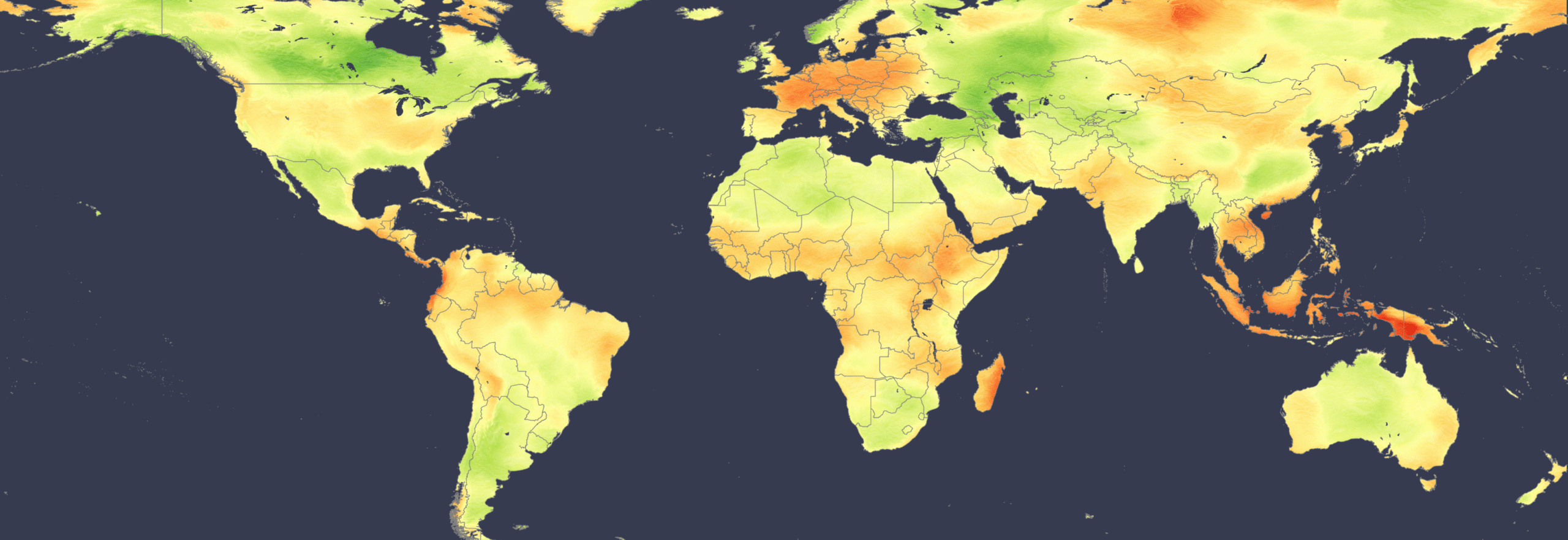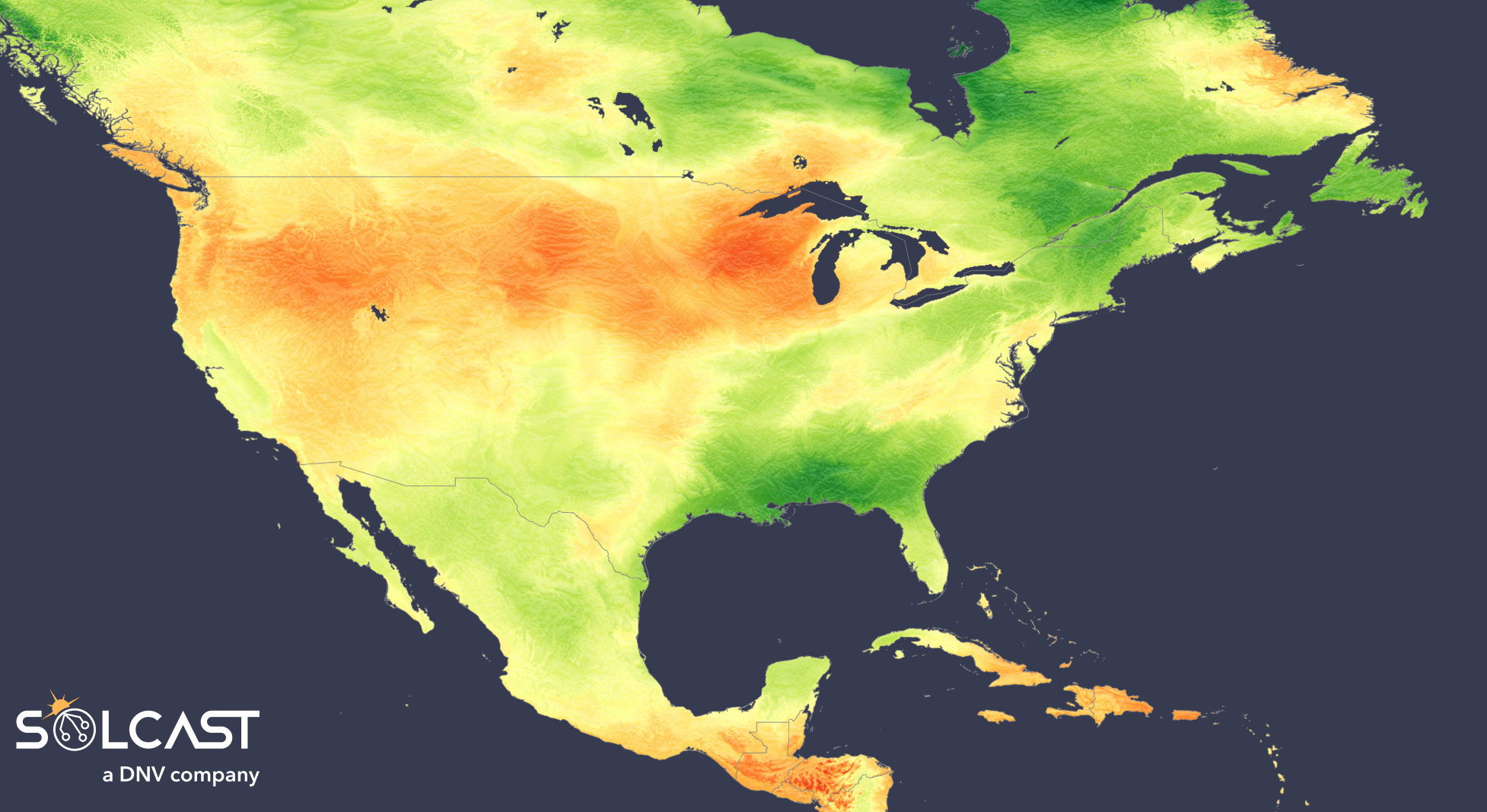
In a new weekly update for pv magazine, Solcast, a DNV company, reports that the western half of North America enjoyed positive anomalies in May while the south and east saw widespread deficits.
May irradiance patterns across North America showed a familiar east–west split, with strong positive anomalies across the western half of the continent and widespread deficits in the south and east, according to analysis using the Solcast API. A high pressure system supported clear skies and positive anomalies across much of the western half of the continent, while a more active, convectively unstable regime dominated the eastern and southern regions, limiting solar resource through frequent cloud and rainfall events.
Across the western interior, high pressure system remained anchored through much of May, promoting large-scale subsidence and suppressing cloud development. This setup produced broadly positive irradiance anomalies across the western United States. The strongest departures from the long-term average were observed over the northern Plains, Wyoming, Montana, and the western Great Lakes, where anomalies reached around +20%. In these regions, the sustained clear-sky conditions allowed irradiance totals to accumulate well above average for the month.