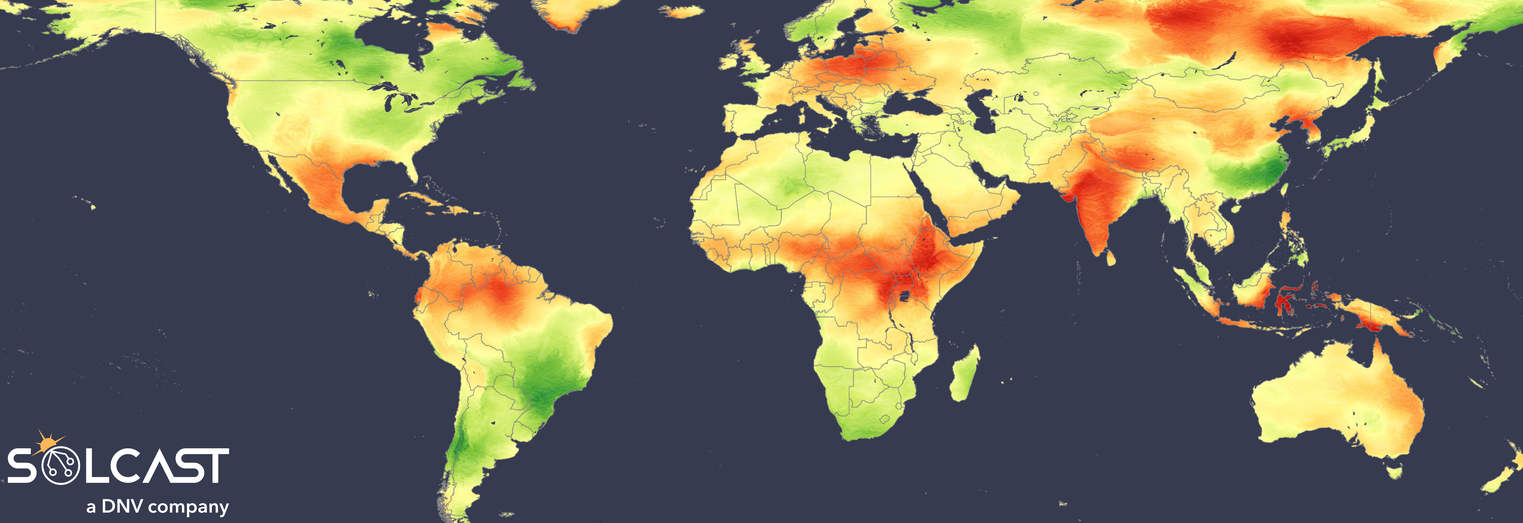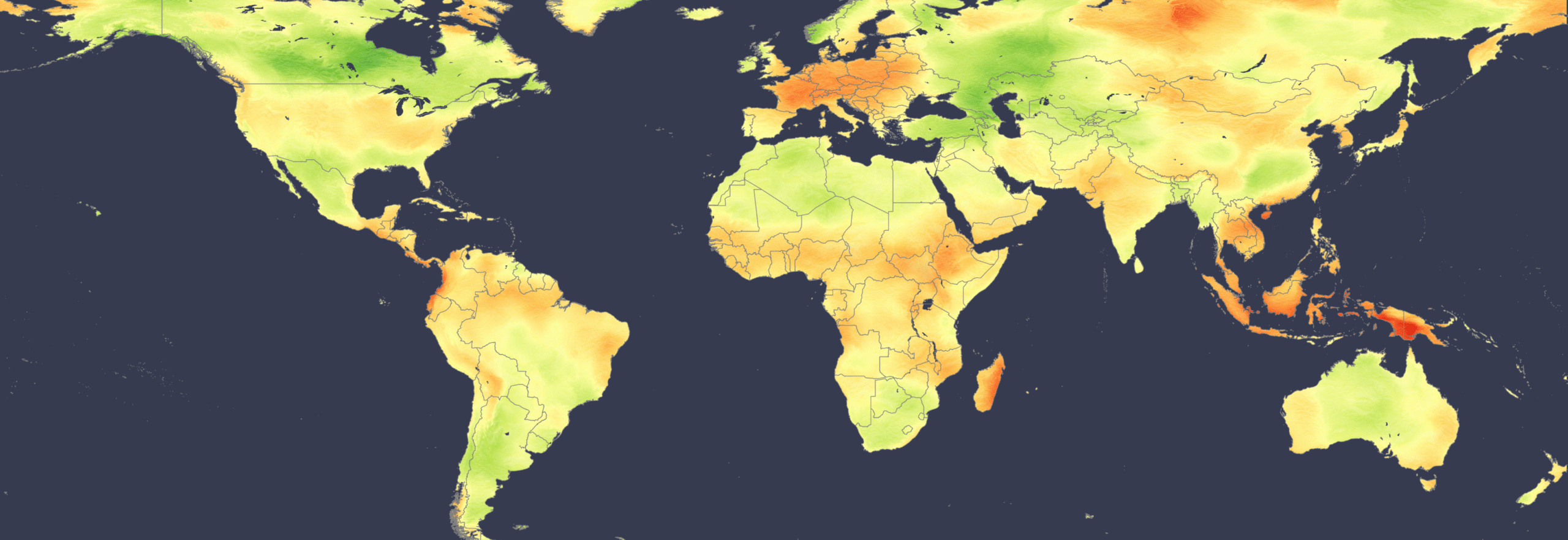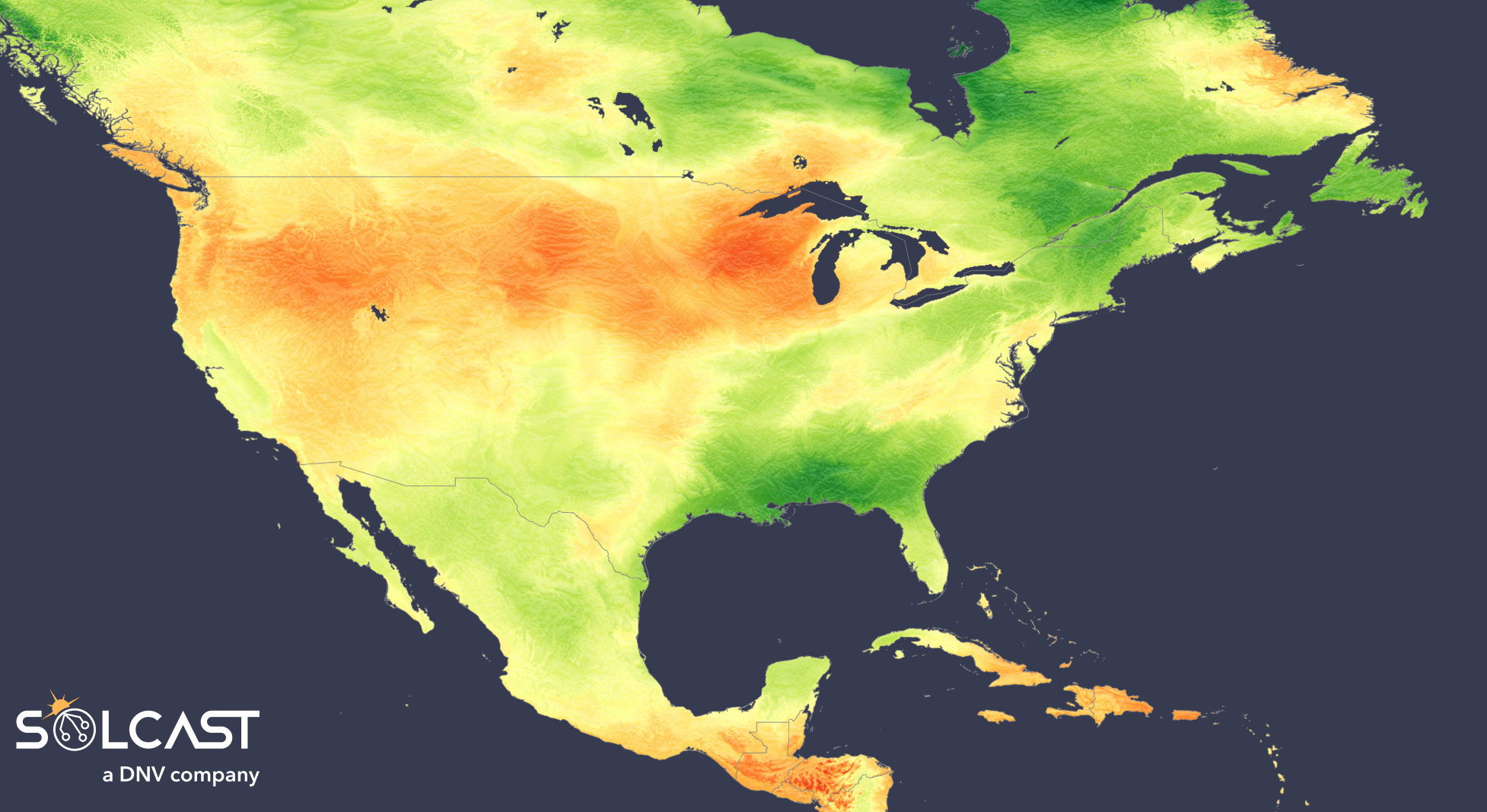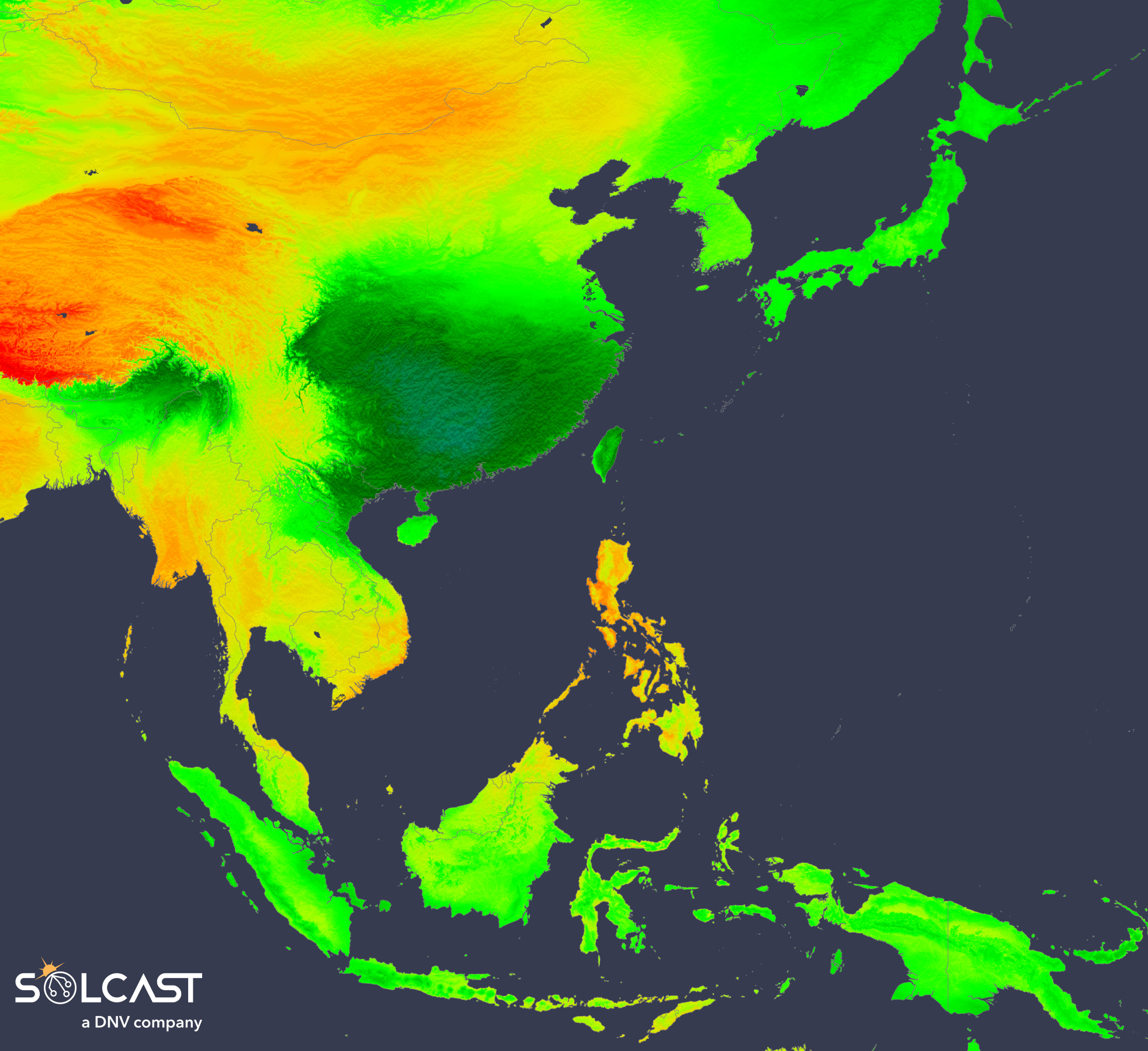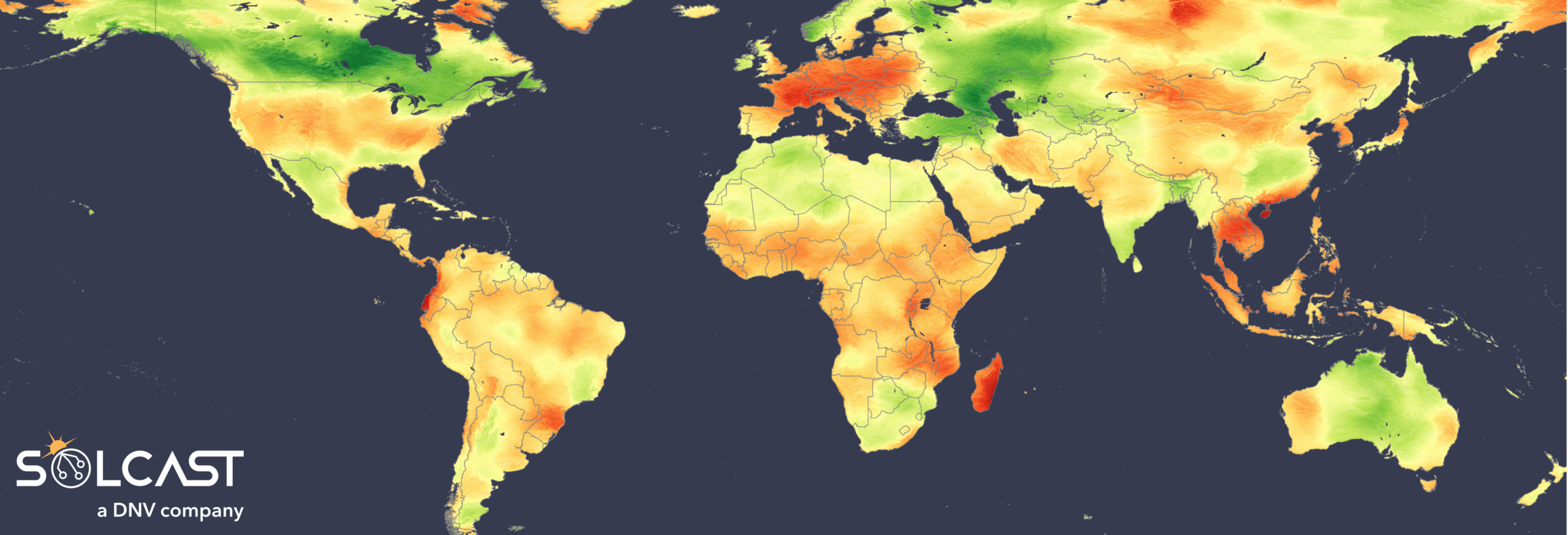
In a new weekly update for pv magazine, Solcast, a DNV company, reports that, in the first half of 2026, solar irradiance was broadly above average across Europe, the United States, Southeast Asia, South America, and Central Africa, driven by shifting atmospheric patterns transitioning from early-year blocking and polar vortex disruption to developing El Niño conditions. Elsewhere, conditions were more mixed: Canada, Mexico, South Africa, North Africa, parts of Western Russia and Central Asia saw 5–10% deficits, while Asia, Australia, and parts of the Americas experienced strong regional variability influenced by cloud, rainfall, cyclones, dust, and smoke events.
Global solar resource was redistributed through the first half of 2026 as early-year blocking patterns and polar vortex disruption in the Northern Hemisphere gave way to developing El Niño conditions from April, according to analysis using the Solcast API. Much of Europe, the United States, Southeast Asia, South America and Central Africa saw irradiance 5–10% above the long-term average, while most of Canada, Mexico, South Africa, Northern Africa, parts of Western Russia and Central Asia were 5–10% below average.
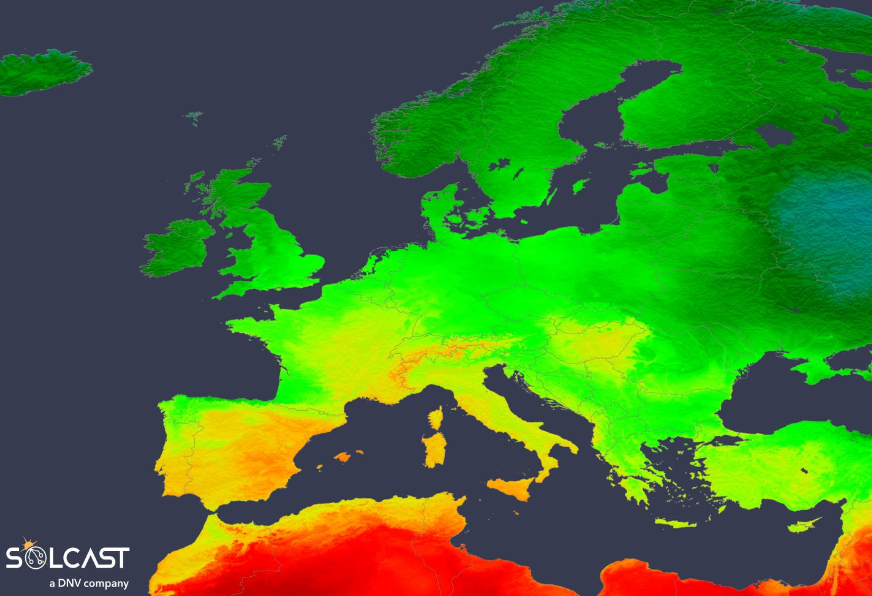
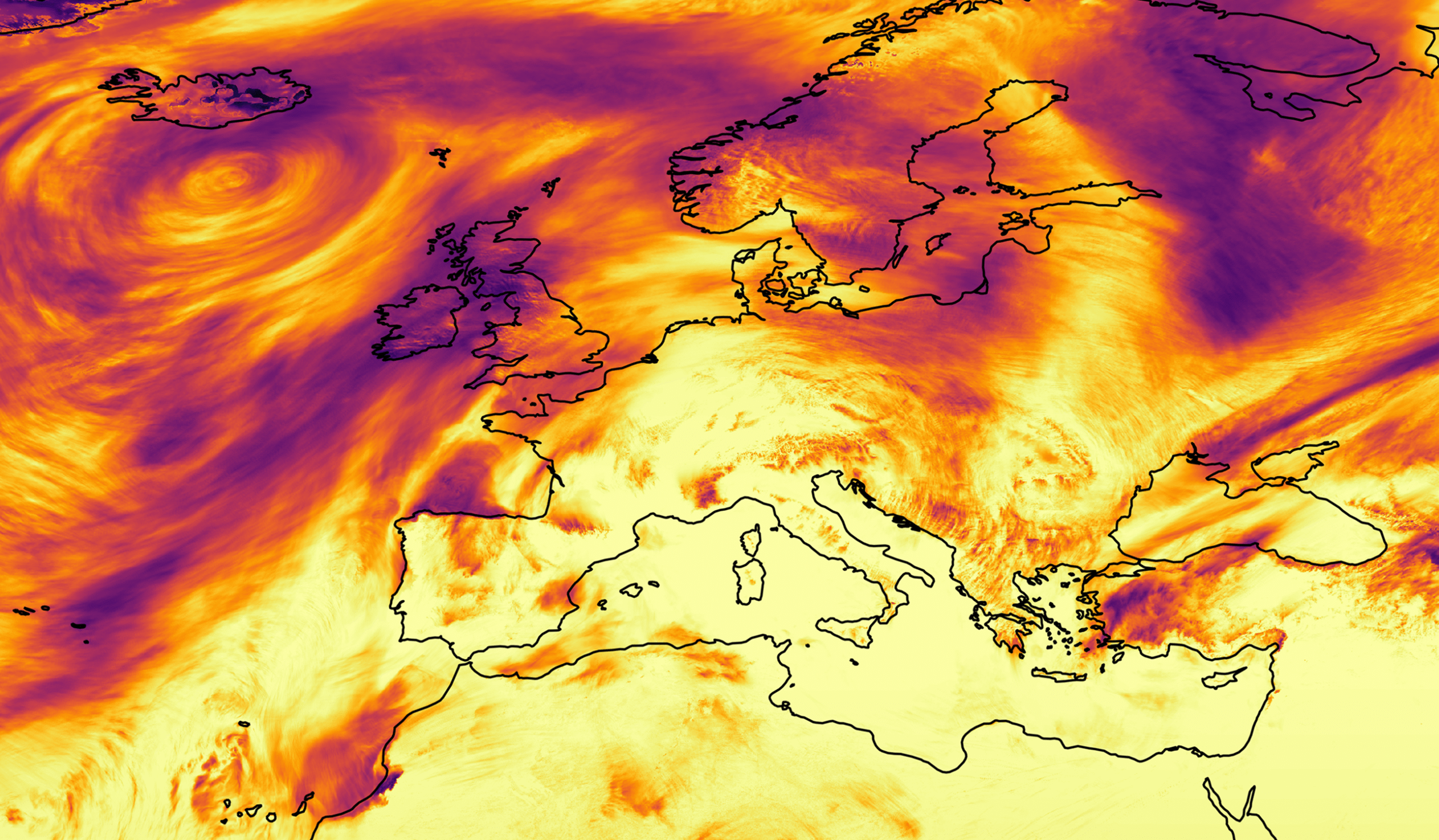
Most of Europe saw significantly more solar than normal across the first half of 2026. The pattern began in winter, when cold, dry air reduced cloud cover across parts of eastern and northern Europe, lifting irradiance even as storm systems reduced solar resource farther west. Spring reinforced the surplus. In April, persistent high pressure over the North Sea kept skies clearer across western and northern Europe, with France 13% above the 2007–2025 baseline, Germany 11% above average, and Finland 16% above normal. May continued the pattern as clearer skies extended from Spain to Ukraine, with the strongest anomalies centred around Austria, where irradiance reached as much as 25% above normal. For solar production, the practical impact was extended periods of stronger irradiance across several major European markets, despite local reductions around the edges of the weather systems.