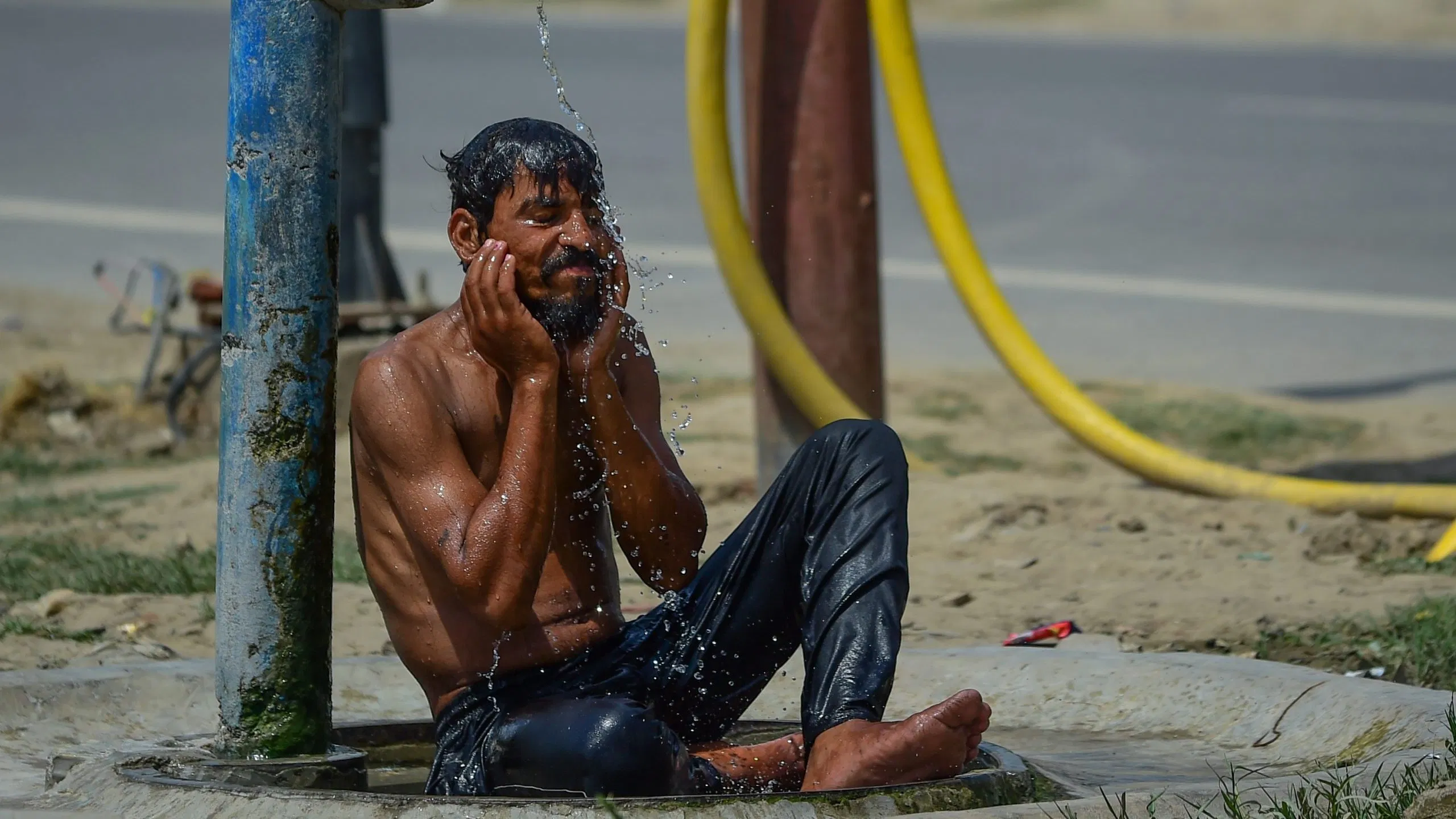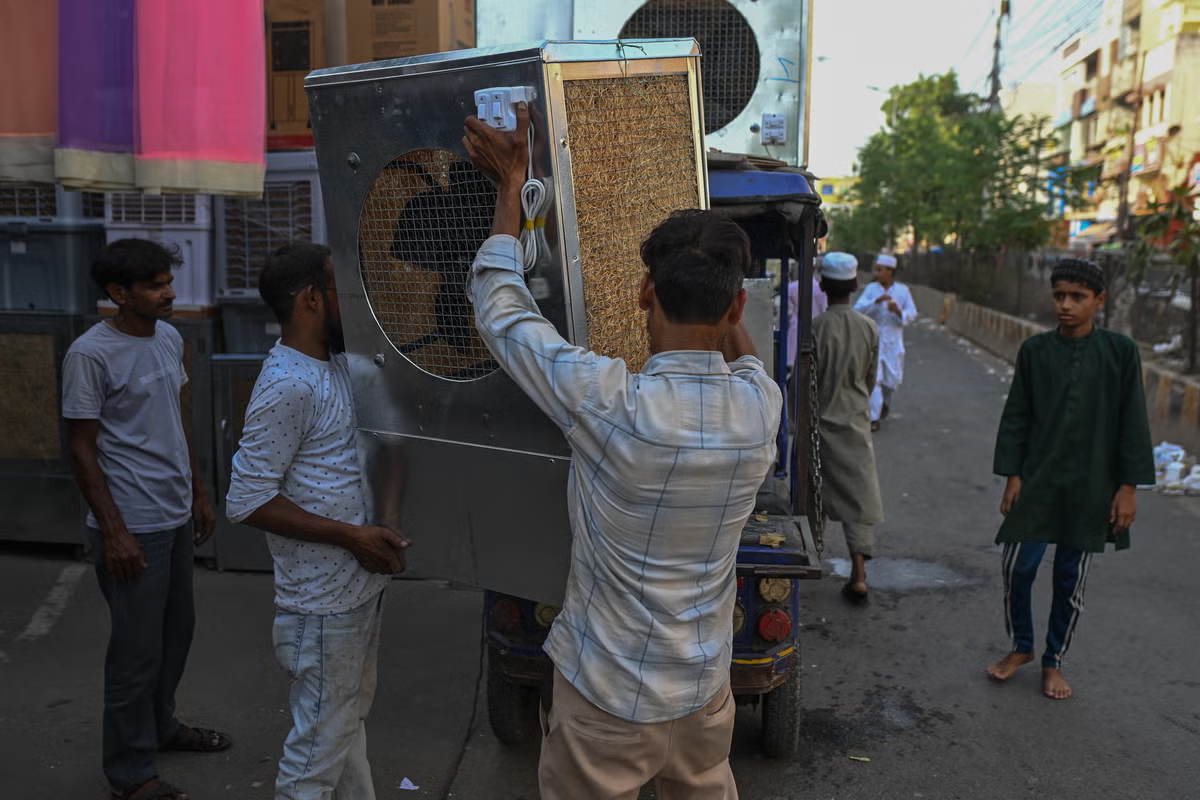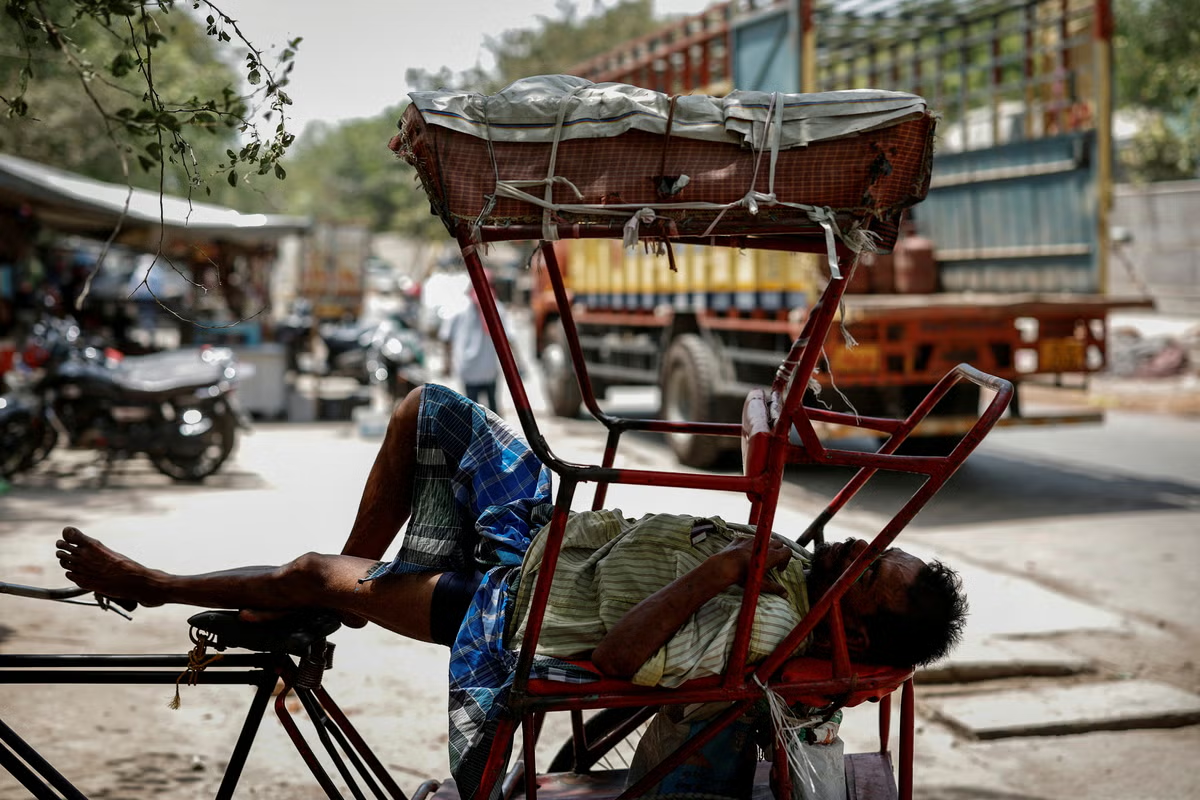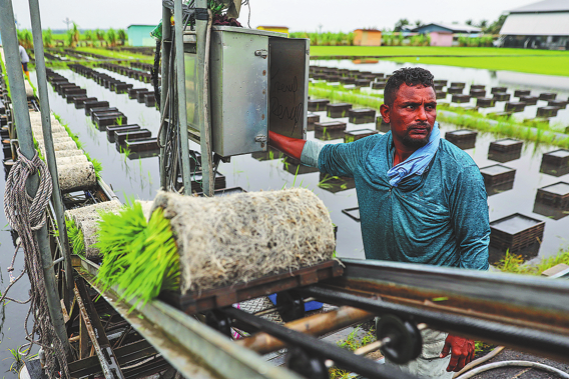
A supercharged climate phenomenon is threatening to make Asia’s energy crisis worse. Drought and high temperatures, sparked by a Super El Nino that could hit the region this summer, will strain power grids right as countries are still scrambling for limited oil and gas supplies, stuck after Iran’s decision to block the Strait of Hormuz to most shipping.
“The Super El Nino will further worsen the economic pain inflicted by the ongoing energy crisis,” says Ming Yi, a physical climate scientist and visiting professor at the National University of Singapore (NUS). “Asia’s electricity supply will be further strained as droughts curtail hydropower generation; farmers will be hard hit, and water-intensive manufacturing sectors like semiconductor and textile may also be disrupted.”
“Super El Nino” refers to an exceptionally strong version of El Nino, a regular climate phenomenon driven by natural variations in ocean temperature. El Nino recurs every two to seven years; a Super El Nino is rarer, taking place every 10 to 15 years on average. During a Super El Nino, ocean temperatures surge by more than two degrees Celsius, releasing a massive amount of heat into the atmosphere. Some forecast models warn that ocean temperatures could rise by more than three degrees this year, surpassing the 2.7 degree peak recorded in 1877.