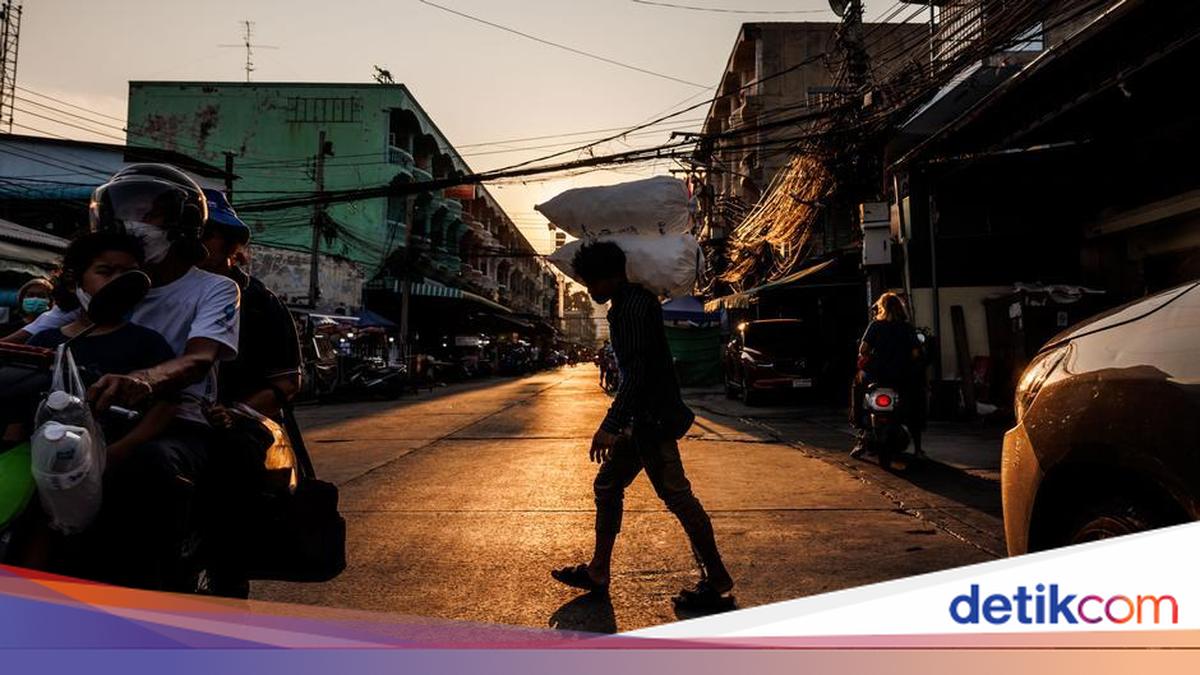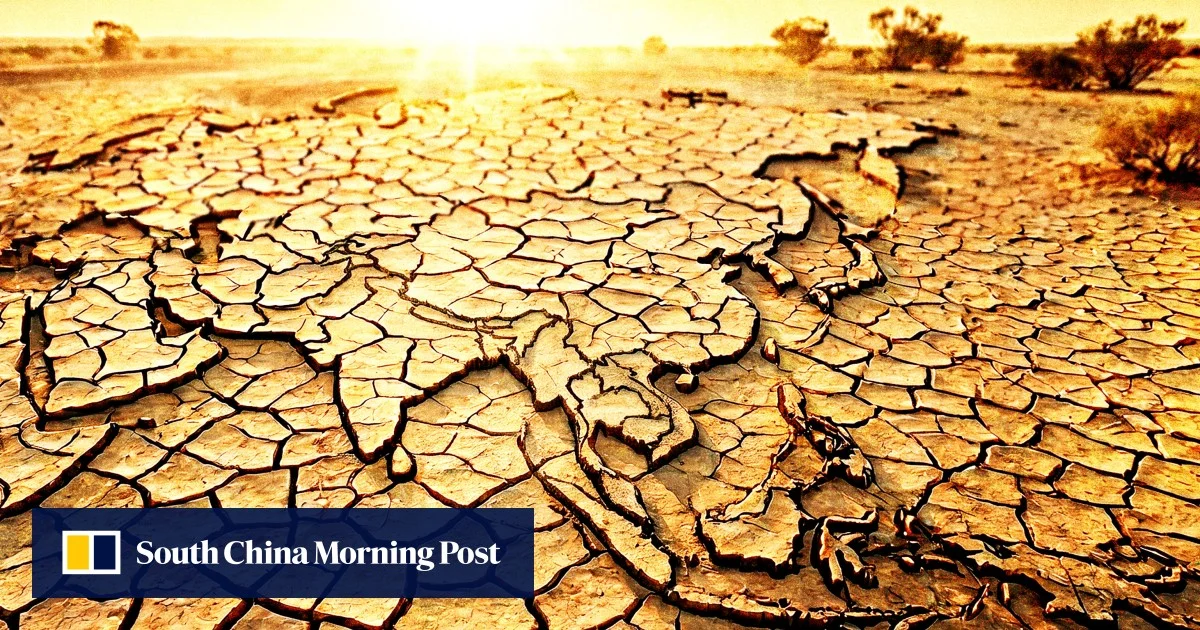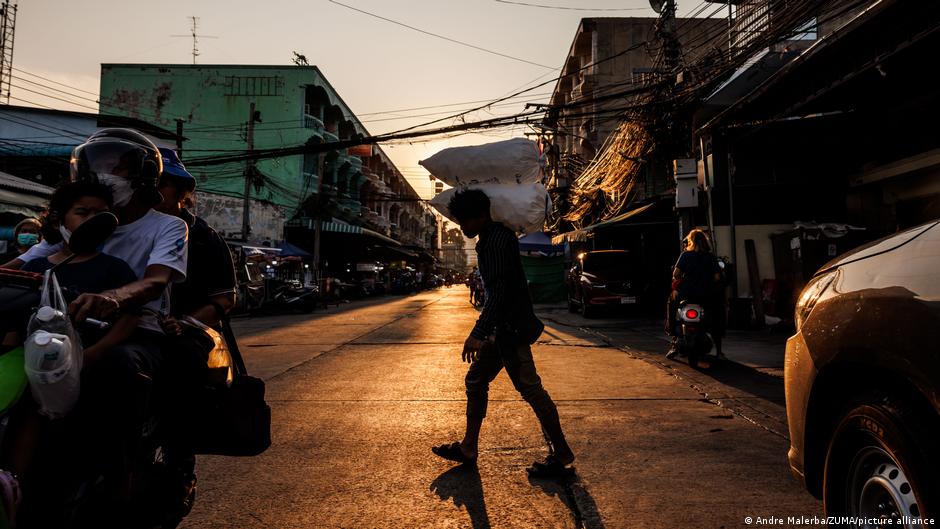
Southeast Asia is bracing for an extreme El Nino weather pattern as households and governments in the region are struggling to respond to higher energy, transport and food bills linked to the Iran war.
The UN weather agency, the World Meteorological Organization (WMO), expects the El Nino conditions to emerge before August and continue until at least November. This means surface waters in large parts of the Pacific Ocean will warm up more than usual, and a disruption in the usual east-to-west wind pattern is likely to bring more heat to central and eastern Pacific.
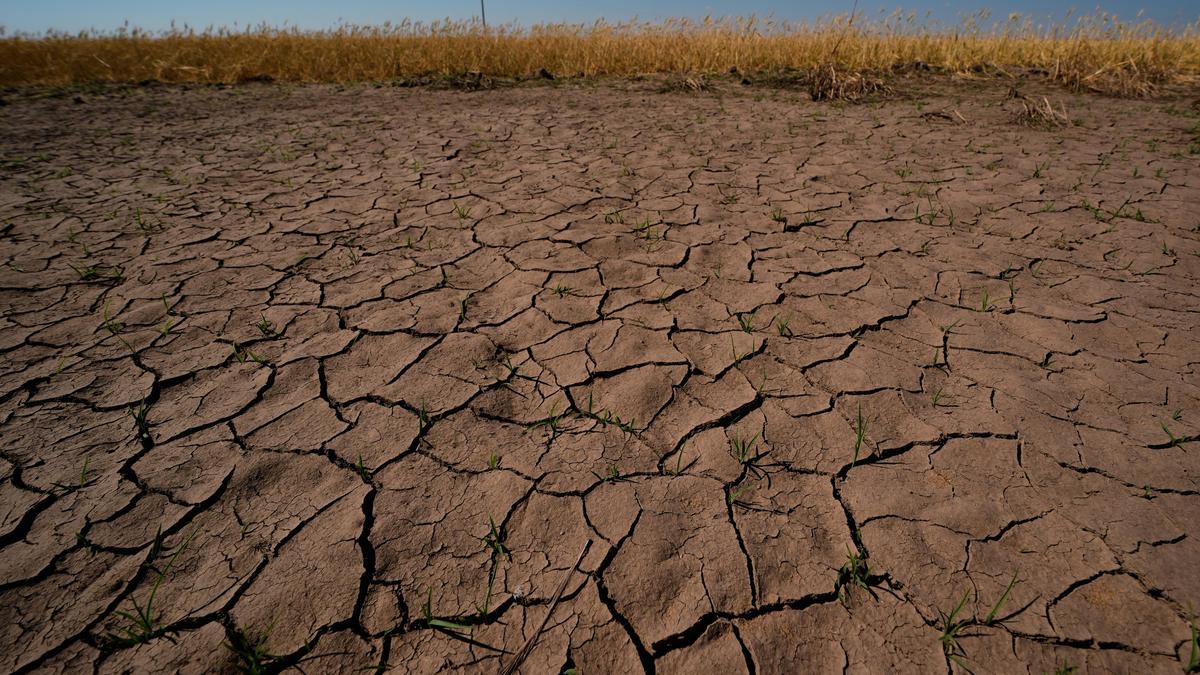
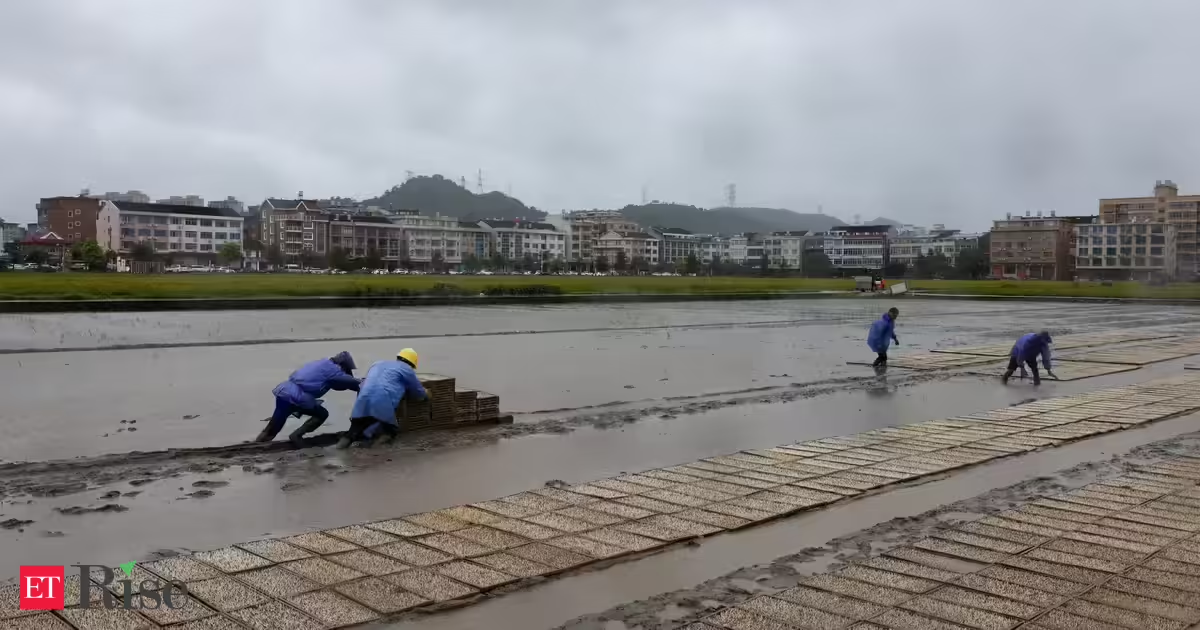
Southeast Asia is entering the months when monsoon rains usually replenish water reservoirs, cool overheated cities and inundate the fields ahead of the next planting season. However, if the rains arrive late or are weaker than normal, farmers may delay planting, reduce acreage or switch away from water-intensive crops.
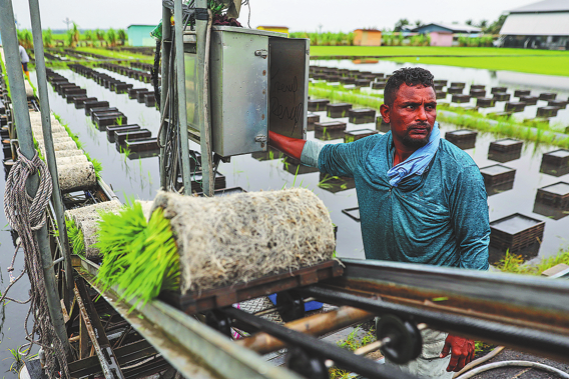
"Southeast Asia's agricultural sector is exceptionally vulnerable to a new El Nino shock, given that its two primary commodities, rice and palm oil, are highly concentrated and uniquely sensitive to climate anomalies," Jason Lee, chair of the Global Heat Health Information Network's Southeast Asia Hub, told DW.